


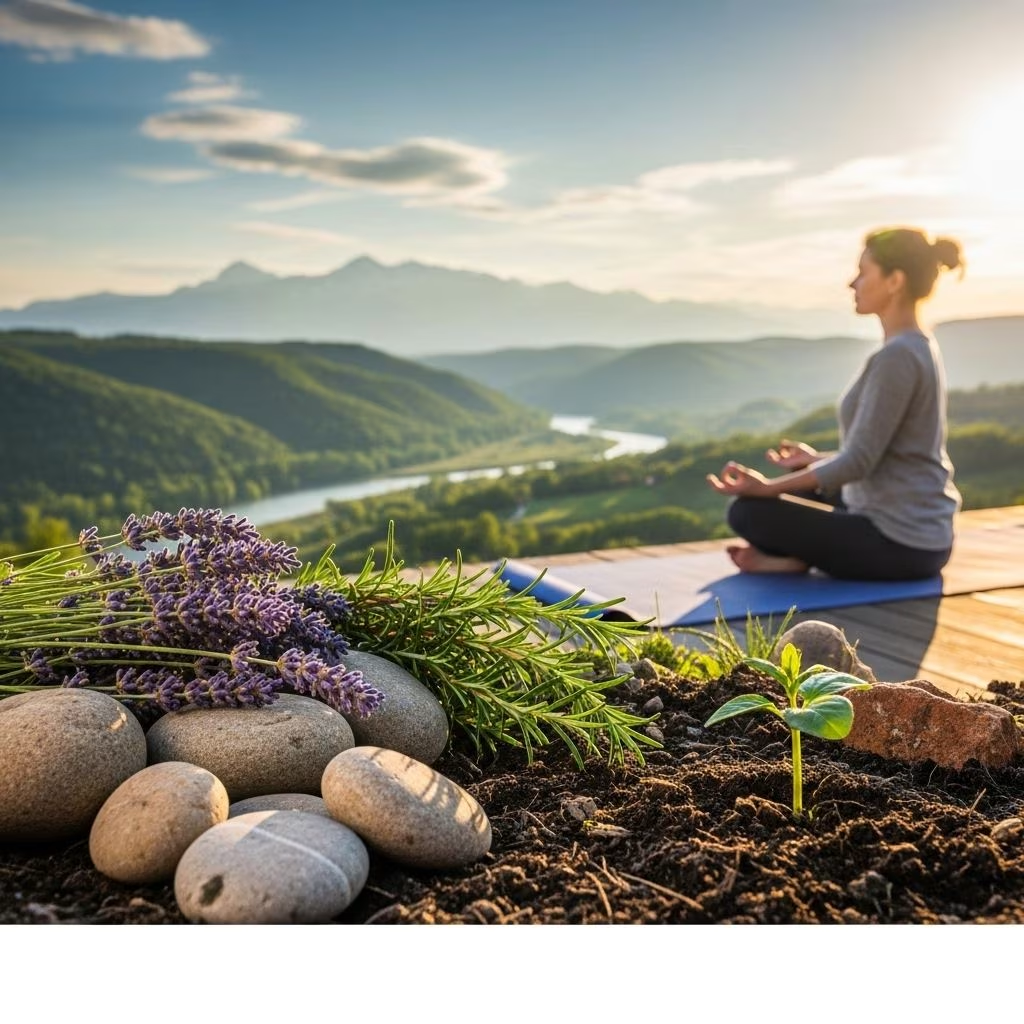
Mental health is fundamental to our overall wellbeing, influencing how we think, feel, and navigate daily life. While professional treatment remains essential for many conditions, natural approaches can play a powerful complementary role in supporting positive mental health. These evidence-based strategies encompass lifestyle modifications, environmental connections, and holistic practices that nurture both mind and body. Understanding and implementing these natural approaches can help build resilience, reduce stress, and enhance emotional balance.
The Power of Physical Exercise for Mental Wellness
Physical activity stands as one of the most impactful natural interventions for mental health. Exercise delivers comprehensive benefits that extend far beyond physical fitness, fundamentally altering brain chemistry and emotional regulation. When we engage in physical activity, our bodies release endorphins—natural mood-boosting chemicals that create feelings of wellbeing and reduce pain perception.
The mental health benefits of regular exercise are extensive and well-documented. Physical activity strengthens not only muscles and bones but also enhances cardiovascular function, providing increased energy for daily activities. This boost in energy naturally translates to improved mood and greater capacity to handle life’s challenges. Exercise has been shown to reduce symptoms of depression and anxiety while improving self-esteem and cognitive function.
For optimal mental health benefits, aim to incorporate various forms of physical activity into your routine. Running provides cardiovascular benefits and opportunities for meditative rhythmic movement. Yoga combines physical postures with breathwork and meditation, promoting a harmonious mind-body connection that reduces stress and anxiety. Biking offers both exercise and the opportunity to explore outdoor environments. Even leisurely walks provide meaningful mental health benefits, particularly when taken outdoors in natural settings.
The key to maintaining an exercise routine lies in choosing activities you genuinely enjoy. Whether it’s dancing, swimming, hiking, or team sports, finding movement that brings you joy ensures sustainability and maximizes the psychological benefits of physical activity.
Connecting with Nature for Emotional Balance
The therapeutic power of nature represents one of humanity’s most accessible yet underutilized mental health resources. Spending time outdoors, surrounded by natural environments, can significantly soothe the mind and reduce psychological distress. Even brief periods in nature—as little as 20 minutes in your backyard or on a city block—can increase energy levels and lower the risk of depression.
Nature therapy, also known as ecotherapy, encompasses various activities and treatments that benefit both physical and mental health through outdoor engagement. This approach recognizes the profound connection between human wellbeing and the natural world. When we immerse ourselves in natural settings, we engage all our senses, creating a grounding experience that helps us feel more present and connected.
Forest bathing, a practice originating from Japan, involves immersing oneself in a forest environment using all five senses. This mindful nature experience significantly increases relaxation and has been shown to reduce stress hormones, lower blood pressure, and improve overall mood. The practice doesn’t require strenuous activity—simply being present among trees and natural landscapes provides substantial benefits.
Spending time in nature can take many forms, each offering unique mental health advantages. Hiking combines physical exercise with nature exposure, creating a powerful two-fold benefit. Gardening provides a sense of nurturing and accomplishment while connecting you to the earth’s rhythms. Even simple activities like having a picnic in the park or sitting by a body of water can offer profound stress relief and mental clarity.
For those with limited access to wilderness areas, urban green spaces provide valuable alternatives. Parks, botanical gardens, and tree-lined streets all offer opportunities to experience nature’s restorative effects. The important element is consistent engagement with natural environments, regardless of their scale or location.
Nutritional Foundations for Mental Health
The relationship between nutrition and mental health is profound and increasingly recognized by scientific research. What we eat directly influences brain function, neurotransmitter production, and emotional regulation. A balanced diet rich in essential nutrients provides the foundation for optimal mental wellness, affecting mood, energy levels, and cognitive performance.
For comprehensive mental health support, focus on incorporating diverse, nutrient-dense foods into your daily meals. Fruits and vegetables provide antioxidants and vitamins that protect brain cells from oxidative stress. Lean proteins supply amino acids necessary for neurotransmitter synthesis, including serotonin and dopamine, which regulate mood. Whole grains offer steady energy release, preventing the mood swings associated with blood sugar fluctuations. Unsaturated fats, particularly omega-3 fatty acids, play crucial roles in brain tissue health and emotional regulation.
Omega-3 fatty acids deserve special attention in any discussion of nutrition and mental health. These essential fats, found abundantly in fish such as salmon and sardines, support memory, increase brain tissue, and help manage emotions effectively. Research suggests that adequate omega-3 intake may reduce symptoms of depression and anxiety while supporting overall cognitive function.
Hydration represents another critical yet often overlooked aspect of mental wellness. Staying properly hydrated throughout the day supports all bodily functions, including those of the brain. Even mild dehydration can affect mood, concentration, and energy levels. Make water your primary beverage, drinking consistently throughout the day rather than waiting until you feel thirsty.
Mindful eating practices further enhance the mental health benefits of good nutrition. Being fully present during meals, savoring each bite, and paying attention to hunger and fullness cues helps foster a healthy relationship with food. This approach reduces stress around eating, promotes better digestion, and creates a positive connection between body and mind.
Mindfulness and Meditation Practices
Mindfulness and meditation represent powerful tools for managing mental health naturally. These practices train the mind to focus on the present moment, reducing anxiety about the future and rumination about the past. Regular meditation has been shown to decrease symptoms of depression, improve emotional regulation, and enhance overall psychological wellbeing.
Mindfulness meditation involves observing thoughts, feelings, and sensations without judgment, creating space between stimulus and response. This practice helps individuals recognize thought patterns that may contribute to distress, allowing them to respond more skillfully to challenging situations. Over time, meditation strengthens attention, enhances self-awareness, and promotes emotional balance.
Deep breathing exercises complement meditation practice by activating the body’s parasympathetic nervous system, which promotes relaxation and counters the stress response. Simple breathing techniques can be practiced anywhere, providing immediate relief during moments of anxiety or overwhelm. Progressive muscle relaxation, another mind-body technique, involves systematically tensing and releasing muscle groups to reduce physical tension and mental stress.
Incorporating mindfulness into daily activities extends benefits beyond formal meditation sessions. Mindful walking, where you pay attention to each step and your surroundings, combines movement with present-moment awareness. Mindful eating transforms meals into opportunities for sensory engagement and gratitude. These practices help anchor you in the present, reducing stress and enhancing appreciation for life’s simple moments.
Creative Expression as Emotional Outlet
Creative activities offer powerful outlets for self-expression and emotional processing. Engaging in art, writing, music, or dance provides a cathartic release for pent-up emotions while serving as a form of communication with oneself. Creative expression allows individuals to discover and process feelings in constructive, meaningful ways that words alone may not capture.
Art therapy, whether conducted independently or with professional guidance, creates opportunities for emotional exploration and healing. Painting, drawing, or sculpting can help express complex feelings that are difficult to articulate verbally. The process of creation itself can be meditative, providing a break from mental chatter while producing something tangible that reflects inner experiences.
Writing, including journaling, poetry, or storytelling, helps organize thoughts and gain perspective on challenging situations. The act of putting experiences into words can provide clarity, reduce emotional intensity, and identify patterns in thinking or behavior. Many people find that regular journaling helps them process daily stresses and track mood changes over time.
Music and movement therapies harness rhythm and physical expression for emotional release and regulation. Playing an instrument, singing, or simply listening to music can shift mood states and provide comfort during difficult times. Dancing combines physical activity with creative expression, offering both the endorphin boost of exercise and the cathartic release of artistic movement.
Working with your hands through crafts, woodworking, or other tactile activities can become meditative practices that quiet mental noise while providing a sense of accomplishment. These activities engage both mind and body, creating a state of flow that promotes relaxation and satisfaction.
Cultivating Gratitude and Positive Mindset
Developing an attitude of gratitude represents a simple yet transformative practice for mental health. Regularly acknowledging the positive aspects of life shifts attention away from problems and difficulties, fostering resilience and contentment. Research consistently shows that gratitude practices improve happiness, enhance mental health, and increase life satisfaction.
Keeping a gratitude journal provides a structured way to cultivate thankfulness. Writing down three things you’re grateful for each day trains your brain to notice positive experiences and blessings that might otherwise go unacknowledged. This practice has been linked to better sleep quality, healthier lifestyle choices, and stronger social bonds. The act of reflecting on gratitude before bed can also promote more restful sleep by focusing the mind on positive thoughts.
Beyond journaling, gratitude can be expressed and experienced in various ways. Verbally thanking people who have helped or supported you strengthens relationships while reinforcing positive social connections. Mentally noting moments of beauty, kindness, or joy throughout the day builds an appreciative mindset. Even during challenging times, looking for small things to appreciate—a warm cup of tea, a kind gesture, a beautiful sunset—can provide perspective and emotional support.
Positive thinking extends beyond gratitude to include reframing negative situations and challenging unhelpful thought patterns. While this doesn’t mean ignoring genuine problems, it involves approaching difficulties with a constructive mindset that focuses on solutions and learning opportunities rather than dwelling on worst-case scenarios.
Social Connection and Community Support
Human beings are inherently social creatures, and meaningful connections with others profoundly impact mental health. Supportive relationships provide emotional sustenance, practical assistance during difficult times, and a sense of belonging that protects against loneliness and isolation. Investing in relationships and community involvement represents a crucial natural approach to maintaining positive mental health.
Support groups offer safe spaces to share experiences with others facing similar challenges. Whether focused on specific mental health conditions, life transitions, or general wellness, these groups reduce isolation and provide validation. Hearing how others cope with difficulties can inspire new strategies while offering hope and understanding that you’re not alone in your struggles.
Volunteering and giving back to your community serves dual purposes for mental health. Research shows that helping others improves mood, enhances life satisfaction, and may even extend lifespan. Volunteer work provides a sense of purpose, connects you with like-minded individuals, and creates opportunities to contribute meaningfully to causes you care about. The act of focusing on others’ needs can also provide healthy perspective on your own challenges.
Maintaining friendships and family relationships requires intentional effort in our busy modern lives. Regular social contact—whether through phone calls, video chats, or in-person gatherings—helps sustain the bonds that provide emotional support and joy. Joining interest groups, clubs, or classes creates opportunities to meet new people while engaging in activities you enjoy, naturally fostering connections based on shared interests.
Mind-Body Practices: Yoga and Tai Chi
Ancient mind-body practices like yoga and Tai Chi offer comprehensive approaches to mental health that integrate physical movement, breathwork, and meditation. These practices recognize the inseparable connection between mental and physical states, using gentle movement and mindful awareness to promote holistic wellbeing.
Yoga combines physical postures (asanas) with controlled breathing (pranayama) and meditation to create a balanced practice that addresses both body and mind. Regular yoga practice has been shown to reduce stress, anxiety, and depression while enhancing overall wellbeing. The physical benefits include improved flexibility, strength, and balance, while the mental benefits encompass increased self-awareness, emotional regulation, and inner peace.
Tai Chi, often described as meditation in motion, involves slow, flowing movements coordinated with deep breathing. This gentle practice improves physical balance and mental clarity while promoting relaxation and stress reduction. The deliberate, mindful nature of Tai Chi helps calm the mind while strengthening the body, making it accessible to people of various ages and fitness levels.
Both practices emphasize present-moment awareness, training practitioners to observe thoughts and sensations without judgment. This mindful approach helps break cycles of worry and rumination that often accompany mental health challenges. The combination of physical movement and mental focus creates a meditative state that provides respite from daily stressors while building long-term resilience.
Digital Detox for Mental Clarity
In our hyper-connected digital age, constant screen time and information overload can significantly impact mental health. The endless stream of notifications, news, and social media updates creates mental clutter and sensory overstimulation that increases stress and anxiety. Taking regular breaks from digital devices represents an increasingly important natural approach to protecting mental wellness.
A digital detox involves consciously unplugging from electronic devices for designated periods, allowing the mind to rest and recover from constant connectivity. This practice reduces information overload, decreases social comparison driven by social media, and creates space for more meaningful activities and face-to-face interactions. Many people find that limiting screen time, especially before bed, significantly improves sleep quality and mental clarity.
Implementing a digital detox doesn’t require complete technology abandonment. Start with small, manageable steps such as establishing device-free zones in your home, particularly the bedroom and dining areas. Set specific times for checking email and social media rather than responding to every notification immediately. Consider a weekly digital sabbath—a full day without screens—to fully disconnect and reconnect with offline activities and relationships.
Replacing screen time with nourishing activities amplifies the benefits of digital detoxing. Use freed-up time for nature walks, creative pursuits, reading physical books, or quality time with loved ones. These activities provide genuine fulfillment and connection that scrolling through feeds cannot replicate.
Additional Holistic Approaches to Mental Wellness
Beyond the core practices already discussed, several other natural approaches can support positive mental health. Horticulture therapy, involving raising plants, flowers, or food crops, gives participants a sense of accomplishment, cooperation, and nurturing. The act of caring for living things and watching them grow provides tangible rewards while connecting us to natural cycles.
Animal-assisted therapy magnifies nature’s benefits through interaction with animals. Horses, dogs, and other creatures provide calm, connection, and unconditional acceptance to those who care for them. Even for those without pets, regular contact with animals through volunteering at shelters or spending time with friends’ pets can offer emotional support and reduce stress.
Adventure-based activities such as rock climbing, white-water rafting, or zip-lining allow people to experience the thrill of novel experiences while supporting each other through challenges. These activities build confidence, foster resilience, and create lasting memories while providing physical exercise and nature exposure.
Conservation activities, such as maintaining hiking trails, picking up litter, or creating wildlife passages, instill a sense of purpose and hope. Giving back to nature through environmental stewardship creates meaningful engagement while contributing to the health of ecosystems that support all life.
Integrating Natural Approaches into Daily Life
Successfully incorporating these natural approaches into your life requires thoughtful planning and realistic expectations. Rather than attempting to implement everything at once, start with one or two practices that resonate most strongly with you. Consistency matters more than perfection—even small, regular efforts compound over time to create significant mental health benefits.
Create a personalized mental health routine that fits your lifestyle, preferences, and needs. This might include morning meditation, daily walks in nature, weekly yoga classes, and evening gratitude journaling. Experiment with different approaches to discover what works best for you, remaining flexible and adjusting your routine as needed.
Track your progress and observe how different practices affect your mood, energy, and overall wellbeing. This awareness helps identify which approaches provide the most benefit while maintaining motivation to continue. Remember that natural approaches work best when combined with professional support when needed—they complement rather than replace appropriate medical care for mental health conditions.
Building a support system around your mental health practices enhances sustainability and enjoyment. Find exercise partners, join meditation groups, or share your gratitude practice with family members. Social accountability and shared experiences make healthy habits easier to maintain while providing additional relationship benefits.
Frequently Asked Questions
Q: How long does it take to see mental health benefits from natural approaches?
A: The timeline varies by individual and practice. Some interventions like exercise and nature exposure can provide immediate mood benefits, while others like meditation may require several weeks of consistent practice to show noticeable effects. Most people experience meaningful improvements within 4-8 weeks of regular practice.
Q: Can natural approaches replace medication for mental health conditions?
A: Natural approaches should complement, not replace, professional medical treatment for diagnosed mental health conditions. Always consult with a healthcare provider before making changes to prescribed treatments. Natural approaches work best as part of a comprehensive mental health strategy that may include therapy and medication when appropriate.
Q: What if I don’t have access to natural outdoor spaces?
A: Even small doses of nature provide benefits. Urban parks, tree-lined streets, houseplants, or nature videos can offer some advantages. Focus on whatever natural elements are accessible to you, and consider combining other approaches like indoor exercise, meditation, and creative expression to support your mental health.
Q: How much exercise is needed for mental health benefits?
A: Research suggests that even moderate physical activity provides mental health benefits. Aim for at least 150 minutes of moderate exercise weekly, but any amount of movement is better than none. Brief daily walks can be just as effective as longer, less frequent workouts when maintained consistently.
Q: Are certain types of meditation better for mental health than others?
A: Different meditation styles benefit different people. Mindfulness meditation, loving-kindness meditation, and body scan practices all show mental health benefits. Experiment with various approaches to find what resonates with you personally, as consistency with any practice matters more than the specific technique chosen.
Q: How can I stay motivated to maintain these natural practices?
A: Start small with achievable goals, track your progress, and celebrate small wins. Find practices you genuinely enjoy rather than those you feel you should do. Building habits with social support, scheduling practices like appointments, and focusing on how activities make you feel rather than external outcomes all enhance long-term motivation.
References
- https://www.peacehealth.org/healthy-you/12-natural-ways-boost-your-mental-health
- https://www.apa.org/monitor/2020/04/nurtured-nature
- https://pmc.ncbi.nlm.nih.gov/articles/PMC6519573/
- https://www.starkhelpcentral.com/alternative-therapies-for-mental-health/
- https://ascentmh.com/blog-space/self-care-beyond-the-basics-7-holistic-approaches-to-mental-health-x767x
- https://magazine.hms.harvard.edu/articles/walk-woods-may-boost-mental-health
- https://www.mentalhealth.org.uk/our-work/research/nature-how-connecting-nature-benefits-our-mental-health
- https://immunizenevada.org/holistic-approaches-to-mental-health-care/
- https://www.mcleanhospital.org/essential/nature


