


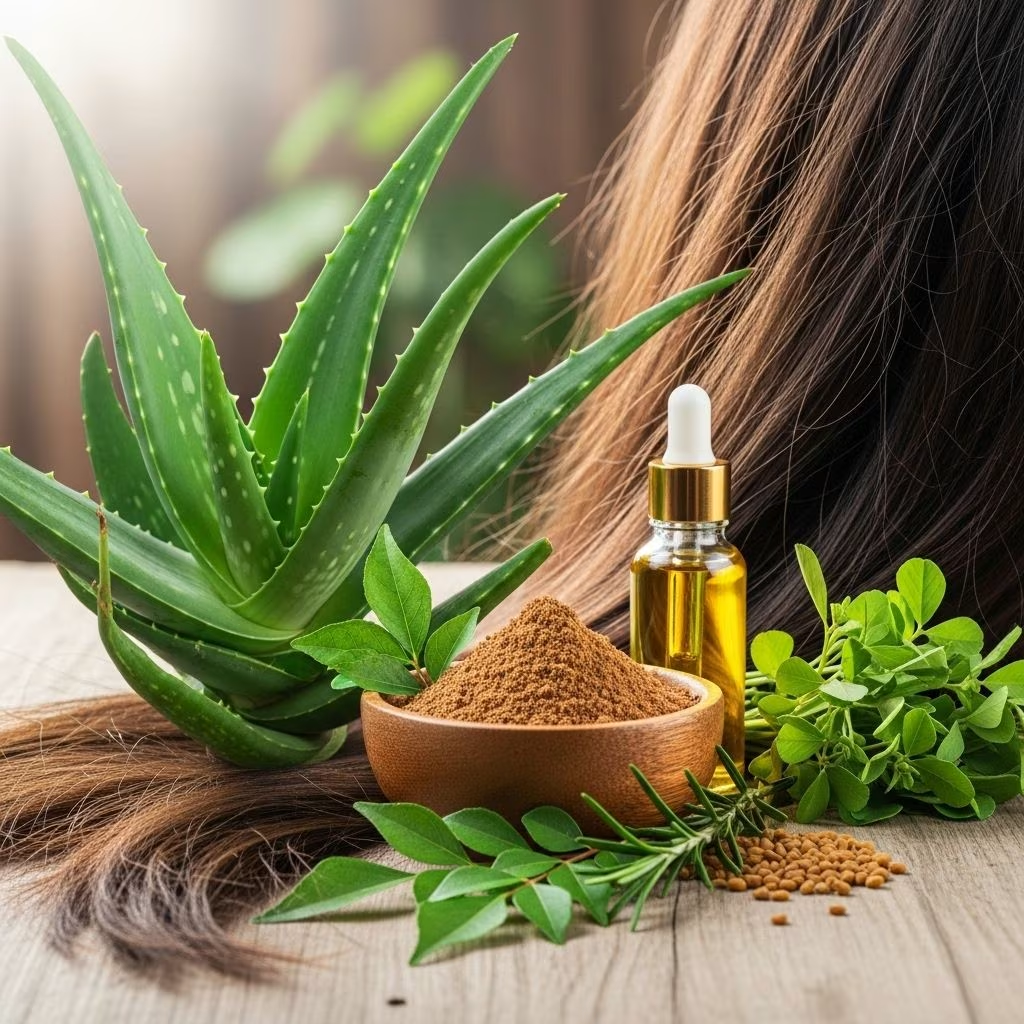
9 Natural Remedies for Hair Loss
Hair loss affects millions of people worldwide and can have profound impacts on self-esteem and well-being. While conventional treatments exist, many are seeking natural remedies that are supported by clinical research, offer lower risk of side effects, and help address underlying causes. This article explores nine evidence-based solutions—from key nutrients to essential oils, adaptogens, and daily lifestyle habits—to help support hair strength, minimize shedding, and promote regrowth.
Understanding Hair Loss
Hair loss can manifest in different forms, including androgenic alopecia (male/female pattern baldness), telogen effluvium (stress or nutritional triggers), and alopecia areata (autoimmune-driven patchy hair loss). A proper diagnosis is crucial, as solutions may vary depending on the root cause. Below are nine well-researched natural approaches to addressing hair thinning and supporting healthy growth.
1. Biotin
Biotin—also known as vitamin B7—is commonly found in hair growth supplements. Deficiency in biotin can lead to hair thinning and loss, though it is considered rare in healthy populations. However, one recent study found that nearly 38% of women with hair loss had biotin deficiency, caused by factors like excessive consumption of raw egg whites, pregnancy, chronic gastrointestinal issues, certain medications, and alcoholism. While robust clinical trials are limited, case reports suggest supplementation may help restore hair strength, particularly if an underlying deficiency is present.
- Biotin-rich foods: Eggs, nuts, seeds, sweet potatoes, and spinach.
- Supplementation: Look for reputable brands and consult with a healthcare provider before starting.
2. Vitamin D
Vitamin D is essential for hair follicle health. Deficiency has been linked to hair loss, particularly in women, and supplementation has shown positive results in improving hair regrowth in clinical research. Vitamin D supports normal follicle cycling and growth phases.
- Foods high in Vitamin D: Fatty fish, fortified dairy products, mushrooms, egg yolks.
- Sunlight exposure: Regular, safe sun exposure can help maintain healthy levels.
3. Zinc
Zinc is vital for tissue growth and repair, including the scalp and hair follicles. Low levels are often observed in people with telogen effluvium—one of the most common causes of hair loss. Replenishing zinc, either via diet or supplementation, may help restore normal growth in deficient individuals.
- Sources of zinc: Oysters, beef, pumpkin seeds, lentils, and fortified cereals.
- Tip: Always assess your zinc status before supplementing, as excess can lead to adverse effects.
4. Omega-3 Fatty Acids
Omega-3 fatty acids are known to reduce inflammation, improve circulation, and support hair health. Studies show these essential fats, found in fish oil and some plant sources, are beneficial for preventing hair loss and may aid regrowth.
- Sources of Omega-3: Salmon, sardines, flaxseed oil, walnuts, chia seeds.
- Supplementation: Fish oil or algae-based options for vegetarians/vegans.
5. Adaptogens for Stress Management
Stress—both acute and chronic—can trigger hair shedding and disrupt healthy cycles. Adaptogens like rhodiola and ashwagandha help the body manage stress by balancing hormone production, potentially benefitting those whose hair loss is stress-related.
- Rhodiola rosea: Traditionally used for fatigue and emotional resilience.
- Ashwagandha: Supports adrenal health and stress recovery.
Combining adaptogens with relaxation strategies—meditation, yoga, deep breathing—creates an optimal internal environment for hair growth.
6. Essential Oils
Several essential oils have demonstrated promising effects in clinical settings:
- Rosemary Oil: A study found topical rosemary oil to be as effective as minoxidil (the gold-standard medical hair loss treatment) after six months of use, with improved hair growth outcomes in both groups. It stimulates blood circulation and encourages dormant follicles to re-enter the growth phase.
- Lavender Oil: Recognized for its soothing aroma, lavender also supports scalp health and may encourage hair growth when massaged into the scalp.
- Peppermint Oil: Clinical trials show that it can promote hair growth by improving blood flow; however, more research is needed to fully confirm benefits.
- Thyme and Cedarwood Oils: In one trial, a blend of these oils (with rosemary and lavender, diluted in jojoba and grapeseed oils) significantly improved hair growth in individuals with autoimmune-driven alopecia areata.
When using essential oils, always perform a patch test and combine with a carrier oil (such as coconut or jojoba) to prevent irritation. Never apply undiluted oils directly to the scalp.
7. Herbal Extracts
| Herbal Extract | Evidence of Effectiveness | How It Works |
|---|---|---|
| Saw Palmetto | 60% improvement in overall hair quality in clinical review | Blocks DHT formation, similar to conventional medicine for male/female-pattern hair loss |
| Green Tea Extract | Stimulates hair growth in short-term studies | Blocks DHT; anti-inflammatory |
| Pumpkin Seed Oil | 40% increase in hair count versus 10% with placebo after six months | Reduces DHT production, supports hair follicle health |
| Panax Ginseng | Improved hair density and thickness in clinical trials | Tonifies the scalp, anti-inflammatory, stimulates follicle growth |
| Licorice Root & White Peony Extract | Markedly effective for autoimmune-related hair loss; up to 70% improvement after three months | Immunomodulatory effects, soothing scalp |
8. Rice Ceramides
Rice ceramides are lipid molecules that mirror the ceramides in our skin and hair cuticle. Studies suggest that supplementing with rice ceramides supports skin hydration, improves the hair follicle environment, and increases total hair density and growth phase duration.
- Oral ceramide supplements may promote stronger, thicker hair.
- They may also help maintain scalp moisture, reducing dryness and flaking.
9. Nutrition and Healthy Hair Habits
Nutrient-rich diets supply the building blocks for keratin, the protein that makes up hair strands. Key nutrients for robust hair include vitamins A, C, and E, selenium, fatty acids, and antioxidants like fisetin. Combining supplements with healthy eating practices maximizes benefits.
- Eat a balanced diet with diverse fruits, vegetables, whole grains, lean proteins, and healthy fats.
- Avoid crash dieting and severe caloric restriction.
- Stay hydrated and get adequate sleep for cellular repair and growth.
Hair-Friendly Foods
- Eggs (high in biotin and protein)
- Fatty fish (rich in omega-3)
- Nuts and seeds (selenium and zinc sources)
- Spinach and leafy greens (antioxidants, iron)
- Sweet potatoes (beta-carotene)
Tips for Scalp & Hair Care
- Massage your scalp regularly to boost blood flow and nutrient delivery.
- Limit harsh chemical treatments and heat styling.
- Choose gentle, sulfate-free shampoos and nourishing conditioners.
- Consider scalp exfoliators and masks once weekly to maintain a clean environment for follicles.
- Protect hair from environmental stressors like UV rays and pollution.
Frequently Asked Questions (FAQs)
Q: Can natural remedies reverse genetic or severe hair loss?
A: Natural remedies may help slow progression and improve hair quality, particularly in early stages. However, genetic conditions like androgenic alopecia often require ongoing management, and results may vary.
Q: How long does it take to see results from natural approaches?
A: Most clinical studies show visible improvements in hair growth or density after three to six months of consistent use or supplementation. Patience and adherence to a regimen are key.
Q: Are essential oils safe for daily use on the scalp?
A: Essential oils should be diluted in a carrier oil and patch tested first. Some oils can cause irritation or worsen scalp conditions if overused. Limit application to a few times per week and monitor for adverse reactions.
Q: What role does stress play in hair loss?
A: Stress disrupts normal follicle cycling, leading to conditions such as telogen effluvium. Managing stress with adaptogens, relaxation techniques, and essential oils may support regrowth and prevent further shedding.
Q: Do diet and supplementation always help with hair loss?
A: Nutritional interventions work best when a deficiency or poor dietary habits are present. Not all hair loss is caused by diet, so it is important to evaluate potential hormonal, autoimmune, or genetic factors with a professional.
Summary
Addressing hair loss naturally involves a holistic approach—balancing nutrients, herbal extracts, essential oils, and healthy habits to optimize the scalp environment and support follicle growth. While not every remedy works for everyone, combining the interventions above yields the best chance for stronger, fuller hair. Consult with a healthcare provider or dermatologist for personalized advice.
- Biotin, vitamin D, zinc, omega-3s: correct deficiencies to support regrowth
- Adaptogens and stress reduction: vital for preventing shedding due to hormone disruption
- Essential oils and herbal extracts: improve topical scalp health and follicle stimulation
- Rice ceramides and hair-friendly foods: enhance hair density and resilience
- Good scalp hygiene and gentle styling: maintain hair health long-term
References
- https://www.iherb.com/blog/hair-loss/1367
- https://www.iherb.com/blog/natural-approaches-to-reversing-hair-loss/813
- https://www.iherb.com/blog/hair-loss-vitamins-and-supplements/2112
- https://www.iherb.com/blog/stress-hair-loss-natural-solutions-for-growth/1728
- https://www.iherb.com/c/hair-loss-treatments
- https://www.iherb.com/blog/best-hair-growth-foods-supplements-habits/1799
- https://www.iherb.com/c/hair-treatments
- https://www.iherb.com/c/hair-care


