


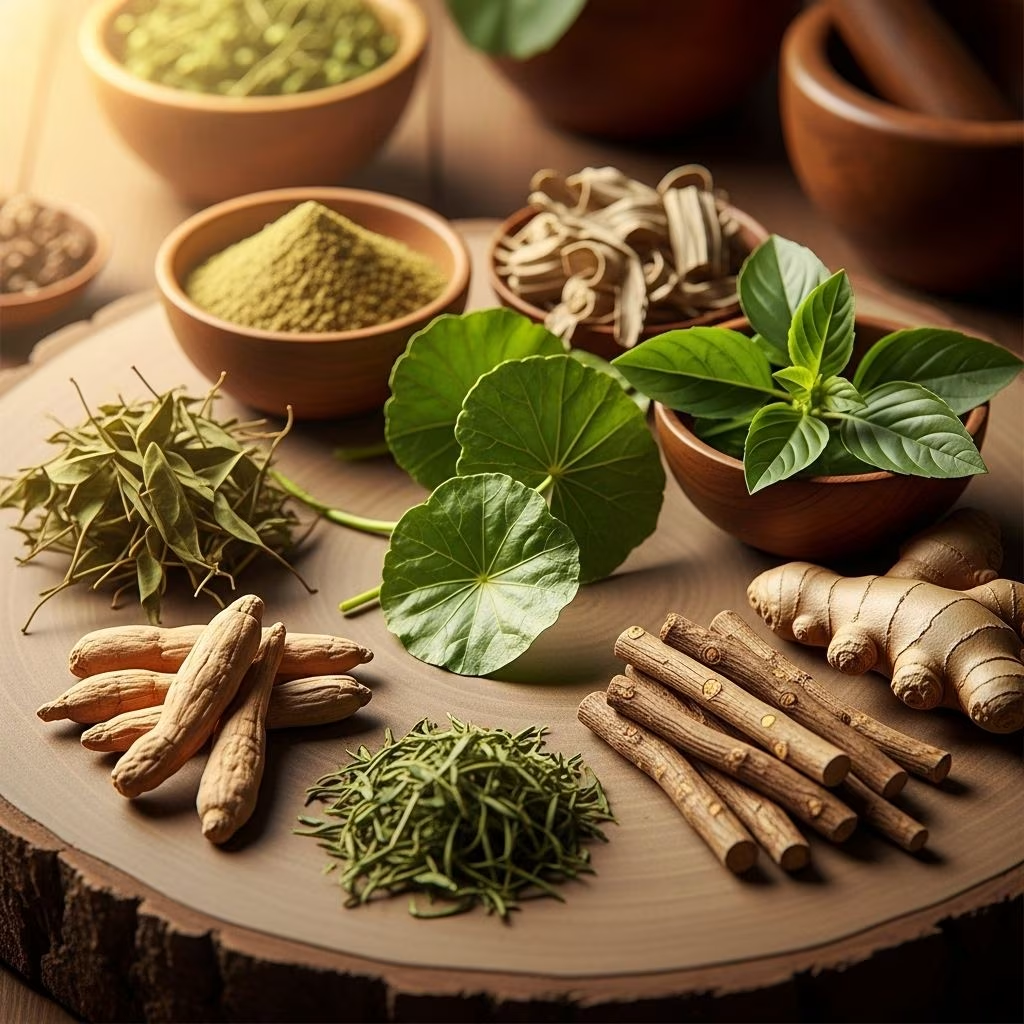
Ayurvedic Herbs for Low Blood Pressure: Natural Remedies for Healthy Circulation
Low blood pressure, medically termed hypotension, is a condition that, while often considered less dangerous than hypertension, can significantly impact daily life if left unaddressed. Common symptoms such as dizziness, fatigue, blurred vision, and fainting affect not only physical well-being but also the ability to engage in regular activities. From the timeless lens of Ayurveda, low blood pressure reflects underlying imbalances—often a weakness or depletion in the body’s core energies. This article delves deep into a comprehensive Ayurvedic approach: exploring causes, symptoms, powerful herbal remedies, rejuvenating therapies, lifestyle adjustments, and frequently asked questions to empower you with tools for balanced circulation and vibrant health.
Understanding Low Blood Pressure in Ayurveda
Ayurveda, the ancient Indian system of medicine, defines health as a harmonious balance among the three doshas—Vata, Pitta, and Kapha. Each dosha governs different physiological and energy functions within the body. Hypotension, often referred to as Nyuna Raktachapa in classical texts, typically points to a disturbance or depletion in these vital forces. Understanding the Ayurvedic perspective offers a pathway to treating the root cause, not just the symptoms.
- Vata imbalance: Often leads to weak circulation, cold extremities, nervousness, and fatigue.
- Pitta depletion: Common after overexertion, heat exposure, or excessive fluid loss.
- Kapha sluggishness: Stems from weak digestion and slow metabolism, reducing overall vitality.
Primary Causes of Hypotension in Ayurveda
- Irregular eating habits or skipping meals
- Prolonged fasting, excessive detoxification
- Chronic stress, emotional burnout
- Overuse of diuretics or laxatives
- Inadequate hydration or loss of electrolytes
- Weakened digestion or low digestive fire (Agni)
Symptoms and Signs of Low Blood Pressure
Identifying the symptoms associated with low blood pressure is vital for timely intervention. Common presentations include:
- Dizziness or frequent lightheadedness, especially upon standing
- Persistent fatigue and feelings of weakness
- Blurred vision or blackouts
- Fainting spells
- Cognitive difficulties—trouble concentrating or brain fog
- Cold hands and feet
- Nausea and, occasionally, headaches
- Heightened cravings for salt or sugar
Ayurvedic Herbal Remedies for Low Blood Pressure
The therapeutic cornerstone of Ayurveda lies in plant-based medicines tailored to each individual’s unique constitution. For hypotension, these herbs are selected for their capacity to bolster circulation, invigorate the mind, strengthen the heart, and restore ojas (vital energy).
Top Ayurvedic Herbs and Natural Ingredients
- Ashwagandha (Withania somnifera): An adaptogenic root, ashwagandha is renowned for reducing stress, supporting adrenal health, and lifting both mental and physical vitality. Regular use helps stabilize blood pressure by reducing Vata aggravation and enhancing resilience.
How to Use: Take as powder mixed with warm milk or as prescribed capsules. - Licorice Root (Glycyrrhiza glabra): Licorice restores adrenal function and increases blood volume, making it a front-line herb for hypotension. Its sweet taste and warming energy revive sluggish Ojas and fortify circulation.
How to Use: Boil licorice root in water for tea, or follow recommended dosages in tablet form. - Arjuna (Terminalia arjuna): Revered as a heart tonic, arjuna strengthens cardiac muscle and improves overall cardiovascular health.
How to Use: Powdered bark mixed in warm water, or standardized extracts per practitioner advice. - Tulsi (Holy Basil): This sacred plant not only boosts immunity but also supports steady heart rate and healthy blood pressure through its adaptogenic effects.
How to Use: Chew fresh leaves daily or brew as an herbal infusion. - Guduchi (Tinospora cordifolia): Known for enhancing vitality and immune strength, Guduchi is particularly useful in chronic fatigue with low blood pressure.
- Shatavari (Asparagus racemosus): Supports overall stamina, neuroendocrine balance, and is especially supportive for women during hormonal transitions.
- Beetroot: While not a classical herb, fresh beetroot juice is advised in several Ayurvedic protocols for restoring circulatory strength and preventing dehydration in those with hypotension.
How to Use: Drink one cup of fresh beetroot juice twice daily. - Raisins: Raisins soaked overnight in water and consumed in the morning are a gentle remedy for boosting circulation and vital energy.
- Cinnamon: Warms the body and gently stimulates circulation, often used in small quantities in teas or decoctions.
Table: Common Ayurvedic Herbs for Hypotension
| Herb | Main Benefits | Traditional Preparation |
|---|---|---|
| Ashwagandha | Strengthens adrenals, relieves fatigue, balances Vata | Powder, capsules, with milk |
| Licorice Root | Boosts blood volume, adaptogenic | Tea infusion, tablets |
| Arjuna | Supports cardiac muscle, improves circulation | Bark powder in water |
| Tulsi | Normalizes heart rate, increases energy | Fresh leaves, herbal tea |
| Beetroot | Increases blood volume, hydrates | Fresh juice |
| Guduchi | Improves vitality and immunity | Decoction, capsules |
Ayurvedic Therapies and Massage
In Ayurveda, therapies are as vital as medicines. Targeted Panchakarma techniques and nurturing bodywork help regulate nervous system function and support optimal blood movement.
- Abhyanga (Warm Oil Massage): Daily or frequent abhyanga using sesame, almond, or medicated oils revives circulation, grounds Vata, calms nerves, and enhances both lymphatic and blood flow. This is especially crucial for those experiencing fatigue or cold extremities.
- Shirodhara: A soothing stream of warm, medicated oil is gently poured on the forehead. This deeply relaxes the nervous system, mitigates stress-induced hypotension, and sharpens mental clarity.
- Nasya: Administration of herbalized oils through the nasal passages to clear blockages, support mental focus, and indirectly promote healthy circulation.
- Snehapana (Medicated Ghee Intake): Regular, controlled intake of ghee preparations strengthens tissues, supports immune health, and maintains balanced dosha activity.
- Rasayana Therapy: These rejuvenative treatments combine herbs, specific nutrition plans, and restorative practices to rebuild Ojas, energy, and strength over time.
Nutritional and Lifestyle Guidelines
Ayurveda emphasizes that lasting health is built on the pillars of nourishment, regularity, suitable physical activity, and emotional well-being. Individuals with hypotension should prioritize:
Dietary Recommendations
- Eat regular, nourishing meals: Skipping meals or irregular eating destabilizes Agni. Opt for frequent, small meals featuring rice, dal, root vegetables, grains, and healthy fats like ghee.
- Favor warming, grounding foods: Soups, stews, cooked carrots, beets, and sweet potatoes provide warmth and support stable energy.
- Enhance hydration: Sip warm water throughout the day. Add a pinch of rock salt and lime or soak a few raisins for extra electrolytes.
- Include healthy salt: While not to be overused, moderate intake of mineral-rich salt helps maintain blood pressure for those who are not sodium-sensitive.
- Avoid cold, raw, or highly processed foods: These can aggravate Vata and weaken digestion.
Exercise and Activity
- Engage in gentle yoga, stretching, or mindful walking. Overexertion, intense cardio, or excessive fasting can exhaust the body further.
- Practice Pranayama (breathwork), especially Anulom Vilom, to calm the nervous system and encourage balanced energy.
- Prioritize sufficient sleep and mindful rest; chronic sleep deprivation can dramatically impair energy and blood pressure regulation.
Therapeutic Water Treatments
- Hot Water Immersion Therapy: Soaking in warm (42°C) water for 30 minutes increases blood flow, improves mineral delivery, relaxes muscles, and can benefit those with hypotension, especially when done occasionally.
- Lower Leg Contrast Water Therapy: Alternating immersion of the lower legs in warm and cool water reduces swelling, stimulates circulation, and supports healing. Perform in two containers for 4-minute intervals, for a total of 30 minutes. Recommended once weekly.
Dosha-Specific Ayurvedic Support
For optimal results, Ayurvedic interventions should match your dominant dosha or constitution:
- Vata: Emphasize routine, warmth, grounding foods and herbs (Ashwagandha, ghee, sesame oil), and restorative sleep.
- Pitta: Avoid overheating, stay well-hydrated, prefer cooling foods (coconut, cucumber), and manage stress with calming therapies.
- Kapha: Stimulate sluggish metabolism gently with warming herbs (black pepper, ginger), light exercise, and avoid heavy, oily foods.
Precautions and Seeking Professional Guidance
Ayurveda provides a robust toolkit for managing hypotension, but it’s crucial to consider:
- Persistent, severe, or worsening symptoms require prompt medical attention to rule out underlying conditions such as heart, kidney, or endocrine disorders.
- Pregnant women, the elderly, or people with chronic illnesses should consult qualified Ayurvedic physicians before commencing herbal regimens.
- Herbal medicines and therapies should be tailored by a qualified practitioner; incorrect self-medication may aggravate symptoms or interact with existing medications.
Frequently Asked Questions (FAQs)
Q: What are the core causes of low blood pressure according to Ayurveda?
A: Ayurvedic theory attributes low blood pressure mainly to Vata imbalance (low circulation, cold), Pitta depletion (from heat or fluid loss), and Kapha sluggishness (slow digestion, weak metabolism). External and lifestyle factors like irregular eating, stress, dehydration, and excessive fasting also contribute.
Q: Can Ayurvedic herbs be used with modern medicine?
A: Many Ayurvedic herbs—such as Ashwagandha, Licorice, and Arjuna—can complement conventional treatments. However, consult your healthcare provider to avoid drug-herb interactions, especially if you are on chronic medication.
Q: How long do herbal remedies take to show results?
A: Herbal and lifestyle approaches often work gradually, with subtle benefits over 2–6 weeks. Consistency and adherence to a holistic routine (including diet and therapies) enhance outcomes.
Q: Are there quick home remedies for immediate symptom relief?
A: For sudden episodes, drink a glass of warm water with a pinch of salt and sugar (if suitable for your constitution), lie with legs elevated, and rest. Long-term, adopt the recommended herbs, therapies, and lifestyle measures for sustained improvement.
Q: Are there any side effects of the recommended herbs?
A: When used in the right dosage and under professional supervision, Ayurvedic herbs are generally safe. Individuals with high blood pressure, pregnancy, or chronic illness should avoid unsupervised self-medication.
Q: Can Ayurveda cure low blood pressure completely?
A: Ayurveda focuses on correcting the underlying imbalances and fortifying the body’s resilience. While some may achieve lasting remission, others with chronic or secondary hypotension may need ongoing management. Individual results vary based on constitution and root causes.
Conclusion
Ayurveda offers a multidimensional, holistic system for understanding and rectifying low blood pressure, addressing both immediate symptoms and foundational health imbalances. By leveraging time-honored herbs, mindful nutrition, body therapies, and individualized routines, you can reclaim vital energy, stable circulation, and greater wellbeing. For best results, consult an experienced Ayurvedic practitioner for a program tailored to your unique makeup.
References
- https://www.nimba.in/how-ayurveda-helps-with-blood-pressure-types-hypertension-hypotension/
- https://store.jeenasikho.com/blogs/posts/low-blood-pressure-causes-symptoms-ayurvedic-treatment
- https://ayutherapy.com/news/low-blood-pressure-ayurveda/
- https://drshardaayurveda.com/blogs/circulatory/blood-pressure-types-hypertension-vs-hypotension
- https://www.hindustantimes.com/lifestyle/health/top-6-ayurvedic-remedies-for-managing-low-blood-pressure-101683277852856.html
- https://www.jeevahealth.com.au/postural-hypotension/
- https://www.easyayurveda.com/2021/06/10/low-blood-pressure/
- https://www.narayanahealth.org/blog/best-home-remedies-for-low-blood-pressure
- https://www.pravaayu.com/blog/ayurveda-for-healthy-blood-pressure
- https://madhavbaug.org/ayurvedic-treatment-for-high-low-blood-pressure/


