


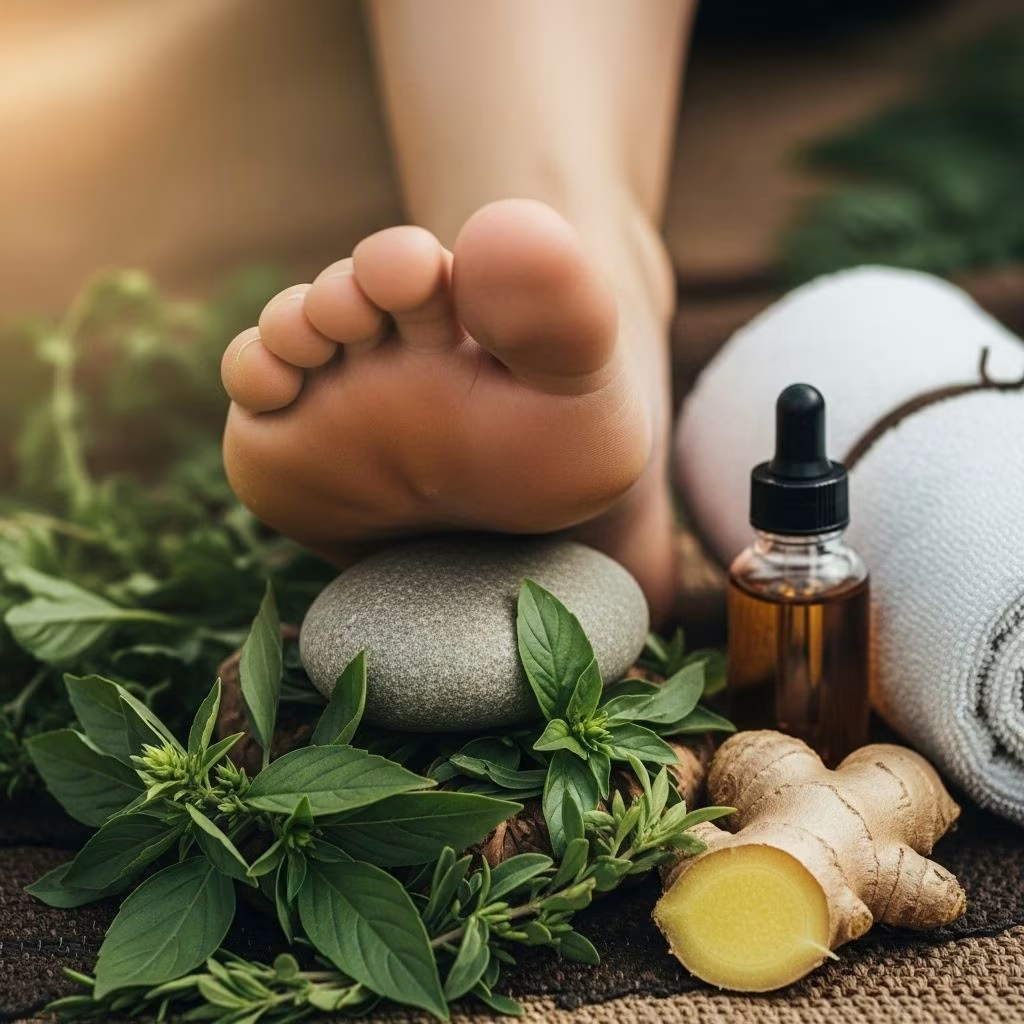
Understanding Plantar Fasciitis
Plantar fasciitis is a common condition characterized by pain in the heel, often caused by inflammation of the plantar fascia—a band of tissue that runs along the bottom of the foot. It typically affects people who engage in repetitive activities that strain the heel, such as long-distance running or wearing poorly fitting shoes.
Natural Remedies for Plantar Fasciitis
Rest and Avoidance
One of the most straightforward treatments for plantar fasciitis is rest. Avoid activities that exacerbate the condition, such as running or jumping, and opt for low-impact alternatives like swimming or cycling.
Ice Therapy
Ice helps reduce inflammation and relieve pain. Apply an ice pack or a frozen water bottle wrapped in a towel to the affected area for 15-20 minutes, two to three times a day.
Stretching
Stretching exercises can help alleviate tension in the plantar fascia. Common stretches include:- Calf Stretch: Stand with your hands on a wall and one foot back about a foot, keeping the heel on the ground. Bend the front knee and lean forward, stretching the calf. Hold for 30 seconds and switch sides.- Heel Raises: Stand with your toes hanging off a step or curb. Slowly raise up onto your toes and then lower back down. Repeat for several sets.
Orthotics and Footwear
Wearing supportive shoes with proper arch support can significantly reduce strain on the plantar fascia. Orthotics or shoe inserts can provide additional support and help distribute pressure evenly across the foot.
Avoiding Overweight
Maintaining a healthy weight can reduce the pressure on your plantar fascia. Losing weight if necessary can help alleviate some of the strain.
Massage and Physical Therapy
Massage techniques, such as rolling a golf ball under the foot, can help relieve tension in the plantar fascia. Physical therapy can also be beneficial in teaching exercises to strengthen the foot muscles and improve flexibility.
Essential Oils
Certain essential oils, like lavender, have anti-inflammatory properties and can be used in foot baths or massages to provide relief.
FAQs
Q: What are the first symptoms of plantar fasciitis?
A: The most common symptom is heel pain, which can be sharp or dull and is often worse in the morning.
Q: How long does it take to recover from plantar fasciitis?
A: Recovery time varies but typically ranges from a few months to a year, depending on the severity and effectiveness of treatment.
Q: Can plantar fasciitis be cured without surgery?
A: Yes, most cases of plantar fasciitis can be managed without surgery through a combination of rest, physical therapy, and lifestyle changes.
Q: Are there any natural treatments that can help immediately?
A: Yes, ice packs, stretching, and massage can provide immediate relief from pain and inflammation.
Q: Can lifestyle changes help prevent plantar fasciitis?
A: Yes, maintaining a healthy weight, wearing supportive shoes, and engaging in low-impact activities can help prevent plantar fasciitis.
References
- https://www.hcahoustonhealthcare.com/healthy-living/blog/plantar-fasciitis-treatment-at-home-6-remedies-to-try-today
- https://www.webmd.com/fitness-exercise/what-can-i-do-plantar-fasciitis
- https://www.cityfoothealth.com/blogs/news/the-ultimate-guide-to-managing-plantar-fasciitis-at-home
- https://www.healthline.com/health/plantar-fasciitis-home-remedies
- https://www.solvingpainwithstrength.com/blog/the-complete-guide-to-treating-plantar-fasciitis-at-home
- https://blog.orthoindy.com/2020/12/23/the-8-best-plantar-fasciitis-home-remedies/
- https://www.yalemedicine.org/news/steps-to-beat-plantar-fasciitis-heel-pain
- https://www.mayoclinic.org/diseases-conditions/plantar-fasciitis/diagnosis-treatment/drc-20354851


