


Natural Remedies for Chronic Joint Pain: How Ayurveda Can Help
Chronic joint pain, affecting millions worldwide, can significantly impair daily life, mobility, and overall well-being. While modern medicine provides symptomatic relief, Ayurveda — India’s ancient holistic healing system — addresses both the symptoms and the root causes. Through natural remedies, tailored lifestyle changes, and time-tested therapies, Ayurveda offers an integrative and sustainable path to joint pain relief and joint health enhancement.
Understanding Chronic Joint Pain: An Ayurvedic Perspective
Ayurveda views joint pain as a multi-factorial health challenge, often arising from an imbalance in the body’s energies, known as doshas. The primary dosha implicated in joint-related issues is Vata, responsible for movement and lubrication within the body. When aggravated, Vata can cause dryness, stiffness, pain, and inflammation in the joints. In some cases, Pitta (heat, inflammation) and Kapha (swelling, accumulation) dosha imbalances also contribute to joint discomfort.
- Vata Imbalance: Leads to dryness, cracking sounds, stiffness, and sharp pain in joints.
- Pitta Imbalance: Causes hot, inflamed, and painful joints with redness.
- Kapha Imbalance: Results in swollen, heavy, and stiff joints with fluid accumulation.
According to Ayurveda, joint pain often stems from the accumulation of ama (toxins) and improper digestion, in addition to dosha imbalance. Therefore, Ayurvedic treatment aims to balance the doshas, improve digestion, eliminate toxins, and rejuvenate joint tissues.
Common Causes of Chronic Joint Pain
Understanding the root causes is crucial for targeted healing. Chronic joint pain can stem from:
- Arthritis (Osteoarthritis, Rheumatoid Arthritis, Gout)
- Injury and strain due to repetitive stress
- Obesity leading to excess pressure on weight-bearing joints
- Poor digestion and accumulation of ama (toxins)
- Imbalanced lifestyle, including lack of exercise, poor nutrition, and chronic stress
Ayurvedic Approach to Joint Pain: Holistic Healing Principles
Ayurveda treats joint pain through a combination of preventive and curative methods, targeting the root cause rather than suppressing symptoms. Key principles include:
- Restoring dosha balance, especially Vata
- Improving digestive fire (Agni) to prevent toxin buildup
- Eliminating ama (toxins) from the body’s tissues
- Strengthening and lubricating joints using herbs and medicated oils
- Promoting circulation and reducing stress through yoga and mindfulness
- Personalizing care based on the individual’s dosha constitution
Natural Ayurvedic Remedies for Chronic Joint Pain
1. Potent Ayurvedic Herbs for Joint Support
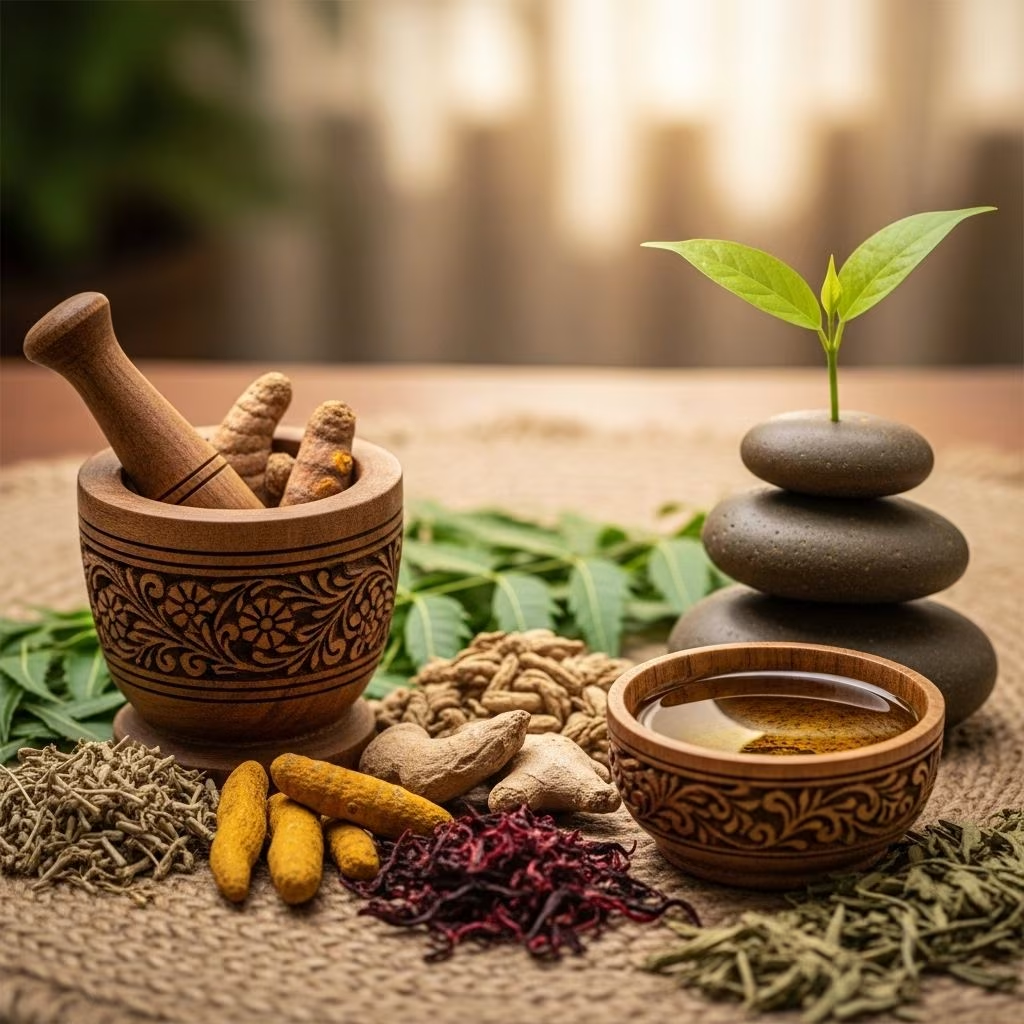
- Turmeric (Curcuma longa): The curcumin in turmeric delivers robust anti-inflammatory and antioxidant effects, reducing swelling and pain in arthritic joints. Consuming turmeric in teas, food, or high-quality supplements provides continuous relief.
- Ginger (Zingiber officinale): Known for its warming, Vata-balancing properties, ginger reduces inflammation and soothes discomfort. Ginger tea, fresh ginger in food, or topical ginger pastes enhance joint mobility.
- Shallaki (Boswellia serrata): This resin contains boswellic acids, clinically shown to decrease joint swelling, restore cartilage, and increase flexibility. Shallaki is often found in Ayurvedic capsules and joint formulations.
- Ashwagandha (Withania somnifera): Widely valued as a Rasayana (rejuvenative herb), ashwagandha combats oxidative stress and strengthens joints and muscles, especially helpful for people with chronic pain conditions.
- Dashmula: An ancient blend of ten roots, Dashmula reduces inflammation and Vata excess, providing deep relief from joint swelling, stiffness, and pain.
- Guggulu (Commiphora mukul): This gum resin clears ama and excess Kapha, promoting easier movement and relief from chronic rheumatic pain.
2. Traditional Ayurvedic Oils for Joint Massage
- Mahanarayan Oil: An herbal oil prized for deep tissue support, used to alleviate muscle and joint pain by nourishing and lubricating affected areas.
- Karpooradi Thailam: Infused with camphor, this oil cools, soothes, and relaxes joints and muscles, especially useful for soreness and arthritis pain.
- Dashmula Oil: Helps reduce Vata inflammations when massaged on swollen or stiff joints.
Massage (Abhyanga) with warm herbal oils improves circulation, relieves pain, facilitates toxin elimination, and restores flexibility to rigid joints.
Ayurvedic Therapies and Treatments for Joint Pain Relief
Beyond herbs and oils, Ayurveda prescribes therapies that target both the cause and the symptoms for holistic healing.
- Panchakarma (Detox Therapy): Deep cleansing procedures like Basti (medicated enemas), Virechana (purgation), and Abhyanga (oil massage) expel toxins and rebalance doshas.
- Upanaha Sweda: Application of warm medicinal poultices on painful joints to reduce swelling, enhance tissue healing, and improve circulation.
- Janu/Kati Vasti: Retaining medicated warm oil over joints (knee/lumbar area), which penetrates deeply to reduce pain and stiffness.
- Pizhichil: Repeated pouring of warm medicated oil over the body/joints, perfect for chronic pain and to restore joint mobility.
- Pottali Sweda: Herbal pouches (boluses) dipped in warm oil and massaged over joints to reduce Vata and Pitta imbalances, energize muscles, and relieve chronic pain for elders.
Dietary Guidelines for Joint Health in Ayurveda
Nutrition is a crucial foundation for joint health. Ayurveda emphasizes foods that pacify aggravated dosha(s) and reduce the formation of toxins.
- Favor warm, light, and easy-to-digest foods like stewed vegetables, lentil soups, and lightly spiced grains.
- Include anti-inflammatory spices such as turmeric, ginger, garlic, cinnamon, and black pepper.
- Eat seasonal fruits and green leafy vegetables to supply antioxidants and support tissue repair.
- Avoid cold, processed, oily, and heavy foods that hinder digestion and promote toxin accumulation.
- Limit excess dairy, sugar, salt, and fried items to control inflammation.
- Hydrate with warm water and herbal teas, aiding digestion and lubrication.
Lifestyle Practices for Sustainable Joint Relief
Ayurveda’s holistic path incorporates daily practices and mindful living for ongoing well-being:
- Exercise regularly with gentle yoga, joint-friendly stretches, and walking to maintain flexibility and strengthen supportive muscles.
- Follow a daily routine (Dinacharya) — waking early, self-massage, regular meals, and relaxation rituals support circadian balance.
- Practice Pranayama (breathing exercises) for oxygenation and reduction of physical or mental stress, which aggravates joint issues.
- Manage stress through meditation and mindfulness, lessening the inflammation and tension that worsen joint pain.
- Prioritize quality sleep to allow bodily repair and inflammatory processes to ease.
- Monitor exposure to cold weather and dampness, as these can worsen Vata-related joint pain. Dress warmly and avoid sudden chills.
Mind-Body Connection and Joint Health
The mental state has a profound effect on physical pain. Chronic stress, worry, or fatigue often exacerbate joint discomfort. Ayurveda highlights the following:
- Meditation and mindfulness practices calm the mind, balance Pitta, and ease stress-induced pain.
- Gentle breathing and guided relaxation synchronize the nervous system, supporting holistic healing.
Yoga for Joint Mobility and Pain Reduction
Incorporating yoga into your regimen enhances flexibility, strengthens supportive muscles, and reduces stiffness. Start with beginner-friendly, low-impact asanas and seek expert guidance for chronic conditions.
- Cat-Cow (Marjaryasana-Bitilasana)
- Child’s Pose (Balasana)
- Bridge Pose (Setu Bandhasana)
- Supported Warrior Poses (Virabhadrasana I & II)
- Gentle stretches and rotations of ankles, knees, wrists, and shoulders
Combining yoga, pranayama, and Ayurvedic therapies often delivers cumulative benefits over time.
Frequently Asked Questions (FAQs)
Q: How soon can one expect relief from Ayurvedic remedies for joint pain?
A: Relief varies per individual, severity, and chronicity. Mild to moderate pain may improve within weeks of consistent lifestyle changes and remedies, while chronic conditions generally need longer and ongoing care. Ayurveda emphasizes a holistic, root-cause approach, not quick fixes.
Q: Are Ayurvedic remedies safe with other medications?
A: Ayurvedic herbs and treatments are generally safe but can interact with certain medications. Always consult a trained Ayurvedic practitioner and your physician before integrating Ayurvedic remedies into your regimen.
Q: Can Ayurveda completely cure arthritis?
A: While Ayurveda can significantly reduce pain, inflammation, and improve quality of life, complete cure depends on the type and stage of arthritis. Early intervention offers better outcomes. Advanced cases benefit from pain reduction, improved mobility, and better joint health maintenance.
Q: Are there any side effects of Ayurvedic oils and massages?
A: Side effects are rare when therapies are personalized and performed by trained therapists. Allergic skin reactions are possible. Always use authentic products and consult practitioners for guidance, especially with chronic or sensitive skin conditions.
Q: How can diet impact joint health according to Ayurveda?
A: Diet directly influences tissue nourishment, toxin accumulation, and dosha balance. Following a personalized, easy-to-digest, anti-inflammatory diet is crucial for preventing and managing joint pain in Ayurveda.
Key Takeaways: Embarking on the Ayurvedic Path to Joint Relief
- Ayurveda provides a comprehensive approach — addressing both root causes and symptoms of chronic joint pain.
- Herbal remedies, medicated oils, and therapies alleviate pain, improve flexibility, and promote tissue healing holistically.
- Personalized lifestyle practices, including diet, yoga, stress management, and regular routines, are foundational for sustained relief.
- Always seek expert guidance for safe and optimal integration of Ayurvedic remedies, especially if you have underlying health conditions.
By embracing the wisdom of Ayurveda, individuals with chronic joint pain can achieve not just symptomatic relief, but also improved mobility, vitality, and overall quality of life.
References
- https://ayurda.com/blogs/ayurvedic-health/natural-remedies-for-joint-pain-and-arthritis
- https://www.banyanbotanicals.com/pages/ayurvedic-guide-to-joint-health
- https://ayurved.dpu.edu.in/blogs/unlocking-power-ayurvedic-herbs-joint-pain-relief
- https://www.pravaayu.com/blog/ayurvedic-therapies-and-home-remedies-for-joint-pain-relief
- https://www.healthline.com/health/ayurvedic-treatment-for-arthritis
- https://oneworldayurveda.com/blog/joint-pain-an-ayurvedic-perspective/
- https://keralaayurveda.biz/blogs/news/ayurvedic-treatment-for-relief-from-joint-pain
- https://srisriayurvedahospital.org/ayurveda-effective-joint-pain-relief/
- https://ayurved.dpu.edu.in/blogs/ayurvedic-herbs-for-joint-pain
- https://www.youtube.com/watch?v=Rnqk62jMcBM


