


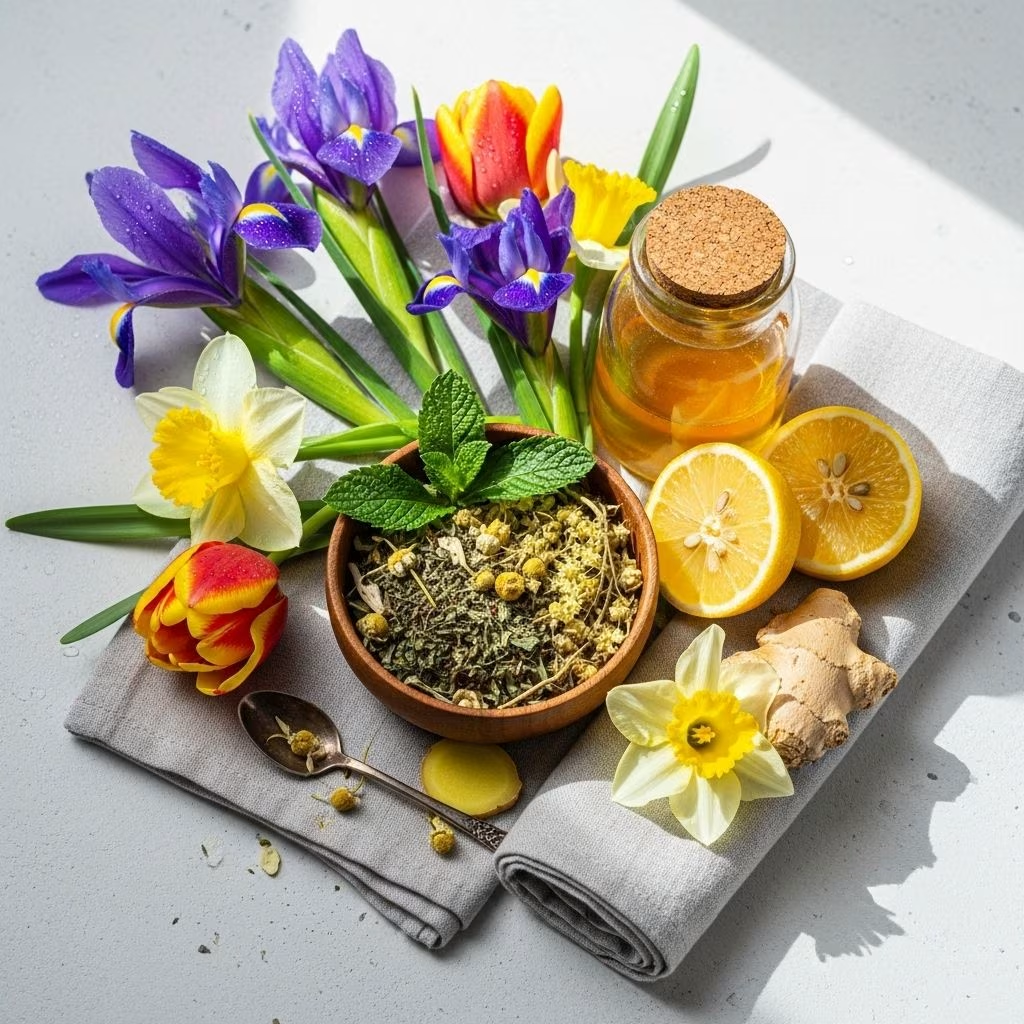
Hay fever, also known as allergic rhinitis, is a widespread problem affecting millions every year, particularly during spring and summer when pollen counts are high. Symptoms like sneezing, itchy or watery eyes, nasal congestion, and even headaches can significantly disrupt daily life. While medications such as antihistamines provide relief, many prefer to explore natural remedies for hay fever for their effectiveness and fewer side effects. Here, we delve into the most up-to-date expert advice and science-backed solutions to help keep allergy symptoms at bay naturally.
Understanding Hay Fever: Causes and Common Symptoms
Hay fever is an allergic reaction to airborne substances such as pollen, dust mites, mould spores, and pet dander. The body’s immune system perceives these harmless substances as threats, releasing chemicals like histamine, which trigger symptoms. The intensity of symptoms is usually worse during warm, dry, and windy periods when pollen levels are highest.
- Common symptoms include:
- Runny or itchy nose
- Watery, red, or itchy eyes
- Stuffy or blocked nasal passages
- Sneezing
- Sore throat and cough
- Fatigue and headaches
While some people are affected mainly in spring and summer (seasonal hay fever), others may react throughout the year to indoor allergens.
The Top 10 Natural Remedies for Hay Fever
If you’re aiming to manage hay fever symptoms with fewer drugs or find extra relief alongside medical treatments, these expert-backed natural remedies can help.
1. Include Probiotic Foods for Better Gut and Immune Health
Recent advances highlight the strong link between gut health and immune response to allergens. Probiotics—beneficial bacteria found in foods like sauerkraut, kimchi, and kefir—may help regulate immune function and reduce allergy flare-ups. Studies indicate that probiotic strains such as Lactobacilli and Bifidobacteria can increase the body’s regulatory T cells, calming overreactions to pollen and other allergens.
- Choose fermented vegetables (e.g., sauerkraut, kimchi) before and during allergy season.
- Note: While kefir is probiotic-rich, avoid dairy-based probiotics if you’re prone to excess mucus, as dairy may worsen congestion.
- Consult your doctor before significantly increasing fermented foods, particularly if you have high histamine levels.
2. Stock Up on Vitamin C
Vitamin C is celebrated for its immune-boosting effects, but it also acts as an antihistamine and antioxidant. Foods rich in this nutrient, such as citrus fruits, peppers, broccoli, blackcurrants, blueberries, and rosehips, can help reduce inflammation and ease hay fever symptoms.
- Blueberries and carrots are especially potent due to their high levels of vitamin C and additional anti-inflammatory compounds.
- Vitamin C supplements are an option if dietary sources aren’t sufficient.
3. Swap Alcoholic Drinks for Allergy-Friendly Alternatives
Alcoholic beverages, notably wine and beer, often contain histamines and other compounds that can worsen hay fever symptoms. If you notice your symptoms intensify with alcohol, consider reducing intake or choosing clear spirits like vodka, which generally contain fewer histamines.
- Monitor your reactions after alcohol to identify personal triggers.
- Hydrate well if you do consume alcohol.
4. Add Ginger for Its Anti-Inflammatory Effects
Ginger is packed with natural anti-inflammatory compounds and antioxidants, making it a valuable addition to your diet during hay fever season. It may help reduce swelling of the nasal passages and ease congestion and sneezing.
- Add fresh ginger to smoothies, teas, or stir-fries.
- Ginger can complement other remedies, such as vitamin C-rich foods.
5. Prioritize a Balanced, Anti-Inflammatory Diet
Your overall diet plays a role in how your immune system responds to allergens. Favor foods that are:
- Rich in vitamins A, C, K, and E
- High in antioxidants (berries, leafy greens, colorful vegetables)
- Low in processed ingredients and artificial additives
Avoiding excess sugar and junk foods can further reduce general inflammation, amplifying your resistance to pollen and other triggers.
6. Try Herbal Teas, Especially Green Tea & Nettle Tea
Green tea contains natural compounds (like epigallocatechin gallate, or EGCG) that may block allergic responses in the body. Studies from Japan suggest regular green tea consumption may relieve typical allergy symptoms.
Nettle tea is also commonly used to address hay fever by acting as a mild antihistamine. While robust scientific support is limited, anecdotal evidence and traditional use suggest it may help reduce sneezing and congestion.
7. Try Steam Inhalation for Natural Decongestion
Inhaling steam is a classic way to relieve nasal congestion, one of the most stubborn hay fever symptoms. Evidence suggests that steam can loosen mucus and soothe inflamed nasal passages, providing temporary yet effective relief.
- Use a bowl of hot water and a towel, breathing deeply through the nose.
- Add a few drops of essential oils such as eucalyptus or peppermint for added decongestion and soothing effects.
Perform steam inhalation as needed, such as before bedtime to improve sleep when symptoms are severe.
8. Invest in a Barrier Balm for Pollen Protection
A simple yet effective strategy is to apply a natural barrier balm to the inside of your nostrils. This sticky layer traps pollen and prevents it from entering your nasal passages before it can trigger symptoms.
- Natural options include coconut oil or commercial products like Haymax.
- Barrier balms can be used in combination with other treatments and are gentle enough for frequent use.
9. Practice Nasal Irrigation to Remove Allergens
Nasal irrigation—rinsing nasal passages with a saline solution—has strong scientific backing for reducing nasal symptoms in hay fever sufferers, including children and pregnant women who may avoid medication.
- Use a neti pot or a saline nasal rinse kit once or twice daily during allergy season.
- Both physiological (normal) and hypertonic (saltier) saline solutions can be used, with the latter sometimes providing enhanced symptom control.
- Nasal irrigation can decrease reliance on medication by about 30%, helping maintain the same level of symptom relief.
10. Maintain a Clean Environment and Allergy-Proof Your Space
Limiting your exposure to pollen and other allergens is one of the simplest but most effective natural approaches. Consider these practical tips:
- Stay indoors when pollen levels are high (typically mid-morning and early evening).
- Avoid drying laundry outdoors during peak pollen times.
- Keep windows closed, especially in bedrooms and in the car, to prevent pollen from entering.
- Shower and change clothes as soon as you return home to remove pollen residues from skin and hair.
- Wear wraparound sunglasses to keep pollen out of the eyes.
- Dust and vacuum your living space regularly using a HEPA filter.
Additional Natural Therapies and Lifestyle Tips
Butterbur and Other Herbal Supplements
Some herbal remedies, such as butterbur, have shown promise as natural antihistamines, with research in Switzerland suggesting effectiveness similar to conventional medications—but without causing drowsiness. Always buy herbal supplements from reputable sources and consult your doctor first.
Acupuncture
Although supporting scientific evidence is growing, acupuncture may help reduce inflammation and modulate immune responses, providing relief to some hay fever sufferers.
Spicy Foods
Hot foods like cayenne pepper and garlic can ease nasal and sinus congestion due to natural compounds (like capsaicin and allicin) that thin mucus and relieve inflammation.
Common Myths: Do Local Honey and Other Popular Remedies Work?
The idea that local honey can relieve hay fever symptoms is a common myth. Scientific consensus indicates that eating honey does not reduce sensitivity to pollen, as bees mainly collect nectar from flowers, which are not the primary cause of hay fever symptoms. Instead, focus on the proven methods above.
Medical Treatments and When to Seek Help
Over-the-counter antihistamines, nasal steroids, and eye drops provide effective relief for many people. For persistent, severe symptoms, your doctor might recommend allergy shots (immunotherapy) or prescribe stronger medications.
Immunotherapy: A Long-Term Solution
Immunotherapy involves regularly introducing small, controlled amounts of allergen (often via injection or tablets under the tongue) to train your body to stop overreacting. It’s most beneficial for those with severe or year-round symptoms and may offer long-term relief.
Table: Popular Natural Remedies and Their Benefits
| Remedy | Main Benefit | How to Use | Notes |
|---|---|---|---|
| Probiotics (e.g., kimchi, sauerkraut) | Immune modulation | Daily in diet, avoid dairy if congested | Consult if histamine-sensitive |
| Vitamin C-rich foods | Antihistamine, antioxidant | Fresh fruits/vegetables, or supplements | Daily intake advised |
| Steam inhalation | Decongestion | Bowl of hot water, inhale deeply | Add essential oils (eucalyptus, peppermint) |
| Barrier balm | Blocks pollen entry | Apply to nostrils before going outside | Coconut oil, Haymax |
| Nasal irrigation | Allergen removal | Neti pot or saline spray | 1-2 times daily during allergy season |
| Green tea | Blocks allergic response | 1-2 cups daily | May reduce sneezing, itchy eyes |
| Butterbur | Natural antihistamine | Follow supplement directions | Consult doctor before use |
Prevention Tips: How to Reduce Exposure and Symptom Severity
- Monitor daily pollen forecasts—adjust outdoor activities accordingly.
- Keep bedroom windows closed and use air purifiers with HEPA filters.
- Change clothes and shower immediately after coming indoors.
- Wash bedding weekly at high temperatures.
- Avoid outdoor activity during peak pollen times (early morning, late afternoon).
Frequently Asked Questions (FAQs)
Q: Can natural remedies completely cure hay fever?
A: No, natural remedies help manage and reduce symptoms but do not cure hay fever. Many people need a combination of lifestyle changes and, at times, medication for full control.
Q: Is it safe to use several natural remedies together?
A: Yes, strategies like dietary changes, barrier balm, and steam inhalation are safe to combine. Always check with your doctor if you have underlying conditions, use supplements, or are pregnant.
Q: How soon before allergy season should I start these remedies?
A: Ideally, begin with dietary and lifestyle adjustments a few weeks before pollen season to give your immune system optimal support. Continue throughout the allergy season as needed.
Q: Are children and pregnant women able to use these approaches?
A: Many natural remedies, such as nasal irrigation and diet, are suitable for children and pregnant women, but always consult with a healthcare provider first.
Q: Does local honey work for hay fever?
A: No scientific evidence supports the use of local honey to reduce hay fever symptoms. Focus on scientifically supported remedies for best results.
Summary: Building a Holistic Approach to Hay Fever Relief
Hay fever need not disrupt your enjoyment of spring and summer. Combining proven natural remedies, vigilant prevention tactics, and—in some cases—medical treatments can offer significant relief. Tailor these expert-backed strategies to your needs and consult a medical professional for persistent or severe symptoms.
References
- https://www.womanandhome.com/hay-fever-natural-remedies/
- https://blog.providence.org/blog/what-is-hay-fever-symptoms-and-tips-providence
- https://www.womanandhome.com/health-wellbeing/health-wellbeing-news/dr-amir-khan-how-to-prevent-hay-fever/
- https://blog.ochsner.org/articles/8-natural-ways-to-beat-spring-allergies/
- https://pmc.ncbi.nlm.nih.gov/articles/PMC8638355/
- https://www.loyolamedicine.org/newsroom/blog-articles/seasonal-allergy-relief
- https://www.womenshealthmag.com/uk/health/a37046360/natural-remedies-for-hayfever/
- https://www.toplinemd.com/allergy-institute/hay-fever-tips-how-to-beat-hay-fever/


