


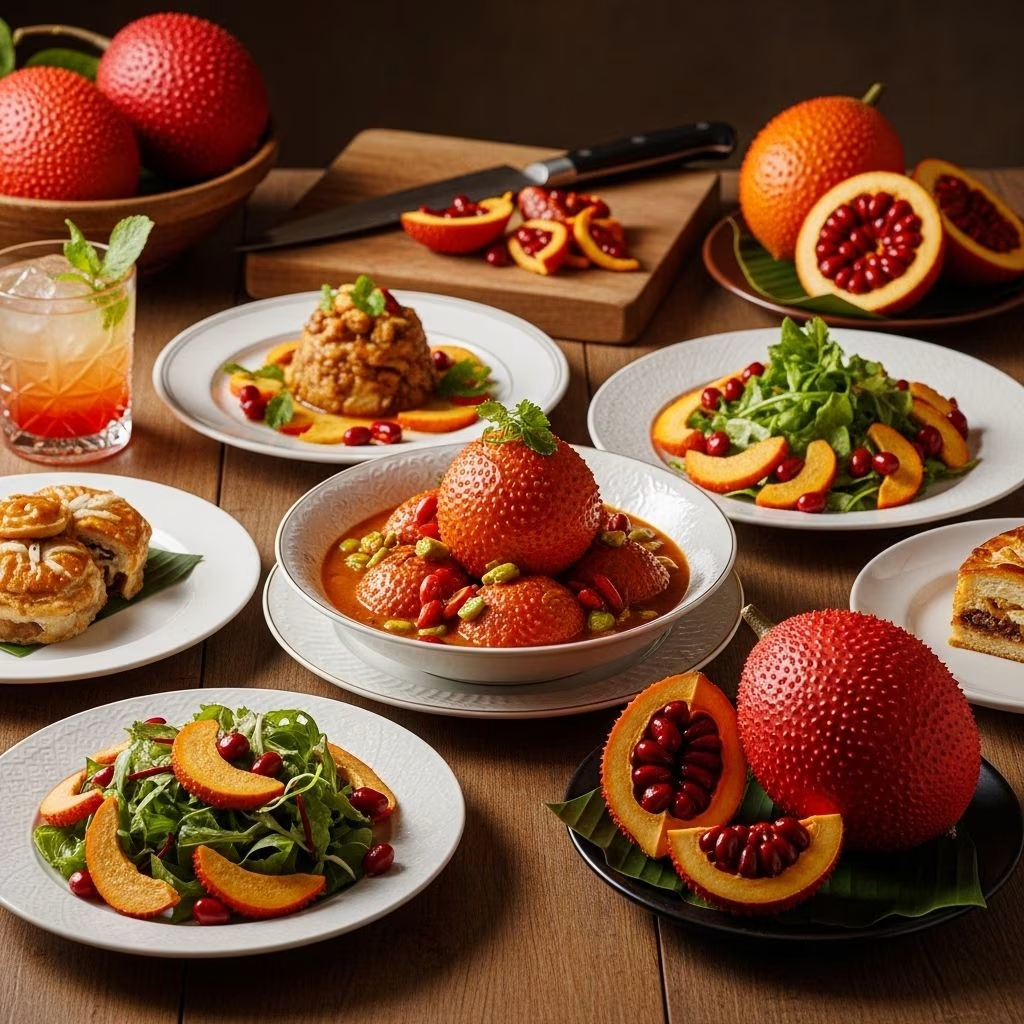
Gac fruit, sometimes known as “Baby Jackfruit” or Momordica cochinchinensis, is a vibrant orange-red fruit native to Southeast Asia. Famous for its high antioxidant content and striking color, Gac is a unique ingredient prized in both traditional and modern cuisine. This guide explores the best Gac fruit recipes, provides step-by-step cooking instructions, and shares expert tips for achieving perfect results—whether preparing classic Vietnamese Xoi Gac (red sticky rice) or exploring innovative culinary creations.
Why Cook with Gac Fruit?
Gac fruit stands out for its vivid color and its nutritional profile. It is exceptionally rich in lycopene, beta-carotene, and vitamin E. Its subtle sweetness and natural pigments make it highly valued, especially in celebratory dishes throughout Vietnam and the broader Southeast Asian region. Cooking with Gac not only produces visually stunning plates but also boosts the health quotient of your meals.
- Cultural significance: Used in signature dishes for festive occasions and Lunar New Year.
- Antioxidant powerhouse: Contains up to 70 times more lycopene than tomatoes and 10 times more beta-carotene than carrots.
- All-natural coloring: Adds a brilliant red or orange hue to foods without artificial dyes.
- Versatility: Integrates well in both sweet and savory recipes.
How to Prepare Gac Fruit for Cooking
Proper preparation is essential to unlock Gac fruit’s intense color and mild flavor. Here’s how to select, open, and process the fruit for cooking:
Step 1: Selecting the Perfect Gac Fruit
- Look for fruit with bright orange-red skin that yields slightly to pressure.
- Choose fruits without cracks or blemishes.
Step 2: Opening and Extracting the Arils
- Use gloves to avoid staining your hands.
Gac arils can leave a persistent red pigment on skin and clothes. - Cut the fruit in half lengthwise with a sharp knife.
- Scoop out the red arils (the soft flesh and seeds) into a bowl.
Step 3: Separating the Flesh from the Seeds
- Add a small amount of white wine, sake, or cooking wine to the arils (about 1 tbsp per fruit) to enhance aroma and aid extraction.
- Gently squeeze and massage the mixture to separate the soft flesh from the hard black seeds.
- Discard the seeds or save them for decorative purposes.
This gac pulp or ‘paste’ is now ready for use in recipes!
Classic Xoi Gac (Vietnamese Red Sticky Rice) Recipe
Xoi Gac is the most famous Gac fruit dish and quintessential at Vietnamese weddings, Lunar New Year, and key celebrations. Its resonant red-orange color symbolizes luck and prosperity.
Ingredients
- 2 cups glutinous (sweet) rice
- 1 cup Gac paste (from 1 fresh fruit or equivalent frozen arils)
- 2 tbsp sake (or white wine)
- 1/2 tsp salt
- 1/2 cup coconut milk (optional for richer flavor)
- 4 tsp granulated sugar (adjust to taste)
- Toppings: black sesame seeds, extra sugar, or coconut shreds (optional)
Step-by-Step Cooking Instructions
- Rinse and soak the rice: Wash the glutinous rice 3-5 times until water runs clear. Soak for at least 4 hours, or overnight, for best texture.
- Prepare the Gac paste: If using fresh fruit, follow preparation steps above. Mix Gac pulp with sake and salt until you get a smooth, red paste.
- Mix rice and Gac: Drain soaked rice. Combine with the Gac paste thoroughly to evenly coat each grain.
- Steam the mixture: Line a steamer basket with perforated parchment or banana leaf. Add the gac-rice blend, cover, and steam for 20-25 minutes until tender.
- Enrich and sweeten: Add coconut milk and sugar to the steamed rice. Stir and steam an additional 5 minutes for full flavor infusion.
- Serve: Mold into shapes (optional) and garnish with black sesame, extra sugar, or coconut shreds for added complexity.
Alternate Cooking Method: Rice Cooker
- Follow steps 1-3 above, mixing Gac paste and rice in the rice cooker bowl.
- Add just enough water or coconut milk to cover the rice by half an inch.
- Cook on the normal rice setting, stir halfway through, and repeat the cooking cycle once if needed for maximum stickiness.
| Method | Result | Notes |
|---|---|---|
| Traditional Steamer | Chewy, glossy, well-separated grains | Best flavor & texture |
| Rice Cooker | Slightly softer, more pudding-like | Convenient & hands-off |
Modern & Creative Gac Fruit Recipes
Beyond Xoi Gac, Gac fruit’s color and nutrition inspire creative uses in both sweet and savory spheres. Here are some innovative ideas and quick recipes to expand your repertoire:
Gac Smoothies & Bowls
- Gac-Banana Smoothie: Blend 1/2 cup gac paste, 1 banana, 1/2 cup coconut milk, honey, and ice. The result is a superfood smoothie rich in vitamins and antioxidants.
- Tropical Gac Bowl: Mix gac arils with diced mango, pineapple, chia seeds, and granola for a vibrant breakfast or snack bowl.
Gac Fruit Jelly/Jam
- Simple Gac Jam: Simmer gac paste with sugar and lemon juice until thickened. Spread on toast or use as a dessert topping.
- Gac Agar Jelly: Dissolve agar-agar powder in coconut milk and sugar, then mix in gac paste and pour into molds. Chill for a beautiful, healthy dessert.
Gac Ice Cream & Popsicles
- Combine gac pulp with condensed milk and coconut cream, churn, and freeze for a brilliant orange-pink ice cream.
- For popsicles, mix gac paste with yogurt and honey, then freeze in molds.
Gac Savory Dishes
- Add gac paste into rice porridge (congee), risotto, or as a natural colorant for dumpling wrappers and noodles.
- Blend gac arils into curry bases for enhanced color and nutrition.
Gac Baked Goods
- Use gac puree in muffins, mochi, or steamed rice cakes for a unique color twist.
Expert Tips: Cooking Gac Fruit Perfectly
- Always wear gloves when handling fresh gac to avoid staining your hands.
- Mix gac paste with a touch of wine or sake to extract more color and aroma.
- For sticky rice, soak rice overnight for the most tender, chewy result.
- Don’t add sugar at the start of steaming—sweeten near the end to avoid tough rice texture.
- When preparing sweet dishes, coconut milk greatly enhances flavor and richness.
- Use frozen gac arils as a convenient substitute when fresh fruit is unavailable, following the same preparation steps.
- Leftover gac paste can be frozen for later use without losing intensity.
Nutritional Benefits of Gac Fruit
Gac is considered a functional or superfood due to its dense concentration of key nutrients:
- Lycopene: Supports heart health and protects against oxidative stress.
- Beta-carotene: Vital for vision health and immune function.
- Vitamin C and E: Essential antioxidants for skin and immunity.
- Contains natural fatty acids that improve nutrient absorption when cooked with oil or coconut milk.
Regular consumption may support healthy vision, skin appearance, and general wellbeing.
Frequently Asked Questions (FAQs)
Q: Where can I buy Gac fruit or gac arils?
You can find fresh or frozen Gac fruit at many Southeast Asian markets, select specialty fruit stores, or online grocers. Frozen arils are more readily available off-season.
Q: Are Gac seeds edible?
No, Gac seeds are hard and inedible. Only use the soft red arils/flesh encasing the seeds. The seeds can be saved for planting.
Q: Can I make Xoi Gac without coconut milk?
Yes, coconut milk adds richness but is optional. You can use water or a mix of water and coconut cream, adjusting sweetness and salt to taste.
Q: How do I store leftover Gac rice?
Cool to room temperature, transfer to an airtight container, and refrigerate for up to 3 days. Reheat in a steamer or microwave with a sprinkle of water to soften.
Q: What does Gac fruit taste like?
Gac has a mild, slightly sweet and earthy flavor. It’s not as tart or aromatic as papaya or mango, making it adaptable in a wide range of recipes.
Q: Can I freeze Gac arils?
Yes, fresh gac arils freeze well for 3-6 months and retain both color and nutrient content.
Final Thoughts
Gac fruit is a culinary treasure—its vibrant pigment, health benefits, and adaptability set it apart. From the storied Xoi Gac to colorful jellies and nourishing smoothies, there’s no shortage of delicious possibilities for home cooks eager to explore. With this guide, you’re ready to make the best of this extraordinary fruit and introduce its color and nutrition to your kitchen!
References
- https://mamasnowcooks.com/recipe/vietnamese-gac-sticky-rice-cooked-in-rice-cooker/
- https://theravenouscouple.com/2009/12/xoi-gac-red-sticky-rice-recipe.html
- https://www.cooking-therapy.com/xoi-gac/
- https://www.atmykitchentable.com/2013/07/gac-fruit-sticky-rice-cakes/
- https://www.youtube.com/watch?v=nUb687B9xlA
- https://www.youtube.com/watch?v=P0Lc1iX1X6Y
- https://www.growables.org/informationVeg/MomordicaCochRecipe.htm


