


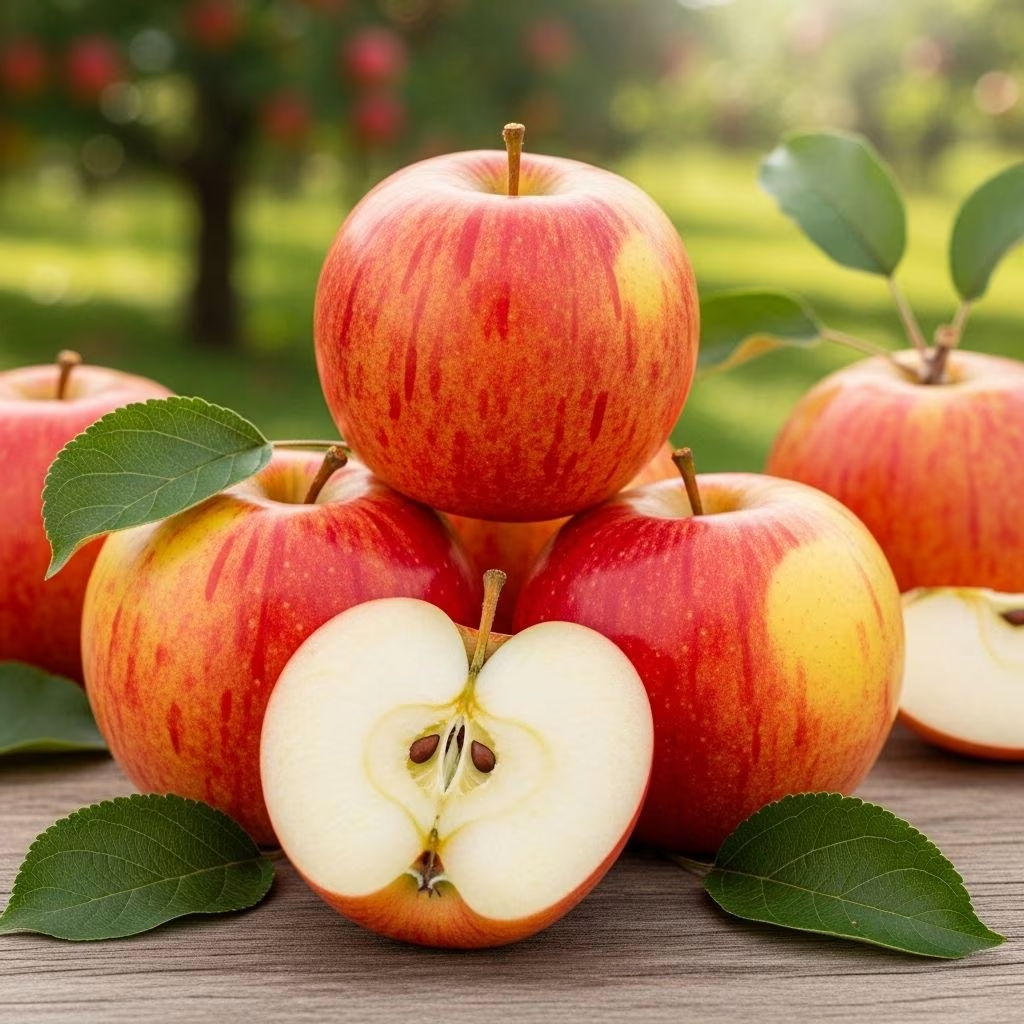
Gala apples have become a staple in supermarkets and orchards worldwide, prized for their reliable sweetness, bright appearance, and versatility in use. This in-depth guide explores everything you need to know about Gala apples, from their history and flavor profile to their nutritional benefits and popular culinary applications. Whether you’re a consumer, a home cook, or an aspiring orchardist, understanding Gala apples will help you enjoy them to the fullest.
Introduction
Gala apples (Malus domestica ‘Gala’) are celebrated for their crisp, juicy, and sweet flavor profile, attractive coloration, and adaptability to various climates. Originating from New Zealand in the 1930s and now cultivated globally, these apples have charmed consumers and growers alike for nearly a century. Today, Gala apples are among the most widely grown and consumed varieties, loved as a snack, in salads, baked goods, and juices.
History and Origin of Gala Apples
The Gala apple was first developed in New Zealand by orchardist J.H. Kidd. It is a hybrid, resulting from a cross between Kidd’s Orange Red and Golden Delicious apples. Because Kidd’s Orange Red is itself a cross involving Cox’s Orange Pippin and Delicious, the Gala apple lineage uniquely combines qualities from some of the world’s best-loved apples.
- Year Introduced: 1934 (commercialized in the 1960s)
- Original Location: New Zealand
- Parentage: Kidd’s Orange Red × Golden Delicious
This promising parentage has resulted in an apple that is not only attractive and flavorful but also adaptable, with low chill requirements—making it suitable for a wide range of climates.
Physical Characteristics
| Attribute | Details |
|---|---|
| Size | Small to medium, 5–7 cm in diameter |
| Shape | Round to conical |
| Skin | Thin, smooth, yellow-orange background with red/pink blush and striping |
| Flesh | Ivory to pale yellow, fine-grained, crisp yet pleasantly tender |
| Seeds | Dark brown, flat |
The coloration of Gala apples can vary as the season progresses, starting with lighter yellow-orange and developing deeper reds by harvest. The thin skin can bruise easily but adds to the fruit’s delicate crunch.
Taste & Flavor Profile
- Primary Taste: Mildly sweet, with low acidity
- Texture: Juicy, crisp, and slightly tender
- Flavor Notes: Fruity and floral undertones; hints of vanilla, apple blossom, and pear
- Aroma: Perfumed, subtly floral
Home-grown or freshly picked Galas may exhibit more intense sweetness and complexity compared to those stored for long periods or shipped long distances. The pronounced pear-like quality is sometimes noted in the freshest samples.
Nutritional Benefits
Gala apples, like most apples, are low in calories yet high in beneficial nutrients. Here is an overview of their nutritional profile per 100g serving (approximate):
| Nutrient | Per 100g |
|---|---|
| Calories | 52 kcal |
| Carbohydrates | 14 g |
| Dietary Fiber | 2.4 g |
| Sugars | 10 g |
| Protein | 0.3 g |
| Vitamin C | 5 mg (8% of Daily Value) |
| Potassium | 107 mg |
Apples also contain a variety of antioxidants, polyphenols, and trace vitamins, all contributing to their reputation as a healthful snack.
Health Benefits of Gala Apples
- Supports Digestive Health: Dietary fiber aids digestion and promotes regularity.
- Weight Management: Low in calories and fat, apples are an ideal snack for healthy diets.
- Antioxidant Protection: Rich in vitamin C and polyphenols, they help fight oxidative stress.
- Heart Health: Fiber and antioxidant compounds may lower cholesterol and support cardiovascular health.
- Hydration: High water content helps maintain hydration levels.
Studies associate apple consumption with a lower risk of chronic diseases, such as heart disease, because of these combined nutrients and phytochemicals.
Culinary Uses
Gala apples are a favorite in kitchens for their sweet flavor, crisp texture, and beautiful appearance. They can be consumed raw or cooked, making them a versatile ingredient for many dishes:
- Fresh Eating: Enjoy whole, sliced, or added to fruit and green salads.
- Baking: Their natural sweetness and firm texture hold up well in pies, crisps, muffins, and cakes.
- Cooking: Suitable for sauces, compotes, or lightly sautéed apple slices.
- Juicing and Smoothies: Adds natural sweetness and aroma.
- Canning and Preserving: Popular for making apple butter, preserves, or dried apple snacks.
Tip: Because their flesh is slow to brown after cutting, Gala apples work beautifully on fruit platters and in lunchboxes. They also blend well with other apple varieties in baked dishes.
How to Grow Gala Apples
Gala apple trees are popular among home orchardists and commercial growers for their consistent yields and adaptability. Here are the basics:
- Climate: Suitable for USDA zones 5–8; low chill requirement (500–700 chill hours)
- Tree Size: Semi-dwarf: 12–15 ft mature height; Standard: up to 15 ft
- Flowering Season: Early to mid-May
- Harvest Season: Late September to early October (varies by region)
- Growth Form: Upright, rounded
- Soil: Loamy, rich, well-draining; pH 6.0–7.0
- Sunlight: Full sun (6–8 hours daily)
Pollination and Care
- Pollination: Gala apples are not self-pollinating; plant a compatible pollinator such as Fuji, Granny Smith, or Honeycrisp nearby for best fruit set.
- Pruning: Annually in late winter to encourage airflow and remove dead wood.
- Pests and Diseases: Watch for aphids, codling moths, and apple scab; manage with good orchard practices and, if needed, organic or targeted chemical controls.
- Fertilization: Apply a balanced fertilizer in spring (e.g., 10-10-10).
With proper care, Gala apple trees are resilient and productive, often winning praise from both new and experienced growers.
Popular Gala Apple Varieties & Sports
Over time, numerous sports (natural mutations) and related cultivars of the Gala apple have arisen. Notable types include:
- Royal Gala: Well-known for a darker red skin and delicate, mild flavor.
- Regal Gala: Features more prominent striping and intense coloration.
- Other Sports: Employed to enhance color, storage qualities, or disease resistance (notable examples: Galaxy Gala, Mondial Gala).
While the original Gala remains the most familiar, many supermarkets and orchards may carry these cosmetically improved or regionally adapted types.
Frequently Asked Questions (FAQs)
Q: Are Gala apples good for baking?
A: Yes, Gala apples are suitable for baking due to their naturally sweet flavor and firm texture, though for very soft pies some bakers may prefer to blend them with a tart apple for balance.
Q: Do Gala apples keep well in storage?
A: Gala apples have good storage qualities if kept in a cool, humid environment. Home-grown or freshly picked apples are often sweeter and more aromatic than those kept in long-term storage.
Q: Are Gala apples healthy for daily consumption?
A: Absolutely! Low in calories and rich in fiber, vitamin C, and antioxidants, Gala apples make an excellent choice for a healthy daily snack.
Q: Can I grow a Gala apple tree in my backyard?
A: Gala apple trees perform well in many gardens, especially across USDA Zones 5–8. Ensure you provide a compatible pollinator apple tree species to maximize fruit yield.
Q: How does the taste of grocery store Gala apples compare to home-grown?
A: Home-grown Gala apples, picked at peak ripeness, are generally sweeter and more aromatic because they haven’t been stored or shipped long distances. Supermarket apples may taste milder and less complex.
Conclusion
Gala apples are a modern classic in the fruit world—admired for their sweetness, vibrant appearance, and dependable crops. From their New Zealand roots to global popularity, they deliver nutrition, flavor, and utility to countless recipes and households. Whether eaten straight from the hand, baked in a pie, or juiced for breakfast, Gala apples continue to live up to their name—bringing a “gala” of flavor, health benefits, and culinary enjoyment to people all over the world.
References
- https://kb.jniplants.com/royal-gala-apple-malus-domestica
- https://www.starkbros.com/products/fruit-trees/apple-trees/gala-apple
- https://www.orangepippin.com/varieties/apples/gala
- https://specialtyproduce.com/produce/Gala_Apples_20111.php
- https://plants.ces.ncsu.edu/plants/malus-domestica-gala/
- https://shop.arborday.org/gala-apple
- https://www.stemilt.com/fruits/apples-orig/gala-apples/


