


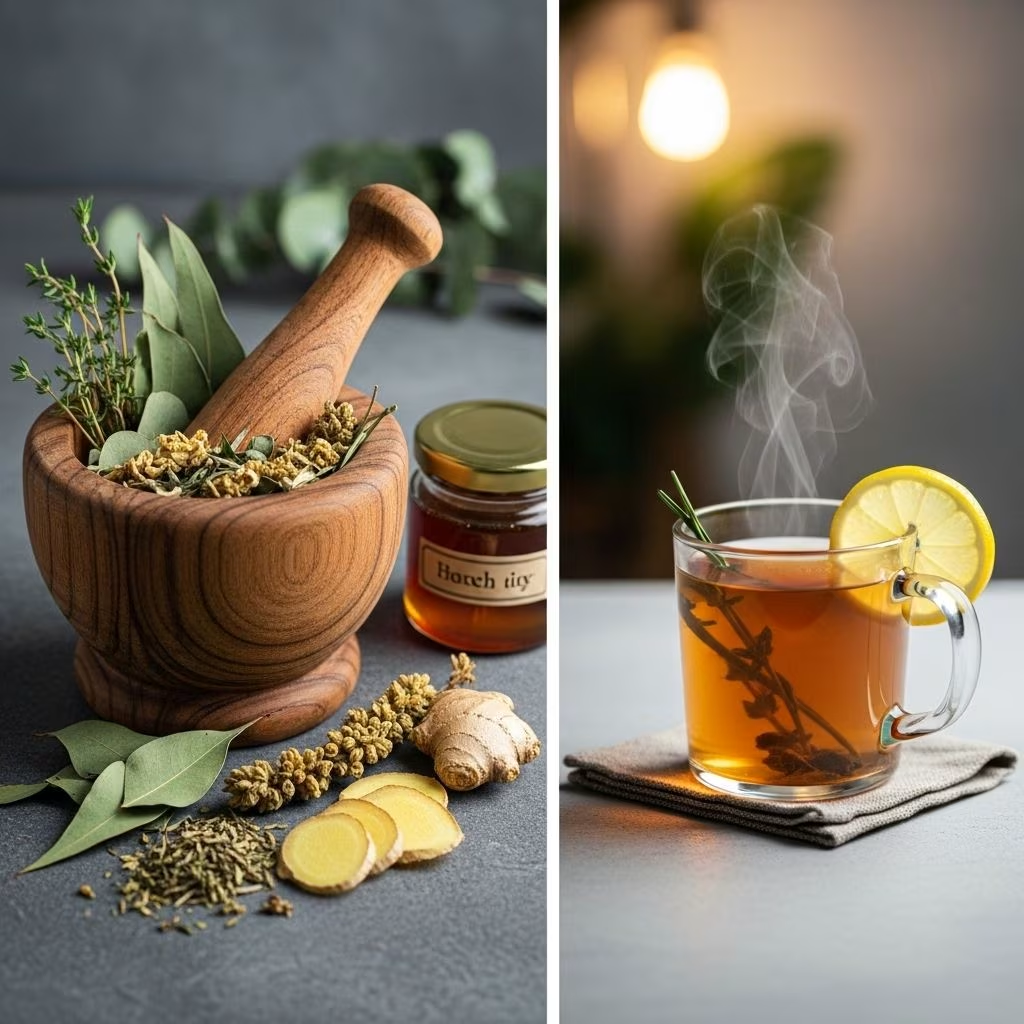
Best Herbs for Bronchitis & Natural Remedies for Treatment
Bronchitis—an inflammation of the bronchial tubes—often causes relentless coughing, chest tightness, throat soreness, and congestion. While conventional treatments exist, many people turn to herbs and natural remedies to address bronchitis symptoms, support recovery, and improve overall respiratory health. This guide outlines the most effective herbal therapies and supportive practices based on traditional use and modern research.
Understanding Bronchitis: Causes and Symptoms
Bronchitis is usually triggered by viral infections or environmental irritants. Its symptoms commonly include:
- Persistent cough (productive or dry)
- Throat and chest discomfort
- Mucous production
- Wheezing and shortness of breath
- Fever and fatigue (occasionally)
Acute bronchitis typically resolves in a few weeks, while chronic bronchitis (commonly seen in smokers) may require more intensive management. Herbs and lifestyle strategies can help both forms, primarily by reducing inflammation, thinning mucus, calming coughs, and supporting immune function.
Top Herbs for Bronchitis Relief
1. Thyme (Thymus vulgaris)
Thyme is a classic respiratory herb notable for its expectorant, antispasmodic, and antimicrobial properties. It helps loosen mucus, soothe irritated airways, and ease coughing.
- How to use: Brew as herbal tea or add to steam inhalations. Mix with honey for added soothing effects.
2. Oregano (Origanum vulgare)
Oregano contains potent compounds acting as natural expectorants and antimicrobial agents. Both its fresh leaves and essential oil are used to support bronchial health and clear mucus.
- How to use: Prepare oral tea or inhale steam made with oregano leaves. Oregano oil can be taken with a carrier oil—internally for short periods or via chest rubs.
3. Eucalyptus (Eucalyptus globulus)
Eucalyptus is well-known for its menthol-like aroma and action: it opens airways, loosens mucus, and relieves coughs.
- How to use: Sip eucalyptus leaf tea, or inhale steam enhanced with eucalyptus oil. Topically applied diluted oil can serve as a vapor rub.
4. Marshmallow (Althaea officinalis) and Mullein (Verbascum thapsus)
Marshmallow and mullein are demulcent herbs: they protect and soothe irritated mucous membranes, reducing painful coughing.
- How to use: Brew as tea or syrup, often mixed with other herbs for full-spectrum throat relief.
5. Licorice Root (Glycyrrhiza glabra)
Licorice root is another valuable demulcent and expectorant, renowned for its ability to soothe sore throats and promote healthy mucus clearance.
- How to use: Prepare as tea or in bronchitis blends. Note: Should be used with caution in those with high blood pressure or on certain medication.
6. Pelargonium (Geranium)
Pelargonium (sometimes called South African Geranium) has expectorant actions and is recommended in cases of acute bronchitis, endorsed in some clinical guidelines.
- How to use: Extract or tea; often commercialized in cough syrups.
7. Plantain (Plantago major)
Plantain is a mucous membrane restorative and respiratory demulcent, helping heal irritated lung and throat tissues and reducing inflammation.
- How to use: Drink as tea or add to herbal blends targeting recovery.
8. Andrographis (Andrographis paniculata)
Andrographis may help relieve respiratory infection symptoms more rapidly, particularly if bronchitis develops after colds or flu.
- How to use: Take as standardized supplement at onset of symptoms; consult a professional for dosage.
9. Echinacea (Echinacea purpurea/E. angustifolia)
Echinacea boosts immune response and can reduce the severity and duration of bronchitis, especially if viral infections are involved.
- How to use: Brew as tea or take in tincture or capsule form.
10. Elderflower (Sambucus nigra)
Elderflower is traditionally used to support lung function and promote recovery from congested coughs.
- How to use: Prepare tea or use commercial extracts.
11. Elecampane (Inula helenium)
Elecampane root is a classic lung tonic, helping move thick mucus, easing spasm, and preventing secondary infection.
- How to use: Brew as tea—especially effective for old or stubborn coughs.
12. Ginseng (Panax ginseng)
Ginseng may help reduce lung bacteria, inflammation, and support bronchial health, though research is ongoing.
- How to use: Use standardized extracts under guidance, or as part of prescribed herbal formulas.
13. Astragalus (Astragalus membranaceus)
Astragalus root strengthens weak lungs and boosts immune defenses, but avoid during fever.
- How to use: Add dried root to soups or take as capsules; best as preventive or during early recovery.
14. Garlic (Allium sativum)
Garlic is rich in natural anti-inflammatory and immune-boosting compounds, helping fight acute viral infections.
- How to use: Consume fresh or tableted; avoid if you have sensitivities or take blood thinners.
15. Turmeric (Curcuma longa)
Turmeric contains curcumin, which provides anti-inflammatory and antioxidant benefits. While most bronchitis research is in animals, turmeric remains a safe supportive spice.
- How to use: Add to food or take capsules with black pepper to boost absorption.
Essential Oils for Bronchitis Relief
- Eucalyptus Oil: Use in steam baths or as a chest rub to ease airway inflammation and open passages.
- Peppermint Oil: Inhale directly or apply with a compress to the chest for cooling and antimicrobial effects.
- Oregano Oil: Supports bronchial health and can act as a natural antibiotic; take with carrier oil as directed.
How to Use Herbal Remedies Safely
Herbs offer gentle yet powerful support, but usage must be safe and informed:
- Follow recommended dosage instructions; excessive use can cause side effects.
- Some herbs interact with medications, particularly blood thinners and hypertension drugs. Consult a healthcare provider if unsure.
- Use essential oils properly diluted and never ingest essential oils directly except under professional supervision.
- Children, pregnant people, or those with chronic health conditions should use herbal therapies cautiously.
Additional Natural Remedies to Support Bronchitis Recovery
- Honey and Lemon: Mix a tablespoon of honey and juice of half a lemon in warm water. Honey soothes coughs; lemon provides vitamin C.
- Steam Therapy: Inhale steam infused with herbs or essential oils. The warm moisture reduces congestion and soothes airways.
- Rest: Prioritize sleep and downtime for your body to recuperate.
- Hydration: Drink water and herbal teas liberally to thin mucus.
- Diet: Include warming, anti-inflammatory foods like garlic, onion, ginger, turmeric, and broth-based soups.
Over-the-Counter (OTC) Medications for Bronchitis
If natural measures are insufficient, OTC drugs may help manage stubborn symptoms:
- Expectorants: Guaifenesin (Mucinex) helps break up mucus for easier clearance.
- Pain Relievers: Acetaminophen, ibuprofen, and naproxen reduce pain, fever, and swelling.
Table: Key Herbs for Bronchitis – Actions & Usage
| Herb | Action | Recommended Usage |
|---|---|---|
| Thyme | Expectorant, Antimicrobial | Tea, steam inhalation |
| Oregano | Antibacterial, Expectorant | Tea, oil (oral short term, rub) |
| Eucalyptus | Decongestant, Anti-inflammatory | Steam, tea, chest rub |
| Licorice Root | Demulcent, Expectorant | Tea, syrup, blends |
| Plantain | Demulcent, Healing | Tea, blends |
| Andrographis | Immune-enhancing, Antiviral | Supplement, extracts |
| Echinacea | Immunomodulator | Tea, tincture, capsule |
| Astragalus | Immune tonic | Capsule, soup ingredient |
| Pelargonium | Expectorant | Extract or syrup |
| Marshmallow/Mullein | Demulcent, Soothing | Tea, syrup |
| Garlic | Antimicrobial, Immune support | Raw or capsule |
| Turmeric | Anti-inflammatory | Food, capsule |
Frequently Asked Questions (FAQ)
Q: Can herbs cure bronchitis?
A: Herbs cannot “cure” bronchitis, but they are effective for easing symptoms, shortening recovery time, and supporting lung healing. Most cases resolve naturally, but herbs provide valuable supportive care.
Q: Which herbs should I avoid when I have other medical conditions or medications?
A: Avoid licorice root if you have high blood pressure, garlic and turmeric if taking blood thinners, and exercise caution with any herb if pregnant, breastfeeding, or on other medications. Always consult a healthcare provider.
Q: How can I use essential oils for bronchitis?
A: Use eucalyptus, peppermint, and oregano oil in steam inhalations or as chest rubs. Never ingest pure essential oils unless under professional guidance.
Q: Is honey alone effective for bronchitis?
A: While honey soothes coughs and sore throats, it works best in combination with lemon or herbs for bronchitis relief. Children under one year should not have honey.
Q: How long should I use herbal remedies?
A: Use for duration of acute symptoms (about 1–2 weeks) or as maintenance for chronic bronchitis, with periodic breaks. Seek medical attention if symptoms persist longer than three weeks or worsen.
Precautions & When to Seek Medical Help
- Persistent symptoms beyond three weeks
- High fever, chest pain, difficulty breathing
- Blood in mucus, confusion, or severe weakness
Herbal therapies complement but do not replace professional medical care. Contact your healthcare provider if symptoms are severe or you have underlying health conditions.
Summary: Steps to Manage Bronchitis Naturally
- Choose herbs suitable for your bronchitis symptoms and health status
- Use steam therapy, honey, and lemon for immediate relief
- Stay hydrated and rest amply
- Combine herbs, foods, and conventional therapies for optimal recovery
- Consult a healthcare provider if symptoms persist or worsen
With safe, informed use, natural remedies and herbs can help you reclaim your respiratory health and comfort.
References
- https://lifemd.com/learn/natural-remedies-for-bronchitis
- https://draxe.com/health/bronchitis-natural-remedies/
- https://www.herbalreality.com/condition/bronchitis/
- https://www.khealth.com/learn/bronchitis/home-remedies-for-bronchitis/
- https://pmc.ncbi.nlm.nih.gov/articles/PMC7202254/
- https://www.peacehealth.org/medical-topics/id/hn-1171004
- https://wildrosecollege.com/blog/top-6-herbal-remedies-for-coughs-and-respiratory-relief/


