


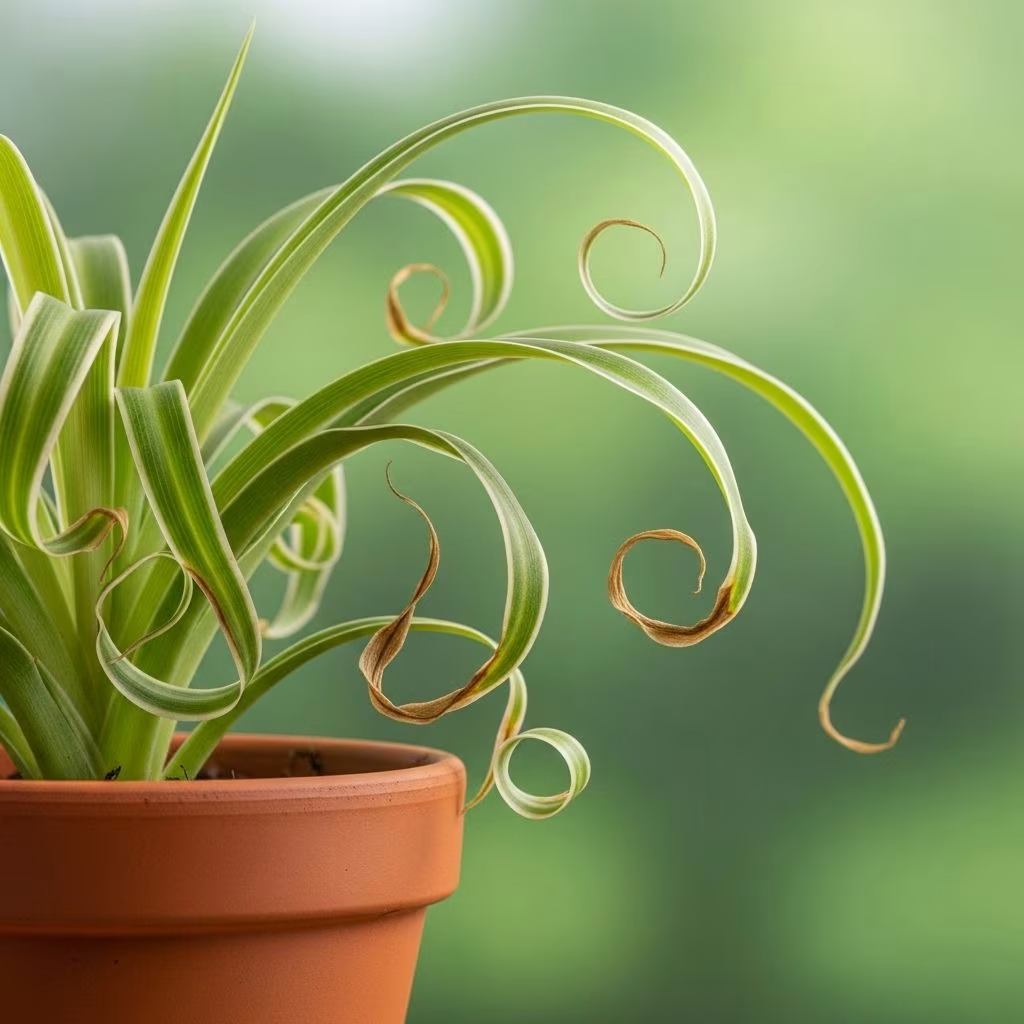
Spider Plant Leaves Curling: Diagnosing, Solving, and Preventing Problems
The Spider Plant (Chlorophytum comosum) is celebrated for its resilience and adaptability, making it a favorite indoor plant for beginners and seasoned plant owners alike. Despite its reputation for easy care, even spider plants can show signs of distress—most notably when their leaves begin to curl. Understanding the causes and solutions behind this curling is essential for restoring your plant to its vibrant, lush state.
Why Do Spider Plant Leaves Curl?
When a spider plant’s leaves begin to curl, it is typically a sign that the plant is stressed or its basic needs are not being fully met. The good news is that most cases of curling leaves are reversible if diagnosed early and corrected with proper care. Causes range from watering mistakes to pests, and sometimes environmental or chemical influences.
Identifying Curling in Spider Plants
Curling leaves can manifest in different forms:
- Inward Curling: Leaves fold or curl towards the midrib, often indicating lack of water or root stress.
- Curly or Swirly Leaves: When leaves naturally spiral and the plant looks otherwise healthy, this can indicate a curly-leafed cultivar such as the ‘Bonnie’ variety and is not a problem.
- Browning and Curling Tips: If only leaf tips are curled and brown, environmental stressors or water quality may be the issue.
Consistently observe the entire plant, checking for other symptoms such as yellowing, browning, or limpness, all of which can provide clues to the underlying issue.
Main Causes of Curling Leaves
Let us explore the most prevalent reasons for spider plant leaf curling. Rooting out the core issue often requires a process of elimination:
1. Underwatering
- Spider plants are drought-tolerant but will curl their leaves inwards to reduce water loss during extended dry periods.
- Symptoms: Soil is dry, leaves are curled and sometimes dull, and the plant appears wilted.
To diagnose, insert a finger or moisture meter 1–2 inches into the soil. If it feels dry, your plant is likely underwatered.
2. Overwatering
- Constantly soggy soil can suffocate roots, leading to root rot and stressed, curling leaves.
- Symptoms: Leaves appear limp, discolored, and curl; soil feels persistently wet; roots may be mushy and dark.
Overwatering is a common mistake, especially when pots lack proper drainage.
3. Water Quality
- Spider plants are sensitive to chemicals in tap water such as fluoride, chlorine, and salts.
- Symptoms: Leaf tips turn brown and curl, entire leaves may gradually curl or show mottling.
4. Pest Infestations
- Aphids, spider mites, or mealybugs can attack spider plants, drawing sap and injecting toxins that cause distortion and curling of leaves.
- Symptoms: Visible insects, webbing, sticky residues, localized leaf curling and discoloration.
5. Poor Soil Drainage or Compact Soil
- Heavy, compacted soil inhibits air exchange and proper water flow to roots, stressing the plant.
- Results in symptoms similar to overwatering, including limping and curling leaves.
6. Lighting Issues
- Too little light can slow plant metabolism, causing lackluster, limp, or curled leaves.
- Too much intense sunlight (direct unfiltered light) can scorch leaves, leading to curling, browning, and yellow patches.
7. Nutrient Deficiency
- Lack of essential nutrients, especially potassium and magnesium, can lead to leaf deformation, which may include curling and yellowing.
8. Environmental Stress
- Sudden changes in temperature, very low humidity, or drafts can trigger a stress response in spider plants, seen as curling or folding leaves.
How to Correct Curling Leaves on Spider Plants
Once you identify the probable cause of curling leaves, use these targeted solutions to bring your spider plant back to peak health:
Correcting Underwatering
- Water your plant thoroughly, allowing water to drain from the bottom of the pot. Discard excess water from trays.
- Set a watering schedule, checking soil moisture weekly. Aim to water when the top inch of soil is dry.
Solving Overwatering and Root Rot
- Remove the plant from its pot and inspect the roots. Healthy roots are white and crisp; rotten roots are brown, mushy, or foul-smelling.
- Trim away all rotten roots using sterilized scissors. Repot in fresh, well-draining potting mix into a container with drainage holes.
- Water less frequently, ensuring the soil mostly dries out between waterings.
Improving Water Quality
- Switch to distilled, filtered, or rainwater if possible. Allow tap water to sit out for 24 hours before use to reduce chlorine content.
- If your area has hard water, flush the soil by thoroughly watering and letting excess drain to help remove built-up minerals and salts.
Addressing Pest Problems
- Visually inspect plants for pests on stems and undersides of leaves.
- Use an insecticidal soap or neem oil spray according to label instructions. Repeat treatments as needed to eradicate infestations.
- Physically remove pests by rinsing foliage with lukewarm water or dabbing them with cotton swabs dipped in isopropyl alcohol for spot treatment.
Upgrading Soil and Drainage
- Use a well-aerated potting mix designed for houseplants, often containing peat, perlite, and/or coarse sand.
- Repot every 2–3 years or when the root ball becomes crowded, to maintain healthy soil structure.
Optimizing Light
- Place spider plants in bright, indirect light. North or east-facing windows are ideal.
- Avoid intense, direct sunlight which can scorch leaves and cause them to curl or brown.
- If growing under artificial light, ensure 12–14 hours of moderate light daily.
Managing Nutrients
- Fertilize with a balanced, water-soluble fertilizer every 4–6 weeks during spring and summer. Reduce feeding in fall and winter.
- Do not over-fertilize, as this can cause tip burn and leaf curling due to salt buildup.
Smoothing Environmental Stress
- Maintain indoor temperatures between 60–80°F (16–27°C).
- Increase humidity with pebble trays, frequent misting, or placing plants in kitchens or bathrooms.
- Avoid placing plants near drafts, heaters, or open windows during cold months.
Prevention Tips for Healthy Spider Plants
- Monitor watering: Stick to a routine and adjust as needed for seasonal changes and indoor climate fluctuations.
- Check drainage: Use pots with drainage holes and never let spider plant roots sit in stagnant water.
- Enhance water quality: Choose distilled or rainwater if possible and flush the soil periodically.
- Inspect for pests: Regularly examine leaves for signs of infestation, especially after bringing new plants home.
- Rotate plants: Turn pots a quarter turn each week to ensure even light exposure and growth.
- Refresh soil: Repot every few years to prevent compaction and salt accumulation.
Special Note: The ‘Bonnie’ Curly Spider Plant
Not all curling is a sign of trouble. The ‘Bonnie’ Spider Plant is a variegated cultivar bred specifically for its distinctive, tightly curled leaf form. If your plant sports healthy, green, spiral leaves and vigorous growth, you may have a ‘Bonnie’—no cause for concern. Only investigate further if leaves look limp, brown, or unusually folded along with other signs of poor health.
Frequently Asked Questions (FAQs)
Q: Are curling leaves always a sign of spider plant distress?
Not always. Many healthy plants, such as the ‘Bonnie’ cultivar, naturally display curly leaves. Curled leaves accompanied by dryness, browning, or limpness, however, indicate stress and warrant further investigation.
Q: How often should I water a spider plant to avoid leaf curling?
Water your spider plant when the top inch of soil feels dry. Overwatering and underwatering are both harmful, so always check soil moisture before watering.
Q: Can spider plants recover fully from curling leaves?
With prompt action and correction of the underlying issue—be it watering, pests, or lighting—most spider plants can make a full recovery, returning to healthy growth within a few weeks.
Q: What does root rot look like, and can my plant survive it?
Root rot is indicated by dark, mushy, or slimy roots. If caught early and affected roots are removed, many spider plants can recover after repotting in fresh, well-draining soil.
Q: Will using filtered or distilled water really make a difference?
Yes. Many spider plants are sensitive to chlorine, fluoride, and dissolved salts in tap water, which can accumulate in soil and cause leaf tip browning and curling. Switching water sources can significantly benefit plant health.
Summary Table: Causes, Symptoms, and Solutions for Curling Spider Plant Leaves
| Cause | Symptoms | Solution |
|---|---|---|
| Underwatering | Curling, dry, dull leaves | Thorough, regular watering |
| Overwatering/Root Rot | Limp, yellow, curling leaves; dark/mushy roots | Trim roots, repot; improve drainage |
| Poor Water Quality | Browning, curling tips | Use distilled/filtered water |
| Pest Infestation | Distorted leaves, sticky residue, visible pests | Insecticidal soap or neem oil spray |
| Poor Soil Drainage | Curling/leaves, slow growth | Repot with lighter, well-draining soil |
| Improper Lighting | Yellowing, browning, curling | Provide bright, indirect light |
| Nutrient Deficiency | Curled, yellow, discolored leaves | Fertilize with balanced feed |
| Environmental Stress | Curling, limpness, color loss | Stabilize temperature & humidity |
Spider Plant Care Best Practices
- Soil: Rich, well-aerated, well-draining potting mix to maintain consistent moisture without waterlogging roots.
- Water: Water when the soil is dry about an inch below the surface. Adjust frequency for seasonal changes and home climate.
- Light: Bright, indirect sunlight is optimal. Too little light inhibits growth, while too much burns leaves.
- Humidity: Prefers moderate humidity. Use trays of water or humidifiers in dry environments.
- Fertilizer: Apply balanced liquid fertilizer every 4–6 weeks during growing season. Avoid over-feeding.
- Repotting: Every 2–3 years or when rootbound. Inspect roots for rot at each repotting.
- Pests: Watch for signs of spider mites, aphids, or scale. Quarantine new plants and treat infestations promptly.
Final Thoughts
The spider plant remains one of the most resilient and attractive houseplants, offering lush foliage and easy propagation for indoor spaces. Curling leaves are a helpful indicator that the plant needs attention. By observing, diagnosing, and correcting the underlying cause, most spider plants rebound with vigor. Practice sound plant care routines and your spider plant will continue to thrive for years.
References
- https://houseplantresourcecenter.com/2022/04/8-reasons-why-your-spider-plant-leaves-are-curling-how-to-fix/
- https://indoorgardeninghq.com/spider-plant-leaves-curling/
- https://www.ohiotropics.com/2021/04/14/curly-spider-plant-bonnie/
- https://bloomboxusa.com/blogs/news/common-causes-of-brown-tips-in-spider-plant-and-how-to-fix-them
- https://houseplantsnook.com/curly-spider-plant-care


