


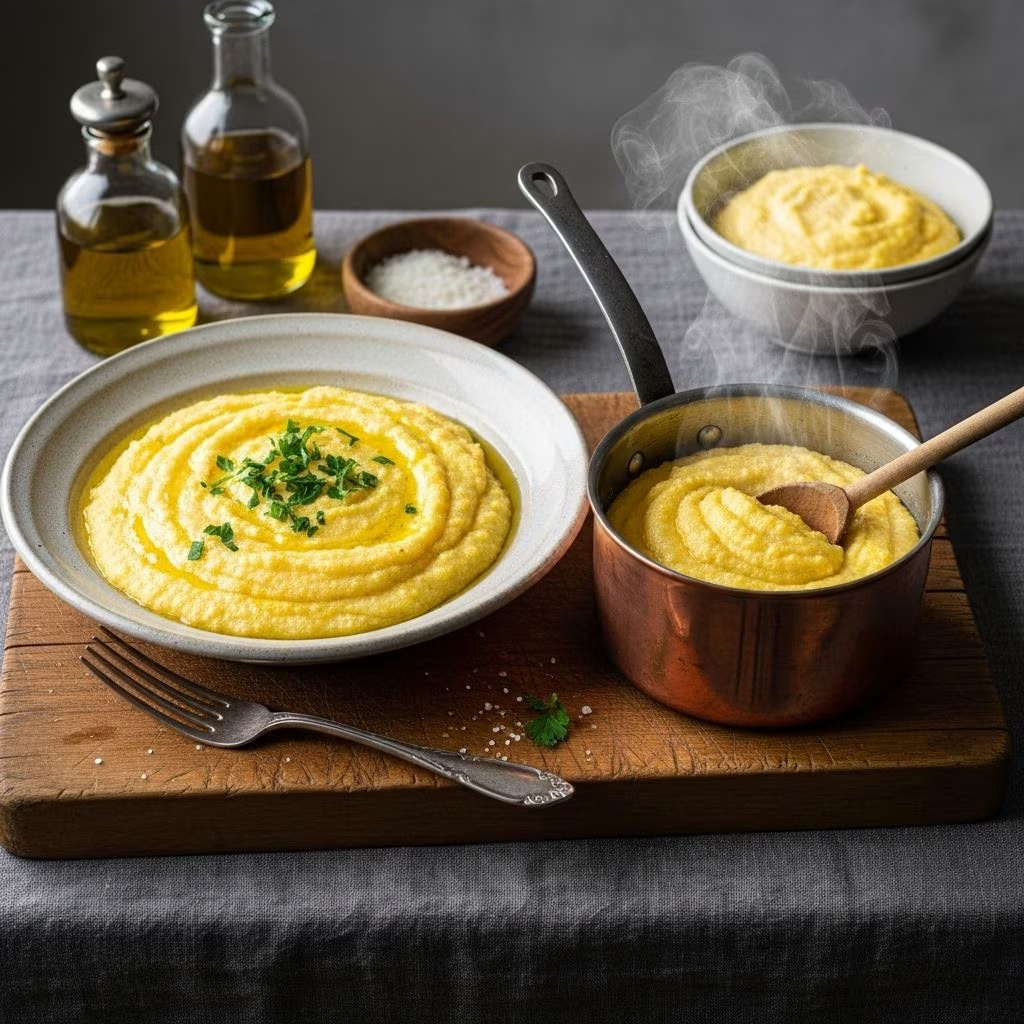
What Is Polenta?
Polenta is a traditional Italian dish made from boiled cornmeal that has been a cornerstone of Northern Italian cuisine for centuries. This versatile food starts as a creamy porridge-like consistency when freshly cooked and can be served immediately or allowed to cool and solidify into a firm loaf that can be sliced, baked, fried, or grilled.
The dish is primarily made from yellow maize (corn), though variations using buckwheat, white maize, or mixed grains are also common. The texture of polenta varies significantly depending on the coarseness of the grind used – coarse grinds produce a firm, rustic polenta while finer grinds create a smooth, creamy consistency.
While polenta is commonly associated with savory preparations, it also appears in sweet dishes including cakes, cookies, and puddings. This adaptability has made it a beloved staple not only in Italy but also in regions with significant Italian immigrant populations, including parts of South America and North America.
History and Origins
Ancient Beginnings
Polenta’s origins trace back thousands of years, with roots extending to ancient civilizations including the Sumerians and Mesopotamians. The dish we recognize today evolved from earlier forms of grain mush known as “puls” or “pulmentum” in Latin, which were commonly consumed during Roman times.
Before the 16th century introduction of corn from the Americas, polenta was made from various grains including farro, chestnut flour, millet, spelt, buckwheat, rye, and even chickpeas. The ancient Romans valued this hearty porridge as an affordable, filling meal that could sustain soldiers and farmers through demanding physical labor.
The Corn Revolution
The arrival of corn in Europe following Christopher Columbus’s expeditions to the Americas fundamentally transformed polenta. The Veneto region of Italy was among the first to cultivate corn, quickly recognizing its potential as an easy-to-grow, abundant crop. This transformation occurred primarily in the 16th century, when corn became widely available and affordable.
The adoption of corn as the primary ingredient for polenta was particularly significant for working-class families in Northern Italy, where it became an essential dietary staple. The dish’s popularity peaked during the 19th century, when war and famine made affordable, filling foods crucial for survival.
Cultural Significance
Polenta became so integral to Northern Italian culture that regional nicknames emerged. People from Northern Italy are colloquially called “Polentoni” (polenta eaters), while those from the South are termed “Mangiamaccheroni” (macaroni eaters). This cultural divide reflects the historical preference for polenta in the North and pasta in the South.
Nutritional Benefits
Macronutrient Profile
Polenta offers several nutritional advantages that make it a valuable addition to a balanced diet. As a corn-based product, it provides complex carbohydrates that offer sustained energy release, making it particularly beneficial for active individuals or those seeking steady blood sugar levels.
A typical serving of polenta (about 1 cup cooked) contains approximately:
| Nutrient | Amount | Daily Value |
|---|---|---|
| Calories | 110-130 | 5-6% |
| Carbohydrates | 26-30g | 9-10% |
| Protein | 3-4g | 6-8% |
| Fat | 0.5-1g | 1% |
| Fiber | 2-3g | 8-12% |
Vitamin and Mineral Content
Polenta contains several important vitamins and minerals. It provides vitamin A, which supports eye health and immune function, and B-vitamins including niacin (B3), which is crucial for energy metabolism and nervous system function. The corn used in polenta also contains small amounts of vitamin C, folate, and vitamin E.
Mineral-wise, polenta offers magnesium, phosphorus, potassium, and iron. Magnesium supports muscle and nerve function, while phosphorus contributes to bone health. The iron content, though modest, can contribute to overall iron intake, particularly important for individuals with higher iron needs.
Health Benefits
Gluten-Free Option: Polenta is naturally gluten-free, making it an excellent alternative for individuals with celiac disease or gluten sensitivity. This characteristic has contributed to its growing popularity in health-conscious communities.
Digestive Health: The fiber content in polenta supports healthy digestion and can contribute to feelings of fullness, potentially aiding in weight management when consumed as part of a balanced diet.
Energy Source: The complex carbohydrates in polenta provide sustained energy, making it particularly valuable for athletes or individuals with high energy demands.
Taste and Texture Profile
Flavor Characteristics
Fresh polenta has a mild, slightly sweet corn flavor with subtle earthy undertones. The taste is relatively neutral, making it an excellent canvas for both savory and sweet preparations. When properly prepared, polenta should have a clean, pleasant corn taste without any bitter or off-flavors.
The flavor intensity can vary depending on the quality and type of cornmeal used. Stone-ground varieties often provide more complex, robust flavors compared to commercially processed alternatives. Some artisanal producers offer polenta made from heirloom corn varieties, which can introduce unique flavor notes ranging from nutty to slightly floral.
Texture Variations
Polenta’s texture is one of its most distinctive and versatile characteristics. When freshly cooked, it resembles a thick, creamy porridge with a smooth, velvety consistency. The texture can range from loose and flowing to thick and spoonable, depending on the liquid-to-cornmeal ratio and cooking time.
As polenta cools, it firms up significantly, eventually becoming solid enough to slice cleanly. This transformation allows for numerous preparation methods – the cooled, firm polenta can be cut into squares, circles, or other shapes for grilling, frying, or baking.
The grain size of the cornmeal significantly impacts the final texture. Coarse-ground polenta produces a more rustic, slightly grainy texture, while fine-ground varieties create an ultra-smooth, almost creamy consistency reminiscent of mashed potatoes.
Types and Varieties
Grain Classifications
Coarse Polenta: Made from coarsely ground cornmeal, this variety produces a rustic texture with visible grain particles. It requires longer cooking times but offers superior flavor and a satisfying, substantial mouthfeel.
Fine Polenta: Ground to a finer consistency, this type cooks more quickly and produces a smoother, creamier result. It’s often preferred for delicate preparations or when a refined presentation is desired.
Instant Polenta: Pre-cooked and dehydrated, instant polenta can be prepared in minutes rather than the traditional 45 minutes to several hours. While convenient, many culinary enthusiasts consider it inferior in flavor and texture to traditionally prepared varieties.
Color Variations
Yellow Polenta: The most common variety, made from yellow corn, offers the classic flavor and appearance most people associate with polenta.
White Polenta: Made from white corn, this variety has a milder flavor and elegant appearance that works particularly well in refined preparations or as a neutral base for colorful toppings.
Mixed Grain Polenta: Some traditional recipes incorporate multiple grains such as buckwheat, resulting in more complex flavors and nutritional profiles.
Culinary Uses and Applications
Traditional Savory Preparations
In Northern Italian cuisine, polenta serves as both a side dish and a main course foundation. It’s commonly served creamy and hot, often topped with rich sauces, braised meats, or sautéed vegetables. Classic pairings include polenta with wild mushroom ragù, braised short ribs, or Italian sausages with peppers and onions.
The cooled, firm version opens up entirely different culinary possibilities. Sliced polenta can be grilled to create appealing grill marks and a slightly crispy exterior while maintaining a creamy interior. Pan-fried polenta develops a golden, crusty surface that provides textural contrast.
Modern Culinary Applications
Contemporary chefs have embraced polenta’s versatility, incorporating it into innovative dishes that extend far beyond traditional Italian preparations. It serves as a gluten-free alternative to pasta in many applications and can be used as a base for grain bowls, a substitute for mashed potatoes, or even as a pizza crust alternative.
Polenta works excellently in fusion cuisine, appearing in dishes that combine Italian techniques with flavors from other culinary traditions. Examples include polenta topped with Asian-inspired braised vegetables, Mexican-style polenta with beans and salsa, or Mediterranean versions featuring olives, tomatoes, and fresh herbs.
Sweet Applications
While less common, sweet polenta preparations showcase the ingredient’s remarkable versatility. Polenta can be incorporated into cakes, creating moist, tender textures with subtle corn flavor. It appears in traditional Italian desserts, puddings, and even ice cream bases.
Sweet polenta preparations often benefit from additions like vanilla, citrus zest, dried fruits, or honey. The natural corn sweetness complements dairy products particularly well, making it suitable for creamy desserts and breakfast porridges.
Cooking Methods and Techniques
Traditional Stovetop Method
The classic method for preparing polenta requires patience and attention. The process begins by bringing water or stock to a boil – typically using a 4:1 or 5:1 ratio of liquid to cornmeal. The cornmeal is gradually whisked into the boiling liquid to prevent lumping.
Once incorporated, the mixture requires near-constant stirring for 45 minutes to several hours, depending on the desired consistency and grain coarseness. This stirring is essential for even gelatinization of the starch and preventing sticking or scorching.
Many traditional recipes call for finishing the polenta with butter, cheese (particularly Parmigiano-Reggiano), or olive oil to enhance flavor and create a silky texture.
Modern Cooking Techniques
Oven Method: Some chefs prefer oven-baked polenta, which requires less active attention. The cornmeal and liquid are combined in a covered baking dish and cooked in a moderate oven, with occasional stirring.
Microwave Technique: For convenience, polenta can be prepared in the microwave, reducing cooking time to approximately 12 minutes with minimal stirring required.
No-Stir Methods: Certain techniques use a small amount of baking soda (alkali) to replicate traditional results with minimal stirring, allowing for longer, unattended cooking periods.
Texture Modification Techniques
The liquid used significantly impacts the final flavor and richness. While water produces a neutral base, using milk, cream, or stock adds depth and complexity. Many recipes combine different liquids – starting with stock for flavor and finishing with cream for richness.
Temperature control is crucial for optimal results. Maintaining a gentle simmer rather than a rolling boil prevents spattering and ensures even cooking. The polenta is ready when it pulls away from the sides of the pan and has a smooth, creamy consistency.
Health Considerations
Nutritional Advantages
Polenta offers several health benefits when incorporated into a balanced diet. Its complex carbohydrate content provides sustained energy release, making it particularly valuable for individuals with active lifestyles or those managing blood sugar levels.
The gluten-free nature of polenta makes it suitable for individuals with celiac disease or gluten sensitivity, providing a satisfying alternative to wheat-based grains. This characteristic has contributed to polenta’s growing popularity in health-conscious communities.
Potential Concerns
Historically, populations that relied heavily on corn-based diets, including polenta, sometimes developed pellagra, a disease caused by niacin (vitamin B3) deficiency. This occurred when corn was not properly processed to make its nutrients bioavailable and when the diet lacked variety.
Modern polenta consumption is unlikely to cause such issues when part of a varied, balanced diet. However, individuals relying heavily on corn-based foods should ensure adequate nutrition from other sources.
The caloric content of polenta can increase significantly depending on preparation methods and additions. Versions prepared with substantial amounts of butter, cheese, or cream will be higher in calories and saturated fat.
Dietary Considerations
Polenta fits well into various dietary patterns. It’s naturally vegan when prepared with water or vegetable stock and plant-based fats. For individuals following low-sodium diets, homemade polenta allows complete control over salt content.
The fiber content, while modest, contributes to daily fiber intake and can support digestive health. For individuals managing diabetes, polenta’s complex carbohydrates may offer advantages over simple starches, though portion control remains important.
Storage and Preparation Tips
Selecting Quality Cornmeal
The quality of cornmeal significantly impacts the final polenta. Stone-ground varieties generally offer superior flavor and texture compared to steel-cut alternatives. Look for cornmeal with a fresh, sweet corn aroma and avoid products with musty or off odors.
Organic and locally-sourced cornmeal often provides better flavor and supports sustainable agriculture practices. Some specialty producers offer heirloom variety cornmeal, which can introduce unique flavor profiles and colors.
Storage Guidelines
Dry cornmeal should be stored in a cool, dry place in an airtight container. Properly stored cornmeal can maintain quality for 6-12 months, though it’s best used within 6 months for optimal flavor.
Cooked polenta can be refrigerated for up to one week. For longer storage, it can be frozen for up to three months. When reheating refrigerated polenta, adding a small amount of liquid helps restore the original consistency.
Preparation Tips
To prevent lumping, some cooks prefer to mix cornmeal with a small amount of cold liquid before adding it to the boiling base. This creates a slurry that incorporates more easily.
Using a heavy-bottomed pan helps distribute heat evenly and prevents scorching. A long-handled wooden spoon is ideal for stirring, as it won’t conduct heat and allows for comfortable, extended stirring periods.
Frequently Asked Questions
Q: Is polenta the same as grits?
A: While both polenta and grits are made from corn, they differ in origin, corn type, and preparation. Polenta uses yellow corn and has Italian origins, while grits typically use white corn and originate from the American South. The cooking methods and final textures can also vary.
Q: Can I make polenta ahead of time?
A: Yes, polenta can be made in advance. Creamy polenta can be kept warm in a slow cooker or double boiler. For firm polenta, prepare it completely, let it cool and set, then reheat portions as needed by grilling, frying, or baking.
Q: Why does my polenta turn out lumpy?
A: Lumpy polenta usually results from adding cornmeal too quickly to the liquid or insufficient stirring. To prevent lumps, add cornmeal gradually while whisking constantly, or create a slurry by mixing cornmeal with cold liquid before adding to the pot.
Q: What’s the difference between instant and regular polenta?
A: Instant polenta is pre-cooked and dehydrated, allowing for quick preparation (5-10 minutes). Regular polenta requires 45 minutes to several hours of cooking but generally offers superior flavor and texture. Instant varieties work well for convenience but may lack the depth of traditionally prepared polenta.
Q: Can polenta be frozen?
A: Cooked polenta can be frozen for up to three months. For best results, cool completely before freezing and store in portion-sized containers. Thaw in the refrigerator and reheat with a small amount of liquid to restore texture.
Q: What liquids work best for cooking polenta?
A: Water creates a neutral base, while milk adds richness and stock provides savory depth. Many recipes combine liquids – starting with stock for flavor and finishing with cream or milk for richness. The choice depends on the intended final dish and personal preference.
References
- https://www.miramonticorteno.com/blog/2019/8/22/northern-italian-cuisine-polenta
- https://www.etymonline.com/word/polenta
- https://en.wikipedia.org/wiki/Polenta
- https://www.redmoonpizza.com/blog-posts/the-rich-history-of-polenta
- https://www.dictionary.com/browse/polenta
- https://www.delallo.com/blog/polenta-from-peasant-to-present/


