


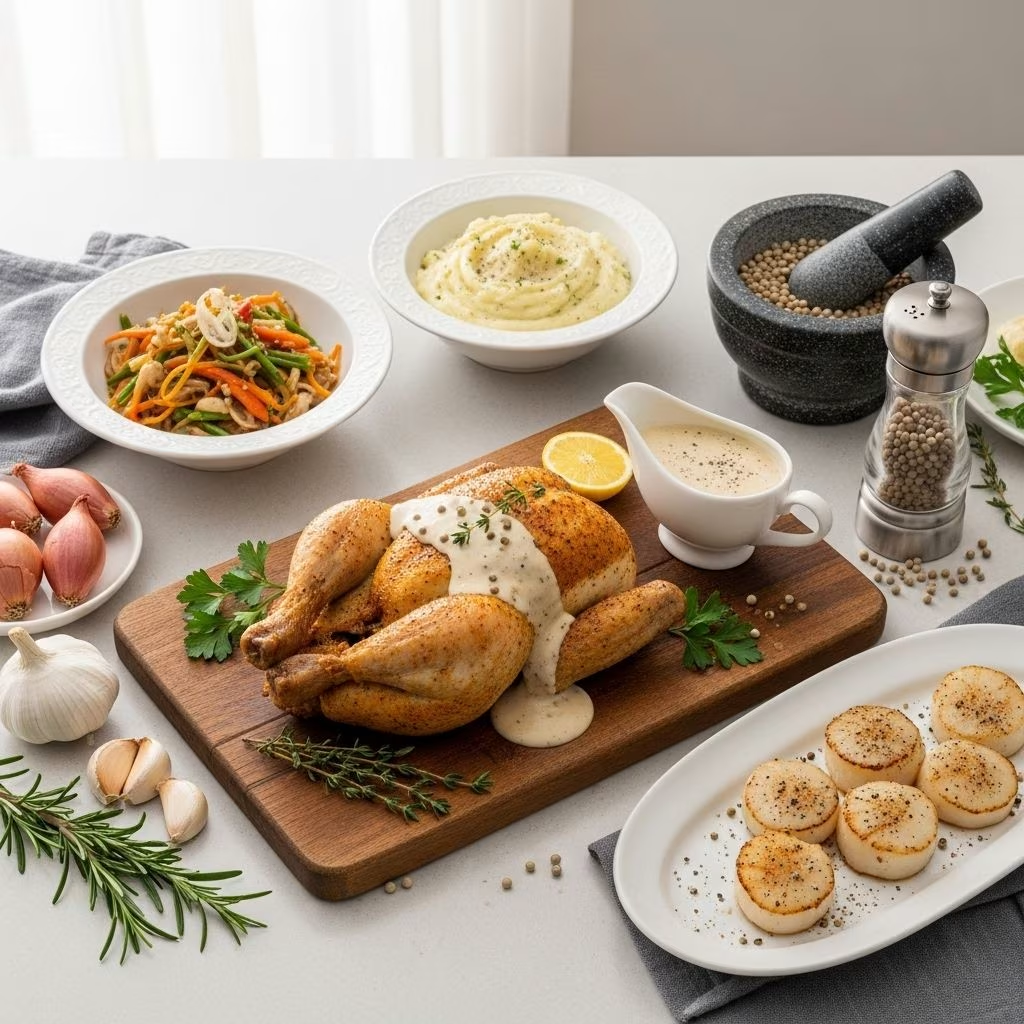
White pepper offers a subtle yet complex dimension of spice and aroma to many dishes, making it a prized ingredient in both Western and Asian cooking. This comprehensive guide explores not only the best white pepper recipes but also how to cook white pepper perfectly in your kitchen for maximum aroma, balanced heat, and an elegant finish.
Whether you are looking for creamy gravies, steak with a peppery crust, sophisticated desserts, or culinary basics for everyday use, this article will provide must-know recipes, tips, and frequently asked questions for successful home cooking.
About White Pepper: Origins, Flavor, and Uses
White pepper is produced from the same plant as black pepper but is processed differently for a milder taste. The outer black skin of ripe pepper berries is removed before drying, leaving the pale inner core. This gives white pepper its light color and subtle, earthy, slightly fermented flavor, distinct from the bold heat of black pepper.
It is especially valued in:
- Light-colored dishes (sauces, mashed potatoes, soups) where black specs would be visually unappealing
- Asian cuisines, particularly in Chinese and Thai recipes for a delicate pepperiness
- Creamy or dairy-based recipes where its nuanced heat balances richness
- Sophisticated desserts lending gentle warmth and complexity
White pepper should be handled with care: it is pungent, slightly musky, and possesses a sharpness that can easily overpower delicate dishes if overused. Fresh grinding and sparing use are recommended for best results.
How to Cook with White Pepper: Techniques and Tips
Cooking with white pepper is both an art and a science. It is essential to use the right form—whole, cracked, or ground—depending on your dish, and to incorporate it at the proper stage of cooking. Here are the fundamentals for cooking perfectly with white pepper:
- Use freshly ground white pepper for the most fragrant, complex flavor. Pre-ground loses aroma quickly.
- Add earlier in cooking when you want subtle heat throughout a dish (e.g., soups, stews), and sprinkle at the end for more aromatic impact (e.g., sauces, dressings).
- Pair with creamy or starchy bases—such as cream, potatoes, or eggs—to let its aromatic notes shine.
- Mind the quantity: White pepper’s flavor can intensify with cooking, so start with a conservative amount and adjust to taste.
- Ideal substitutions: If out of white pepper, use a light touch of finely ground black pepper in dishes where color is less important; however, the flavor profile will differ.
Common Cooking Methods for White Pepper
- Infusing oils: For drizzling or finishing dishes, steep whole white peppercorns in warm extra virgin olive oil.
- Creating a roux: In gravies and sauces, white pepper is best incorporated into flour-butter mixtures, which serve as a thickening base.
- Seasoning protein crusts: Ground white pepper is ideal for crusting steaks, tofu, or chicken before searing or grilling for a spicy, aromatic exterior.
- Adding to desserts: A pinch of white pepper brings warmth and intrigue to chocolate or fruit-based confections.
Best White Pepper Recipes: Classic to Creative
The following recipes bring out the nuanced, aromatic qualities of white pepper in a variety of savory and sweet contexts. Each includes essential instructions to ensure top results.
White Pepper Gravy
This Southern-inspired classic delivers creamy comfort and depth, perfect over biscuits, chicken fried steak, or mashed potatoes.
- Butter: 4 Tbsp
- All-purpose flour: 1/4 cup
- Vegetable broth (or other): 1/2 cup
- Milk: 1 cup (more if needed)
- Salt: 1/2 tsp (to taste)
- White pepper: 2 tsp (reduce for less heat)
- Bay leaf: 1
Instructions:
- Melt butter in a saucepan over medium-low heat. Add flour and whisk for 2-3 minutes until golden; this forms a roux.
- Slowly add broth, whisking to remove lumps.
- Add milk, salt, white pepper, and bay leaf; stir and simmer on low until thickened.
- Remove bay leaf. Serve hot over desired dishes; adjust thickness with extra milk if needed.
Creamy White Pepper Soup
This luxe soup combines mellowed onions and garlic with the warming spirit of white pepper.
- Butter: 2 Tbsp
- Onion, finely chopped: 1
- Garlic, minced: 2 cloves
- Chicken/vegetable broth: 2 cups
- Heavy cream: 1 cup
- Ground white pepper: 1 tsp
- Salt: To taste
- Chopped chives: For garnish
Instructions:
- Sauté onion and garlic in butter until translucent.
- Add broth, simmer 10 minutes.
- Blend until smooth. Return to pot.
- Stir in cream, season with white pepper and salt. Heat through and serve with fresh chives.
White Pepper Crusted Steak
A bold twist on classic steak, this preparation delivers a zesty, floral crust that complements rich beef.
- Boneless ribeye steaks: 2
- Olive oil: 1 Tbsp
- Ground white pepper: 2 tsp
- Salt: 1 tsp
- Dried thyme leaves: 1 tsp
Instructions:
- Rub steaks with olive oil. Combine pepper, salt, and thyme; press onto steaks.
- Grill or pan-sear 4-5 minutes per side (for medium-rare), then rest before slicing.
Classic Asian White Pepper Stir Fry
Aromatic white pepper is a staple in many Chinese and Thai stir-fries, offering piquancy without dark specs.
- Vegetable oil: 2 Tbsp
- Garlic, minced: 2 cloves
- Protein (chicken, tofu or shrimp): 1 lb
- Mixed vegetables: 2 cups (bell peppers, snap peas, etc.)
- Soy sauce: 2 Tbsp
- Fish sauce (optional): 1 tsp
- White pepper: 1/2 tsp or more to taste
Instructions:
- Heat oil in a wok; stir-fry garlic, add protein until browned.
- Add vegetables and sauces, stir-fry briefly.
- Toss with white pepper before serving for warm, smoky heat.
White Pepper Infused Olive Oil
This simple flavored oil brings aromatic intensity to salads, grilled vegetables, or as a finishing drizzle.
- Extra virgin olive oil: 1 cup
- Whole white peppercorns: 2 Tbsp
Instructions:
- Warm oil and peppercorns over low heat for 10-15 minutes—never letting it boil.
- Cool, strain, and store in a glass bottle. Use within two weeks.
White Pepper Chocolate Truffles
The pepper’s gentle heat elevates the depth of dark chocolate, making these truffles a sophisticated treat.
- Dark chocolate, chopped: 8 oz
- Heavy cream: 1/2 cup
- Butter: 2 Tbsp
- Ground white pepper: 1 tsp
- Cocoa powder: For rolling
Instructions:
- Heat cream and butter, pour over chocolate. Let melt, then stir smooth.
- Add white pepper; chill mixture until firm.
- Shape into balls, roll in cocoa powder, and chill again before serving.
Other Excellent White Pepper Uses
- Mashed potatoes: Sprinkle white pepper for subtle heat without black specs.
- Egg dishes: Omelets, quiches, and soufflés benefit from its aromatic profile.
- Creamy salad dressings: Use in ranch, Caesar, or green goddess dressings.
- Baked goods: A pinch adds complexity to bread, cheese biscuits, or spice cookies.
- Rice and grain dishes: Especially in African and Southeast Asian recipes.
Tips for Cooking, Selecting, and Storing White Pepper
- Buy whole peppercorns and grind as needed for the best aroma.
- Store in an airtight container away from light, heat, and moisture to preserve flavor.
- Use sparingly at first; you can always add more, but it’s hard to mask excessive heat once incorporated.
- Complement with herbs like thyme, chives, and parsley for a brightened flavor profile.
- Pair thoughtfully with creamy, mild, or neutral tasting foods—white pepper shines in simplicity.
Frequently Asked Questions (FAQs)
Q: What is the main difference between white pepper and black pepper?
A: White pepper is made from fully ripe pepper berries with the outer skin removed, resulting in a milder, earthy, slightly fermented flavor. Black pepper uses the dried, unripe whole fruit and is hotter, with deeper pungency and visible flecks. White pepper is preferred in light-colored or delicate dishes.
Q: Is it necessary to grind white pepper fresh every time?
A: Yes, grinding white peppercorns just before use preserves their distinctive floral aroma and prevents loss of flavor that occurs rapidly with pre-ground pepper.
Q: Can I substitute white pepper for black pepper in all recipes?
A: Not always. While they are interchangeable in some contexts, white pepper’s aroma and taste are suited to dishes where subtle spice is needed. In robust or dark dishes, black pepper can be used; but in light sauces or creamy dishes, white pepper is best.
Q: How do I adjust white pepper’s heat if my dish ends up too spicy?
A: Increase the base (milk, cream, broth, potatoes) if possible, or add a touch of acid (lemon juice, vinegar) to mellow the sharpness. Always start with a small amount and build up to the desired taste.
Q: Are there health benefits to using white pepper?
A: Yes, white pepper contains piperine, which has antioxidant and anti-inflammatory properties, aids in digestion, and may enhance nutrient absorption. However, moderation is recommended.
Q: Where can I use white pepper besides traditional recipes?
A: Think beyond sauces: sprinkle it into smoothies with tropical fruit, finish a fruit salad for warmth, or fold a pinch into shortbread or cheese-based crackers for unique complexity.
Conclusion
White pepper is a versatile spice, lending warmth, subtlety, and style to countless recipes across global cuisines. By mastering its use through the recipes and techniques outlined here, home cooks and food lovers can unlock new dimensions of flavor—from classic gravies and gourmet steak to elegant desserts and everyday stir-fries. Use these tips to cook with white pepper perfectly and elevate your culinary creations to the next level.


