


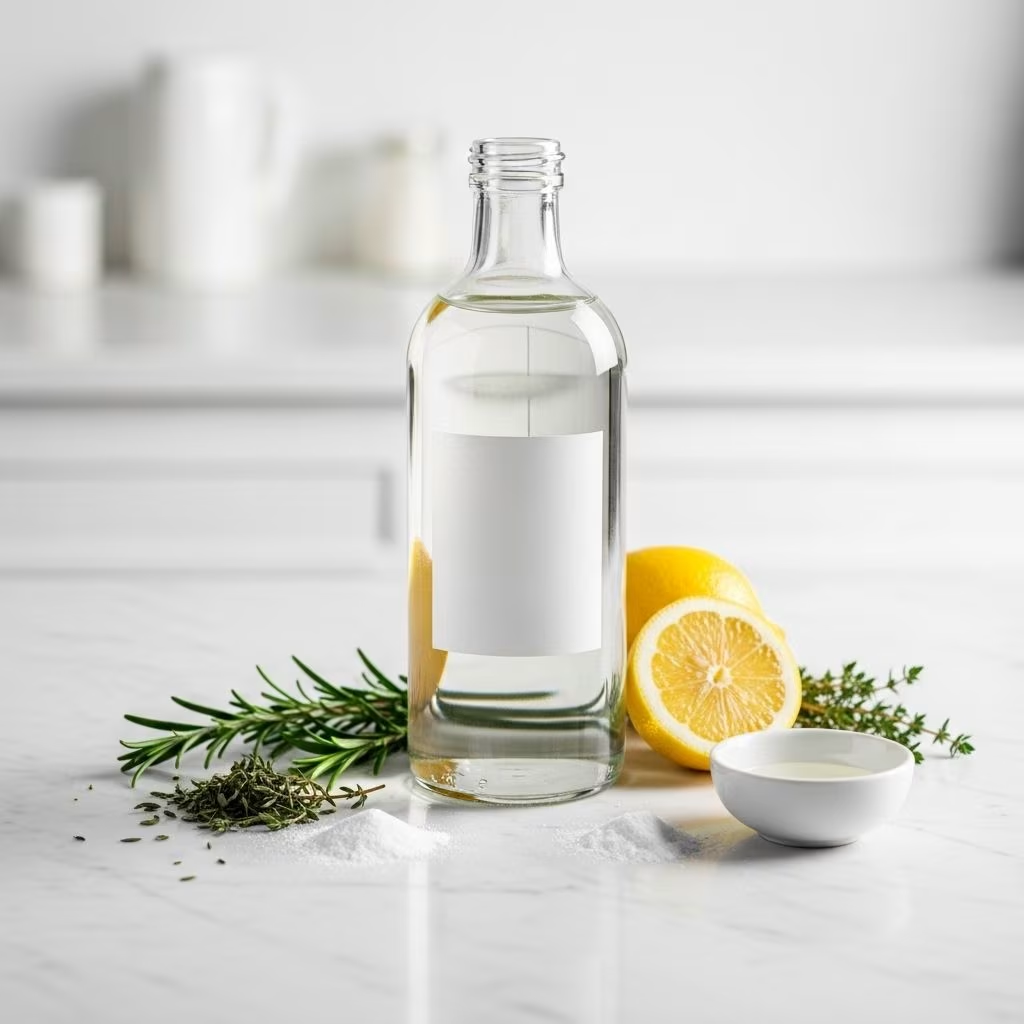
White vinegar is a household staple known for its sharp flavor, cleaning power, and versatility. But what exactly is it, how is it made, and why has it found a place in kitchens and homes across the globe? This comprehensive guide covers the chemistry, history, uses, health impacts, and taste characteristics that make white vinegar so essential.
Definition and Basic Composition
White vinegar, also commonly called distilled vinegar, is a clear, colorless solution primarily composed of acetic acid (typically 4-8% by volume) diluted in water. The acetic acid gives it its iconic acidic taste and strong, pungent aroma. Because of its purity and high acidity, white vinegar is distinct from darker, aged vinegars such as balsamic or malt varieties.
History and Etymology
The word “vinegar” comes from the Old French term vin aigre, meaning “sour wine”. Vinegar use stretches back to at least 5000 B.C.E. in Babylon, where it served not only as a food flavoring and preservative but also as an ancient remedy and cleaning agent. The discovery of vinegar was likely accidental, the result of wine or fruit juice fermenting and turning sour over time.
Production Process
Modern white vinegar is produced via a two-step fermentation process:
- 1. Alcoholic Fermentation: Plant-based sources such as grain, corn, sugar beets, or potatoes are fermented by yeast, converting their sugars or starches into ethanol (alcohol).
- 2. Acetic Fermentation: Acetic acid bacteria (mainly Acetobacter) oxidize the ethanol to acetic acid.
The chemical reaction can be summarized as:
C2H5OH (ethanol) + O2 (oxygen) → CH3COOH (acetic acid) + H2O (water)
In the USA and many other regions, the source alcohol must be biologically fermented, not synthesized chemically for culinary vinegars. This ensures the safety and purity of the product.
Key Properties of White Vinegar
- Color: Clear and colorless
- Odor: Strong, sharp, unmistakably pungent
- Acidity: Typically 4-8% acetic acid; pH ranges from 2 to 3
- Solubility: Miscible with water
- Preservative: Natural antimicrobial and preservative due to high acidity
These characteristics make white vinegar ideally suited for a wide range of applications beyond food preparation.
Health Benefits and Nutritional Value
- Low Calorie: White vinegar has negligible calories, fat, or carbohydrates per serving.
- Blood Sugar Management: Some studies suggest that vinegar may help moderate post-meal blood glucose levels, potentially benefiting people with insulin sensitivity. Effects are modest and not a substitute for medical management.
- Weight Control: Limited evidence indicates that vinegar can promote feelings of fullness and support modest weight loss as part of a balanced diet.
- Antimicrobial Action: The acetic acid in white vinegar inhibits the growth of many bacteria and fungi, making it useful in food preservation and as a low-toxicity disinfectant.
Note: While traditional medicine has claimed multiple uses for vinegar (e.g., for minor skin conditions or sore throats), modern scientific validation is limited. Always use caution and proper dilution to avoid skin and mucous membrane irritation.
Culinary Uses
White vinegar is prized for its neutral color, potent acidity, and ability to enhance or preserve food flavors. Its most common kitchen applications include:
- Pickling: Essential for making pickled vegetables, eggs, and relishes.
- Salad Dressings and Marinades: Adds sharpness, brightens flavors, and tenderizes proteins.
- Baking: Reacts with baking soda for leavening; an important component in some cake and quick bread recipes.
- Food Preservation: Its high acidity helps prevent spoilage and extends the shelf life of pantry staples.
- Pasta and Rice: A splash can prevent clumping and enhance brightness.
- Egg Preparation: Stabilizes proteins for poached eggs.
Because of its assertive sour note and lack of sweetness, white vinegar is generally not used in recipes where subtlety or complex aged flavors are needed, such as those using balsamic or wine vinegars.
Household and Industrial Uses
White vinegar excels as a non-toxic, biodegradable, and low-cost cleaner:
- Limescale Removal: Dissolves mineral deposits from kettles, coffee makers, faucets, and showerheads.
- Glass and Window Cleaning: Leaves surfaces streak-free.
- Odor Neutralization: Absorbs and neutralizes household odors.
- Mold and Mildew Removal: Acetic acid inhibits mold growth on non-porous surfaces.
- Laundry Booster: Softens water, removes soap residues, and can brighten whites.
- All-Purpose Disinfectant: When used correctly, can disinfect kitchen and bathroom surfaces (but is not a substitute for medical-grade sanitizers).
Always avoid using vinegar on natural stone (such as marble or granite) and unsealed wood, as the acid can cause damage.
Taste Profile of White Vinegar
The defining taste of white vinegar is intensely sour and sharply acidic with no sweetness. It delivers:
- A piercing tang and astringency that awakens the palate
- A clean finish, leaving no lingering flavors or complex undertones
- Zero sweetness or fruitiness compared to apple cider or balsamic vinegars
The aggressive acidity of white vinegar makes it ideal for recipes or cleaning tasks that require maximum sourness and minimal aftertaste.
Potential Side Effects and Safety Considerations
- Skin and Eye Irritation: Concentrated vinegar can cause burns and irritation; always dilute for external application.
- Dental Erosion: Habitual consumption or direct oral exposure may erode tooth enamel over time.
- Digestive Sensitivity: May exacerbate symptoms in those with acid reflux, ulcers, or sensitive digestive systems.
- Electrolyte Disturbance: Excessive ingestion can affect electrolyte balance and should be avoided.
Consult with healthcare professionals before using vinegar for health purposes, and always use food-grade varieties in the kitchen and for personal care.
Table: White Vinegar vs. Other Types of Vinegar
| Type of Vinegar | Base Ingredient | Color | Acidity (%) | Main Uses | Taste Profile |
|---|---|---|---|---|---|
| White Vinegar | Grain, corn, or other plants (via ethanol) | Clear | 4-8 | Cleaning, pickling, baking, dressings | Very sharp, clean, highly acidic |
| Apple Cider Vinegar | Apples | Amber | 5-6 | Dressings, marinades, health tonics | Tart, fruity, softer acidity |
| Balsamic Vinegar | Grape must | Dark brown | ~6 | Caprese, glazes, gourmet dishes | Sweet, complex, mellow acidity |
| Wine Vinegar | Red or white wine | Red/white | 6-7 | Marinades, sauces, vinaigrettes | Rich, rounded, with subtle wine notes |
Frequently Asked Questions (FAQs)
Q: Is white vinegar safe to eat?
A: Yes, when diluted and used in typical culinary amounts, white vinegar is considered safe for most people. Large or concentrated quantities can cause irritation and should be avoided.
Q: What is the difference between white vinegar and white wine vinegar?
A: White vinegar is made from ethanol (usually from grains or corn) and is clear, while white wine vinegar is produced from fermented white wine and has a light yellow hue with a milder, more nuanced taste.
Q: Can white vinegar be used to clean fruits and vegetables?
A: Yes, diluted white vinegar is sometimes used to wash produce and reduce surface bacteria, but it does not remove all pesticides or pathogens. Rinse thoroughly after use.
Q: Are there health risks associated with white vinegar?
A: White vinegar is generally safe in normal dietary amounts. Excessive use or direct application can cause enamel erosion, digestive upset, and skin irritation.
Q: Is white vinegar the same as cleaning vinegar?
A: No. Cleaning vinegar usually has a higher acidity (sometimes 6% or more) and may not be food grade. Use only food-grade white vinegar for consumption.
Conclusion
White vinegar stands out for its simple composition, unmatched cleaning abilities, and assertive flavor. Whether used to pickle cucumbers, brighten salad dressings, or keep homes sparkling clean, its benefits are wide-ranging. Always handle with proper dilution and respect, and appreciate the centuries-old history behind each pungent drop.
References
- https://www.wisdomlib.org/ingredients/white-vinegar
- https://en.wikipedia.org/wiki/Vinegar
- https://nutritionsource.hsph.harvard.edu/food-features/vinegar/
- https://supremevinegar.com/white-distilled-vinegar-ingredients-explained/
- https://pubchem.ncbi.nlm.nih.gov/compound/Acetic-Acid
- https://en.wikipedia.org/wiki/Acetic_acid


