


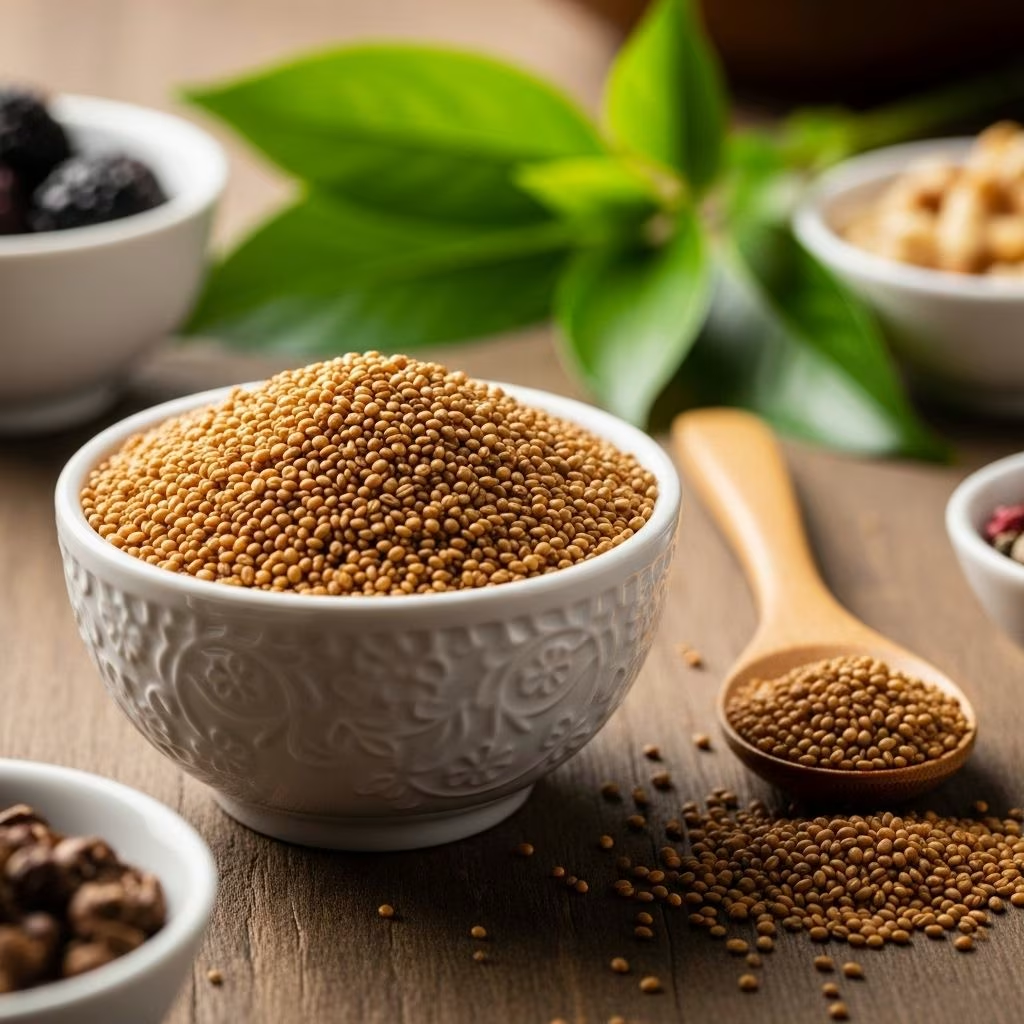
Traditionally recognized as premium bird feed, canary seed has recently gained widespread attention as a gluten-free cereal with versatile culinary applications and notable health benefits. This article dives deep into what canary seed is, its nutritional composition, benefits, cultivation, uses in human diets, possible side effects, and the unique taste profile that differentiates it from other grains.
Introduction
Canary seed—scientifically known as Phalaris canariensis—is an annual cereal grass primarily grown for birdseed markets but increasingly recognized for its nutritional and functional potential in human diets. With the development of ‘hairless’ or ‘glabrous’ varieties safe for human consumption, canary seed is emerging as a new gluten-free ingredient suitable for diverse dietary needs .
Origin and Botanical Profile
Native to the Mediterranean, canary grass belongs to the family Poaceae, which includes wheat, oats, and barley. It features thin, pointed leaves and produces small, compact seed heads that are typically cylindrical or conical. The seeds themselves are small, oval-shaped, and have a smooth shell reminiscent of millet or flaxseed .
- Scientific Name: Phalaris canariensis
- Family: Poaceae (grass family)
- Plant Height: 50–150 cm (1.5–5 feet)
- Seed Appearance: Oval, smooth, light brown
Cultivation and Production
Canary seed is predominantly cultivated in North America—especially Canada (Saskatchewan)—followed by Argentina, Mexico, the US, and parts of Europe. The Western Canadian provinces account for over 80% of global exports, thanks to their optimal climate and high-yielding varieties .
| Region | Notes on Cultivation |
|---|---|
| Canada (Saskatchewan, Manitoba, Alberta) | Largest exporter; grows both hairy and hairless varieties suited for birds and human food. |
| Argentina and Hungary | Export mainly for birdseed markets. |
| UK and Europe | Imports North American seed; increasingly grown locally. |
Canary grass is valued for its competitive growth, short maturity cycle, and minimal susceptibility to most weeds and diseases, making it a low-input, profitable crop for farmers .
Nutritional Composition
Canary seed is rich in several nutrients, particularly protein, fiber, and starch, along with essential amino acids and antioxidants. It is naturally gluten-free, making it a promising wheat substitute for those with celiac disease or gluten intolerance .
- Protein: High in albumin-like proteins and essential amino acids
- Starch: Roughly 61% of seed content; A-type starch for energy storage
- Fiber: About 7% dietary fiber; lower than wheat but present in substantial amounts
- Micronutrients: Contains selenium, vitamin E, and antioxidants
Canary Seed Nutrition Table
| Nutrient | Approximate Content (per 100g) | Role in Diet |
|---|---|---|
| Protein | 20–22g | Muscle growth, cell repair |
| Starch | 61g | Energy source |
| Dietary Fiber | 7g | Digestive health |
| Selenium | Trace | Antioxidant effects |
| Vitamin E | Trace | Cell protection from free radicals |
Note: Exact values may vary by cultivar and processing method.
Health Benefits
- Gluten-Free: Canary seed contains no gluten, making it safe for celiac disease and gluten sensitivities .
- Protein Source: Rich in high-quality, easily digestible protein—making it especially valuable for vegetarian and vegan diets .
- Antioxidant Content: Contains antioxidants like selenium and vitamin E, which protect cells from oxidative stress and may help prevent chronic diseases .
- Essential Amino Acids: Provides the amino acids required for various body functions, supporting muscle repair and overall metabolic health .
- Low-Allergen Risk: New hairless (glabrous) varieties are considered low-risk for allergic responses compared to traditional hairy varieties .
Culinary Uses
While canary seed has long been the staple of pet bird diets, its approval for human consumption has unlocked a wealth of culinary possibilities. It is particularly valued by gluten-free bakers, nutritionists, and health-food enthusiasts.
Common Culinary Applications
- Flours and Baking: Milled canary seed can substitute wheat flour for gluten-free bread, muffins, pancakes, and crackers.
- Porridge and Cereals: Cooked whole seeds or flakes resemble oatmeal or millet porridge.
- Protein Bars and Snacks: Added for extra nutrition and texture in granola bars, trail mixes, or energy bites.
- Plant-Based Milk: Ground and blended with water, canary seed is used to create non-dairy ‘milk’ for lactose-free diets.
Its ease of incorporation—combined with a mild, pleasant flavor—makes canary seed an attractive ingredient in both sweet and savory recipes.
Taste Profile
Canary seed offers a nutty and mildly sweet taste, comparable to sunflower seeds or millet. The flavor is subtle, allowing it to blend seamlessly with other ingredients.
- Raw Seeds: Mildly sweet; nutty undertones
- Roasted: Intensified nutty aroma, rich and slightly earthy flavor
- Milled Flour: Subtle sweetness that complements both desserts and breads
Its fine texture when ground makes it suitable for creamy porridges and smooth baked goods.
Potential Allergens and Safety
Earlier canary seed varieties were not recommended for human consumption due to potential allergenic silica hairs on the seed husk. However, glabrous (hairless) varieties are now approved and considered safe for most individuals .
- Silica Hairs: Removed during processing in edible varieties
- Allergic Reactions: Rare, but possible in individuals sensitive to grass family proteins
- Processing: Always ensure seeds are processed for human consumption
Canary Seed vs Other Cereals
| Grain | Gluten Content | Protein (per 100g) | Fiber (per 100g) | Taste |
|---|---|---|---|---|
| Canary Seed | None | ~20g | ~7g | Nutty, mildly sweet |
| Wheat | Contains gluten | ~14g | ~13g | Neutral, slightly earthy |
| Oat | Gluten-free (if uncontaminated) | ~17g | ~10g | Mild, slightly sweet |
| Millet | None | ~11g | ~9g | Mild, nutty |
Frequently Asked Questions (FAQs)
Q: What is canary seed?
A: Canary seed is a cereal grain historically grown for birdseed, now recognized for its nutritional benefits and gluten-free status for human diets .
Q: How is canary seed processed for human consumption?
A: Hairless, edible varieties are cleaned of silica hairs and processed into flour or flakes for safe use in foods .
Q: Is canary seed safe for people with gluten intolerance?
A: Yes. Canary seed contains no gluten and is suitable for those with celiac disease or gluten sensitivities .
Q: What does canary seed taste like?
A: Canary seed has a mild, nutty, and slightly sweet flavor that is similar to millet or sunflower seeds.
Q: Are there any allergic risks?
A: Canary seed allergies are rare, and modern hairless varieties reduce risk. Always check for proper processing.
Q: How is canary seed used in cooking?
A: It can be milled into flour, cooked as porridge, added to snacks, and made into plant-based milk.
Conclusion
The transformation of canary seed from humble bird food to functional human ingredient highlights both its nutritional promise and culinary versatility. As a gluten-free grain, it offers protein, antioxidants, and a gentle nutty flavor. With growing global production and approval for human consumption, canary seed is set to become an exciting staple in health-focused and specialty diets.
References
- https://divercitytimes.com/agriculture/crops-and-livestock/canary-seed
- https://pmc.ncbi.nlm.nih.gov/articles/PMC6164689/
- https://www.premiumcrops.com/canary-seed
- https://en.wikipedia.org/wiki/Canary_grass
- https://www.saskatchewan.ca/business/agriculture-natural-resources-and-industry/agribusiness-farmers-and-ranchers/crops-and-irrigation/field-crops/specialty-crops/canaryseed
- https://canaryseed.ca/about-canary-seed/
- https://open.alberta.ca/dataset/56d2008e-34ab-4ebf-b919-c278d415de52/resource/ca10753c-a9a8-48da-99d3-e8a6dc64978f/download/1998-147-20-1.pdf


