


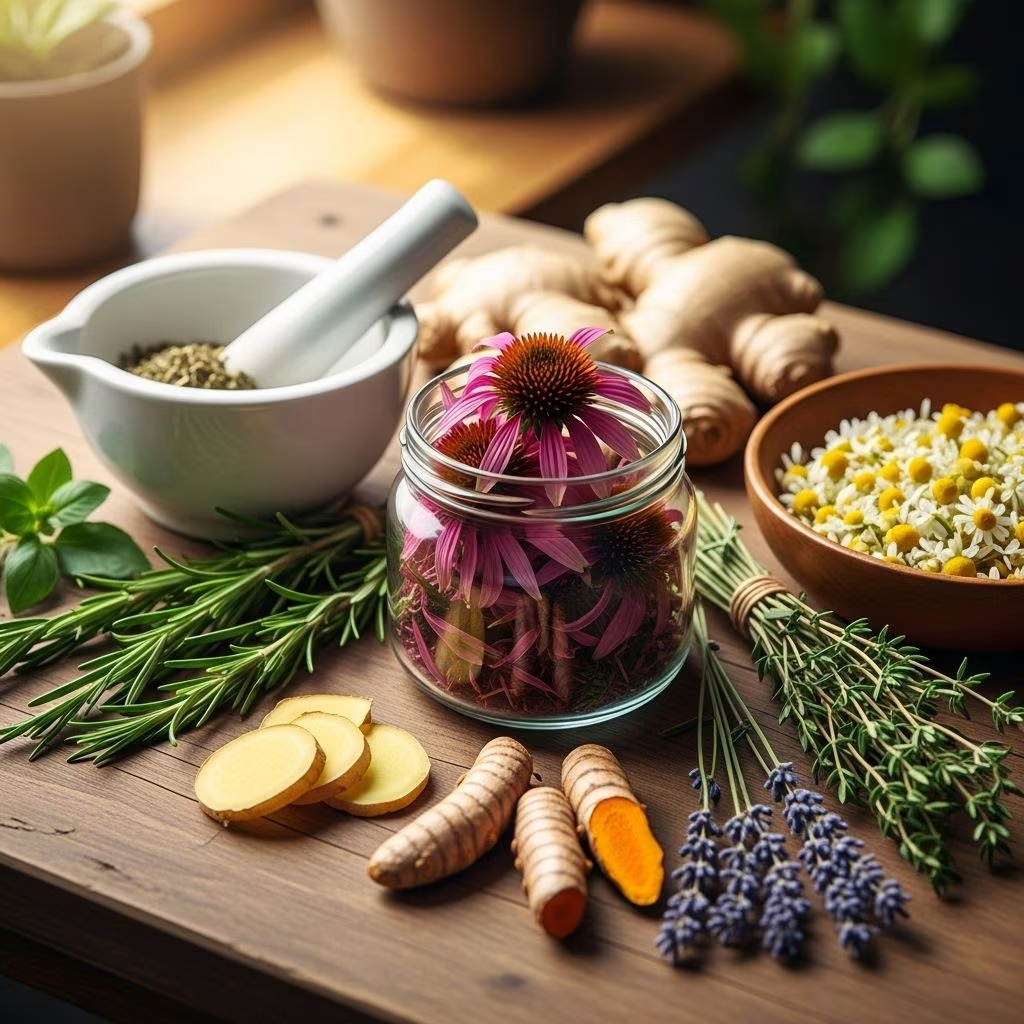
Herbal Treatment for Mono: Natural Remedies for Relief
Mononucleosis is a viral infection that can leave you feeling profoundly fatigued, achy, and struggling with sore throats and swollen glands. While conventional medicine focuses on supportive care, many turn to herbal treatments and natural remedies to enhance recovery, boost immunity, and relieve uncomfortable symptoms. This comprehensive guide explores effective herbal approaches, lifestyle modifications, and frequently asked questions—helping you naturally navigate your way to better health.
What Is Mononucleosis?
Mononucleosis—often called “mono” or the “kissing disease”—is commonly caused by the Epstein-Barr virus (EBV), though other viruses like Cytomegalovirus can also be responsible. Mono predominantly affects teenagers and young adults, but anyone can contract it. It spreads mostly through saliva, but it can also be contracted through close contact and even sharing utensils or drinks with an infected person.
- Common mono symptoms: extreme fatigue, sore throat, swollen lymph nodes, fever, headache, muscle aches, and swollen spleen.
- Symptoms may also include loss of appetite, chest pain, runny nose, cough, and sensitivity to light.
- Severity and duration vary—some recover in a few weeks, while others feel persistent symptoms for months.
Why Consider Herbal and Natural Remedies?
There is no “cure” for mono; its viral nature means it must run its course. However, herbal remedies and natural therapies can:
- Help alleviate symptoms like fatigue, sore throat, and inflammation
- Support and strengthen the immune system
- Promote faster and more comfortable recovery
- Improve overall well-being by reducing stress and supporting the body’s healing mechanisms
Natural remedies often focus on bolstering the body’s natural defenses and relieving discomfort. While not a replacement for medical care, they are frequently used in conjunction with conventional supportive measures for holistic recovery.
Top Herbal Remedies for Mononucleosis
Here are some of the most effective herbs and natural supplements used to support recovery from mono:
1. Ashwagandha (Withania somnifera)
Ashwagandha is a powerful adaptogen that helps the body adapt to stress and can reduce physical and mental fatigue. Studies suggest ashwagandha may help lower inflammation, reduce stress hormones, and support overall energy during periods of illness.
How to use: Ashwagandha root powder or capsules daily as directed. Consult your healthcare provider for appropriate dosage.
2. Guduchi (Tinospora cordifolia)
Guduchi is revered in Ayurvedic medicine for its immune-boosting and healing properties. It can enhance resistance to infections, decrease inflammation, and promote faster recovery.
How to use: Guduchi powder can be taken with warm water; commonly one teaspoon twice daily.
3. Pippali (Piper longum)
Pippali, also known as long pepper, aids respiratory health, supports liver function, and improves circulation. It’s traditionally added to teas or savory dishes.
How to use: Ground pippali can be added to herbal teas or food for gentle therapeutic support.
4. Shatavari (Asparagus racemosus)
Shatavari is another adaptogenic herb that helps balance stress, reduce inflammation, and soothe gastrointestinal discomfort. It also promotes nervous system and female reproductive health.
How to use: Shatavari is often consumed as capsules, powders, or mixed in drinks.
5. Kanchanara Guggulu
This traditional Ayurvedic combination is commonly used for swollen lymph nodes—a frequent symptom of mono. Kanchanara, often combined with guggulu resin, detoxifies the liver, supports immune function, and reduces lymphatic congestion.
How to use: Usually taken in tablet form; follow product instructions or practitioner guidance.
6. Yashtimadhu (Glycyrrhiza glabra or Licorice root)
Licorice root is valued for its anti-inflammatory and soothing actions. It can calm sore throats, reduce cough, and contribute antioxidant support.
How to use: Decoctions, teas, lozenges, or standardized extracts are popular formats.
7. Haridra (Curcuma longa or Turmeric)
Turmeric’s active constituent curcumin is a potent anti-inflammatory and antioxidant. It helps modulate immune response, supports digestion, and reduces tissue inflammation.
How to use: As a spice in food, added to teas, or taken as a standardized curcumin supplement.
8. Astragalus (Astragalus membranaceus)
Astragalus is frequently used in Traditional Chinese Medicine for its antiviral, immune-supportive, and tonic properties. It helps the body resist infections and recover more readily.
9. Echinacea (Echinacea purpurea)
Echinacea is famed for its immune-enhancing and anti-inflammatory capability. It’s often used to shorten duration and severity of viral infections when taken at the first signs of illness.
10. Green Tea (Camellia sinensis)
Green tea is rich in catechins, especially epigallocatechin gallate (EGCG), which exhibit antiviral and anti-inflammatory properties. As a gentle stimulant, it also helps lift feelings of fatigue.
Best Practices for Using Herbal Remedies
- Always consult your healthcare professional before beginning any herbal regimen, especially if taking medications or dealing with pre-existing conditions.
- Do not rely on herbal supplements alone; use them to complement rest, hygiene, and conventional medical advice.
- Choose reputable brands to ensure product quality and correct dosage.
- Be mindful of allergies or sensitivities to any herbs or botanicals.
Holistic Self-Care Tips for Mono Recovery
Combining herbal therapies with lifestyle measures enhances your recovery and comfort during mono:
- Rest generously: Your body needs time and energy to heal. Sleep and naps are essential.
- Hydration: Drink plenty of water, herbal teas, broths, and juices to prevent dehydration and soothe the throat.
- Nutrition: Eat easily digestible, nourishing whole foods. Include fruits, vegetables, whole grains, and lean proteins. Avoid processed foods and sugar.
- Gentle physical activity: Only resume activity when energy returns and with your doctor’s approval. Strenuous activity may risk spleen injury in mono.
- Throat relief: Use herbal lozenges, slippery elm, licorice root tea, or warm salt water gargles to soothe a sore throat.
- Manage fever and discomfort: Cool compresses, tepid baths, or approved over-the-counter remedies may bring relief.
- Immune support supplements: Vitamin C, zinc, and probiotics may enhance resilience and lessen symptom severity, but always use with professional guidance.
Common Symptoms and Herbal Remedies Table
| Symptom | Suggested Herbal Remedies |
|---|---|
| Extreme Fatigue | Ashwagandha, Shatavari, Astragalus |
| Sore Throat | Licorice root (Yashtimadhu), Slippery elm, Zinc lozenges |
| Swollen Lymph Nodes | Kanchanara Guggulu, Turmeric (Haridra) |
| Low Immunity | Guduchi, Echinacea, Astragalus |
| Inflammation | Turmeric (Haridra), Guduchi, Green tea |
Precautions and When to Seek Medical Attention
- Consult your healthcare provider before starting any herbs or supplements, particularly for children, pregnant or breastfeeding women, or those on medication.
- Immediately seek medical attention if you experience severe abdominal pain, difficulty breathing, jaundice, persistent high fever, or confusion, as these can indicate complications from mono.
- Monitor for signs of an enlarged spleen; avoid contact sports or strenuous activities during recovery to reduce the risk of rupture.
Lifestyle and Dietary Support for Recovery
Nutrition and lifestyle habits bolster your immune system and foster smoother recovery:
- Eat anti-inflammatory foods: Berries, leafy greens, colorful vegetables, garlic, and ginger.
- Limit dairy, sugar, and processed foods: These can stress the immune system or worsen inflammation.
- Use probiotics: Support gut health and overall immunity, especially if taking antibiotics for secondary bacterial infections.
- Hydrate frequently: Soothes throat and prevents dehydration from fever.
Foods and Drinks to Favor
- Bone broths and clear soups
- Herbal teas (chamomile, ginger, licorice root)
- Steamed vegetables
- Fresh fruits (especially vitamin C rich)
- Oatmeal, brown rice, and whole grains
Foods and Habits to Avoid
- Alcohol and caffeine—can strain your liver and inhibit healing
- Fried or greasy foods
- Artificial additives and excessive sugar
- Strenuous activity or sports
Herbal Treatment for Mono FAQs
Q: Are herbal remedies a substitute for medical treatment?
A: Herbal remedies complement but do not replace medical care. Use them to support symptom relief and recovery, but always consult a healthcare provider when dealing with mono, due to possible complications.
Q: Which herbs help most with mono-related fatigue?
A: Adaptogens like ashwagandha, shatavari, and astragalus are valued for improving energy, stamina, and resilience during prolonged illnesses.
Q: What can I do for a severe sore throat?
A: Frequent warm salt water gargles, herbal teas with licorice root or slippery elm, and zinc lozenges can ease discomfort. Stay hydrated and rest your voice as much as possible.
Q: When is mono contagious, and how can I prevent spreading it?
A: Mono is most contagious during the acute phase, especially when fever and symptoms are present. Avoid sharing drinks, utensils, and close contact until at least several weeks after recovery.
Q: Can I exercise with mono?
A: Avoid vigorous or contact sports until cleared by your doctor—mono often causes spleen enlargement, and physical activity could lead to complications. Gentle stretching and walking are typically safe once energy returns.
Q: How long does it take to recover from mono?
A: Most people recover within 2 to 4 weeks, though fatigue and low energy can linger for several months in some cases. Complete recovery depends on rest, immune function, and self-care.
Summary: Embracing a Natural Path to Recovery
Recovering from mononucleosis requires patience, rest, and attention to bodily needs. With the support of carefully chosen herbal remedies, wholesome nutrition, and hydrating practices, you can ease your symptoms and promote faster healing. Always combine herbal approaches with good hygiene and medical supervision for the safest and most effective path to wellness.
References
- https://www.ayurherbs.com.au/7-natural-remedies-for-mono/
- https://www.nhcmed.com/further-reading/topic-homeopathy-a-natural-medicine-help-a-wide-variety-of-ailments/her-summer-with-mono.html
- https://sbrmc.adam.com/content.aspx?productid=107&pid=33&gid=000109
- https://www.healthline.com/health/how-to-get-rid-of-mono-fast
- https://pmc.ncbi.nlm.nih.gov/articles/PMC10818872/
- https://erofwatauga.com/blog/infectious-mononucleosis-unmasked-a-holistic-approach-to-recovery/
- https://www.rupahealth.com/post/the-best-diet-for-chronic-epstein-barr-virus
- https://ghtkids.com/holistic-care/epstein-barr-virus/


