


Understanding Colon Cleansing: What You Need to Know
\n\n
Colon cleansing has gained significant popularity as people seek natural ways to improve their digestive health and overall well-being. This practice involves flushing out the large intestine to remove accumulated waste, toxins, and potentially harmful bacteria. While the concept may seem straightforward, understanding the proper methods, benefits, and risks is crucial before attempting any colon cleansing regimen at home.
\n\n
The human colon, also known as the large intestine, plays a vital role in our digestive system by absorbing water and electrolytes from food waste before elimination. Over time, some believe that waste and toxins can accumulate in the colon, leading to various health issues. However, it’s important to note that the body has natural mechanisms for detoxification, primarily through the liver, kidneys, and lymphatic system.
\n\n
Natural Methods for Colon Cleansing at Home
\n\n
When considering colon cleansing at home, natural methods are generally safer than aggressive interventions. These approaches work gently with your body’s natural processes to support digestive health and promote regular bowel movements.
\n\n
Water-Based Cleansing
\n\n
Adequate hydration is fundamental to maintaining healthy bowel function. Drinking plenty of water throughout the day helps soften stool and promotes regular elimination. For enhanced cleansing effects, some people practice water fasting for short periods, though this should only be done under medical supervision and for limited durations.
\n\n
Warm water consumption, particularly first thing in the morning, can stimulate bowel movements and support the body’s natural detoxification processes. Adding a pinch of sea salt to warm water may help with electrolyte balance, but moderation is key to avoid complications.
\n\n
Herbal Teas and Natural Beverages
\n\n
Certain herbal teas have been traditionally used to support digestive health and promote gentle colon cleansing. Peppermint tea can help soothe digestive discomfort and reduce bloating, while ginger tea supports overall digestive function and may help with nausea.
\n\n
Green tea contains antioxidants that may support the body’s natural detoxification processes, though it should be consumed in moderation due to its caffeine content. Chamomile tea offers anti-inflammatory properties and may help calm digestive irritation.
\n\n
Fiber-Rich Foods and Juices
\n\n
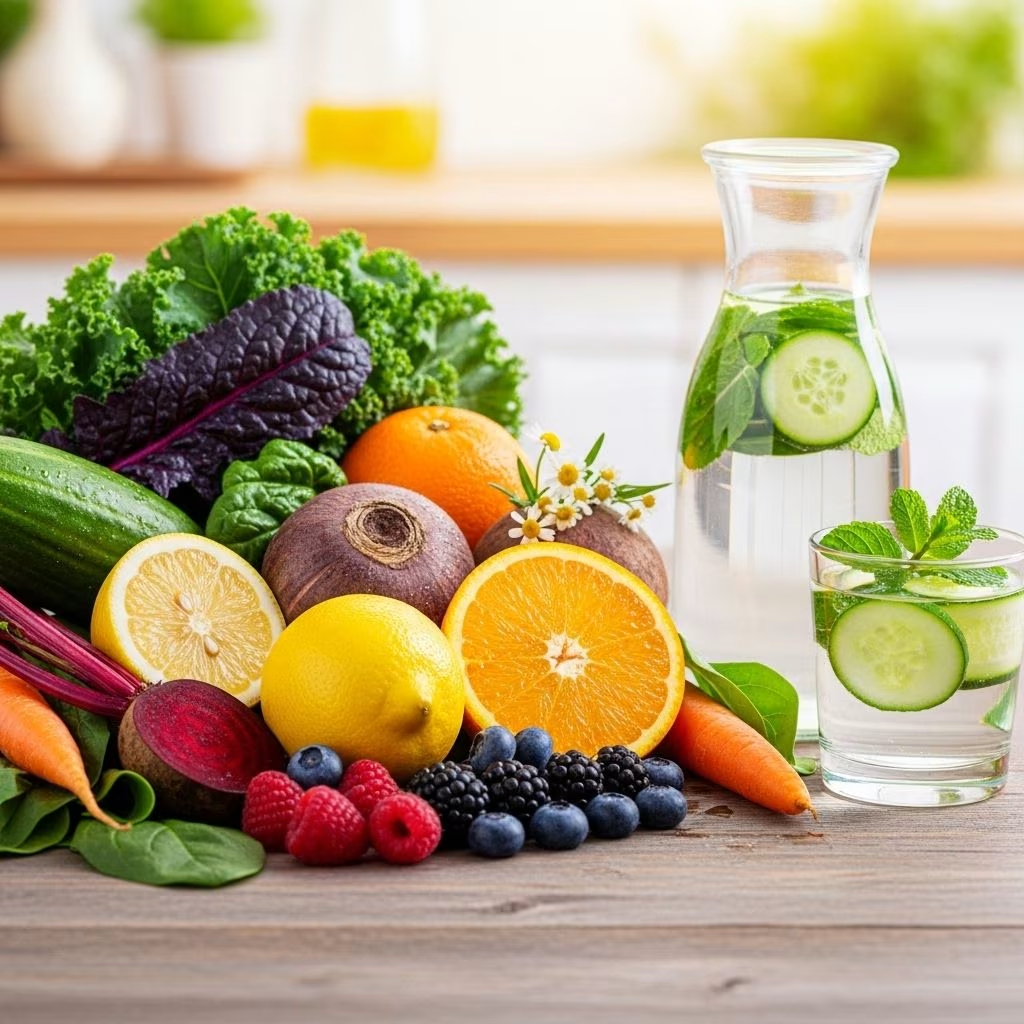
Incorporating high-fiber foods into your diet is one of the most effective and safest ways to promote colon health. Fresh fruits and vegetables provide both soluble and insoluble fiber, which help bulk up stool and promote regular bowel movements.
\n\n
Fresh vegetable juices, particularly those made from leafy greens, can provide concentrated nutrients while being easy to digest. However, it’s important to maintain a balanced approach and not rely solely on juices for extended periods.
\n\n
Potential Benefits of Colon Cleansing
\n\n
Proponents of colon cleansing cite various potential benefits, though it’s important to note that scientific evidence supporting these claims is limited. Some people report feeling more energetic after completing a colon cleanse, possibly due to improved digestion and elimination of waste.
\n\n
Regular bowel movements are essential for overall health, and gentle cleansing methods may help establish more consistent elimination patterns. Some individuals also report improvements in bloating and digestive discomfort after incorporating natural cleansing practices into their routine.
\n\n
The psychological benefits of taking proactive steps toward health should not be overlooked. Many people find that engaging in cleansing practices helps them feel more in control of their health and motivates them to make other positive lifestyle changes.
\n\n
Understanding the Risks and Safety Concerns
\n\n
While natural colon cleansing methods are generally safer than aggressive interventions, they are not without risks. Understanding these potential complications is essential for making informed decisions about your health.
\n\n
Dehydration and Electrolyte Imbalances
\n\n
One of the most significant risks associated with colon cleansing is dehydration. Increased bowel movements and potential diarrhea can lead to substantial fluid loss, which may result in dizziness, fatigue, and headaches. Electrolyte imbalances can be particularly dangerous for individuals with kidney or heart disease.
\n\n
Digestive System Complications
\n\n
Aggressive cleansing methods can cause cramping, bloating, and abdominal pain. These symptoms may persist for hours or even days after cleansing. In severe cases, colon cleansing can lead to bowel perforation, which is a medical emergency requiring immediate attention.
\n\n
Bacterial Imbalance and Infections
\n\n
The colon contains beneficial bacteria essential for digestive health and immune function. Aggressive cleansing can disrupt this delicate bacterial balance, potentially leading to infections and compromised immune function. Using non-sterile equipment or solutions can introduce harmful bacteria into the system.
\n\n
Who Should Avoid Colon Cleansing
\n\n
Certain individuals should exercise extreme caution or avoid colon cleansing altogether. People with existing digestive conditions such as colitis or bowel obstructions may experience worsened symptoms with cleansing. Those with kidney disease, heart disease, or diabetes are at increased risk for serious complications.
\n\n
Individuals who have undergone colon surgery or have gastrointestinal diseases should consult with their healthcare provider before attempting any cleansing regimen. Pregnant and breastfeeding women should also avoid colon cleansing unless specifically recommended by their doctor.
\n\n
Medical vs. At-Home Colon Cleansing
\n\n
It’s crucial to understand the difference between medically supervised colon preparation and at-home cleansing methods. Medical colon preparations, such as those used before colonoscopies, are prescribed by licensed physicians and supported by extensive clinical research. These preparations are designed for specific medical purposes and are administered under professional supervision.
\n\n
In contrast, commercial colon cleansing products and at-home methods lack scientific support and regulatory oversight. The safety and efficacy of these approaches have not been established through rigorous clinical trials.
\n\n
Natural Ways to Support Colon Health
\n\n
Rather than focusing on aggressive cleansing, consider adopting lifestyle practices that naturally support colon health. A diet rich in fiber from fruits, vegetables, whole grains, and legumes promotes regular bowel movements and supports beneficial gut bacteria.
\n\n
Regular physical activity is essential for maintaining healthy digestion and bowel function. Exercise helps stimulate intestinal contractions and promotes regular elimination. Aim for at least 150 minutes of moderate-intensity exercise per week.
\n\n
Limiting alcohol consumption, avoiding tobacco, and reducing processed food intake can significantly benefit colon health. These lifestyle modifications provide long-term benefits without the risks associated with aggressive cleansing methods.
\n\n
When to Consult a Healthcare Professional
\n\n
Before attempting any colon cleansing regimen, it’s advisable to consult with a healthcare professional, especially if you have existing health conditions or take medications. Your doctor can assess your individual risk factors and recommend appropriate approaches for supporting digestive health.
\n\n
If you experience persistent digestive symptoms such as chronic constipation, abdominal pain, or changes in bowel habits, these may indicate underlying conditions that require medical evaluation rather than self-treatment with cleansing methods.
\n\n
Remember that colon cleansing is not a substitute for regular medical screenings. Colonoscopy remains the gold standard for colon cancer screening and should not be replaced by cleansing practices.
\n\n
Frequently Asked Questions (FAQs)
\n\n
Q: How often should I do a colon cleanse at home?
\n
A: There’s no scientific recommendation for frequency of colon cleansing. Focus instead on maintaining a healthy diet with adequate fiber and staying well-hydrated for natural colon health.
\n\n
Q: Are over-the-counter colon cleansing products safe?
\n
A: Over-the-counter colon cleansing products lack scientific support and regulatory oversight. They may contain ingredients that can cause adverse reactions or interact with medications.
\n\n
Q: Can colon cleansing help with weight loss?
\n
A: Any weight loss from colon cleansing is typically temporary and due to water loss rather than fat reduction. Sustainable weight loss requires long-term dietary and lifestyle changes.
\n\n
Q: What are the warning signs that I should stop a colon cleanse?
\n
A: Stop immediately and seek medical attention if you experience severe abdominal pain, persistent vomiting, signs of dehydration, fever, or blood in stool.
\n\n
Q: Is it normal to feel tired during a colon cleanse?
\n
A: Fatigue can occur due to dehydration, electrolyte imbalances, or calorie restriction. If fatigue is severe or persistent, discontinue the cleanse and consult a healthcare provider.
\n\n
Conclusion: A Balanced Approach to Digestive Health
\n\n
While the desire to cleanse and detoxify the body is understandable, it’s important to approach colon cleansing with caution and realistic expectations. The human body has sophisticated natural detoxification systems that function effectively when supported by healthy lifestyle choices.
\n\n
Rather than pursuing aggressive cleansing methods that may carry significant risks, focus on sustainable practices that support long-term colon health. A balanced diet rich in fiber, adequate hydration, regular exercise, and stress management provide the foundation for optimal digestive function.
\n\n
If you’re concerned about your digestive health or considering colon cleansing, consult with a qualified healthcare professional who can provide personalized guidance based on your individual health status and needs. Remember that true wellness comes from consistent, evidence-based practices rather than quick fixes or extreme interventions.
References
- https://www.floridamedicalclinic.com/blog/are-colon-cleanses-safe/
- https://www.mayoclinic.org/healthy-lifestyle/consumer-health/expert-answers/colon-cleansing/faq-20058435
- https://www.webmd.com/balance/natural-colon-cleansing-is-it-necessary
- https://www.cedars-sinai.org/blog/colon-cleansing.html
- https://www.medicalnewstoday.com/articles/323746
- https://e-lactancia.org/media/papers/ColonLimpieza-FamPrac2011.pdf
- https://www.mdanderson.org/cancerwise/colon-cleanse–health-or-hype.h00-159778812.html
- https://health.clevelandclinic.org/colon-cleansing-is-it-safe
- https://www.hackensackmeridianhealth.org/en/healthu/2024/05/16/are-colon-cleanses-safe
- https://www.lvhn.org/news/5-things-know-about-colonic-cleanses


