


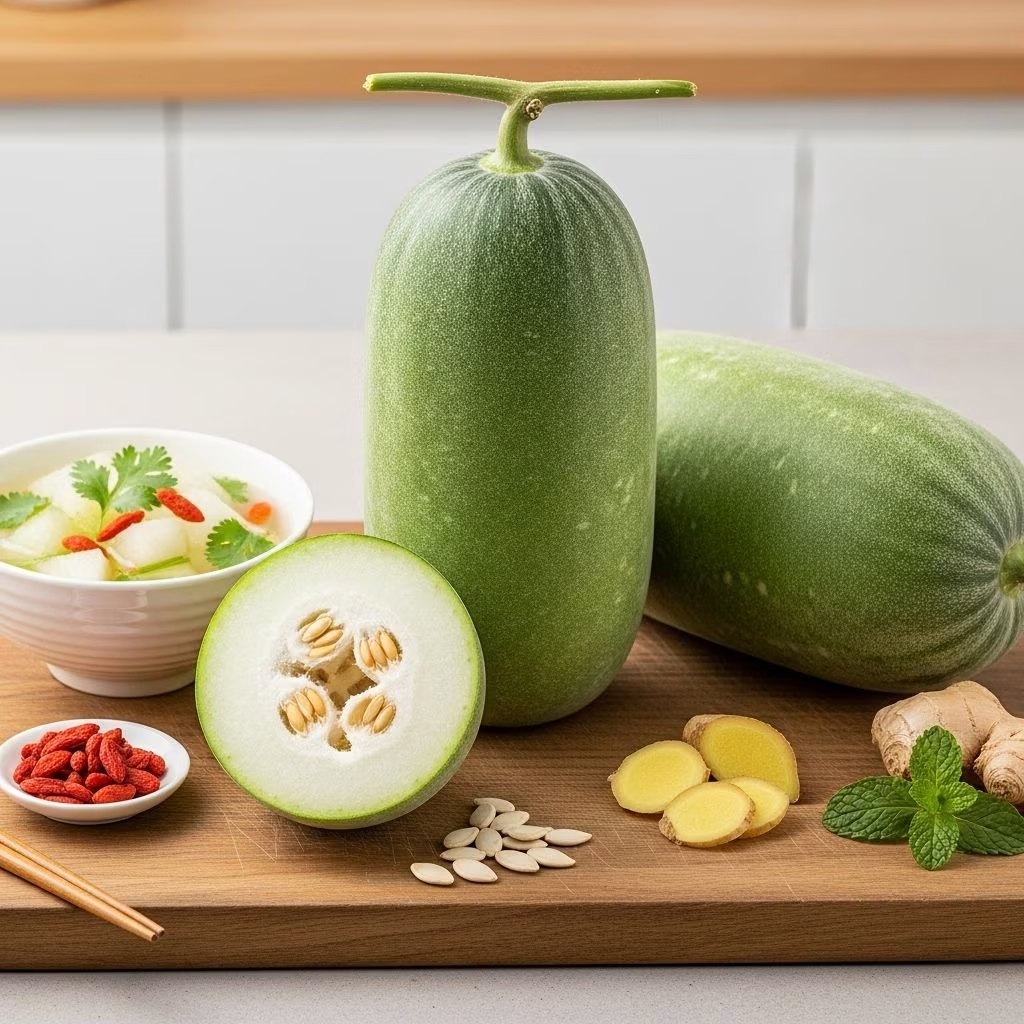
Introduction to Winter Melon
Winter melon, also called ash gourd, wax gourd, or scientifically, Benincasa hispida, is a member of the gourd family grown widely across South and East Asia. Resembling a large watermelon with a waxy outer coating, winter melon offers mild flavor and remarkable versatility. It is celebrated both for its nutritional profile and its traditional medicinal value. With over a thousand years of use in Ayurvedic and Chinese medicine, winter melon finds place in soups, stews, sweets, and herbal remedies.
Botanical Features
- Winter melon is an annual climbing vine bearing large, oblong fruits that can often weigh up to 40 lbs (18 kg).
- Young fruits are covered in soft hairs; mature melons develop a waxy, pale-green rind suitable for prolonged storage.
- The flesh is pale white and contains soft seeds embedded in its central cavity.
Global Names
- India: Petha or ash gourd
- China: Dong Gua
- Vietnam: Bi
- Malaysia: Labusai
- Thailand: Fak
Nutritional Profile of Winter Melon
Winter melon stands out as a low-calorie, high-fiber vegetable with hydrating properties and a range of essential vitamins and minerals. It is especially rich in vitamin C and B vitamins, making it both nourishing and beneficial for daily consumption.
| Nutrient | Amount | % Daily Value* |
|---|---|---|
| Calories | 13 kcal | 1% |
| Carbohydrates | 3 g | 1% |
| Net Carbs | 0.1 g | N/A |
| Protein | 0.4 g | 1% |
| Total Fat | 0.2 g | 0% |
| Fiber | 2.9 g | 12% |
| Vitamin C | 13 mg | 14% |
| Zinc | 0.6 mg | 6% |
| Iron | 0.4 mg | 5% |
| Calcium | 19 mg | 2% |
| Potassium | 6 mg | 0% |
| Vitamin B1 (Thiamin) | 0.04 mg | 3% |
| Vitamin B2 (Riboflavin) | 0.11 mg | 8% |
| Vitamin B3 (Niacin) | 0.4 mg | 2% |
| Dietary Fiber | 2.9 g | 12% |
*Percent daily values are for adult reference, based on a 2000 calorie diet.
Key Nutritional Highlights
- Low Calories: Only ~13 kcal per 100g, making it suitable for weight management.
- High Fiber: ~2.9g per 100g helps support digestion and satiety.
- Vitamin C: Supports immune health and skin vitality.
- Small but valuable levels of B vitamins (thiamin, riboflavin, niacin) necessary for energy conversion and nerve function.
- Contains important minerals: including calcium, zinc, iron, and potassium.
Health Benefits of Winter Melon
Winter melon is highly prized in traditional medicine and modern nutrition science for offering sustainable benefits to overall health. Scientific analysis, coupled with centuries of empirical use, highlights several core advantages:
Major Health Benefits
- Boosts Immune System: Rich in vitamin C, winter melon stimulates white blood cell production and strengthens body defenses against infection. Its zinc content further fortifies the immune response.
- Supports Digestive Health: High dietary fiber aids in regular bowel movements, alleviates constipation, and supports gut health. It can also relieve stomach upsets, cramping, bloating, and may reduce cholesterol levels.
- Promotes Collagen Production and Tissue Repair: Vitamin C is essential for synthesizing collagen, crucial for maintaining healthy skin, bones, blood vessels, and connective tissue.
- Facilitates Metabolic Energy: B vitamins, especially B2 (riboflavin), assist in energy metabolism, converting carbohydrates, fats, and proteins into usable cellular energy.
- Enhances Cognitive Function: Decent iron levels support red blood cell formation, which boosts oxygen supply to the brain, improving memory, focus, and concentration.
- Promotes Cardiovascular Health: Potassium and antioxidants help regulate blood pressure, reduce vascular tension, and may protect against arterial plaque buildup, indirectly safeguarding heart health.
- Antioxidant Action: Carotenes, flavonoids, and vitamin C help neutralize harmful free radicals, potentially slowing cellular aging and reducing risk for chronic diseases.
- Weight Management: Low-calorie, high-fiber content offers satiety without excess energy intake, promoting healthy weight loss or maintenance.
Traditional Medicinal Uses
- Winter melon has been used in Ayurvedic treatments for urinary disorders, respiratory conditions, and as a cooling agent in summer.
- In Traditional Chinese Medicine (TCM), it is thought to clear excess heat, detoxify the body, and promote fluid balance.
- Some folk remedies incorporate winter melon seeds for treating cough and fever.
Culinary Uses and Preparation
Winter melon’s neutral flavor and firm texture make it suitable for a wide variety of applications in both savory and sweet dishes. Typically, it absorbs spices and complements other ingredients rather than overpowering a dish.
How to Select and Prepare
- Select large, unblemished fruits with intact waxy rinds for long shelf-life.
- Wash thoroughly; peel the skin and scoop out seeds before slicing.
- Cubes, slices, or shreds can be used fresh, cooked, or preserved.
Popular Culinary Applications
- Soups and Stews: Sliced winter melon is a staple in Chinese, Vietnamese, and Indian broths, where it’s simmered with meat, mushrooms, and ginger.
- Desserts: In North India, winter melon is the key ingredient in ‘petha’ – a translucent candy made by boiling melon in sugar syrup. Sweet soups and drinks use winter melon for mild sweetness and cooling effect.
- Curries and Stir-fries: Chopped melon features in vegetarian and non-vegetarian curries, absorbing spices and sauces.
- Pickles and Preserves: Chunks are used in spiced pickles or chutneys with garlic, salt, and herbs.
- Juices and Teas: Cold-pressed juice and winter melon tea are popular in China and Taiwan, believed to offer cooling and detoxifying effects.
Sample Recipe: Chinese Winter Melon Soup
- Ingredients: Winter melon (peeled and cubed), chicken/pork broth, shiitake mushrooms, dried shrimp, ginger, cilantro.
- Method: Simmer melon cubes in broth with aromatics, adding mushrooms and shrimp for flavor. Serve hot, garnished with herbs.
Taste Profile: What Does Winter Melon Taste Like?
Winter melon stands out for its subtle, mild taste and pleasing texture. Its culinary appeal lies in its adaptability rather than strong flavor. Understanding its taste profile helps in pairing with complementary ingredients:
- Raw Flavor: Barely sweet, neutral, reminiscent of bland cucumber, sometimes with a faint grassy note.
- Cooked Texture: Becomes slightly translucent, tender but retains shape—absorbs broths, spices, or sugary syrups well.
- In Savory Dishes: Often described as cooling and light; it picks up and amplifies surrounding seasoning and broth flavors.
- In Sweets: Boiled in syrup, takes on a clearer, crisp texture that’s chewy yet soft, with understated sweetness.
Winter melon’s taste is ideal for those seeking a vegetable that enhances rather than dominates the dish, making it perfect for complex recipes and soothing, easily digestible meals.
Seasonality and Storage
- Winter melon is harvested in late summer to early autumn but keeps for months due to its thick, waxy skin exposure.
- Stored in a cool, dry place, the whole fruit can last up to six months.
- Cut pieces should be wrapped tightly and refrigerated for up to one week.
Potential Side Effects and Precautions
- Generally recognized as safe, with rare reports of adverse effects.
- Excess consumption may lead to digestive discomfort such as bloating or diarrhea in sensitive individuals due to fiber content.
- Always ensure the melon is fresh and uncontaminated, as spoiled gourd can produce toxins harmful for consumption.
Frequently Asked Questions (FAQs)
Q: Is winter melon suitable for people with diabetes?
A: Yes. Winter melon has a very low glycemic index and negligible net carbohydrates, making it safe for most diabetic diets. The fiber further helps regulate blood glucose spikes after meals.
Q: Can winter melon aid in weight loss?
A: Winter melon is low in calories and high in fiber, which helps increase satiety and diminish overall calorie intake. Its hydrating quality can also alleviate hunger sensations and support metabolism.
Q: How is winter melon used in traditional medicine?
A: It is consumed as a cooling agent to treat heat-related illnesses, urinary disorders, and respiratory conditions. Its seeds and juice are also used for coughs and fevers in Ayurveda and TCM.
Q: What are popular substitutes for winter melon in recipes?
A: Alternatives such as cucumber, bottle gourd, or chayote may be used, though texture and flavor profiles differ. These substitutes work best in soups or stews needing bulk and fiber.
Q: How can you tell when a winter melon is ripe?
A: A ripe winter melon feels firm, with a uniform, waxy skin. The fruit should sound hollow when tapped and remain heavy for its size.
Sources
- FoodStruct: Nutrition Facts for Winter Melon
- Lybrate: Health Benefits of Winter Melon
- OrganicFacts: Health Benefits and Nutritional Value of Winter Melon
- Dr. Axe: Winter Melon Nutrition, Benefits & Uses
References
- https://foodstruct.com/food/winter-melon
- https://www.lybrate.com/topic/winter-melon-petha-benefits-and-side-effects
- https://www.organicfacts.net/health-benefits/vegetable/winter-melon-benefits-nutritional-value.html
- https://draxe.com/nutrition/winter-melon/
- https://www.healthline.com/nutrition/ash-gourd
- https://isha.sadhguru.org/en/blog/article/ash-gourd-benefits-recipes
- https://www.thejoint.com/california/north-hollywood/noho-west-31198/337023-winter-melon-is-good-for-heart-cognitive-function
- https://timesofindia.indiatimes.com/life-style/food-news/this-is-what-happens-when-you-drink-winter-melon-juice-in-summers/photostory/121779138.cms


