


Introduction
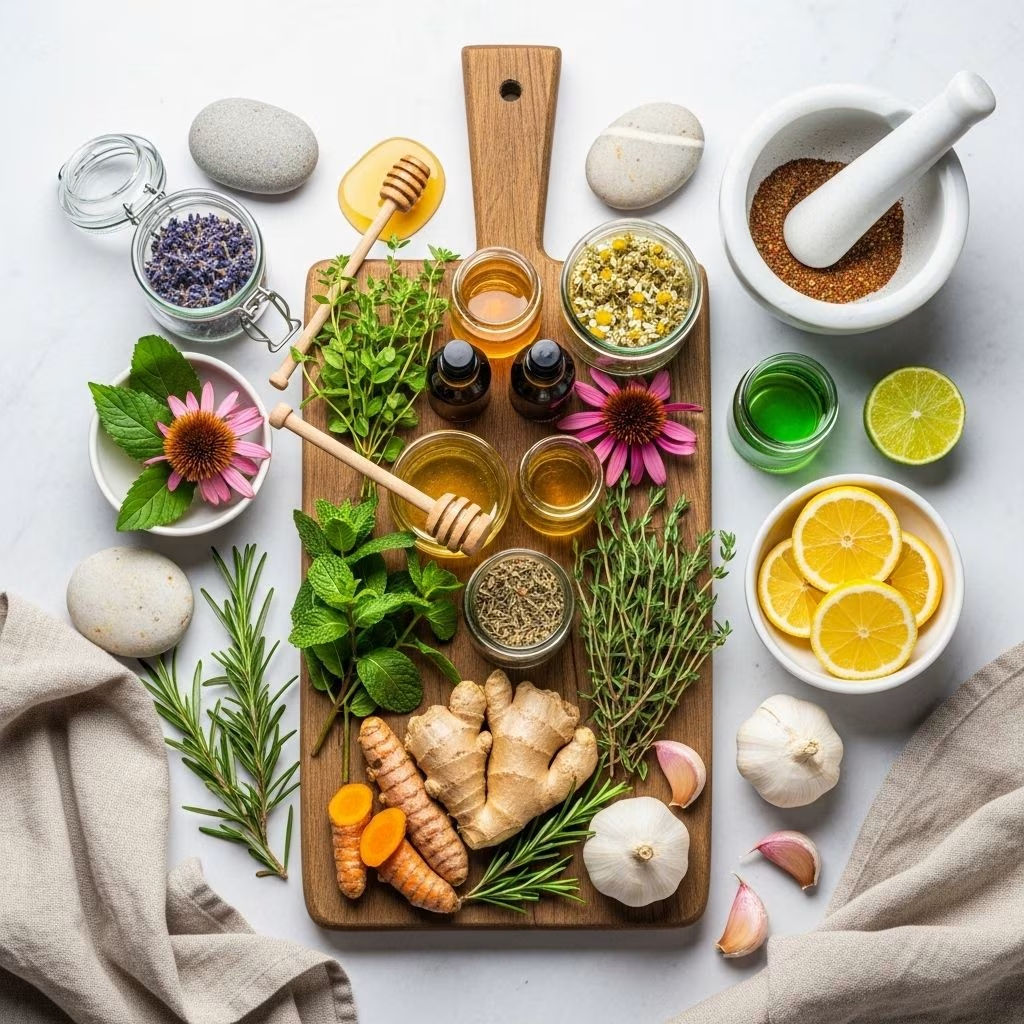
Home remedies have been a cornerstone of health and wellness for centuries, offering an alternative or complementary approach to conventional medicine. These natural solutions often involve the use of herbs, essential oils, and other organic ingredients to treat a wide range of ailments. Complete Guide to Natural Home Remedies, a book by Melissa Corkhill, is a seminal work in this field, providing over 100 recipes and numerous applications to support the mind, body, and soul.
The Importance of Natural Remedies
Natural remedies are gaining popularity as people seek more holistic and sustainable ways to manage their health. These remedies offer several benefits, including:
- Cost-Effective: Natural ingredients are often cheaper than pharmaceuticals, making them more accessible to a wider audience.
- Less Side Effects: Herbs and essential oils generally have fewer side effects compared to synthetic drugs.
- Empowerment: Using natural remedies empowers individuals to take control of their health.
Types of Natural Remedies
Natural remedies encompass a variety of forms, including teas, ointments, tonics, and tinctures, among others. Key types include:
- Herbal Remedies: These utilize parts of plants, such as leaves, roots, and flowers, to treat ailments.
- Essential Oils: Concentrated plant extracts that can be used in aromatherapy or applied topically.
- Organic Compounds: Utilize natural substances like honey, garlic, and lemon juice for health benefits.
Basic Home Remedy Toolkit
Melissa Corkhill emphasizes the importance of having a basic toolkit of natural remedies at home. Some essential items include:
- Garlic: Known for its antibacterial properties.
- Lemon Juice: Rich in vitamin C, it supports immune health.
- Aloe Vera: Soothes skin irritations and burns.
- Cloves: Used for pain relief and digestive issues.
- Ginger: Helps with nausea and digestive problems.
- Honey: Natural sweetener with antibacterial properties.
- Lavender Oil: Promotes relaxation and sleep.
- Chamomile: Calms anxiety and improves sleep quality.
- Calendula: Soothes skin irritations.
- Peppermint: Relieves indigestion and headaches.
- Comfrey: Supports wound healing.
Common Uses of Home Remedies
Home remedies are versatile and can address a wide array of health issues, such as:
- Acne and Skin Issues: Herbal treatments can help reduce inflammation and promote healing.
- Arthritis and Joint Pain: Certain herbs and oils provide anti-inflammatory benefits.
- Insomnia and Sleep Disorders: Oils like lavender and chamomile are known for their calming effects.
- Sore Throats and Respiratory Issues: Herbal teas and syrups can soothe the throat and aid in breathing.
- Food Poisoning and Digestive Issues: Natural remedies can help alleviate symptoms and support digestive health.
Organizing Home Remedies by Body Systems
The book is organized by the body’s primary systems, including:
- Digestive System: Remedies for issues like constipation, diarrhea, and indigestion.
- Nervous System: Treatments for anxiety, insomnia, and stress.
- Respiratory System: Solutions for coughs, colds, and allergies.
- Urinary System: Remedies for urinary tract infections and kidney stones.
- Skin: Treatments for acne, eczema, and wounds.
- Heart and Mind: Remedies that support cardiovascular health and mental well-being.
Building an Herbal Garden
Melissa Corkhill also provides guidance on growing your own herbal garden, which allows for a sustainable supply of fresh herbs for home remedies. Key considerations include:
- Climate and Soil: Choose herbs that thrive in your local climate and soil conditions.
- Space and Planning: Even small spaces can accommodate a few herbs.
- Care and Maintenance: Regular watering and pruning are essential for healthy herb growth.
Frequently Asked Questions (FAQs)
Q: What are some common natural ingredients used in home remedies?
A: Common ingredients include garlic, lemon juice, aloe vera, cloves, ginger, honey, lavender oil, chamomile, calendula, peppermint, and comfrey.
Q: How do I organize my home remedies for easy access?
A: Organize them by body systems (digestive, nervous, respiratory, etc.) or by the type of remedy (teas, ointments, etc.).
Q: Can I grow my own herbs for home remedies?
A: Yes, growing an herbal garden provides a convenient and sustainable source of fresh herbs for natural remedies.
Conclusion
Complete Guide to Natural Home Remedies is an invaluable resource for those seeking a holistic approach to health. By understanding the power of herbs and essential oils, individuals can take proactive steps towards a healthier lifestyle. This comprehensive guide not only provides practical recipes but also empowers readers to embrace self-sufficiency in their health journey.
References
- https://www.barnesandnoble.com/w/complete-guide-to-natural-home-remedies-melissa-corkhill/1144230024
- https://www.goodreads.com/book/show/184876680-complete-guide-to-natural-home-remedies
- https://foxchapelpublishing.com/products/complete-guide-to-natural-home-remedies
- https://www.goodreads.com/shelf/show/home-remedies
- https://calliopestreasures.com/product/complete-guide-to-natural-home-remedies/


