


Introduction to Dadiah
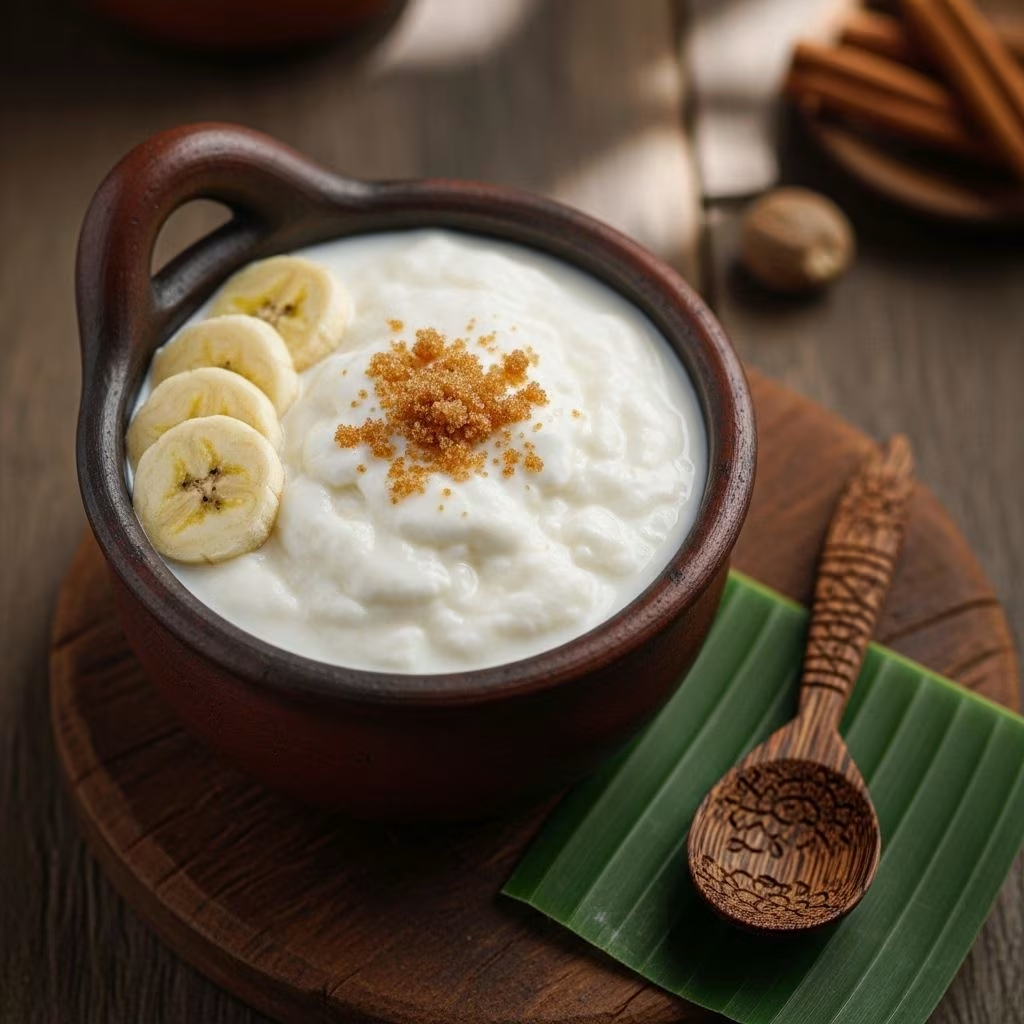
Dadiah represents one of Indonesia’s most unique and ancient fermented dairy products, deeply rooted in the cultural traditions of West Sumatra’s Minangkabau people. This traditional fermented buffalo milk stands as a testament to the ingenuity of indigenous food preservation techniques, offering a distinctive alternative to conventional yogurt that has sustained communities for generations. Unlike mass-produced dairy products, dadiah embodies a harmonious relationship between nature, tradition, and nutrition, utilizing bamboo tubes and banana leaves in its fermentation process to create a probiotic-rich beverage with remarkable health benefits.
The significance of dadiah extends far beyond its nutritional value, serving as a cultural bridge that connects modern Indonesians with their ancestral heritage. This remarkable fermented milk product showcases the sophisticated understanding of fermentation science possessed by traditional communities, long before modern microbiology explained the mechanisms behind its creation. Today, as interest in probiotic foods and traditional wellness practices resurges globally, dadiah stands poised to gain recognition as a valuable functional food with unique properties that distinguish it from other fermented dairy products.
Origin and History
The origins of dadiah trace back centuries to the highlands of West Sumatra, where the Minangkabau people developed this ingenious method of preserving and enhancing buffalo milk. Archaeological and cultural evidence suggests that this fermentation technique evolved as a practical solution to the challenges of preserving fresh dairy products in tropical climates without refrigeration. The use of bamboo tubes as natural fermentation vessels demonstrates the profound understanding these communities possessed regarding the antimicrobial properties of bamboo and the beneficial microorganisms present in their environment.
Historically, dadiah served multiple purposes within Minangkabau society, functioning not only as a nutritious food source but also as a symbol of hospitality and cultural identity. The preparation of dadiah was often a communal activity, with knowledge passed down through generations of women who understood the subtle nuances of fermentation timing, milk quality assessment, and proper storage techniques. This traditional knowledge system ensured the consistent production of high-quality dadiah while maintaining the cultural practices that gave meaning to its consumption.
The geographical specificity of dadiah production in West Sumatra relates directly to the region’s unique environmental conditions, including the presence of water buffalo, the availability of appropriate bamboo species, and the indigenous lactic acid bacteria strains that naturally occur in this ecosystem. These environmental factors created the perfect conditions for developing a fermented milk product with distinctive characteristics that could not be easily replicated in other regions.
How Dadiah is Made
The production of authentic dadiah follows a meticulous process that begins before dawn when farmers milk their water buffalo to ensure the freshest possible milk. The quality of buffalo milk used in dadiah production significantly exceeds that of conventional cow milk in terms of protein content, fat composition, and natural probiotic potential. Fresh buffalo milk contains indigenous lactic acid bacteria that serve as natural fermentation starters, eliminating the need for commercial bacterial cultures used in modern yogurt production.
The traditional fermentation vessel consists of bamboo tubes measuring approximately 20 to 30 centimeters in height, carefully selected for their maturity and natural antimicrobial properties. These bamboo containers are thoroughly cleaned and prepared before fresh, unheated buffalo milk is poured directly into them. The bamboo tubes are then sealed with banana leaves, which not only provide an airtight seal but also contribute beneficial compounds that enhance the fermentation process and final flavor profile of the dadiah.
The fermentation process occurs at ambient room temperature, typically taking between 24 to 48 hours to reach optimal consistency and flavor development. During this period, indigenous lactic acid bacteria naturally present in the buffalo milk, bamboo, and banana leaves work synergistically to transform the liquid milk into a thick, custard-like product. The spontaneous fermentation creates a complex ecosystem of beneficial bacteria, including various strains of Lactobacillus, which contribute to dadiah’s distinctive taste and probiotic properties.
Temperature control during fermentation relies entirely on environmental conditions, making the process highly dependent on seasonal variations and daily temperature fluctuations. Experienced dadiah makers can assess the progress of fermentation by observing subtle changes in the milk’s appearance and detecting the characteristic sour aroma that develops as lactic acid bacteria convert lactose into beneficial acids.
Taste and Texture Profile
Dadiah presents a unique sensory experience that distinguishes it from conventional yogurt and other fermented dairy products. The taste profile is characterized by a pronounced sourness that results from the natural lactic acid fermentation, creating a tangy, slightly acidic flavor that can be quite intense for those unfamiliar with traditional fermented foods. This distinctive sourness is more pronounced than typical commercial yogurt due to the wild fermentation process and the absence of added sugars or flavor modifiers.
The texture of properly fermented dadiah ranges from thick and custard-like to firm and curd-like, depending on the fermentation duration and environmental conditions. When fermented for the optimal 24-48 hour period, dadiah achieves a smooth, creamy consistency that holds its shape when removed from the bamboo container. Extended fermentation periods can result in a firmer, more compact texture with visible separation of whey, indicating the complete transformation of milk proteins through bacterial action.
The aroma of dadiah is distinctively sour and slightly funky, reflecting the complex bacterial fermentation that occurs within the bamboo vessels. This natural fermentation creates aromatic compounds that some describe as earthy or rustic, contributing to the overall sensory experience that connects consumers with traditional food production methods. The bamboo containers and banana leaf coverings also impart subtle vegetal notes that enhance the complexity of dadiah’s flavor profile.
Unlike mass-produced yogurt with standardized taste and texture, each batch of dadiah exhibits unique characteristics influenced by factors such as the specific buffalo herd, seasonal variations in milk composition, bamboo tube age, and local environmental conditions. This variability is considered a positive attribute by traditionalists who appreciate the artisanal nature of dadiah production and the connection to local terroir.
Nutritional Content
Dadiah offers exceptional nutritional value that surpasses many conventional dairy products, primarily due to the superior nutritional profile of buffalo milk and the beneficial transformations that occur during fermentation. Buffalo milk contains higher levels of protein, calcium, and beneficial fats compared to cow milk, providing a more nutrient-dense base for fermentation. The protein content in dadiah is particularly noteworthy, offering complete amino acid profiles essential for muscle development, immune function, and overall health maintenance.
The fermentation process enhances the bioavailability of nutrients present in buffalo milk while creating additional beneficial compounds through bacterial metabolism. Lactic acid bacteria convert lactose into easily digestible lactic acid, making dadiah suitable for individuals with lactose intolerance. This bacterial action also produces B-vitamins, particularly B12, folate, and riboflavin, which are essential for nervous system function and energy metabolism.
Calcium content in dadiah exceeds that found in regular milk due to the concentration effects of fermentation and the naturally higher calcium levels in buffalo milk. This makes dadiah an excellent source of bioavailable calcium for bone health, particularly important in regions where dairy consumption may be limited. The presence of beneficial bacteria also enhances calcium absorption in the digestive tract, maximizing the nutritional benefits of this essential mineral.
The fat composition of dadiah includes beneficial short-chain fatty acids produced during fermentation, which provide energy and support digestive health. These fatty acids also contribute to the creamy texture and rich mouthfeel that characterizes high-quality dadiah. The natural fermentation process creates conjugated linoleic acid (CLA), a beneficial fatty acid associated with various health benefits including immune system support and potential anti-inflammatory properties.
Health Benefits of Dadiah
The health benefits of dadiah stem from its rich probiotic content and the unique strains of lactic acid bacteria that develop during natural fermentation. Scientific research has identified numerous beneficial bacterial strains in dadiah, including Lactobacillus plantarum, which exhibits remarkable antimutagenic and antipathogenic properties. These beneficial bacteria support digestive health by promoting a balanced gut microbiome, enhancing nutrient absorption, and providing protection against harmful pathogens.
Studies have demonstrated that the indigenous lactic acid bacteria found in dadiah possess exceptional acid and bile tolerance, allowing them to survive passage through the digestive system and establish beneficial colonies in the intestinal tract. This characteristic makes dadiah particularly effective as a probiotic food, potentially superior to commercial probiotic supplements that may not survive the harsh conditions of digestion. The competitive and displacing properties of dadiah bacteria against pathogenic microorganisms provide natural protection against foodborne illnesses and digestive disorders.
Research has revealed that specific strains of Lactobacillus plantarum isolated from dadiah demonstrate remarkable abilities to remove microcystin-LR, a dangerous cyanobacterial toxin found in contaminated water sources. This discovery suggests potential applications for dadiah bacteria in environmental remediation and food safety, offering economical solutions for decontaminating water supplies in regions affected by algal blooms.
The regular consumption of dadiah may support immune system function through the modulation of gut-associated lymphoid tissue, which plays a crucial role in overall immune response. The beneficial bacteria in dadiah help maintain the integrity of the intestinal barrier, preventing the translocation of harmful substances while promoting the production of antimicrobial compounds that protect against infections.
Additional health benefits associated with dadiah consumption include potential improvements in cholesterol levels, enhanced mineral absorption, and support for lactose digestion. The fermentation process creates enzymes that aid in protein digestion, making the nutrients in dadiah more accessible to the body. Some preliminary research suggests that regular consumption of traditional fermented dairy products like dadiah may be associated with reduced inflammation and improved cardiovascular health markers.
Traditional Uses and Consumption
Within Minangkabau culture, dadiah serves multiple traditional purposes that extend beyond basic nutrition to encompass social, ceremonial, and therapeutic applications. The most common traditional consumption method involves mixing dadiah with ampiang, traditional glutinous rice krispies, and palm sugar to create a balanced meal that combines protein, carbohydrates, and natural sweeteners. This combination, known as ampiang dadiah, represents a complete nutritional package that has sustained generations of Minangkabau people.
Dadiah is traditionally consumed at breakfast, providing sustained energy and probiotics to start the day with optimal digestive health. The timing of consumption reflects traditional understanding of circadian rhythms and the body’s natural processes, with morning intake allowing maximum benefit from the probiotic bacteria throughout the day. This practice demonstrates the sophisticated nutritional knowledge embedded in traditional food cultures.
In traditional medicine practices, dadiah has been used to address various digestive ailments and as a general health tonic. Elder community members often recommend dadiah consumption for individuals recovering from illness, based on generations of observed benefits. The natural antibiotics produced by lactic acid bacteria in dadiah were recognized long before modern science understood the mechanisms behind these therapeutic effects.
Ceremonial uses of dadiah include its presentation to honored guests and its inclusion in traditional celebrations and festivals. The preparation and sharing of dadiah represents hospitality and cultural continuity, connecting contemporary Minangkabau people with their ancestral traditions. The communal aspects of dadiah production and consumption strengthen social bonds within communities and preserve traditional knowledge systems.
Alternative traditional consumption methods include pairing dadiah with hot rice and sambal, creating a savory combination that balances the sourness of the fermented milk with spicy chili paste. This combination provides a complete meal with probiotics, carbohydrates, and the beneficial compounds found in chili peppers, demonstrating the holistic approach to nutrition embedded in traditional food practices.
Modern Applications
Contemporary interest in dadiah has expanded beyond traditional consumption to include potential applications in functional food development, probiotic supplementation, and sustainable agriculture practices. Food scientists are investigating methods to scale dadiah production while maintaining its beneficial properties, exploring modified fermentation techniques that preserve the unique bacterial strains while ensuring consistent quality and safety standards.
The pharmaceutical and nutraceutical industries have shown increasing interest in isolating and characterizing the beneficial bacterial strains found in dadiah for potential use in commercial probiotic products. The unique properties of these wild bacterial strains, particularly their superior survival rates and pathogen inhibition capabilities, make them valuable candidates for developing next-generation probiotic supplements.
Environmental applications of dadiah bacteria, particularly the microcystin-removal capabilities of Lactobacillus plantarum strains, present opportunities for developing biological water treatment systems. These natural detoxification processes could provide cost-effective solutions for communities affected by harmful algal blooms, offering an environmentally friendly alternative to chemical treatment methods.
Modern preservation techniques are being explored to extend the shelf life of dadiah while maintaining its probiotic properties, potentially enabling wider distribution and commercial viability. Freeze-drying and other gentle preservation methods could make dadiah accessible to consumers outside of West Sumatra while preserving the beneficial bacteria that provide its health benefits.
Research institutions are collaborating with traditional dadiah producers to document and preserve the traditional knowledge associated with dadiah production while investigating opportunities for sustainable commercialization. These partnerships aim to create economic opportunities for traditional communities while maintaining the cultural integrity of dadiah production methods.
Availability and Where to Find
Authentic dadiah remains primarily available in West Sumatra, with the highest quality products found in traditional markets and specialized vendors in cities like Bukittinggi. The limited geographical distribution reflects both the specific environmental conditions required for traditional production and the challenges associated with transporting a live fermented product without refrigeration. Traditional dadiah producers typically sell their products locally, maintaining direct relationships with customers who understand and appreciate the artisanal nature of the product.
Finding authentic dadiah even within West Sumatra can be challenging, as traditional production methods require specialized knowledge and suitable buffalo herds. Many producers operate on a small scale, selling through informal networks rather than established retail channels. The seasonal nature of buffalo milk production and environmental factors affecting fermentation mean that dadiah availability can fluctuate throughout the year.
Urban centers in Indonesia may occasionally offer commercial versions of dadiah or dadih, though these products often differ significantly from traditional dadiah in terms of production methods, bacterial strains, and overall quality. Commercial versions may use cow milk, artificial fermentation starters, or modified production processes that alter the fundamental characteristics that make traditional dadiah unique.
For international consumers interested in experiencing dadiah, travel to West Sumatra represents the most authentic option, allowing visitors to observe traditional production methods and taste fresh dadiah prepared using centuries-old techniques. Cultural food tours and traditional markets provide opportunities to learn about dadiah within its proper cultural context while supporting local producers and traditional practices.
Online platforms and specialty food importers occasionally offer freeze-dried or preserved versions of Indonesian fermented products, though these may not provide the full sensory experience or probiotic benefits of fresh, traditionally-produced dadiah. Consumers seeking similar probiotic benefits might explore other traditional fermented dairy products from various cultures while appreciating the unique characteristics that make dadiah culturally and nutritionally significant.
Dadiah vs Regular Yogurt
| Characteristic | Dadiah | Regular Yogurt |
|---|---|---|
| Milk Source | Fresh buffalo milk | Cow milk (usually pasteurized) |
| Fermentation Method | Spontaneous fermentation with wild bacteria | Controlled fermentation with commercial starters |
| Container | Bamboo tubes with banana leaf covers | Sterile industrial containers |
| Fermentation Time | 24-48 hours at room temperature | 4-8 hours at controlled temperature |
| Bacterial Strains | Indigenous wild strains (Lactobacillus plantarum, etc.) | Standardized commercial strains |
| Taste | Intensely sour, complex, variable | Mildly tangy, consistent |
| Texture | Thick, custard-like to firm | Smooth, creamy, uniform |
| Nutritional Content | Higher protein, calcium from buffalo milk | Standardized nutritional profile |
| Probiotic Diversity | Complex ecosystem of wild strains | Limited number of commercial strains |
| Cultural Significance | Deep traditional and ceremonial importance | Modern commercial product |
| Availability | Limited to West Sumatra region | Globally available |
| Shelf Life | 3-5 days refrigerated | Several weeks refrigerated |
Frequently Asked Questions
What does dadiah taste like compared to regular yogurt?
Dadiah has a much more intense, sour taste than regular yogurt due to its wild fermentation process. The sourness is more pronounced and complex, with earthy undertones from the bamboo and banana leaf fermentation environment. Many first-time tasters find it quite acidic compared to commercial yogurt.
Is dadiah safe to consume for people with lactose intolerance?
Yes, dadiah is generally safe for people with lactose intolerance because the fermentation process converts most of the lactose into lactic acid. The beneficial bacteria in dadiah continue this conversion process, making it easier to digest than fresh milk.
How long does dadiah last and how should it be stored?
Fresh dadiah should be consumed within 1-2 days of fermentation for optimal taste and probiotic benefits. It can be refrigerated for up to 3-5 days, but the quality and beneficial bacteria count may decline over time. Traditional storage does not involve refrigeration, requiring prompt consumption.
Can dadiah be made at home outside of West Sumatra?
While you can attempt to recreate dadiah using buffalo milk and bamboo containers, the authentic product relies on indigenous bacterial strains specific to the West Sumatra environment. Home versions may lack the unique microbial ecosystem that gives traditional dadiah its distinctive properties and health benefits.
What are the main health benefits of consuming dadiah regularly?
Regular dadiah consumption provides beneficial probiotics that support digestive health, enhance immune function, and may help protect against harmful pathogens. The unique bacterial strains in dadiah show superior survival rates in the digestive system and offer antimutagenic properties not found in commercial probiotics.
Why is dadiah only produced in West Sumatra?
Dadiah production is limited to West Sumatra due to the specific combination of environmental factors required: indigenous lactic acid bacteria, appropriate bamboo species, water buffalo herds, and traditional knowledge systems. These elements create a unique terroir that cannot be easily replicated elsewhere.
How is dadiah traditionally served and eaten?
Dadiah is traditionally served mixed with ampiang (glutinous rice krispies) and palm sugar for breakfast, creating a balance of sour, sweet, and crunchy textures. It can also be eaten with hot rice and sambal for a savory combination, or consumed plain as a probiotic health drink.
Conclusion
Dadiah represents far more than a simple fermented dairy product; it embodies centuries of traditional wisdom, sustainable food production practices, and profound cultural heritage. This remarkable buffalo milk creation from West Sumatra offers unique health benefits through its complex ecosystem of beneficial bacteria, superior nutritional profile, and natural fermentation processes that modern food science is only beginning to fully understand and appreciate.
The distinctive characteristics of dadiah, from its intense sour flavor to its exceptional probiotic properties, demonstrate the sophistication of traditional food systems that developed without modern technology yet achieved remarkable results in terms of nutrition and food safety. The indigenous lactic acid bacteria found in dadiah show properties that surpass many commercial probiotic products, offering hope for developing more effective functional foods based on traditional knowledge.
As global interest in sustainable food production, traditional wellness practices, and probiotic foods continues to grow, dadiah stands as an exemplary model of how ancestral wisdom can inform contemporary nutrition science. The challenge lies in preserving the traditional production methods and cultural significance of dadiah while exploring opportunities for wider distribution and modern applications that respect its origins.
For those fortunate enough to experience authentic dadiah, it provides not only exceptional nutritional benefits but also a direct connection to the rich cultural heritage of the Minangkabau people. This traditional fermented milk serves as a reminder that the most effective functional foods often emerge from generations of cultural knowledge rather than laboratory innovations, offering valuable lessons for creating sustainable and healthful food systems for the future.
References
- https://en.wikipedia.org/wiki/Dadiah
- https://vacuumflask.rangdong.com.vn/news/dadiah-indonesian-version-of-buffalo-yogurt-in-bamboo-tube
- https://pubs.aip.org/aip/acp/article/2673/1/120008/2885339/Dadiah-As-a-highly-nutritious-probiotic-drink
- https://www.semanticscholar.org/paper/From-tradition-to-innovation:-dadih,-the-tribe’s-Tresnadiana-Haryo/052d395e4ee5052598864cc7bdbcaa0dd3b6bd7d
- https://rjptonline.org/AbstractView.aspx?PID=2023-16-2-26
- https://ouci.dntb.gov.ua/en/works/lR8rMVK7/


