


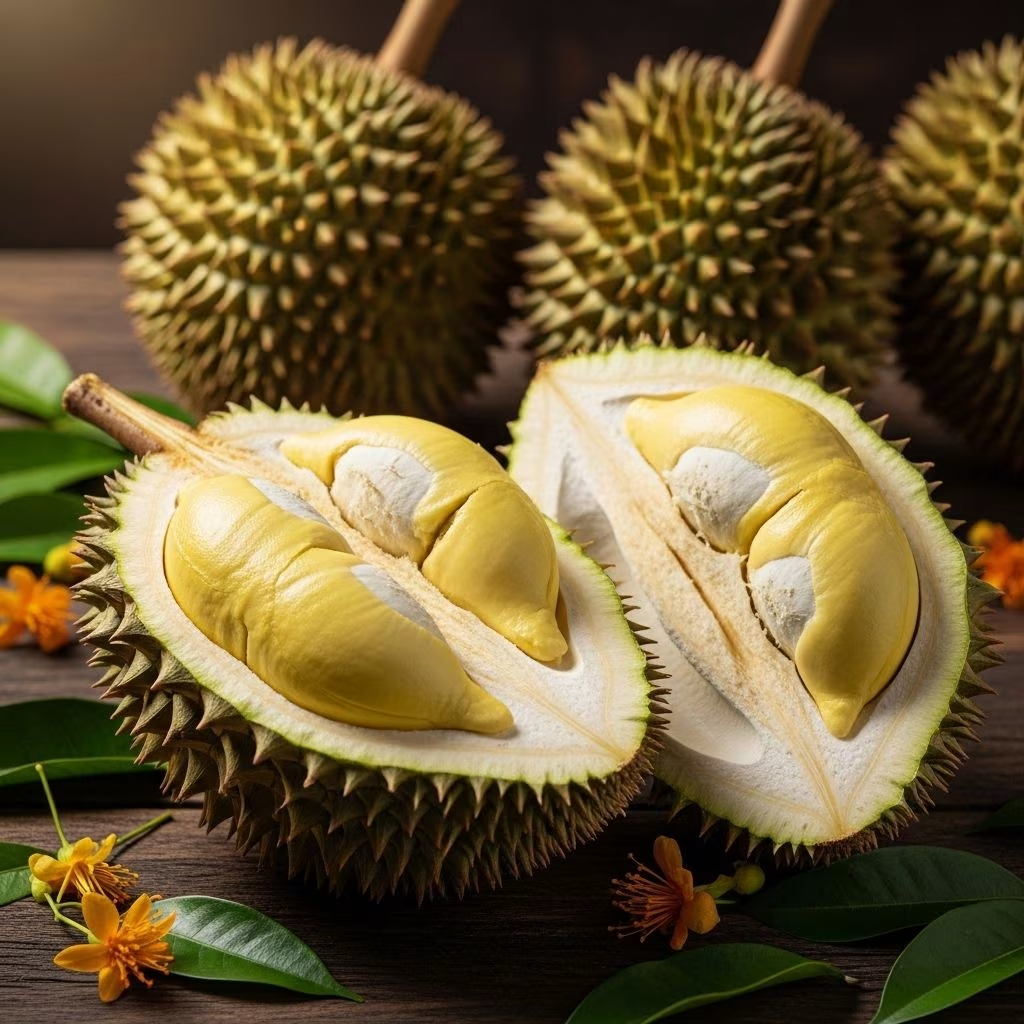
Known as the “king of tropical fruits,” durian has fascinated, delighted, and occasionally repelled people across Southeast Asia and beyond. With its commanding appearance, notorious aroma, and rich, custard-like flesh, durian is as enigmatic as it is iconic. This in-depth guide unpacks the history, nutritional value, health benefits, culinary uses, and the singular taste experience of durian.
What Is Durian? Origins and Description
Durian refers to several species in the genus Durio, with Durio zibethinus being the most widely consumed. Native to the lush rainforests of Southeast Asia (notably Malaysia, Thailand, and Indonesia), durian fruits have been valued for centuries, both as food and in traditional medicine.
- Physical traits: Large (6-12 inches long), oval to round, with a thick rind covered in sharp, thorn-like spikes.
- Weight: Typically 2–7 pounds (1–3 kg), sometimes much heavier.
- Color: Green to brown exterior. The edible flesh ranges from pale yellow to deep gold and even reddish or white (depending on the species).
- Seeds: Large, glossy, and brown, encased within the creamy flesh.
Durian’s reputation comes not only from its unique appearance but primarily from its strong, sometimes polarizing aroma, which has been described as anything from invitingly sweet to intensely repellent.
Botany and Life Cycle of the Durian
The journey of durian, from seed to fruit, is a tale of patience and tropical resilience.
- Lifespan: Durian trees can live 80–150 years, often improving in fruit quality with age.
- Growth stages:
- Seed Germination: Seeds germinate quickly and robustly, even in challenging environments.
- Vegetative Growth: Rapid growth during early years. Trees can reach over 150 feet (46 m).
- Reproductive Phase: Mature trees (5–7 years old) produce flowers and, eventually, fruit clusters.
- Pollination: Cross-pollination is common, with bats and other nocturnal pollinators.
- Fruit Development: Takes about 3 months from pollination to harvest. Fruits mature and fall naturally when ripe.
The complexities of durian’s development ensure that the fruit available on market stalls is the product of nurtured patience and attentive cultivation.
Nutritional Benefits of Durian
Durian is not only revered for its flavor, but also for its substantial nutritional profile that supports well-being.
| Nutrient (per 100g) | Amount |
|---|---|
| Calories | ~147 kcal |
| Carbohydrates | 27.1 g |
| Protein | 1.5 g |
| Fat | 5.3 g |
| Fiber | 3.8 g |
| Vitamin C | ~20 mg (about 33% DV) |
| Potassium | ~436 mg |
| B-vitamins | Notable (B1, B2, B6, Folate) |
- High in carbohydrates for energy.
- Rich in dietary fiber, supporting digestive health.
- Contains healthy fats from plant sources, with no cholesterol.
- Packed with vitamins (like Vitamin C) and minerals (such as potassium and magnesium).
Potential Health Benefits
Durian’s prominence in traditional diets comes with a reputation for conferring various health benefits:
- Antioxidant properties: Vitamins C and E, along with phytonutrients, help neutralize free radicals.
- Supports digestive health: The fiber content aids bowel movements and promotes gut health.
- Energy-dense food: High calorie content makes durian a good energy source for physically active individuals.
- Heart health: Potassium supports healthy blood pressure, and the fruit’s low sodium may benefit cardiovascular function.
- Blood sugar regulation: The presence of fiber helps buffer blood sugar spikes compared to more refined sweets.
- Traditional medicine: Historically utilized for alleviating fever, reducing inflammation, and as an aphrodisiac (although scientific evidence is limited).
Caution: Durian is nutrient-dense and high in calories. Moderation is advised, especially for those with diabetes or people managing calorie intake. Consumption of durian with alcohol is not recommended, as it may cause undesirable effects.
Cultural and Culinary Uses
Durian is interwoven into the fabric of Southeast Asian culinary traditions, festivals, and folklore.
- Fresh consumption: Eaten raw at markets, roadside stalls, and family gatherings.
- Prominent in desserts: Used to flavor cakes, pastries, ice cream, shaved ice, sticky rice, and puddings.
- Savory applications: Incorporated in curries, soups, and with sticky rice (especially in Malaysia and Indonesia).
- Popular processed forms: Candied durian, durian chips, durian pastes, and as a filling in confections.
- Fermented products: ‘Tempoyak’—fermented durian paste used as a condiment or cooked with fish.
- Banned in transport/public places: Due to its odor, durian is restricted in many hotels, taxis, and public spaces in countries such as Singapore, Thailand, and Malaysia.
How To Eat Durian: Opening and Consumption
Opening a durian requires care due to its tough spiny husk:
- Place the fruit stem side down on a clean surface.
- With a sharp knife, make a 3–4 inch incision across the top, using gloves or a towel to protect your hands.
- Pry apart the shell until split, exposing the pods of yellow, custard-like flesh inside.
- Extract the flesh with your hands or a spoon, being mindful of the large seeds.
- Remove seeds before eating; they can be cooked and eaten separately.
Tip: Wash your hands and mouth with soap and water (or running warm water over the shell) after handling durian, as the smell can linger.
Taste and Aroma: What Does Durian Smell and Taste Like?
Durian’s aroma and flavor are legendary. To many, it’s an acquired taste—intense, complex, and unforgettable.
- Aroma:
- Compared to overripe cheese, garlic, sewage, rotten onions, or even gas leaks.
- For some, the smell is so overpowering it triggers a strong aversion—hence bans in public spaces.
- Others, however, acclimate and even find it sweet, fragrant, or enticing.
- Taste and Texture:
- The flesh is creamy, rich, and custard-like in consistency.
- Flavors described as a blend of caramel, vanilla, almond, egg custard, and subtle undertones of onion or garlic.
- Some varieties lean nutty or cheesy; others exhibit mild bitterness or a light alcoholic tang.
- Each variety can present subtle differences in both flavor intensity and sweetness.
Despite—or because of—its polarizing scent, durian remains a delicacy with cult-like devotees across Asia and growing popularity worldwide.
Popular Durian Varieties
- Durio zibethinus: The most widely traded and recognized worldwide; includes several subvarieties such as Monthong, D24, and Musang King.
- Musang King (Mao Shan Wang): Coveted for its bittersweet, complex flavor and vivid yellow, creamy flesh.
- Monthong: Large fruits with thick, mildly sweet flesh—popular for first-time tasters.
- D24: Dense, firm texture; a favorite among connoisseurs for its subtle balance of bitterness and sweetness.
- Chanee and Kradum: Famous in Thailand, each with distinct flavor and textural differences.
With dozens of local cultivars and wild varieties, superfans may spend years exploring the breadth of durian flavors across regions and seasons.
Storing and Preparing Durian
- Fresh durian is best consumed immediately after opening. If storing, wrap tightly and refrigerate for up to 3–5 days.
- Durians can be frozen and thawed for use in desserts and smoothies; the flavor often intensifies.
- Prepared durian is available in vacuum-sealed packs, pastes, candies, and baked items for easier use and milder aroma.
- Durian seeds are edible when cooked (boiled or roasted) but never raw, due to potential toxicity.
Frequently Asked Questions (FAQs)
Q: Why is durian illegal or banned in some places?
A: Due to its powerful odor, durian is prohibited in many hotels, public transport, and airports in parts of Southeast Asia to avoid inconvenience to others.
Q: Is durian safe to eat for everyone?
A: Durian is generally safe for most healthy individuals. People with diabetes or heart conditions should consume it in moderation due to its high sugar and calorie content.
Q: Can you eat durian seeds?
A: Yes, but only after cooking (boiling or roasting). Raw seeds are toxic and should never be eaten uncooked.
Q: How do you get rid of durian smell?
A: Washing hands with soap and running warm water over the fruit’s shell neutralizes the lingering odor. Rinsing your mouth is recommended after eating.
Q: What makes durian’s flavor so complex?
A: Over 50 unique odor compounds—many found only in durian—contribute to its singular taste and aroma experience, blending sweet, savory, and sharp notes.
Conclusion
Durian’s legend as the king of fruits is built on a foundation of botanic wonder, culinary creativity, considerable health benefits, and a flavor profile that challenges and rewards in equal measure. For those willing to embrace its aroma, durian offers a gustatory adventure unlike any other, making it an essential bucket-list fruit for gourmets, travelers, and the nutritionally curious alike.
References
- https://growplant.org/blog/durian-life-cycle/
- https://www.spatuladesserts.com/what-is-durian-fruit-what-does-it-smell-like-ultimate-guide/
- https://www.tilda.com/blog/ingredient-guide/a-guide-to-durian/
- https://foodfarmhub.com/blogs/sourcing-and-purchasing-tips/thai-durian-the-ultimate-guide-for-fruit-enthusiasts
- https://www.yearofthedurian.com/start-here
- https://www.migrationology.com/durian-fruit-bangkok-thailand-guide/
- https://www.senseasia.net/our-blog/guide-to-the-durian-fruit
- https://asianinspirations.com.au/food-knowledge/the-king-of-fruits-a-guide-to-durian/
- https://www.cargohandbook.com/Durian


