


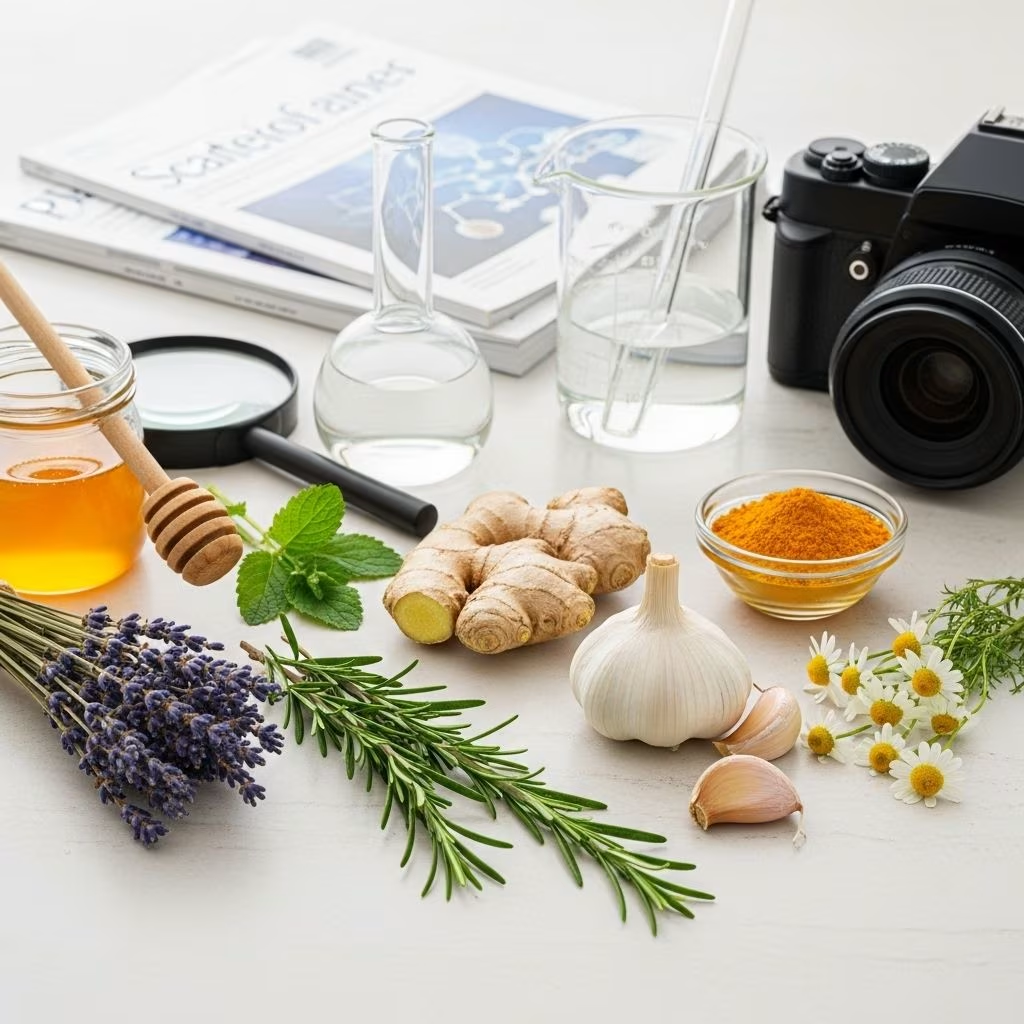
Introduction
In a world overflowing with health fads and wellness trends, it’s tricky to separate what actually works from what’s just clever marketing. Many people seek out natural remedies—herbs, foods, and lifestyle changes—hoping for gentle, effective relief from everyday health issues. But do they really work? This article explores natural remedies that are backed by scientific evidence, covers how and when to use them, and addresses common questions and misconceptions.
Why Choose Natural Remedies?
Natural remedies often draw from centuries of traditional use, and a growing body of modern research supports their effectiveness for some health concerns. They can be a good option for those looking to avoid pharmaceuticals or to complement conventional treatment. However, “natural” doesn’t always mean safe or effective—some natural products can have side effects or interact with medications. Always consult your healthcare provider before starting any new remedy, especially if you have a medical condition or take prescription drugs.
Evidence-Based Natural Remedies for Common Ailments
Cold and Flu Relief
The common cold and seasonal flu are some of the most frequent reasons people turn to natural remedies.
- Zinc: Taken at the first sign of a cold, zinc can shorten the duration and severity of symptoms. It’s most effective as lozenges or syrup.
- Vitamin C: While not a cure, regular vitamin C intake may modestly reduce the duration and severity of colds in some people.
- Honey: For coughs and sore throats, especially in children, honey is more effective than placebo and some over-the-counter cough syrups.
Digestive Health
From mild indigestion to persistent stomach issues, several natural remedies have strong evidence behind them.
- Peppermint Oil: Capsules of peppermint oil can relieve symptoms of irritable bowel syndrome (IBS), including bloating and discomfort.
- Ginger: Ginger is recognized for its anti-nausea effects and can help with motion sickness, morning sickness, and chemotherapy-induced nausea.
- Probiotics: Certain strains of probiotics can support gut health and help with diarrhea, constipation, and general digestive wellness.
Pain and Inflammation
Natural remedies have a long history of use for pain and inflammation, with some supported by modern research.
- Turmeric/Curcumin: The active compound in turmeric, curcumin, has well-studied anti-inflammatory effects and may help with arthritis and other inflammatory conditions.
- White Willow Bark: This herb contains salicin, a compound similar to aspirin. It can be effective for mild pain relief.
Sleep and Anxiety
For those dealing with sleeplessness or anxiety, certain herbs have a calming effect that’s supported by research.
- Valerian Root: Commonly used for insomnia, valerian may help some people fall asleep faster and improve sleep quality.
- Chamomile: Chamomile tea has mild sedative effects and is a popular, gentle remedy for relaxation and sleep.
Skin Care
Natural remedies can also play a role in skin health, though the evidence varies.
- Aloe Vera: Widely used for minor burns and sunburn, aloe vera can soothe and support healing.
- Tea Tree Oil: Possessing antibacterial and antifungal properties, tea tree oil may help with acne and minor skin infections.
Herbal Medicine: What Does the Research Say?
Herbal medicines—such as Ginkgo biloba, saw palmetto, and St. John’s wort—have been studied extensively. Some, like Ginkgo biloba, have shown modest benefits for conditions like dementia, while others, such as saw palmetto, may improve symptoms of benign prostate hyperplasia. The active ingredients, dosage, and quality can greatly affect outcomes.
Natural Doesn’t Always Mean Safe or Effective
While natural products can be beneficial, they’re not without risks. Some may interact with medications, cause side effects, or lack rigorous evidence for their effectiveness. Always choose reputable brands, consult your healthcare provider, and avoid using natural remedies as a substitute for professional medical care when needed.
How to Use Natural Remedies Wisely
- Start with the evidence: Look for remedies supported by clinical studies or long-standing traditional use with good safety profiles.
- Check for interactions: Some herbs and supplements can interact with prescription medications.
- Consider dosage and quality: Standardized extracts often provide more reliable results than raw herbs.
- Monitor your response: Pay attention to how your body reacts and discontinue use if you experience adverse effects.
Frequently Asked Questions (FAQs)
Q: Are natural remedies a substitute for prescription medication?
A: Not usually. While some natural remedies can complement conventional treatment, they should never replace prescribed medications without your doctor’s approval.
Q: How can I know if a natural remedy really works?
A: Look for remedies with scientific studies, preferably randomized controlled trials, and be wary of products with exaggerated claims or little research.
Q: Are there risks to using natural remedies?
A: Yes, natural remedies can cause side effects, interact with medications, or not work as claimed. Always consult a healthcare professional before use.
Q: Can children and pregnant women use natural remedies?
A: Some remedies are safe, but many have not been well studied in these groups. Consult your healthcare provider first.
Q: Where can I find high-quality natural remedies?
A: Look for products from reputable manufacturers, ideally those that have been third-party tested for purity and potency.
Conclusion
Natural remedies can offer real benefits for a variety of common health concerns, from colds and digestive issues to pain, sleep, and skin care. However, not every remedy lives up to its claims, and natural doesn’t automatically mean safe. By focusing on evidence-based options, using products wisely, and consulting your healthcare provider, you can make informed choices about incorporating natural remedies into your wellness routine.
References
- https://pmc.ncbi.nlm.nih.gov/articles/PMC1127780/
- https://www.nccih.nih.gov/health/know-science/natural-doesnt-mean-better
- https://www.mayoclinic.org/tests-procedures/complementary-alternative-medicine/in-depth/natural-vs-safe-health-remedies/art-20587690
- https://www.frontiersin.org/journals/pharmacology/articles/10.3389/fphar.2023.1234701/full
- https://www.who.int/news-room/feature-stories/detail/traditional-medicine-has-a-long-history-of-contributing-to-conventional-medicine-and-continues-to-hold-promise
- https://www.takingcharge.csh.umn.edu/there-good-scientific-evidence
- https://www.xiahepublishing.com/m/2835-6357/FIM-2023-00086


