


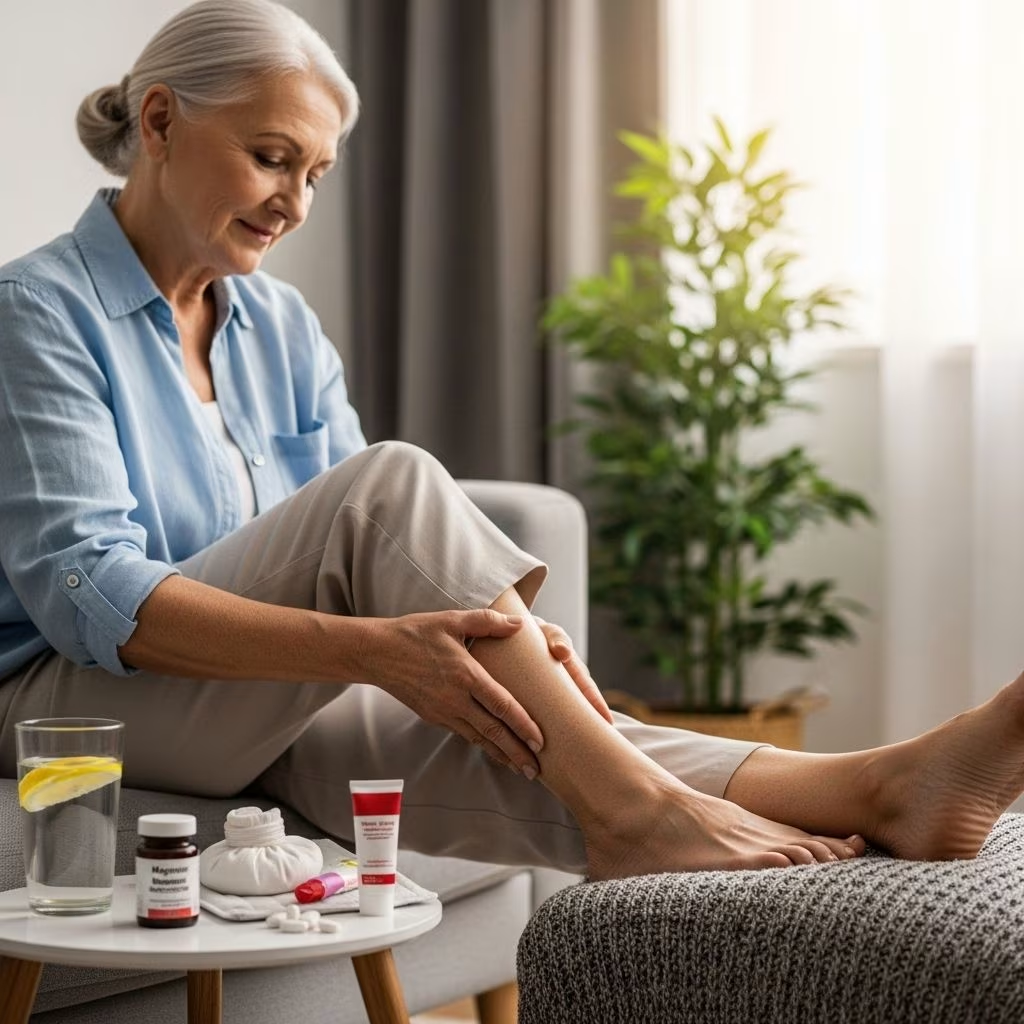
Top Remedies for Foot and Leg Cramps in Seniors
Muscle cramps, especially in the feet and legs, are a common complaint among seniors. These cramps, which often strike at night or during periods of inactivity, can range from a brief discomfort to severe pain that disrupts sleep and daily activities. As a caregiver, understanding the underlying causes and effective remedies is essential for improving the quality of life for older adults. This article gathers expert advice, personal tips from caregivers, and medical recommendations to help you prevent and relieve cramps in seniors.
Understanding Muscle Cramps in Seniors
Muscle cramps involve sudden, involuntary contractions of a muscle or group of muscles, most frequently affecting the calves, feet, or thighs. In seniors, these can be more prevalent due to:
- Age-related changes in muscle and nerve function
- Dehydration and electrolyte imbalance
- Reduced physical activity
- Medical conditions and medications
Chronic or frequent cramping may signal underlying health concerns, so persistent episodes should be discussed with a healthcare provider.
Preventing and Relieving Muscle Cramps: Tips and Strategies
Below are proven methods, gathered from caregivers and medical sources, to prevent and alleviate foot and leg cramps:
Massage and Topical Remedies
- Gentle Massage: Massaging the affected muscles encourages relaxation and reduces pain. Warm your hands before beginning, and use your palms to massage broadly over the area, then concentrate with fingers and palms directly on the cramp site until relief is felt.
- Topical Treatments: Prescription ointments, as recommended by podiatrists, can be used as lubricants to ease massage and potentially reduce discomfort.
Stretching Techniques and Positioning
- Calf Stretch: For calf cramps, keep the leg straight and pull the top of your foot toward your face. You can also stand, pressing your weight onto the cramped leg with your heel flat against the floor for additional relief.
- Lower Front Leg Stretch: Stand and lift your heels off the floor with weight on your toes.
- Hamstring Stretch: Sit with legs extended straight, then lean forward and slide your hands down your legs. Hold the stretch where you feel tension for up to 30 seconds.
- Quadriceps Stretch: While standing and holding onto a chair, pull one foot back toward your buttock to stretch the front of your thigh.
- Movement During Cramp: Raise the affected leg and point the toes straight out. Standing and pushing down on the heel or walking on your heels may also help.
Hydration and Electrolyte Balance
- Fluid Intake: Seniors should consume adequate fluids daily to support muscle function and help flush out toxins that may contribute to cramping.
- Electrolyte-Rich Foods: Zinc and magnesium play key roles in muscle health, but supplements should be taken only after consulting a physician to avoid interactions with medications or conditions. Potassium is also essential; bananas and black beans are good dietary sources.
Warm and Cold Therapy
- Heat Application: Use a warm towel, heating pad, or hot shower stream on the cramped muscles to relax them.
- Cold Application: If the muscle is sore after the cramp, gentle ice massage may help reduce pain.
Dietary Remedies and Supplements
Common Food Remedies
- Pickle Juice and Mustard: Some caregivers report rapid cramp relief after consuming a small amount of pickle juice or a teaspoon of mustard. Mustard contains turmeric, which may help reduce cramps due to its anti-inflammatory properties.
- Bar of Soap Under the Sheets: While not medically proven, placing a bar of soap under fitted sheets has anecdotal support among some seniors for reducing nighttime cramps.
Supplements and Over-the-Counter Remedies
- Magnesium Supplements: Mixed evidence, but some individuals experience reduced frequency of cramps with magnesium supplementation. Always consult a healthcare professional before starting any new supplement.
- Vitamin B Complex: Studies suggest B vitamins may help manage cramps by supporting nerve and muscle function. However, effectiveness can vary and should be physician-approved.
- Zinc: Important for muscle function. As with magnesium, check with a doctor prior to supplementation.
- Over-the-Counter Medications: Some caregivers recommend leg cramp relief tablets (e.g., Hyland’s Leg Cramp Relief), available at retail stores. Ask the doctor about safety and interactions.
Additional Lifestyle Strategies
- Stretch before Bed: Daily stretching or gentle yoga before bedtime may reduce the frequency and intensity of nocturnal cramps after several weeks of practice.
- Regular Physical Activity: Moderate, consistent exercise can help maintain muscle tone and flexibility. Gentle walks, swimming, and range of motion exercises are suitable for seniors.
- Avoid Prolonged Inactivity: Being sedentary for long periods can increase the risk of muscle cramps. Encourage movement during the day.
- Review Medications: Some prescription and over-the-counter drugs can contribute to cramping. Regular reviews with healthcare providers are essential.
Common Causes of Foot and Leg Cramps in Seniors
| Possible Cause | Details |
|---|---|
| Dehydration | Reduced fluid intake impairs muscle function and nerve signaling. |
| Electrolyte Imbalance | Low levels of magnesium, potassium, calcium, or zinc impact muscle relaxation. |
| Physical Inactivity | Muscles become more prone to cramping when not regularly exercised. |
| Certain Medications | Diuretics, statins, and other drugs may increase cramp risk. |
| Chronic Disease | Conditions such as diabetes or vascular disease can cause poor circulation and neuropathy, leading to cramps. |
Foods That May Help Prevent Muscle Cramps
- Avocado: Rich in potassium and magnesium
- Watermelon: Provides hydration and muscle nutrients
- Banana: High potassium content supports muscle function
- Black Beans: Potassium and magnesium source
- Leafy Greens: Dietary magnesium and calcium
When to Seek Medical Attention
- Frequent, persistent, or severe cramps disruptive to sleep or daily life
- Cramps associated with muscle weakness, swelling, numbness, or signs of infection
- Unexplained cramps in the context of new medications or health conditions
Consult a healthcare provider to rule out underlying conditions or adjust medications as needed.
Frequently Asked Questions (FAQs)
What is the fastest way to relieve a leg cramp?
Stretching the cramped muscle gently is often the quickest method. For a calf cramp, straighten your leg and pull your toes toward your shin. Massage and heat application may help as well.
Are magnesium supplements safe for seniors?
Magnesium supplements can interact with medications and pre-existing conditions. Only take magnesium after consulting with a healthcare provider.
Why do seniors get more muscle cramps?
Age-related changes in muscle structure, decreased activity, dehydration, medication side effects, and chronic illnesses all contribute to increased muscle cramps in seniors.
Can foods such as mustard or pickle juice really help?
Some anecdotal reports support small amounts of mustard or pickle juice for rapid cramp relief, possibly due to their sodium, acidity, or turmeric content. Scientific proof remains limited, so these should be considered adjunct remedies.
What stretches can help prevent cramps?
- Calf stretches, hamstring stretches, and quadriceps stretches, performed gently and regularly
- Stretching before bed may lower the frequency and pain of nighttime cramps
Are leg cramps dangerous?
Most cramps are harmless, but persistent or severe cramping, especially with other symptoms, may indicate an underlying medical issue and should be evaluated by a doctor.
Caregiver Tips for Managing and Preventing Foot and Leg Cramps
- Encourage daily hydration and a nutrient-rich diet
- Incorporate gentle stretching routines, especially before bed
- Assist with massages and provide warm or cold packs as needed
- Monitor medications and consult healthcare providers regarding supplements
- Record and communicate any changes or trends in cramping episodes
Conclusion
Managing foot and leg cramps in seniors requires a holistic approach—addressing hydration, nutrition, physical activity, and prompt relief strategies. Caregivers play a vital role in recognizing cramps early, employing remedies like massage, stretching, dietary modifications, and determining when medical intervention is needed. By integrating these strategies into a daily routine, seniors can minimize discomfort and regain restful sleep and mobility.
References
- https://www.agingcare.com/articles/top-caregiver-remedies-for-foot-and-leg-cramps-in-seniors-448366.htm
- https://www.sleepfoundation.org/physical-health/leg-cramps-at-night
- https://www.webmd.com/sleep-disorders/leg-cramps
- https://www.mayoclinic.org/diseases-conditions/muscle-cramp/diagnosis-treatment/drc-20350825
- https://my.clevelandclinic.org/health/diseases/14170-leg-cramps
- https://www.youtube.com/watch?v=a-UWr44gwvk
- https://www.healthline.com/nutrition/foods-that-help-with-muscle-cramps
- https://medlineplus.gov/musclecramps.html
- https://muschealth.org/medical-services/geriatrics-and-aging/healthy-aging/cramps-and-spasms


