


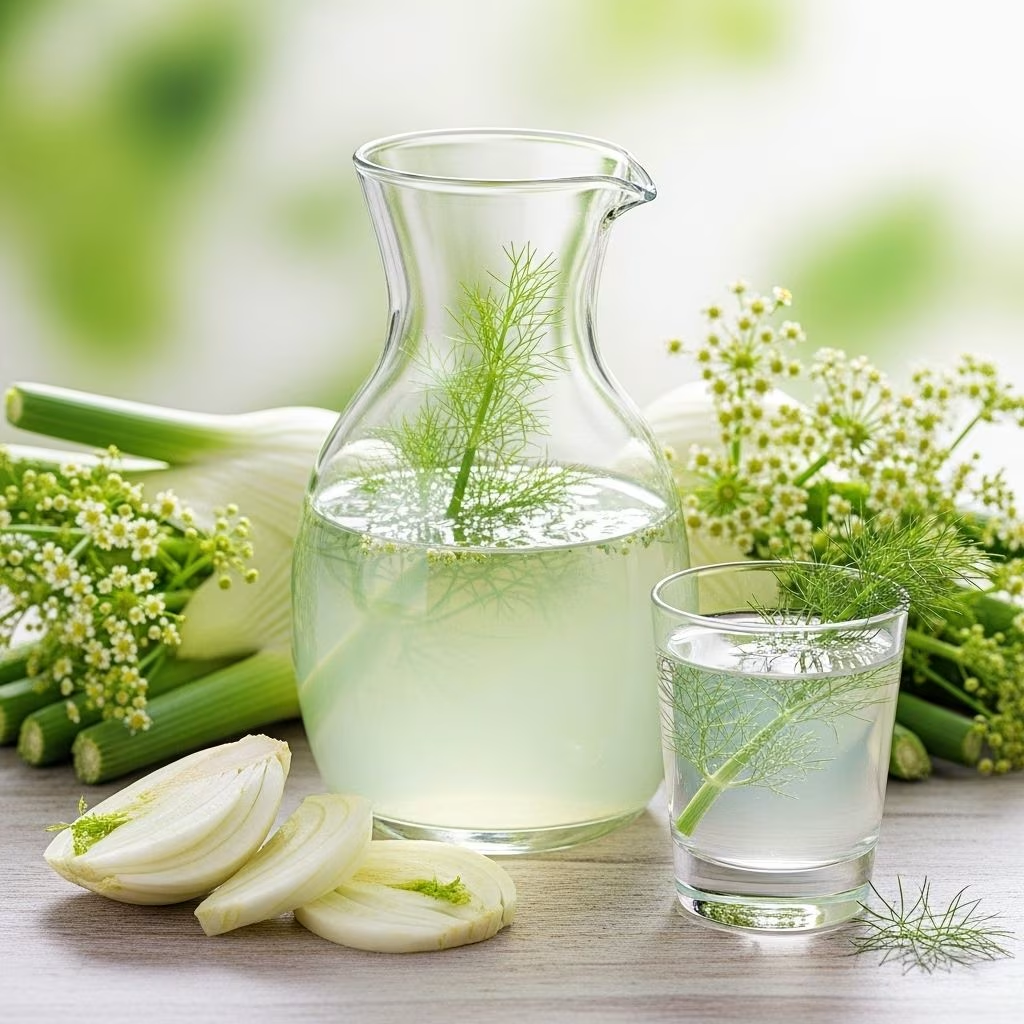
Foeniculum vulgare, commonly known as fennel, is a plant celebrated for its remarkable medicinal and culinary properties. Fennel water, derived from this versatile herb, has been cherished for centuries for its potential to heal, soothe, and enhance wellbeing. In this exhaustive guide, we explore what Foeniculum vulgare water is, uncover its proven and potential health benefits, review its uses and traditional applications, and describe its flavor profile for culinary enthusiasts and health-conscious consumers alike.
Introduction
Foeniculum vulgare is an herb native to the Mediterranean region but cultivated widely across the globe. Traditional systems of medicine and modern herbalists both extol its virtues, especially in the form of fennel water—a mildly sweet, aromatic infusion with wide-ranging health benefits. This article examines the phytochemistry, therapeutic potential, and culinary applications that make fennel water a staple of holistic wellness.
From digestive support to relieving stress, and from culinary enhancement to natural beauty remedies, the uses of fennel water are vast and fascinating.
What Is Foeniculum Vulgare Water?
Foeniculum vulgare water, most commonly called fennel water or fennel seed water, is prepared by steeping fennel seeds (and sometimes aerial parts of the plant) in hot or cold water. This extraction delivers the plant’s active volatile compounds, flavonoids, and phenolics into a bioavailable, easy-to-consume liquid.
Fennel water may be:
- A clear, lightly yellow infusion created by soaking seeds overnight or boiling them briefly.
- In some traditions, distilled water from fennel seeds for use in tonics or medicinal recipes.
The precise preparation may vary by culture or specific health objective, but the essential components and applications remain similar across regions.
Phytochemical Composition
The key phytochemicals present in fennel water include:
- Volatile oils (such as anethole, fenchone, estragole)
- Flavonoids
- Phenolic compounds
- Fatty acids and amino acids
These bioactive compounds are credited with imparting fennel water’s signature taste and health-promoting actions.
Health Benefits of Foeniculum Vulgare Water
Modern research is confirming what traditional healers long claimed: fennel water delivers a spectrum of health benefits. The following table summarizes key scientifically recognized effects.
| Health Benefit | Description | Supporting Evidence |
|---|---|---|
| Digestive Aid | Alleviates bloating, gas, indigestion, and spasms | Traditional use; clinical studies confirm efficacy |
| Antimicrobial Activity | Suppresses growth of bacteria, fungi, parasites | In vitro lab studies of fennel extracts |
| Anti-inflammatory | Reduces swelling, soothes irritated tissues | Contains antioxidants, phenolic compounds |
| Antistress and Adaptogenic | Helps modulate stress response, lowers cortisol | Animal studies, traditional usage |
| Relief from Menstrual Cramps | Eases pain and spasms during menstruation | Human studies with fennel extract |
| Lactation Support | Promotes breast milk secretion in nursing mothers | Ethnobotanical tradition; some clinical research |
| Vision Health | Protects against cataracts, improves eye comfort | Vitamin C content and antioxidant action |
| Blood Sugar Regulation | Supports healthy glucose and insulin sensitivity | Animal and human studies; magnesium and potassium |
| Oral Health | Reduces gum inflammation and bad breath | Antimicrobial properties of fennel water |
| Arthritis & Bone Health | Reduces joint pain and improves mobility | Reported by herbalists |
Scientific Highlights
- Aqueous extracts from fennel seeds were shown to inhibit the growth of several bacteria, including Staphylococcus aureus, Escherichia coli, and Klebsiella pneumoniae.
- Fennel water’s antistress properties are attributed to its impact on urinary vanillyl mandelic acid and ascorbic acid levels in animal studies.
- The essential vitamins and minerals in fennel seeds, such as vitamin C, potassium, and magnesium, contribute to antioxidant action, glycemic support, and improved vision.
Medicinal and Traditional Uses
Fennel water occupies a central place in many traditional healing systems:
- Digestive Remedy: Used to relieve colic, flatulence, constipation, and stomach cramps in adults and children.
- Antiparasitic: Promoted as a gentle laxative and a flush for internal parasites. Some evidence of sedative effects on parasites.
- Women’s Health: Traditionally given to nursing mothers to stimulate milk production and to women suffering from menstrual discomfort.
- Stress and Fatigue: Taken as a calming tonic during periods of physical or emotional exhaustion.
- Oral & Dental Care: Used as a rinse or mouthwash to reduce gum inflammation and freshen breath.
In Ayurvedic and Unani medicine, fennel water is classified as a carminative (reducing internal gas), antispasmodic (calming muscle spasms), and galactagogue (increasing lactation).
Use in Pediatric Care
Fennel water is traditionally administered to infants and children to ease gastrointestinal complaints such as gas and colic. Some modern studies corroborate these effects, but experts caution to consult a physician before use, especially for children under four months of age.
Culinary and Cosmetic Applications
- Flavorful Beverage: Fennel water is popularly sipped as a refreshing drink in Mediterranean, Indian, and Middle Eastern cultures.
- Food Preparation: Used to infuse rice dishes, sweets, and baked goods with subtle sweetness and aroma.
- Cooling Tonic: Drank during hot seasons for internal cooling and hydration.
- Natural Rinse: Fennel water is used as a gentle face toner and eye wash to calm redness or puffiness.
Recipes and Combinations
- Traditional fennel water is made by soaking 1–2 teaspoons of dried fennel seeds in a glass of water overnight, then straining before drinking.
- For a warm infusion, steep seeds in boiled water for 5–10 minutes.
- Fennel water blends well with mint, lemon, or honey for enhanced taste and function.
What Does Foeniculum Vulgare Water Taste Like?
Foeniculum vulgare water is renowned for its unique, gentle flavor, characterized by the following notes:
- Mild sweetness
- Subtle licorice/anise aroma
- Refreshing, slightly earthy undertone
- Light, clean finish that does not overpower foods
Unlike strong herbal extracts, fennel water is preferred for its balanced taste that pairs well with a wide variety of dishes and drinks.
Fennel’s sweet and nutty character also makes it popular as a post-meal digestif or palate cleanser in culinary traditions.
How to Make Fennel Water
- Measure 1–2 teaspoons of dried fennel seeds.
- Add to a glass or small jar of room temperature water (approx. 250–300 ml).
- Cover and let sit overnight (or at least 8 hours).
- Strain out seeds before drinking.
- Optional: Add lemon, mint, or honey to taste.
For a warm infusion:
- Add seeds to boiling water.
- Cover, steep for 10 minutes.
- Strain and drink alone or with flavorings.
Store prepared fennel water in the refrigerator and consume within 24 hours for optimal taste and efficacy.
Possible Side Effects & Safety Considerations
Foeniculum vulgare water is generally regarded as safe when consumed within normal dietary limits. However:
- Excessive use may lead to mild digestive upset in sensitive individuals.
- Fennel contains compounds (such as estragole) that, in very high doses, have been linked to toxicity in animal studies; standard culinary and medicinal use remains safe.
- Pediatric use, especially in infants under four months, should be prescribed only under medical supervision.
- Avoid if allergic to plants in the Apiaceae family (carrots, celery, coriander).
Drug Interactions
- Consult a physician if taking anticoagulants or hormone-sensitive medications, as fennel may influence these pathways.
- Pregnant women should seek advice before regular consumption; fennel is considered safe in culinary quantities.
Frequently Asked Questions (FAQs)
Q: Can fennel water be given to babies?
A: Fennel water has traditionally been used to treat colic in babies over four months of age. However, always consult a pediatrician before administering any herbal remedy to infants.
Q: How much fennel water should I drink daily?
A: Most adults tolerate 1–2 servings per day, roughly 250–500 ml in total. Consult a healthcare provider if using as a regular supplement or for specific health issues.
Q: Does fennel water help with weight loss?
A: While not a substitute for a balanced diet, fennel water may support metabolism and digestion, which can contribute to weight management as part of a healthy routine.
Q: Is fennel water caffeine-free?
A: Yes, it is naturally caffeine-free and suitable for hydration throughout the day.
Conclusion
Foeniculum vulgare water is an ancient remedy backed by growing scientific evidence. Its gentle, appealing taste and multifaceted health benefits make it a unique addition to today’s wellness routines. Whether for digestive support, calming stress, enhancing lactation, or simply enjoying its delicate flavor, fennel water continues to bridge tradition and science in natural medicine and gastronomy.
By understanding its uses, effects, and taste, individuals can make informed decisions about incorporating this time-honored drink into their daily health and culinary practices.
References
- https://pmc.ncbi.nlm.nih.gov/articles/PMC4137549/
- https://www.firebellytea.com/blogs/all/fennel-tea-health-benefits
- https://www.banyanbotanicals.com/blogs/wellness/fennel-foeniculum-vulgare
- https://www.medicalnewstoday.com/articles/319651
- https://www.yorktest.com/blog/benefits-of-drinking-fennel-tea/
- https://www.healthline.com/health/fennel-seeds-for-gas
- https://www.bbcgoodfood.com/health/nutrition/health-benefits-fennel


