


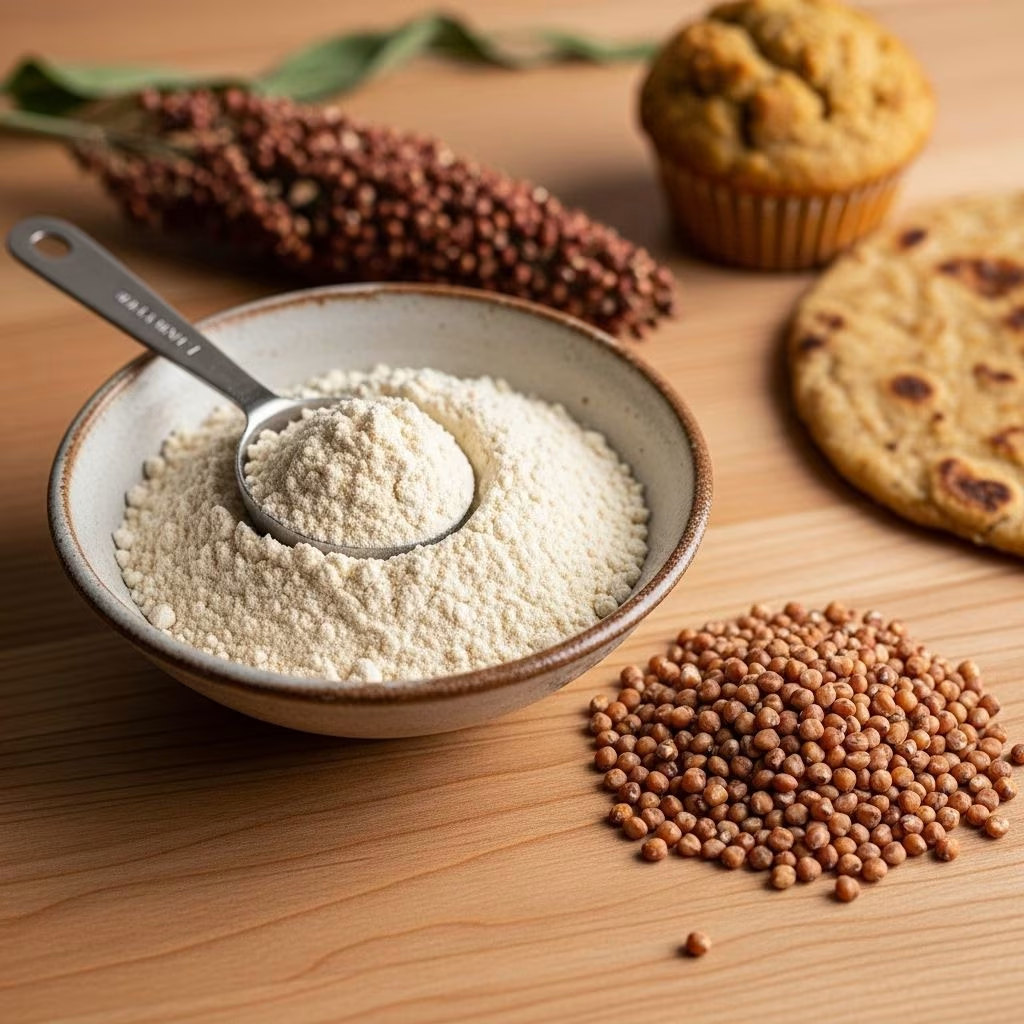
Sorghum flour, milled from the ancient cereal grain Sorghum bicolor, is rising in popularity as a gluten-free alternative with impressive nutritional value and a mild, sweet flavor. This comprehensive guide offers a deep dive into sorghum flour’s baking applications, its most effective substitutes, the nutrition profile that sets it apart, and essential tips for home and professional bakers.
What is Sorghum Flour?
Sorghum flour is produced by grinding whole grain sorghum—one of the world’s oldest cereal grains, prized for its drought resistance and nutritional density. Native to Africa but now grown globally, sorghum is also known as jowar in India. The flour is widely valued for being naturally gluten-free, making it a foundational ingredient in many gluten-free recipes and commercial products.
- Color: Pale cream to beige.
- Texture: Fine, powdery, sometimes with a slight graininess.
- Flavor: Mild, slightly sweet and earthy.
- Common in: India (as jowar), Africa, U.S., Australia, and increasingly worldwide health markets.
Flavor and Texture of Sorghum Flour
Sorghum flour’s taste is subtly sweet, with a delicate, earthy undertone. Its flavor profile is often compared to whole wheat flour, though it lacks bitterness and is less dense. The texture is soft and slightly grainy, contributing a pleasing crumble to baked goods.
- Works well in both sweet and savory recipes.
- Adds a whole grain quality without overpowering other flavors.
- Enhances moisture retention in cakes, muffins, and cookies.
Its mild flavor makes it ideal for blending in gluten-free flour mixes, but sorghum flour can also be used on its own in certain recipes with appropriate binding agents.
Baking Uses of Sorghum Flour
Sorghum flour is a versatile ingredient perfect for a wide range of baking applications, especially for those seeking gluten-free alternatives. Here are its most popular uses:
- Breads: Sandwich loaves, flatbreads (jowar roti), quick breads, and sourdough.
- Cakes & Muffins: Moist, delicate crumb for gluten-free cakes, cupcakes, and muffins.
- Cookies: Chewy, bakery-style cookies with a slightly nutty undertone.
- Crackers: Homemade, crisp crackers and savory biscuits.
- Pancakes & Waffles: Light, fluffy breakfast foods.
- Pastry: Shortcrusts and pies, especially when combined with starches for tenderness.
- Breading: For fish or schnitzel, where it provides crisp texture.
- Rouxs & Porridges: Adds thickening power to sauces and breakfast porridge.
Sorghum flour is often featured as part of a blend in gluten-free recipes to boost structure, crumb, and elasticity.
How to Successfully Bake with Sorghum Flour
While sorghum flour is exceptionally versatile, it differs from wheat flour in a few critical ways. Understanding its unique properties will ensure baking success.
Binding Power
- Sorghum flour contains no gluten, the protein that gives traditional dough its elasticity and structure.
- It requires binders such as eggs, flaxseed meal, psyllium husk, chia seeds, or commercial gums (xanthan or guar) for proper rise and crumb.
- Mixes best with other gluten-free flours such as tapioca, rice, potato starch, or almond flour for balanced structure and moisture.
Water Absorption & Mixing
- Tends to absorb more liquid than refined wheat flours; recipes may need slightly more liquid for smooth batters.
- For traditional Indian flatbreads (jowar roti), boiling water can help the flour bind and form cohesive dough.
Baking Tips
- Let batters and doughs rest for 10–20 minutes before baking to allow full hydration and improved texture.
- Chilling cookie dough made with sorghum flour enhances the final product’s chew and consistency.
- Monitor baking times as sorghum-based goods may brown more quickly or retain more moisture.
Popular Sorghum Flour Recipes
Sorghum flour adapts well to a broad recipe spectrum. Below are some real-world favorites that showcase its potential:
- Sorghum Flour Chocolate Chunk Cookies: Chewy, with a whole-wheat-like taste, particularly delicious with high-quality chocolate and nuts. Resting the dough and using brown butter are key for deeper flavor and texture. Recipe variations successfully blend sorghum with all-purpose flour for a lighter bite.
- Sorghum Sandwich Bread: Soft, fluffy texture, ideal for gluten-free sandwiches. Relies on eggs and a mix of gluten-free flours for height and structure. No special mixers required.
- Sourdough Bread: Works as a tasty whole grain base in naturally leavened loaves. Requires robust binding and fermentation-friendly blends.
- Sweet Potato Muffins: Wholesome, gluten-free muffins that pair well with the mild flavor of sorghum. Add low-carb flours for improved nutrition.
- Cinnamon Sorghum Crackers: Crisp, subtly sweet and reminiscent of graham crackers. Ideal for healthy snacks or as bases for cheesecakes.
- Banana Pancakes: Light and fluffy breakfast pancakes in gluten-free, egg-free variations. Binds well with mashed banana and alternative flours.
- Porrridge: Sorghum flour can create a creamy, gluten-free porridge when cooked with milk or plant milks for a unique breakfast option.
Experimenting with ratios and blending is encouraged, as flavor and texture can vary based on combinations and methods.
Best Sorghum Flour Substitutes
Sorghum flour is unique, but there are times when substitutions are necessary due to availability, taste preferences, or dietary restrictions. Below is a comparison of the best substitutes:
| Substitute | Notes | Best For |
|---|---|---|
| Millet Flour | Light and mild; similar in texture and taste to sorghum. | Cakes, muffins, pancakes, rotis |
| Buckwheat Flour | Nutty flavor, darker color; stronger taste than sorghum. | Breads, pancakes, whole-grain baking |
| Brown Rice Flour | Neutral, slightly gritty texture; higher starch. | Breads, muffins, flour blends |
| Teff Flour | Sweet, malty taste; finer texture, more absorbent. | Breads, injera, pancakes |
| Oat Flour (gluten-free certified) | Mild flavor, good structure; may add more moisture. | Cookies, muffins, quick breads |
- For recipes relying on structure, combine substitutes with binding agents for best texture.
- In many baked goods, a 1:1 swap by weight will work, though adjustments to liquid ratios may be needed.
Sorghum Flour Nutrition Profile
Sorghum is packed with nutrients that make it a wise addition to gluten-free eating patterns. It is naturally high in fiber, plant-based protein, and minerals.
| Nutrient (per 100g, approx.) | Amount |
|---|---|
| Calories | 350–370 kcal |
| Carbohydrates | 73g |
| Protein | 8–11g |
| Dietary Fiber | 7–9g |
| Fat | 2–4g |
| Iron | 2–4mg |
| Magnesium | 120–160mg |
| Phosphorus | 270–320mg |
- High in antioxidants—including phenolic compounds, which may offer anti-inflammatory benefits.
- Low glycemic index, especially compared to refined rice or potato flours, which can help with blood sugar management.
- Rich in micronutrients: Contains zinc, B vitamins, and trace amounts of calcium and potassium.
Note: Nutritional content can vary based on the specific variety of sorghum and milling methods.
Allergies, Sensitivities & Gluten-Free Guidance
Sorghum flour is naturally gluten-free and safe for people with celiac disease or non-celiac gluten sensitivity. It is non-allergenic for most, but individuals with grain allergies should consult their healthcare provider.
- Certified gluten-free versions recommended for those with severe sensitivities, to prevent cross-contamination.
- Sorghum is also lectin-free, suitable for Plant Paradox and similar eating styles.
Buying, Storage & Shelf Life Tips
Purchasing Tips:
- Select whole grain sorghum flour for maximum nutrition.
- Ensure flour is free from additives or blend-ins, unless desired.
- Opt for certified gluten-free labels if cross-contamination is a concern.
Storage Tips:
- Store in an airtight container in a cool, dry place for up to 3 months.
- For longer storage, refrigerate or freeze for up to 6–12 months to maintain freshness.
- Avoid moisture and humidity, which can cause spoilage or clumping.
Frequently Asked Questions (FAQs)
Q: Is sorghum flour suitable for all baking recipes?
A: Sorghum flour can be used in a wide variety of baked goods, but for best results, combine it with at least one other gluten-free flour or binding agent, especially in recipes that require structure and elasticity such as yeast breads or pastry shells.
Q: Can I replace wheat flour with sorghum flour in a 1:1 ratio?
A: Direct 1:1 substitution is not always recommended because sorghum lacks gluten and may change the texture of the finished product. In blended recipes, a 1:1 swap by weight may work if you adjust liquids and use suitable binders, but expect some trial and error.
Q: What makes sorghum flour different from other gluten-free flours?
A: Sorghum flour brings a mild, slightly sweet flavor and a whole-grain nutrition profile, with more protein and fiber than rice or potato flour. It’s also higher in minerals and has a lower glycemic index.
Q: Is sorghum flour safe for people with celiac disease?
A: Yes, sorghum flour is gluten-free by nature. However, always check labels to ensure it was milled and packaged in a gluten-free facility.
Q: How do I store sorghum flour for maximum freshness?
A: Store in a sealed container in a cool, dry place for up to 3 months, or refrigerate/freeze for up to a year. Bring to room temperature before baking for best results.
Q: Can I use sorghum flour to make pasta?
A: Yes, sorghum flour can be combined with other gluten-free flours and suitable binders to produce pasta dough, though texture is best when blended with starches such as tapioca or potato flour.
Summary of Sorghum Flour and Its Benefits
- Versatile use in both sweet and savory gluten-free baking.
- Nutritious: High in fiber, protein, antioxidants, and minerals.
- Mild flavor complements a wide range of recipes.
- Excellent choice for celiacs, those with wheat allergies, and health-focused eaters.
- Easy to blend with other flours for optimal baking outcomes.
Sorghum flour’s adaptability, nutritional strengths, and naturally sweet taste make it an ideal pantry staple for gluten-free and whole-grain baking enthusiasts. Whether for artisan breads, delicate pastries, or hearty cookies, sorghum flour delivers quality and nutrition in every bite.
References
- https://www.cookiemadness.net/2021/08/01/sorghum-flour-chocolate-chunk-cookies/
- https://creativeinmykitchen.com/sorghum-flour-recipes-gluten-free/
- https://georgeats.com/recipes/sorghum-flour-recipes-gluten-free/
- https://fromthelarder.co.uk/sorghum-flour-recipes/
- https://bojongourmet.com/gluten-free-flour/sorghum-flour/
- https://kateray.substack.com/p/baking-with-sorghum
- https://www.sorghumcheckoff.com/recipes/category/dessert/


