


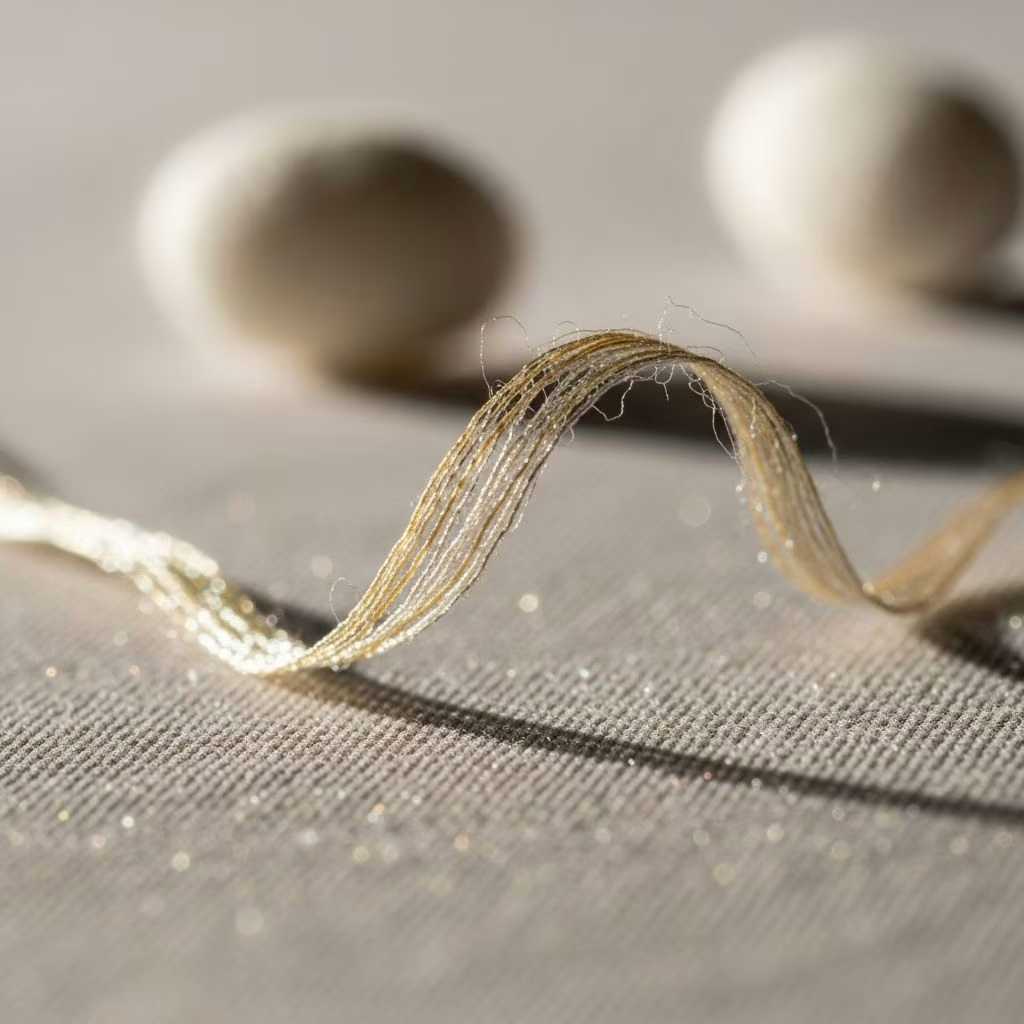
Fibroin, commonly known as silk protein, is a natural biomaterial extracted from the silk of silkworms and spiders. Renowned for its extraordinary biocompatibility, resilience, and versatility, fibroin is used in medicine, cosmetics, supplements, and material science. This in-depth guide explores the health and medical benefits of fibroin, optimal dosage, mechanisms of action, side effects, and frequently asked questions.
What is Fibroin (Silk Protein)?
Fibroin is the main structural protein in silk, secreted by silkworms (Bombyx mori) and certain spiders. In silk, fibroin fibers are coated by sericin, another protein, but fibroin itself is a pure, crystalline protein valued for its robustness and biocompatibility . It forms the structural core of silk fibers, making them strong yet flexible.
- Derived primarily from the cocoons of silkworms and, less commonly, from spider silk.
- Composed largely of the amino acids glycine, alanine, and serine, forming a highly ordered beta-sheet structure.
- Used traditionally in sutures, wound care, and now in cutting-edge biomedical engineering and skincare.
Composition and Properties
Fibroin’s unique physical and chemical properties have made it one of the most studied natural biomaterials. Key features include:
- High Biocompatibility: Well tolerated by human tissue; rarely provokes immune reactions .
- Biodegradability: Gradually breaks down in the body; degradation rate can be customized for medical applications .
- Exceptional Strength: Fibroin fibers are renowned for their tensile strength and elasticity.
- Structural Versatility: Can be processed into films, sponges, hydrogels, nanofibers, scaffolds, and powders .
- Stability: Resistant to acids, alkalis, and enzymatic degradation—useful for medical and cosmetic formulations.
- Moisture Retention: Helps maintain hydration when used in skin and wound dressings.
| Property | Benefit |
|---|---|
| Biocompatibility | Minimal allergy risk, safe for medical implants and wound care |
| Biodegradability | Customizable degradation for controlled drug delivery and tissue engineering |
| Mechanical Strength | Suitable for sutures, scaffolds, and tissue support |
| Moisture Regulation | Prevents skin dryness, supports healing |
Health and Medical Benefits of Fibroin
Silk fibroin is increasingly integrated into modern medical treatments and skin care due to its broad therapeutic value.
Wound Healing and Skin Repair
- Accelerated Healing: Fibroin-based dressings have been proven to promote rapid wound closure and tissue regeneration, outperforming many commercial dressings. Clinical and animal studies show significantly improved healing rates, especially for chronic or hard-to-heal wounds, burns, and diabetic ulcers .
- Anti-Inflammatory and Antibacterial: Silk fibroin reduces pro-inflammatory cytokines and elevates anti-inflammatory cytokines in the wound environment. When enriched with antibiotics or antimicrobial peptides, fibroin materials help prevent infection while supporting healthy recovery .
- Moisture Balance: Maintains a moist environment ideal for wound healing and minimizes scarring .
- Hemostatic Activity: Specialized fibroin hydrogels effectively control acute bleeding and foster clotting, an advantage for trauma or surgical use .
- Scar Inhibition: Fibroin-based scaffolds promote even cell growth, reducing irregular scarring .
Tissue Engineering and Regenerative Medicine
- Scaffold for Cell Growth: Fibroin’s nano- and microstructured scaffolds provide an ideal matrix for skin, bone, and cartilage cell proliferation. This is vital in reconstructive surgery and regenerative therapies .
- Vascular Regeneration: Bioengineered fibroin supports growth and adhesion of vascular tissue cells, making it a prime candidate for artificial blood vessels and complex tissue grafts .
- Bone and Cartilage Repair: Functionalized silk fibroin matrices support bone healing by promoting angiogenesis and osteogenesis in animal studies .
Drug Delivery and Biomedical Devices
- Controlled Release: Fibroin’s customizable degradation allows for precise, sustained release of encapsulated drugs, growth factors, or antimicrobial agents .
- Biomedical Implants: Used for sutures, tissue adhesives, and even some types of contact lenses due to high safety and resilience .
Other Medical Applications
- Ophthalmology: Fibroin films are being explored for eye membranes and corneal repair due to their transparency and compatibility .
- Dentistry: Used in guided tissue regeneration membranes for periodontal surgery.
Cosmetic and Topical Applications
Silk fibroin is a rising star in the cosmetics industry for its skin-nourishing and protective properties.
- Skin Barrier Support: Forms a lightweight film on the skin, preventing water loss and protecting against pollutants.
- Anti-Aging Effects: Antioxidant and cell-protecting properties are believed to enhance skin suppleness and resilience.
- Soothing Sensitive Skin: Biocompatibility and hypoallergenicity make fibroin suitable for individuals with sensitive or allergy-prone skin.
- Hair Care: Used in shampoos and conditioners for strength, smoothness, and shine.
Fibroin as a Dietary Supplement
Oral fibroin supplements are marketed for potential skin, hair, and general health benefits, though clinical data on systemic effects is still emerging. These supplements, made from enzymatically hydrolyzed silk fibroin powder or capsules, aim to supply bioactive peptides purported to improve:
- Skin moisture and texture
- Hair strength and growth
- Antioxidant status
- General cellular health
It is important to note that while topical fibroin applications have robust medical evidence, evidence for oral silk protein supplements is limited and relies on preliminary studies and traditional use.
Recommended Dosage and Use
The appropriate dosage of fibroin (silk protein) depends on the application and formulation. General guidelines include:
- Medical Dressings: Applied as films, sponges, or hydrogels directly to the affected area; dosing is based on wound size and clinical protocol.
- Topical Skincare: Used in creams, serums, and masks. No strict limit, but concentration typically ranges from 0.1% to 5% in cosmetic formulations.
- Dietary Supplements: Commercial oral doses range from 100 mg to 500 mg per day. Scientific consensus on optimal oral intake is lacking; dosing should follow manufacturer recommendations and consult healthcare providers, especially for the long-term use.
Administration Tips
- For wound care, clean and dry the affected area before applying fibroin-based dressings.
- For skincare, apply topical products to cleansed skin; patch testing is recommended for allergy-prone users.
- Oral supplements should be taken with water, preferably as directed with meals.
Potential Side Effects and Safety
Fibroin is valued for its safety and compatibility, but, as with any bioactive product, users should be aware of possible adverse reactions:
- Allergic Reactions: Rare, but possible. Symptoms may include itching, rash, or swelling. Sensitive individuals should conduct a patch test for topical use before widespread application.
- Infection Risk: Poorly sterilized or unmodified fibroin dressings could, in theory, introduce microorganisms to wounds. Modern medical-grade silk protein is processed to mitigate this risk .
- Digestive Discomfort: Oral fibroin supplements may cause mild digestive symptoms like nausea or bloating in sensitive individuals, though this is uncommon.
- Implant Complications: In rare cases, implanted fibroin devices may cause localized tissue reactions. These occurrences are lower compared to many synthetic polymers.
- No known drug interactions with topical or oral fibroin.
Pregnant or nursing women, individuals with a history of silkworm allergy or unusual sensitivities, and those with chronic health conditions should consult a healthcare professional before using fibroin products.
Frequently Asked Questions (FAQs)
Q: Is fibroin safe for long-term use?
A: Topical and medical-grade fibroin is generally considered safe for both short- and long-term use in wound dressings and skin care. Oral supplement safety for extended use is less established, so professional guidance is advised.
Q: Can silk protein cause allergies?
A: Severe allergies are rare due to the protein’s biocompatibility. However, extremely sensitive individuals may develop mild reactions, especially if the silk is not highly purified. Always patch test new products.
Q: Is fibroin suitable for vegan or vegetarian lifestyles?
A: No. Silk fibroin is derived from silkworms or spiders and is not plant-based.
Q: How does fibroin compare to collagen supplements?
A: Both are natural proteins believed to support skin and tissue health, but fibroin is especially valued for its sustained release, moisture retention, and unique application in wound care and regenerative medicine.
Q: Does silk protein improve hair?
A: Topical fibroin is included in some hair products for shine and strength. Oral benefits for hair strength require more research.
Q: Are there any drug interactions?
A: No clinically significant medications are known to interact with fibroin when used topically or orally.
Q: Is fibroin the same as sericin?
A: No. Both are silk proteins but have distinct structures and uses; fibroin forms the core fiber, while sericin is a glue-like coating around it.
Conclusion
Fibroin (silk protein) is a powerhouse natural biomaterial whose promise is validated by modern research and centuries of practical use. From wound healing and skin care to potential use as a dietary supplement, fibroin’s safety and effectiveness rest on its unique properties: biocompatibility, strength, and versatility. While most readily supported in topical and medical applications, oral supplementation requires further study to determine its full systemic potential. Discuss fibroin use with your health provider, especially if you have underlying sensitivities or health conditions, to ensure safety and optimal benefits.
References
- https://pmc.ncbi.nlm.nih.gov/articles/PMC9775069/
- https://pmc.ncbi.nlm.nih.gov/articles/PMC10672237/
- https://www.dovepress.com/silk-protein-gene-engineering-and-its-applications-recent-advances-in–peer-reviewed-fulltext-article-DDDT
- https://onlinelibrary.wiley.com/doi/10.1155/2021/9069924
- https://www.clinikally.com/blogs/news/silk-fibroin-the-next-era-of-skincare-innovation
- https://savemefrom.com/blogs/in-the-lab/silk-proteins-hair-repair-fibroin-sericin


