


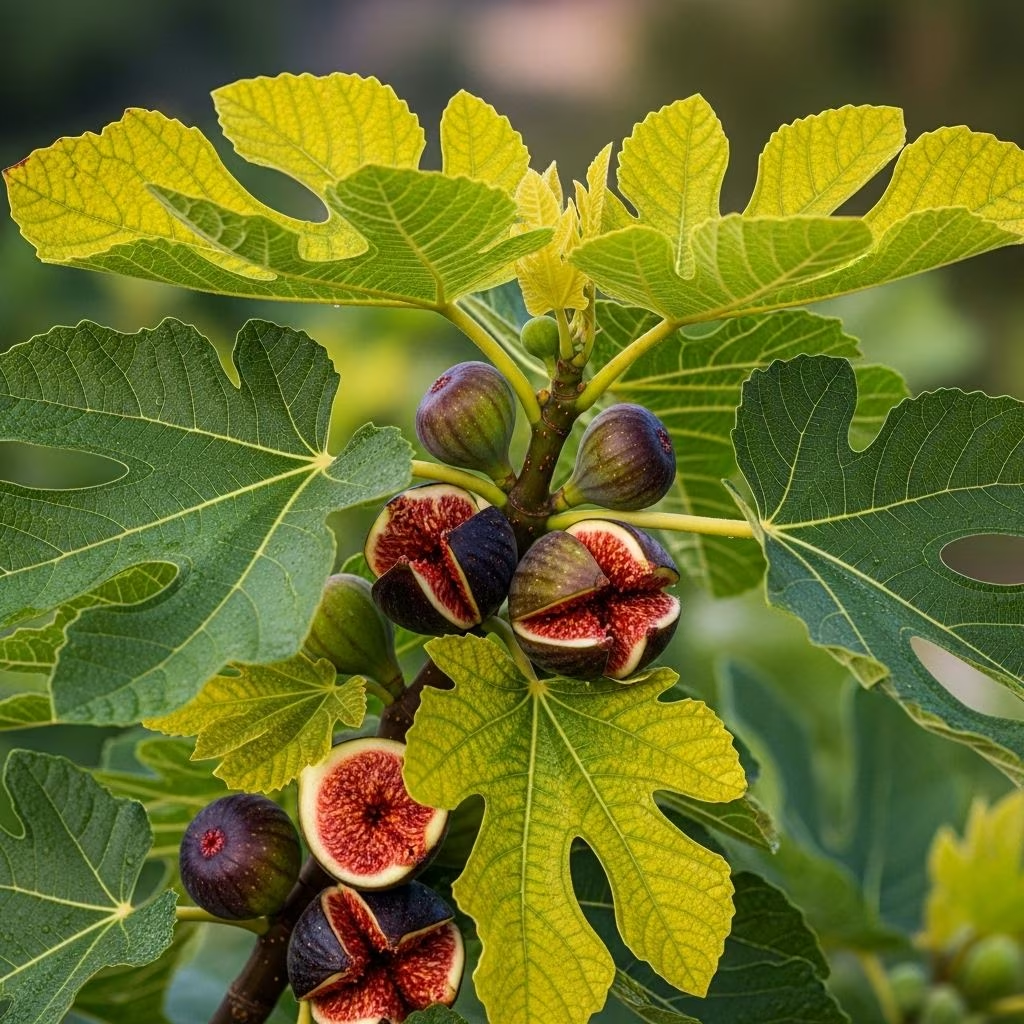
Fig leaves have woven themselves through the tapestry of human history as symbols of modesty, objects of medicinal value, and unique culinary ingredients. This comprehensive guide will explore their origin, botanical profile, taste, nutritional benefits, cultural significance, culinary applications, and much more. Whether you’re a home cook, a nutrition enthusiast, or a curious reader, you’ll gain a clearer understanding and appreciation of this remarkable leaf.
Introduction: What Is a Fig Leaf?
The fig leaf refers to the leaf of the Ficus carica, commonly known as the fig tree. While the sweet, fleshy fig fruit garners global culinary fame, the leaves of the fig have been prized for their medicinal, cultural, and culinary applications since ancient times. Today, chefs and herbalists are rediscovering fig leaves as a botanical with unique flavor and powerful nutritional value.
Botanical Description & Identification
Botanical Name: Ficus carica
- Family: Moraceae (Mulberry family)
- Type: Deciduous tree or shrub
- Typical Height: 3–9 meters
Leaf Characteristics:
- Size: Large, flat, and broad; typically 12–25 cm in length and 10–18 cm in width
- Lobes: Distinctive 3–5 lobes per leaf
- Color: Vibrant to dark green in summer, turning yellow in fall
- Texture: Upper side rough and sandpaper-like; underside with tiny, stiff hairs
- Edges: Serrated and slightly forward-pointing
- Aroma: Highly fragrant, with notes reminiscent of coconut, vanilla, and green walnut when crushed
Historical and Cultural Significance
Fig leaves are not only botanical wonders but have played a symbolic role throughout centuries, often associated with modesty, fertility, and enlightenment.
- Biblical Reference: In the Book of Genesis, Adam and Eve covered their nakedness with fig leaves after eating from the Tree of Knowledge, making the fig leaf a worldwide symbol for modesty and concealment.
- Art and Sculpture: Historical and Renaissance art often used fig leaves to obscure nudity in sculptures and paintings, a tradition that persists as the idiom “fig leaf”—meaning an attempt to cover something embarrassing or controversial.
- Greek Mythology: The fig tree was sacred to Dionysus, god of wine and fertility. Ancient Greeks wore fig leaf garlands at festivals and consumed both the fruit and leaf regularly.
- Modern Usage (Metaphor): The term “fig leaf” now commonly describes any superficial or token means of concealing a flaw or issue.
Nutritional Profile
Fig leaves offer far more than ornamental value—they are rich in vital nutrients, making them a valuable addition to both diet and wellness routines.
| Nutrient | Function / Benefit |
|---|---|
| Vitamin A | Supports vision, immune function, and skin health |
| Vitamin B1 (Thiamine) | Vital for carbohydrate metabolism and nervous system |
| Vitamin B2 (Riboflavin) | Supports energy metabolism and cellular growth |
| Calcium | Crucial for bone and dental health |
| Iron | Essential for blood health and immune function |
| Phosphorus | Supports skeletal health and cellular repair |
| Manganese | Aids antioxidant processes and bone formation |
| Potassium | Regulates blood pressure and muscle function |
| Sodium | Important for electrolyte and fluid balance |
In addition to these core nutrients, fig leaves contain various phytochemicals and antioxidants that may support overall wellness.
Health Benefits of Fig Leaves
Scientific interest in fig leaves has grown due to their potential to address a range of health concerns. Though human research is still emerging, traditional practices and some animal studies point to several potential benefits:
- Blood Sugar Control: Compounds in fig leaves may help regulate glucose uptake and insulin levels, supporting diabetic management (though always consult a doctor before use).
- Cholesterol Reduction: Fig leaf tea or extract has shown potential to lower triglycerides and improve cholesterol ratios in preliminary studies.
- Anti-inflammatory Effects: Antioxidants and bioactive compounds in fig leaves may reduce inflammation, benefiting skin, joints, and digestive health.
- Digestive Support: Fig leaves have been used to soothe upset stomachs and promote gentle detoxification.
- Antioxidant Protection: The leaves’ vitamin content and polyphenols help combat oxidative stress, which is linked to numerous chronic diseases.
- Immune Enhancement: Nutrients such as vitamins A and B, alongside minerals, can help fortify immune defenses.
*Note: These benefits are promising but more clinical research in humans is needed. Fig leaves can be a valuable supplement to a balanced diet but are not a substitute for medical care.*
Culinary Uses and Preparation Methods
Far from just an ancient remedy, fig leaves possess a delicate, tropical flavor profile that modern chefs adore. Their fragrance is reminiscent of coconut, vanilla, and fresh grass—a signature that elevates both sweet and savory dishes.
Popular Ways to Use Fig Leaves
- Wrapping: Fig leaves are often used to wrap fish, poultry, tofu, rice, or vegetables, similar to how grape leaves are used. They impart subtle flavor and protect food during steaming or grilling.
- Baking and Steaming: The leaves are utilized as natural wrappers for desserts and savory casseroles, contributing aroma and a hint of coconut essence to the dish as it cooks.
- Infusions: When steeped in milk or cream, fig leaves flavor ice creams, custards, panna cotta, and sauces. The process draws out the coconut-vanilla qualities into the base liquid.
- Tea: Dried fig leaves are commonly boiled to create an earthy, slightly sweet herbal tea. This tea is traditional in many cultures for both pleasure and potential health benefits.
- Syrups, Jellies, and Cocktails: Fig leaf syrup or jelly lends a unique fragrance to glazes, desserts, or creative cocktails.
Flavor Pairings: Fig leaves harmonize with creamy dairy products, coconut milk, apricots, red chili, scallions, rice, poultry, fish, tofu, and many aromatic herbs and spices.
Basic Fig Leaf Recipes
- Grilled Fish in Fig Leafs: Wrap seasoned fish fillets in fresh fig leaves, secure with kitchen twine, and grill until cooked through. The result is moist fish with a sweet, nutty accent.
- Fig Leaf Ice Cream: Steep rinsed, fresh fig leaves in warm milk or cream, strain, and use the infused liquid to make ice cream or panna cotta.
- Fig Leaf Tea: Boil a few clean, dried fig leaves in water for 10-15 minutes. Strain and enjoy warm, optionally with honey or lemon.
- Stuffed Fig Leaves: Use blanched fig leaves to wrap rice and savory fillings, then bake or steam as you would dolmas.
- Fig Leaf Syrup for Glazing: Simmer fig leaves with sugar and water to create a fragrant syrup ideal for glazing meats or drizzling on desserts.
Tips for Cooking with Fig Leaves
- Rinse leaves well before use, as the surface can be rough and slightly sticky.
- Blanching leaves briefly (dipping in boiling water) can soften texture and make them easier to wrap around food.
- Only use leaves from edible fig varieties (Ficus carica), as some ornamental varieties may not be safe.
Taste and Aroma of Fig Leaves
The taste and aroma of fig leaves are highly distinctive:
- Fragrance: When fresh or crushed, fig leaves emit an aroma combining coconut, vanilla, green walnuts, and tropical grass.
- Taste: The flavor is subtle and grassy, with sweet, nutty notes akin to coconut and hints of fresh greenery. It is neither bitter nor overpowering, making it suitable for flavoring delicate dishes.
- Culinary Impact: Rather than dominating, fig leaves impart a gentle, complex aroma that gently permeates foods without masking primary flavors.
Buying, Harvesting, and Storing Fig Leaves
Buying Fig Leaves
- Fresh fig leaves are usually available at specialty produce stores or farmers’ markets, primarily during summer.
- You may find dried leaves in ethnic grocery stores or online herb suppliers.
Harvesting Tips
- Harvest leaves during the morning when they’re vibrant and less wilted.
- Select healthy, intact leaves—ideally from unsprayed, edible fig trees.
- Avoid leaves that are yellowed, torn, or insect-damaged.
Storing Fig Leaves
- Fresh fig leaves are highly perishable and best used within 1–2 days.
- Keep fresh leaves in a plastic bag in the refrigerator until use.
- To store for longer, dry the leaves and keep in an airtight container for up to several months.
Potential Side Effects and Precautions
- Latex Sensitivity: The milky sap from fig leaves may cause skin irritation in sensitive individuals. Always wash hands after handling raw leaves and avoid exposure to eyes or mucous membranes.
- Edibility: Only use leaves from edible fig trees (Ficus carica) and avoid ornamental types, as some species may contain toxic compounds.
- Pregnancy and Medication: If pregnant, nursing, or under medication (especially for diabetes), consult a healthcare provider before using fig leaves medicinally.
Frequently Asked Questions (FAQs)
Q: Can you eat fig leaves raw?
A: Fig leaves are rarely eaten raw due to their rough texture and possible latex content, which may irritate the mouth or skin. They are best cooked before consumption to soften their structure and develop flavor.
Q: What do fig leaves taste like?
A: Fig leaves impart a mild taste with coconut, vanilla, and green nutty notes, along with a grassy, tropical aroma. Their flavor is subtle and pairs well with fish, poultry, rice, and creamy desserts.
Q: Are fig leaves poisonous?
A: Leaves from the edible fig tree (Ficus carica) are not poisonous when prepared properly. However, some related species or ornamental figs are not safe to consume, so always be certain of the plant’s identity.
Q: How do you use dried fig leaves?
A: Dried fig leaves are most commonly used to prepare herbal tea, or they can be ground and used sparingly as a flavoring in recipes and baking.
Q: How long do fresh fig leaves last?
A: Fresh fig leaves are highly perishable and typically keep only 1–2 days in the refrigerator. For longer storage, dry them completely and keep in an airtight jar.
Conclusion
Far more than a symbol of modesty from myth and art, the humble fig leaf bridges the worlds of nutrition, cuisine, and cultural heritage. Rich in vitamins, minerals, antioxidants, and tropical fragrance, it deserves a renewed place on our tables and in our gardens. With authentic flavor, healthful promise, and a storied past, fig leaves offer a gentle reminder of nature’s bounty and history’s deep culinary roots.
References
- https://specialtyproduce.com/produce/Fig_Leaves_7136.php
- https://www.britannica.com/dictionary/fig-leaf
- https://7esl.com/fig-leaf/
- https://en.wikipedia.org/wiki/Fig_leaf
- https://www.merriam-webster.com/dictionary/fig%20leaf
- https://philanthropydaily.com/fig-leaf-philanthropy-and-the-costume-of-chaste-concern/


