


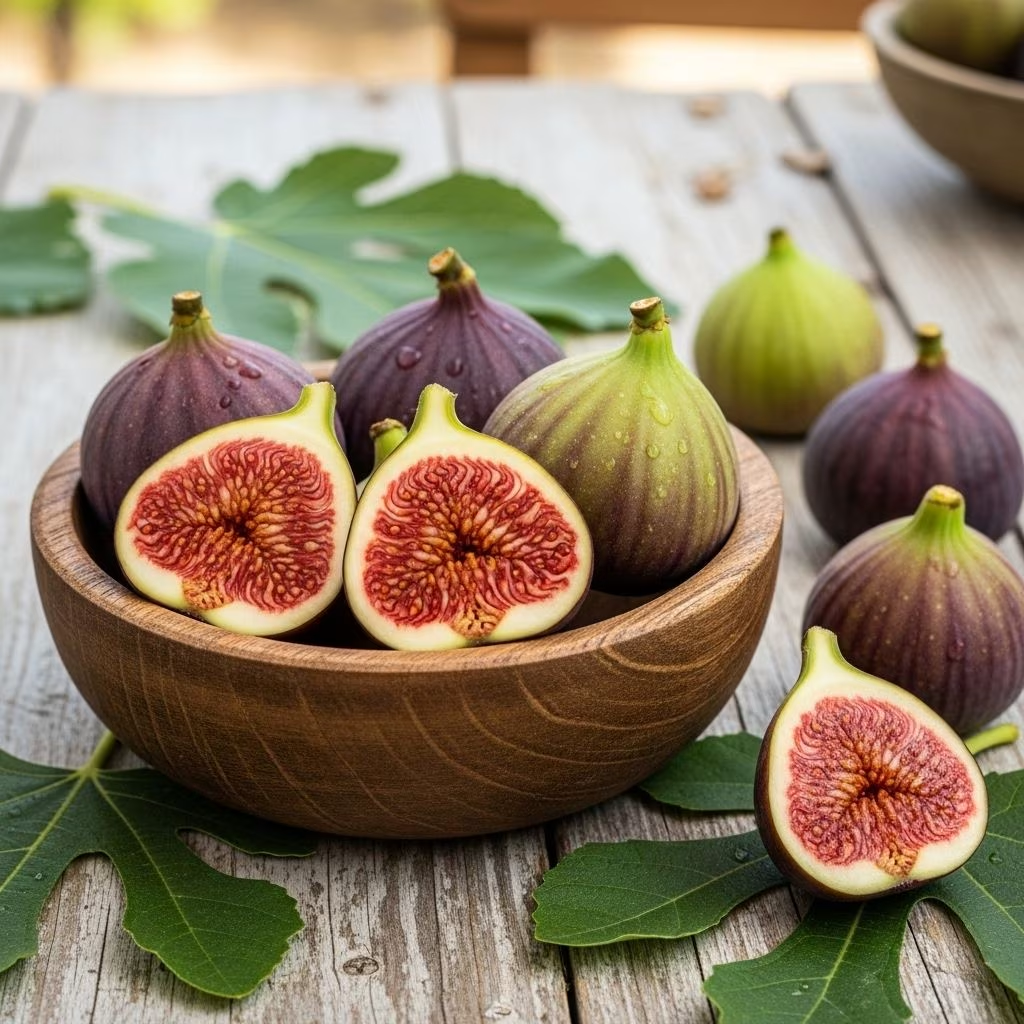
Figs, scientifically known as Ficus carica, are among the world’s oldest cultivated fruits. Revered for their nutritional value and distinctive flavor, figs have been a staple of Mediterranean and Middle Eastern diets for millennia. Whether eaten fresh, dried, or used in culinary and medicinal preparations, figs offer a treasure trove of benefits. This comprehensive guide will help you fully understand what figs are, their varieties, uses, health advantages, and—perhaps most importantly—their unique, sweet taste.
What Are Figs?
The fig is a fruit borne from the Ficus carica tree—a deciduous shrub or small tree belonging to the Moraceae family, the same as mulberries. Figs can range from a few meters up to 10 meters tall and present either as single-stemmed or multi-stemmed forms.
The fig fruit, often called a “false fruit” or “syconium,” is actually an enclosed inflorescence filled with tiny flowers and edible seeds. Figs are renowned for their historical, nutritional, and horticultural significance, prized in cuisine and natural medicine alike.
Origins and Botanical Background
Native to Southwest Asia and the Mediterranean region, figs have been cultivated from ancient times across a belt stretching from Afghanistan to Portugal. The tree’s resilience, longevity (sometimes living over 200 years), and ability to thrive in a broad range of climates make it a cosmopolitan favorite for home gardeners and commercial growers alike.
- Family: Moraceae
- Latin name: Ficus carica
- Common names: Common fig, Adriatic fig, Smyrna fig
- Climate & Soil: Prefers sunny, moderate humidity, and well-drained sandy-clay loam, pH 6.0-8.0. Tolerates poor or rocky soils and can thrive from sea level up to 1,700 meters.
Nutritional Value of Figs
Figs are celebrated as a nutritional powerhouse, offering a wide range of essential nutrients, antioxidants, and dietary fiber. Here is a breakdown of the nutritional composition of a medium-sized fresh fig (about 50 grams):
| Nutrient | Amount per medium fig |
|---|---|
| Calories | 37 |
| Carbohydrates | 10g |
| Dietary Fiber | 1.5g |
| Sugar | 8g |
| Calcium | 18mg |
| Iron | 0.18mg |
| Potassium | 116mg |
| Vitamin A | 3mcg |
| Antioxidants | High levels |
Figs contain polyphenols (potent antioxidants), minerals like magnesium, copper, and manganese, and an enzyme called facin in their latex that has unique digestive effects.
Varieties of Figs
The world of figs is rich with hundreds of varieties, each with unique skin color, flavor profile, and uses. There are two broad categories:
- Caprifigs: Produce male and female flowers but are generally unpalatable; mainly used for pollination in caprifig-dependent varieties.
- Edible figs: Bear only female flowers; categorized by their pollination requirements and fruiting habits:
- Caducous (Smyrna) figs: Need pollination; examples include Calimyrna and Marabout.
- Persistent (common) figs: Do not require pollination; examples are Black Mission, Brown Turkey, and Celeste.
Notable fig varieties cultivated around the world include:
- Brown Turkey: Adaptable, sweet and rich flavor
- Celeste: Cold-hardy, honey-like taste
- Black Mission: Popular for dark skin and sweet flesh
- Kadota: Greenish-yellow, great for drying
- Adriatic: Light green/yellow, delicate flavor
- Chicago Hardy: Suited for cooler climates
- LSU Purple, Brunswick, Violette de Bordeaux, Panachee: All offering distinctive flavors and uses
Health Benefits of Figs
Figs have been valued for their health benefits since antiquity, both as food and as medicine. Modern research validates many traditional claims, revealing a host of advantages:
- Rich in Dietary Fiber: Supports digestive health, regular bowel movements, and satiety for weight management.
- Antioxidant Content: Polyphenols reduce oxidative stress, supporting heart and cellular health.
- Essential Minerals: Good source of potassium, calcium, magnesium, and iron—important for bones, muscles, and blood health.
- Natural Sugars: Offer quick, non-refined energy, especially in dried form.
- Potential Laxative Effect: Traditionally used for mild constipation due to fiber and digestive enzymes.
- May Lower Blood Pressure: Potassium content helps balance sodium and regulate blood pressure.
- Blood Sugar Management: Some research suggests fig leaves may help regulate insulin response (though more studies are needed).
- Benefit Skin and Bones: Vitamins and minerals aid in healthy skin and strong bones.
Additionally, figs contain small amounts of vitamin A, which is essential for vision and immune function, as well as some copper and trace minerals vital to metabolism.
Culinary Uses of Figs
Figs are prized globally for their culinary versatility, enjoyed both fresh and dried. Their inherent sweetness, soft texture, and rich flavor pair well in numerous dishes:
- Fresh eating: Figs can be eaten raw as a snack or dessert.
- Dried figs: Intensely sweet, chewy, and long-lasting; popular in healthy snacks and energy bars.
- Baking: Used in fig newtons, muffins, cakes, and breads.
- Jam and preserves: Figs make rich, natural fruit spreads.
- Salads: Sliced fresh figs add sweetness and depth to salads, especially with cheese and nuts.
- Savory dishes: Used in Mediterranean and Middle Eastern cuisine, in tagines or roasted meats.
- Beverages: Used for infused water, tea, or even brewed into alcoholic beverages in some cultures.
Fig leaves are also edible and can be used as a wrap for grilling, imparting a subtle coconut-like flavor. In some culinary traditions, dried fig leaves are brewed as a mild tea.
How to Grow and Harvest Figs
Fig trees are celebrated for both their beauty and productivity. Here’s how to grow and harvest them successfully:
- Planting: Prefer full sun with at least 8 hours of direct sunlight daily; best planted in spring for optimal establishment.
- Soil: Tolerate nearly all soil types, thriving in well-drained sandy-clay loam; tolerate pH 6.0–8.0; avoid waterlogged locations.
- Irrigation: Require moderate, consistent watering; avoid overwatering to prevent root rot.
- Maintenance: Pruning, once annually, promotes shape and productivity; figs need minimal fertilization when grown in healthy soil.
- Climate: Best suited for Mediterranean climates, but many varieties tolerate cold and drought.
The fruiting cycle lasts 120–150 days, with some varieties producing one harvest per year and others up to two (including an early “breba” crop from buds formed the previous year).
Harvesting Figs
- Maturity: Figs ripen in three visible stages—initial growth, interim pause, then rapid swelling as they ripen.
- Ripeness indicators: Neck of fig softens and droops. Touch the neck, not the stem or base, to check ripeness.
- Caution: Milky latex sap in underripe figs can be irritating to skin; always handle with care.
What Do Figs Taste Like?
Figs have an unmistakable, multifaceted flavor that varies by variety and ripeness. The classic fig taste incorporates:
- Sweet notes: Flavors reminiscent of honey, caramelized sugar, and dried fruit.
- Berry undertones: Depending on the variety, fig flesh can have hints of raspberry, strawberry, or even cherry.
- Melon-like freshness: Some offer a fresh, mildly fruity taste similar to melons.
- Rich mouthfeel: The soft skin, seedy interior, and juicy flesh make for a chewy and lush eating experience.
- Complex profiles: Taste categories include Sugar (like melon & dried fruit), Honey (nectar-like), and Berry (fruity punch, sometimes complex like raspberry or blackberry notes).
Ripe figs are soft and succulent with the fullest flavor, while underripe figs may taste bland, resinous, or slightly bitter. The diversity among hundreds of fig varieties means flavor profiles can appeal to virtually every palate.
Figs in Culture and Tradition
Beyond their nutritional and culinary value, figs have held a symbolic place in countless cultures:
- Historical significance: Consumed by ancient civilizations in Egypt, Greece, and Rome.
- Symbolism: Appear in religious texts and art as symbols of prosperity, fertility, and peace.
- Ornamental value: Fig trees provide dense shade and are popular in home gardens for their beauty and practical benefits.
- Economic role: Dried and processed figs remain important export crops for Mediterranean nations.
Frequently Asked Questions (FAQs)
Q: Are figs suitable for people with diabetes?
A: Figs are high in natural sugars but also contain fiber, which moderates blood sugar spikes. People with diabetes should consume fresh figs in moderation and consult with healthcare providers regarding dried figs, which are more concentrated in sugar.
Q: What’s the best way to store fresh figs?
A: Fresh figs are highly perishable. Store them in the refrigerator in a single layer (preferably unwashed until use) and consume within 1–2 days for maximum freshness and flavor.
Q: Can fig trees be grown in containers?
A: Yes, dwarf or smaller varieties like Celeste and Violette de Bordeaux thrive in containers with proper drainage and sun exposure. Regular pruning helps maintain size and promote fruiting.
Q: Are fig leaves edible or useful?
A: Absolutely. Young fig leaves can be cooked as potherbs or used as wrappers for grilling proteins. Dried fig leaves can be brewed as a mild, aromatic tea. The leaves are also fed to livestock in some regions.
Q: When is the best time to harvest figs?
A: Harvest when the fig neck softens and the fruit droops slightly. Overripe figs spoil quickly, so check trees daily during harvest season.
Conclusion
Figs, with their ancient legacy, impressive nutritional profile, and remarkable versatility, merit a place in every kitchen and garden. Whether you seek their health benefits, unique taste, or the joy of growing your own, figs are a fruit that continue to enrich lives across generations and continents.
References
- https://balkanecologyproject.blogspot.com/2016/09/dig-fig-essential-guide-to-all-you-need.html
- https://www.figboss.com/post/the-fig-commandments
- https://www.wekivafoliage.com/blogs/plant-care/figs-101-a-comprehensive-handbook-on-fig-tree-care-and-cultivation
- https://www.aces.edu/blog/topics/crop-production/fig-production-guide/
- https://www.figboss.com/post/choosing-a-fig-variety
- https://www.azurefarmlife.com/farm-blog/growing-figs-from-planting-to-harvesting
- https://onegreenworld.com/fig-growing-guide/
- https://holdenfg.org/blog/growing-figs/
- https://thenutritionadventure.com/guide-to-figs/


