


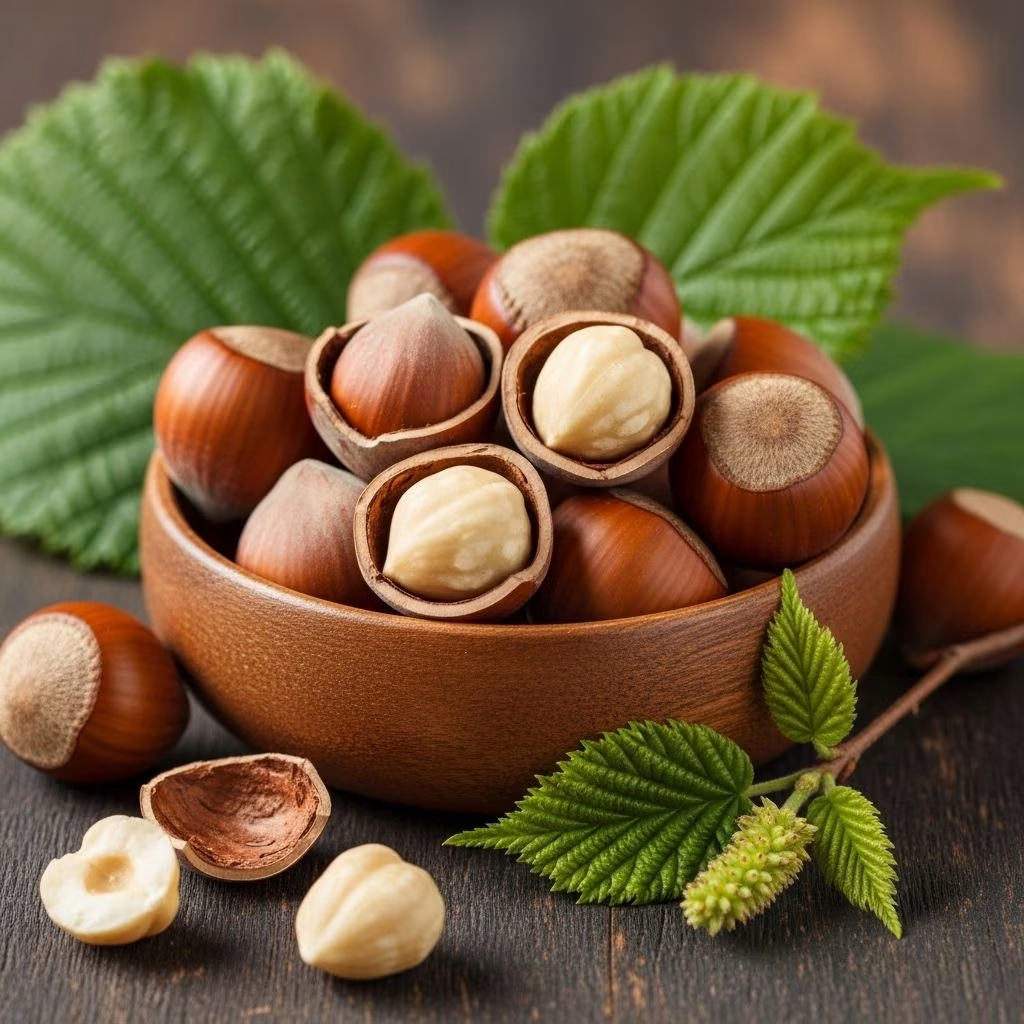
Filbert nuts, often referred to interchangeably with hazelnuts, are treasured for their rich flavor, versatile uses, and impressive health benefits. Let’s examine the origins, nutritional values, culinary applications, and distinctive taste of filberts in depth.
What Is a Filbert?
Filbert is the name commonly used for the nut produced by certain species in the Corylus genus, specifically the European filbert (Corylus avellana) and the American filbert or hazelnut (Corylus americana). The term “filbert” is widely accepted to refer to edible nuts that are typically round to slightly elongated, medium-sized, with a smooth, hard shell and encased in a leafy husk. In many regions, including North America, the terms “filbert” and “hazelnut” are used almost interchangeably, although subtle distinctions exist (see below).
Etymology
- The name “filbert” may come from the feast of St. Philbert (celebrated on August 20), which coincides with the harvest time of these nuts.
- Another possible root is an Old German word meaning “full beard”, a reference to the husk’s beard-like appearance on the nut.
History and Origins
Filberts have ancient roots throughout Europe, Asia, and North America. Archaeological findings show that hazelnuts and filberts have been a food source for thousands of years—prized by ancient civilizations for their nutritional value and storability.
- Today, Turkey is the world’s largest producer of hazelnuts and filberts, supplying over half the global market.
- The Pacific Northwest (Oregon and Washington) is the major growing region in the United States.
Botanical Overview and Differences: Filbert vs Hazelnut
While the terms filbert and hazelnut are often used interchangeably, there are some botanical and horticultural distinctions:
| Aspect | Filbert | Hazelnut |
|---|---|---|
| Species | Corylus avellana (mainly), Corylus maxima | Corylus americana, Corylus cornuta |
| Shape | Usually longer, more oval—twice as long as wide | Round to oval, usually about as wide as it is long |
| Region | Europe, Turkey, Pacific Northwest (USA) | North America (native) |
| Commonality | Filbert can refer specifically to European species, but often used as synonym for hazelnut | Hazelnut sometimes refers generically to all Corylus species |
Despite the differences, in the culinary and commercial context, the distinction is blurred—most nuts marketed as filberts or hazelnuts are used similarly and have comparable flavors.
Nutritional Benefits of Filbert
Filberts are a nutritious food rich in health-promoting compounds. Here are the main benefits supported by nutrition science:
- Vitamins and Minerals: Good source of vitamin E, copper, manganese, magnesium, folate, and B vitamins.
- Healthy Fats: High in monounsaturated and polyunsaturated fatty acids, which can help lower LDL cholesterol and promote cardiovascular health.
- Protein: Provides plant-based protein, making them suitable for vegetarian and vegan diets.
- Fiber: High in dietary fiber, supporting digestive health and helping with satiety (feeling full).
Key Health Benefits
- Heart Health: The combination of healthy fats, magnesium, and vitamin E supports cardiovascular function and may reduce the risk of heart disease.
- Brain Health: Folate and B vitamins contribute to cognitive function and may help lower the risk of depression and some neurodegenerative diseases, such as Alzheimer’s.
- Antioxidant Protection: Vitamin E and other phytonutrients act as antioxidants, protecting cells from oxidative damage.
- Cancer Prevention: Some research links consistent consumption of nuts like filberts to a reduced risk of certain cancers, attributed to their antioxidants, fiber, and folate content.
Culinary Uses of Filbert
Filberts are highly prized in culinary arts for their distinctive taste, texture, and versatility.
- Raw or Roasted: Eaten as a snack both raw (crunchy, intense flavor) or roasted (develops sweeter, richer flavor).
- Baking: Popular ingredient in cookies, tarts, biscotti, and cakes. Filberts pair especially well with chocolate.
- Nut Butters & Pastes: Used to make spreads and confections such as pralines, gianduja, and the famed spread Nutella.
- Savory Dishes: Chopped or ground filberts add flavor and crunch to pasta, salads, pesto, and as a coating on fish or meats.
- Flour: Finely ground filberts can be used as a gluten-free flour substitute in baking.
- Cereal & Muesli: Widely included in breakfast cereals, granolas, and energy bars for added nutrition and taste.
- Oils: Filbert oil, pressed from the nuts, is prized for salad dressings and drizzle finishes thanks to its aromatic, nutty flavor.
- Liquor: Used in flavoring liqueurs such as Frangelico.
In Europe and the Middle East, filberts are featured in classic pastries and desserts as well as traditional savory fare.
Taste Profile: What Does Filbert Taste Like?
Filberts are celebrated for their distinctive flavor that enhances both sweet and savory dishes.
- Flavor: Sweet, nutty, with rich earthy undertones. The taste can be
described as roasted, slightly buttery, and sometimes reminiscent of chocolate. - Texture: Crunchy when raw, developing a delicate, crisp texture when roasted.
- Aroma: Filbertone, a naturally occurring compound in filbert oil, gives filberts a marbled, sweet, roasted character and long-lasting aroma. Compounds like bean pyrazine are responsible for earthy, beany, chocolaty notes.
The flavor pairs exceptionally well with chocolate, coffee, dried fruits, citrus zest, and savory herbs.
Growing and Harvesting Filberts
The filbert shrub or tree is hardy and adaptable. The Corylus americana (American filbert) and Corylus avellana (European filbert) are the primary cultivated species.
- Habitat: Native to woodlands and thickets in North America and Eurasia.
- Growing Conditions: Prefer full sun to partial shade and well-drained soils.
- Size: American filbert shrubs reach 8-16 feet tall; European can be a bit larger.
Harvesting typically occurs in late summer or early autumn, when the nuts fall from their husks.
- Encased in husks: Each nut is partially surrounded by a leafy, ragged-edged bract (husk) that splits open as the nut matures.
- Mechanical or manual picking: Commercial harvesting may use machinery to collect fallen nuts, while smaller growers often rely on manual gathering.
Storage and Preparation
To maximize shelf life and quality, store filberts properly:
- Keep shelled filberts in a cool, dry place in an airtight container.
- For longer storage, refrigerate or freeze in sealed bags—this helps preserve their oils and prevents rancidity.
- Unshelled filberts keep for months if stored in a cool, dry spot.
Preparation Tips
- To remove the thin, dark outer skin: Roast the nuts at 350°F (175°C) for about 10-15 minutes, then wrap in a kitchen towel and rub vigorously—the skins will flake off.
- Chop, grind, or slice as needed for baking, coatings, or garnishes.
Potential Allergies and Safety
Filbert allergies are similar to other tree nut allergies and can be severe in sensitive individuals.
- Symptoms may include hives, swelling, digestive distress, or in rare cases, anaphylaxis.
- Those with known nut allergies should avoid filberts and products containing them.
Always consult with a healthcare professional if you suspect a nut allergy.
Frequently Asked Questions (FAQs)
Q: Are filberts and hazelnuts the same?
A: In most cases, yes. The terms are often used interchangeably in the United States and Europe, though minor botanical distinctions exist—filberts tend to be the elongated nuts of Corylus avellana whereas hazelnut may refer generically to several Corylus species.
Q: Can filberts be eaten raw?
A: Yes, filberts can be consumed raw; they have a crunchy texture and rich, somewhat earthy flavor. Roasting brings out their natural sweetness and enhances their aroma.
Q: What’s the best way to use filberts in baking?
A: Toast and chop filberts before adding them to doughs, batters, or toppings for cookies, cakes, biscotti, and breads. They pair perfectly with chocolate and dried fruits.
Q: Are filberts healthy for the heart?
A: Yes, filberts contain heart-healthy fats, magnesium, and vitamin E, all of which support cardiovascular wellness.
Q: Are there any traditional dishes featuring filberts?
A: Yes, European and Middle Eastern cuisines include many classic sweets and savory dishes with filberts, such as tortes, pralines, and spreads like gianduja.
Conclusion
Filberts occupy a unique place in the world of nuts, offering a splendid combination of flavor, nutrition, and culinary versatility. Whether enjoyed raw, roasted, ground into flour, or turned into luxurious spreads, filberts elevate any dish with their pleasing crunch and unmistakable taste. Their heart-healthy nutrients and centuries-old legacy make them a wise addition to a balanced diet. Next time you encounter the name “filbert” or “hazelnut,” you can appreciate the rich story—and delicious possibilities—this humble nut provides.
References
- https://www.nutstop.com/what-is-a-filbert-nut/
- https://ratinkhosh.com/all-about-hazelnuts/
- https://www.missouribotanicalgarden.org/PlantFinder/PlantFinderDetails.aspx?kempercode=c350
- https://en.wikipedia.org/wiki/Hazelnut
- https://plants.ces.ncsu.edu/plants/corylus-americana/
- https://extension.oregonstate.edu/catalog/pub/em-9072-growing-hazelnuts-pacific-northwest-introduction
- https://www.britannica.com/plant/Turkish-filbert
- https://www.portlandnursery.com/shrubs/corylus
- https://cnps-yerbabuena.org/california-hazelnut-corylus-cornuta/


