


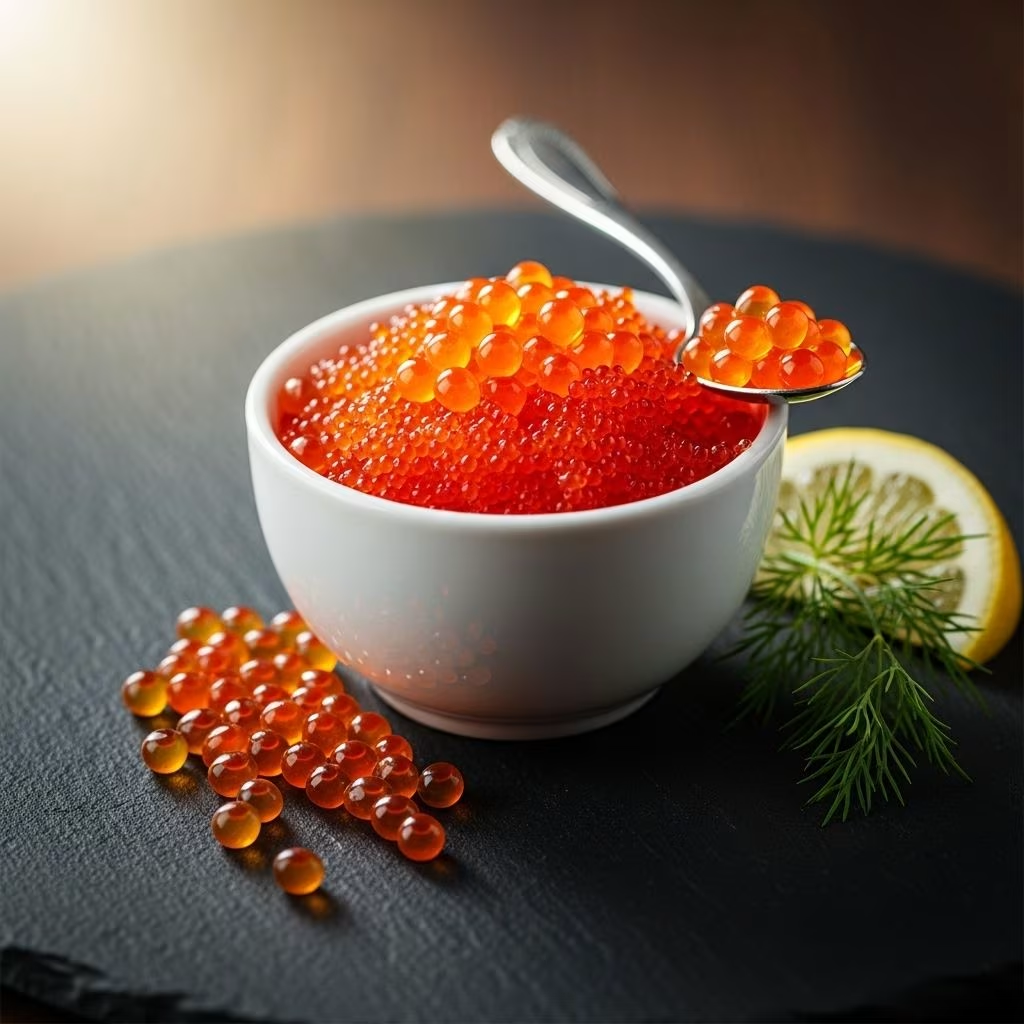
Introduction to Fish Roe
Fish roe, commonly called fish eggs, refers to the fully ripe internal egg masses in the ovaries of fish or the released external egg masses. Consumed globally and celebrated in gourmet cuisines, roe comes in many varieties, including salmon, sturgeon (caviar), capelin (masago), and herring (kazunoko). Renowned for its unique flavors and textures, roe is more than a delicacy—it is a nutritional powerhouse with significant health benefits.
Nutritional Profile of Fish Roe
Roe is an exceptionally nutrient-dense food, providing essential proteins, healthy fats, vitamins, and minerals important for human health.
Nutrient Composition (per 100g, approximate average)
| Nutrient | Amount |
|---|---|
| Calories | 119 – 250 kcal |
| Protein | 18.9 – 29.2 g |
| Total Fat | 5.5 – 14.0 g |
| Omega-3 Fatty Acids (EPA/DHA) | 2.5 – 3.5 g |
| Carbohydrates | ~1.3 – 2.9 g |
| Calcium | 19 – 275 mg |
| Iron | 0.5 – 11.9 mg |
| Vitamin B12 | 20 mcg (333% DV) |
| Vitamin D | 232 IU (58% DV) |
| Vitamin A | 76.5 – 91 mcg |
| Vitamin E | 2.7 – 10 mg |
| Phosphorus | 341.7 mg |
| Selenium | 34.25 mcg |
| Choline | 247.5 mg |
Note: Values can vary by fish species and roe type.
- Protein: Roe provides a complete amino acid profile and is highly digestible, ideal for muscle development and tissue repair.
- Fats & Omega-3s: Exceptionally high in EPA and DHA, essential for heart, brain, and cellular health.
- Vitamins: Outstanding source of B12, A, D, E, and fat-soluble vitamin K2 (as MK-4).
- Minerals: Provides calcium, phosphorus, magnesium, iron, selenium, and others crucial for bone, immunity, and brain function.
Health Benefits of Eating Fish Roe
Regular consumption of fish roe is associated with powerful health benefits, attributed to its dense concentration of bioavailable nutrients.
Key Health Benefits
- Supports Cardiovascular Health: High levels of omega-3 fatty acids (EPA & DHA) help reduce inflammation, lower triglycerides, and may support healthy blood pressure and cholesterol levels.
- Brain and Cognitive Function: Phospholipid-bound omega-3s are efficiently utilized by the brain, supporting memory, mood, and cognitive development, particularly during pregnancy and childhood.
- Bone Strength and Density: Rich in vitamin D, calcium, and phosphorus, which are essential for skeletal health and the prevention of osteoporosis.
- Immune Support: Vitamin A, D, and zinc strengthen the immune system, aiding in defense against infections and cell repair.
- Red Blood Cell Production: An abundant source of vitamin B12 supports the formation of red blood cells and helps prevent anemia.
- Antioxidant Protection: Vitamin E and selenium serve as antioxidants, reducing oxidative stress and cellular damage from free radicals.
- Healthy Pregnancy and Fetal Development: High in choline, DHA, and vitamin B12, which are vital for fetal neural and visual development.
- Eye Health: Vitamin A and DHA contribute to the maintenance of good vision and prevention of degenerative eye diseases.
- Joint Support: Omega-3 fatty acids play an anti-inflammatory role, potentially reducing discomfort from arthritis and supporting joint flexibility.
Recommended Dosage and How to Eat Roe
Fish roe is concentrated in nutrients and can be safely included in most diets, but moderation is advisable due to its richness and often high sodium content.
General Dosage Guidelines
- Adults: 1–2 tablespoons (15–30 grams) per serving, 2–4 times per week, is typically considered a healthy and safe range for most individuals.
- Children (over 9 months): Experts recommend introducing roe as early as 9 months old in small quantities (half to one teaspoon), gradually increasing as tolerated.
- Pregnant and nursing women: Can benefit from 1–2 tablespoons, 2–3 times per week, provided the roe is from a reputable source and is low in contaminants (such as mercury and PCBs).
- Individuals with dietary restrictions: Always start with small amounts to assess for allergies or sensitivities.
Tips for Incorporating Roe
- Add as a topping for sushi, salads, blinis, or canapés.
- Mix into omelets, spreads, or dips for flavor and nutrition.
- Combine with whole grain breads or crackers for a balanced snack.
- Pair roe with vitamin C-rich foods to enhance iron absorption.
- Avoid excessive consumption due to potential salt content in processed or cured roe varieties.
Potential Side Effects and Precautions
While fish roe is generally safe and beneficial, there are important precautions and potential side effects to consider:
- High Sodium Content: Many commercial roes (such as caviar) are salted as a preservative. Excess sodium intake can contribute to high blood pressure and fluid retention. Check labels and moderate your portion size if sodium is a concern.
- Cholesterol: Like other animal products, roe contains cholesterol. However, current research indicates that dietary cholesterol has a modest effect on blood cholesterol for most people. Consult your healthcare provider if you are on a cholesterol-lowering diet.
- Allergies: Fish and shellfish allergens may be present. Individuals with fish allergies should avoid roe. Symptoms of an allergic reaction include hives, itching, swelling, difficulty breathing, or digestive upset.
- Contaminants: Roe from fish caught in polluted waters may contain environmental toxins such as mercury, polychlorinated biphenyls (PCBs), or microplastics. Always choose roe from reputable, tested sources, especially for pregnant and breastfeeding women.
- Food Safety: Raw roe has a risk of bacterial or parasitic contamination. Prefer pasteurized or well-refrigerated roe, especially for vulnerable populations (young children, elderly, immunocompromised, and pregnant women).
- Gout and Purine Content: Roe is rich in purines, which can increase uric acid levels; individuals prone to gout should moderate or avoid intake.
Types, Sourcing and Quality Considerations
Not all roes are created equal. The nutritional profile, safety, and environmental impact can vary widely between species, farming methods, and processing techniques.
Popular Types of Roe
- Salmon Roe (Ikura): Bright orange, large pearls, prized for high omega-3s, vitamin D, and unique taste.
- Sturgeon Roe (Caviar): Traditionally from wild sturgeon, very costly, delicate flavor and texture, total omega-3 and protein vary.
- Capelin Roe (Masago): Small, crunchy orange eggs often used in sushi; lower fat than sturgeon or salmon.
- Herring Roe (Kazunoko): Golden-yellow, firm, enjoyed especially in Japanese cuisine.
- Lumpfish Roe: Budget-friendly, smaller eggs, often dyed red or black for use as a caviar substitute.
Sourcing and Sustainability
- Wild-Caught vs. Farmed: Wild-caught roes (especially Alaskan) tend to have higher nutrient density but sourcing from sustainable fisheries is crucial to prevent overfishing.
- Processing: Pasteurized and flash-frozen roe have a longer shelf life and can be safer for consumption.
- Quality Indicators: Freshness is key; look for vibrant color, a “pop” texture, and mild sea aroma. Avoid cloudy, dull, or overly fishy-smelling roe.
- Storage: Keep refrigerated, and consume opened products within 2–3 days.
Frequently Asked Questions (FAQs)
Q: Is fish roe safe for pregnant or breastfeeding women?
A: Yes, when sourced responsibly and handled safely, roe provides valuable DHA and nutrients beneficial for pregnancy and infant development. Avoid raw or unpasteurized roe due to food safety risks, and consult with a healthcare provider if uncertain.
Q: Can children eat fish roe?
A: Yes. Fish roe is rich in essential brain and growth nutrients, making it a great food for children over 9 months old. Start with small servings and ensure there are no allergies.
Q: How does roe compare to eating fish fillets?
A: Roe generally has higher concentrations of certain vitamins (notably B12 and D), omega-3s, and minerals per gram compared to most fillet cuts. However, it is often served in smaller quantities and may have higher sodium.
Q: What is the difference between caviar and other types of roe?
A: “Caviar” refers specifically to the salt-cured roe from sturgeon species. Roe from other fish (salmon, capelin, lumpfish) is labeled by species name but may be processed similarly for texture and flavor.
Q: Are there plant-based alternatives to fish roe?
A: Imitation roes made from seaweed or tapioca exist and mimic the texture, but they do not offer the same nutritional profile, especially regarding omega-3 fatty acids.
Q: Does cooking roe destroy nutrients?
A: Some fragile nutrients (like some B vitamins) can decrease with heating, but most healthy fats, minerals, and many vitamins remain stable. For maximal benefits, use raw, pasteurized, or minimally processed roe whenever possible.
Conclusion
Fish roe stands out as a nutrient-dense superfood—rich in omega-3s, vital vitamins, and trace minerals—delivering powerful support for brain, heart, immunity, and overall vitality. By following recommended portion sizes, sourcing from quality suppliers, and observing proper storage, roe can be enjoyed safely as part of a balanced, healthful diet. Individuals with allergies, sodium restrictions, or special health concerns should exercise caution and consult a healthcare professional for personalized advice.
References
- https://caviarspherika.com/en/blogs/blogs/benefits-of-eating-fish-roes
- https://www.rooted-nutrition.com/post/fish-eggs-the-forgotten-food-superstar
- https://www.doctorkiltz.com/salmon-roe/
- https://www.urmc.rochester.edu/encyclopedia/content?contenttypeid=76&contentid=15072-4
- https://www.healthline.com/nutrition/masago
- https://imperiacaviar.com/blogs/blog/is-fish-roe-good-for-you-all-about-fish-eggs
- https://ancestralsupplements.com/blogs/news/are-fish-eggs-good-for-you


