


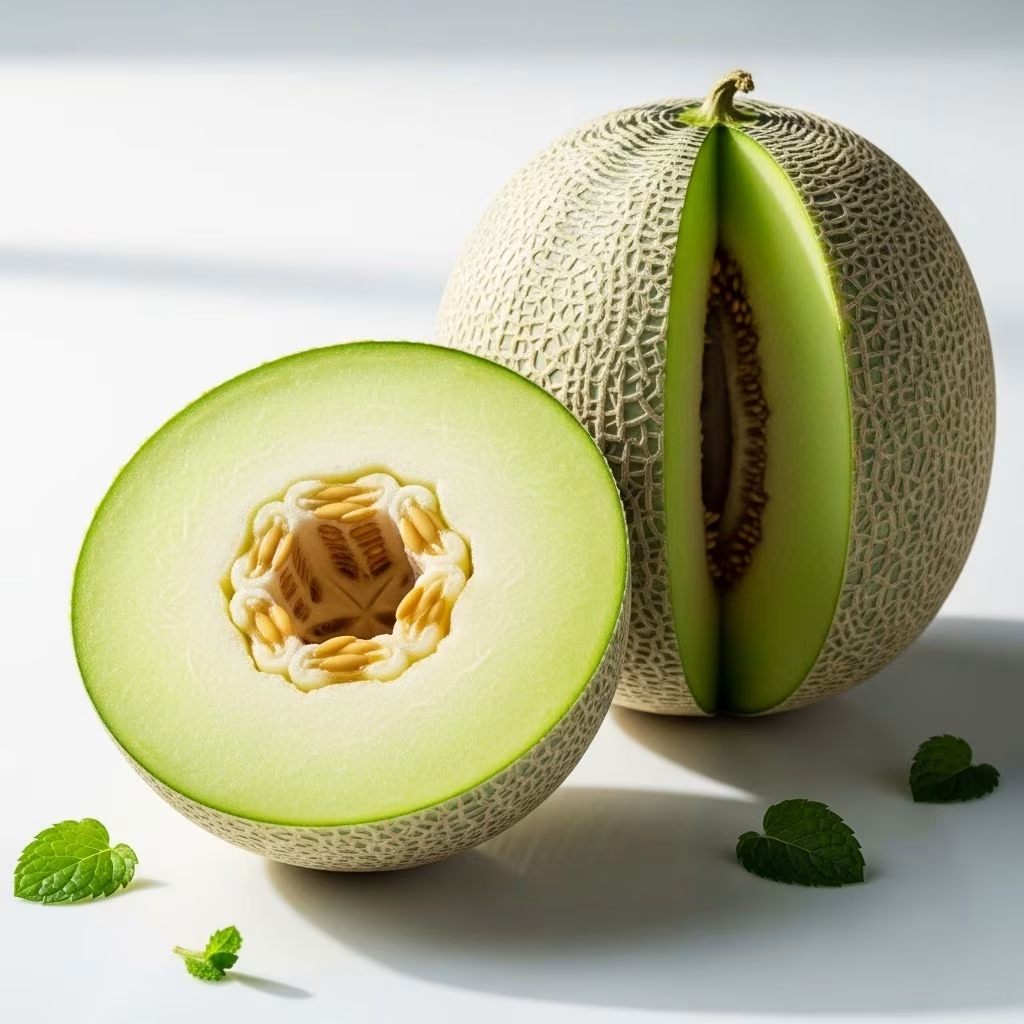
Galia Melon: Nutrition, Health Benefits, Uses, and Taste – The Complete Guide
Galia melon is a true standout in the world of fruits, celebrated for its invigorating sweetness, impressive nutrition profile, and versatile culinary applications. As a hybrid superfruit developed in Israel, the Galia melon combines the best characteristics of cantaloupe and honeydew, earning global recognition for its taste and wellness benefits. This comprehensive guide explores everything you need to know about Galia melon: its origins, nutritional value, health advantages, uses in cuisine, and how to select the perfect melon for your recipes.
Introduction to Galia Melon
The Galia melon (scientific name: Cucumis melo var. reticulatus) is a hybrid fruit renowned for its refreshing taste and extensive nutritional benefits. Offering a combination of cantaloupe’s sweetness and honeydew’s fragrant aroma, it’s increasingly popular among health enthusiasts and culinary experts for its hydration, fiber, and micronutrient content.
Galia melon stands out as a superfood due to its versatility and nutrient density, making it an excellent choice for anyone seeking both flavor and wellness in their diet.
Origin and Characteristics
Hybrid Heritage
Developed in Israel during the 1970s, Galia melon is a crossbreed between cantaloupe and honeydew melon. Its popularity has since spread worldwide, thanks to a unique combination of visual appeal, taste, and health benefits.
Key points about its characteristics include:
- Exterior: Yellowish or greenish netted rind resembling a cantaloupe.
- Interior: Pale green to yellow flesh similar to a honeydew.
- Size: Approximately half the size of a standard cantaloupe; compact and ideal for individual servings.
- Aroma: Sweet and inviting, often detectable even before cutting.
When ripe, a Galia melon should smell sweet and feel firm to the touch, promising the best flavor experience.
Nutritional Value of Galia Melon
Galia melon is exceptionally low in calories and fat, yet rich in essential vitamins, minerals, and fiber. This makes it a top pick for nutrient-packed snacking or meal additions.
| Nutrient | Amount (per 100g) | Benefit |
|---|---|---|
| Calories | ~35 kcal | Low calorie, aids weight management |
| Water | ~90% | Hydration and satiety |
| Vitamin C | ~20-30 mg | Boosts immunity and skin health |
| Vitamin A | ~15-20 mcg | Supports vision and immunity |
| Potassium | ~250 mg | Maintains healthy blood pressure |
| Fiber | ~1-1.6 g | Promotes digestion and satiety |
| Carotenoids | Present | Antioxidant protection, eye health |
| Bioflavonoids | Present | Antioxidant effects |
Micronutrients and Plant Compounds
- B vitamins for energy metabolism and nervous system support
- Calcium and iron, contributing to strong bones and red blood cell formation
- Zero fat and cholesterol, making it ideal for heart-healthy diets
Eating Galia melon regularly supports a balanced intake of vitamins and minerals without excess calories or fats.
Health Benefits of Galia Melon
Galia melon is recognized as a superfood due to its remarkable health-promoting properties. Scientific research and expert opinions highlight several core benefits:
1. Hydration
Galia melon boasts a water content of more than 90%, making it a superb choice for combating dehydration, particularly in warm climates or after exercise. Proper hydration helps:
- Maintain optimal bodily functions
- Support healthy skin and cellular processes
- Facilitate digestion and nutrient absorption
2. Nutrient Density
- Rich in vitamin C for immune support and collagen production
- Contains vitamin A for vision health and antioxidant defense
3. Antioxidant Power
Galia melon provides a mix of carotenoids and bioflavonoids that neutralize harmful free radicals. This helps reduce chronic disease risk and supports long-term health.
4. Digestive Health
- Soluble dietary fiber promotes regular bowel movements, alleviates constipation, and fosters beneficial gut bacteria
- Fiber also boosts feelings of fullness, making it easier to control calorie intake
5. Weight Management
Low calorie and high fiber composition make Galia melon ideal for weight control. It supports satiety while contributing valuable nutrients to your diet without excess fats or sugars.
6. Heart Health
- Potassium helps regulate blood pressure, decreasing stroke and heart attack risk
- Fiber lowers LDL (bad cholesterol) levels to protect against atherosclerosis
- No fat or cholesterol, ideal for cardiovascular health
7. Immune System Support
- Vitamin C and A stimulate immune function
- Carotenoids and bioflavonoids enhance free radical defense
8. Vision Protection
With moderate vitamin A and carotenoids, Galia melon helps safeguard eyesight by reducing risks of macular degeneration and cataracts.
9. Diabetes Management
Research shows Cucumis melo varieties have anti-diabetic properties, supporting better blood glucose regulation and offering safe dietary options for diabetics.
Culinary Uses of Galia Melon
Galia melon’s appealing sweetness and aroma make it a snap to integrate into various dishes. Its versatility allows it to shine both in sweet and savory recipes.
Ways to Enjoy Galia Melon
- Fresh Slices: Enjoy on its own, chilled for maximum refreshment.
- Fruit Salads: Combine with berries, citrus, or tropical fruits for a colorful, hydrating dish.
- Smoothies: Blend with yogurt, mint, and ice for a cooling beverage.
- Savory Pairings: Try with prosciutto, feta, or cucumber for gourmet appetizers.
- Desserts: Mix into sorbets, granitas, or frozen popsicles.
- Breakfast: Top your yogurt, oats, or pancakes with cubed Galia melon for sweetness and moisture.
Creative Culinary Ideas
- Gazpacho-inspired cold soups
- Chilled melon and mint salsa for grilled seafood
- Melon cubes tossed with herbs, olive oil, and lemon juice as a refreshing salad
The melon’s subtle sweetness and hydrating properties make it a summer staple and a year-round treat.
Flavor and Taste Profile
What sets Galia melon apart from other melons is its unique taste profile:
- Sweetness: Comparable to cantaloupe but often perceived as more complex and delicate.
- Fragrance: Honeyed aroma, reminiscent of honeydew, with undertones of tropical fruit.
- Texture: Juicy, succulent, and slightly crisp.
- Refreshing finish: Clean and cooling, leaving the palate revived.
Galia melon’s balanced flavor makes it equally suitable for fresh snacking or as a subtle highlight in elaborate dishes.
Selecting and Storing Galia Melon
How to Choose a Ripe Galia Melon
- Fragrance: Ripe melons emit a strong, sweet scent from the stem end.
- Color: The yellow hue should be vivid, not dull; green undertones suggest underripeness.
- Texture: Surface should be firm but yield slightly under gentle pressure.
- Look for blemish-free skin: Avoid cracks or soft spots.
Storage Tips
- Whole melons can be kept at room temperature for a few days to ripen.
- Once cut, cover and refrigerate; consume within 3-4 days for best taste and safety.
- Keep melon slices in an airtight container to prevent flavor absorption from other foods and dehydration.
- Freezing is possible, but it may alter the texture; best used for smoothies or sorbets.
Potential Side Effects & Precautions
- Allergy risk: Very rare, but some individuals allergic to melons should avoid Galia melon.
- Sugar content: Low to moderate; generally safe for diabetics when consumed in reasonable portions.
- Food safety: Wash skin thoroughly before cutting to prevent contamination.
Frequently Asked Questions (FAQs)
Q: Is Galia melon good for weight loss?
A: Yes, its low calorie and high fiber content promote satiety, making it an excellent choice for weight management.
Q: Can diabetics eat Galia melon?
A: Galia melon’s sugars are found in modest amounts. Emerging research suggests it’s safe for most diabetics in controlled portions. Always consult your healthcare provider for personalized advice.
Q: What does Galia melon taste like?
A: Galia melon combines cantaloupe-like sweetness and honeydew’s aromatic fragrance, with juicy, crisp, and refreshing flesh.
Q: How do I know when a Galia melon is ripe?
A: Look for a strong sweet aroma, vivid yellow skin, and slight softness at the stem end.
Q: Can I use Galia melon in savory dishes?
A: Absolutely! It pairs well with salty cheeses, cured meats, citrus, and fresh herbs, making it ideal for gourmet salads and appetizers.
Conclusion
Galia melon’s rise to superfood status is deserved: from its impressive nutrition profile and health benefits to its unmatched versatility in the kitchen. Whether you’re looking to boost hydration, support wellness goals, or add vibrant flavor to your recipes, Galia melon delivers on all fronts. Next time you spot this aromatic, sweet fruit at the market, take it home and explore the myriad possibilities it offers for taste and health.
References
- https://www.indiatvnews.com/health/superfood-galia-melon-know-these-5-benefits-of-this-hybrid-melon-2024-04-14-926224
- https://www.webmd.com/diet/health-benefits-galia-melon
- https://www.potsandpans.in/blogs/articles/galia-melon-health-benefits-uses-and-important-facts
- https://www.organicfacts.net/health-benefits/fruit/galia-melon.html
- https://www.nutrition-and-you.com/galia-melon.html
- https://specialtyproduce.com/produce/Galia_Melons_916.php
- https://www.youtube.com/watch?v=vrpb6Qqisb0
- https://www.dole.com/en-gb/blog/types-of-melons-and-their-health-benefits


