


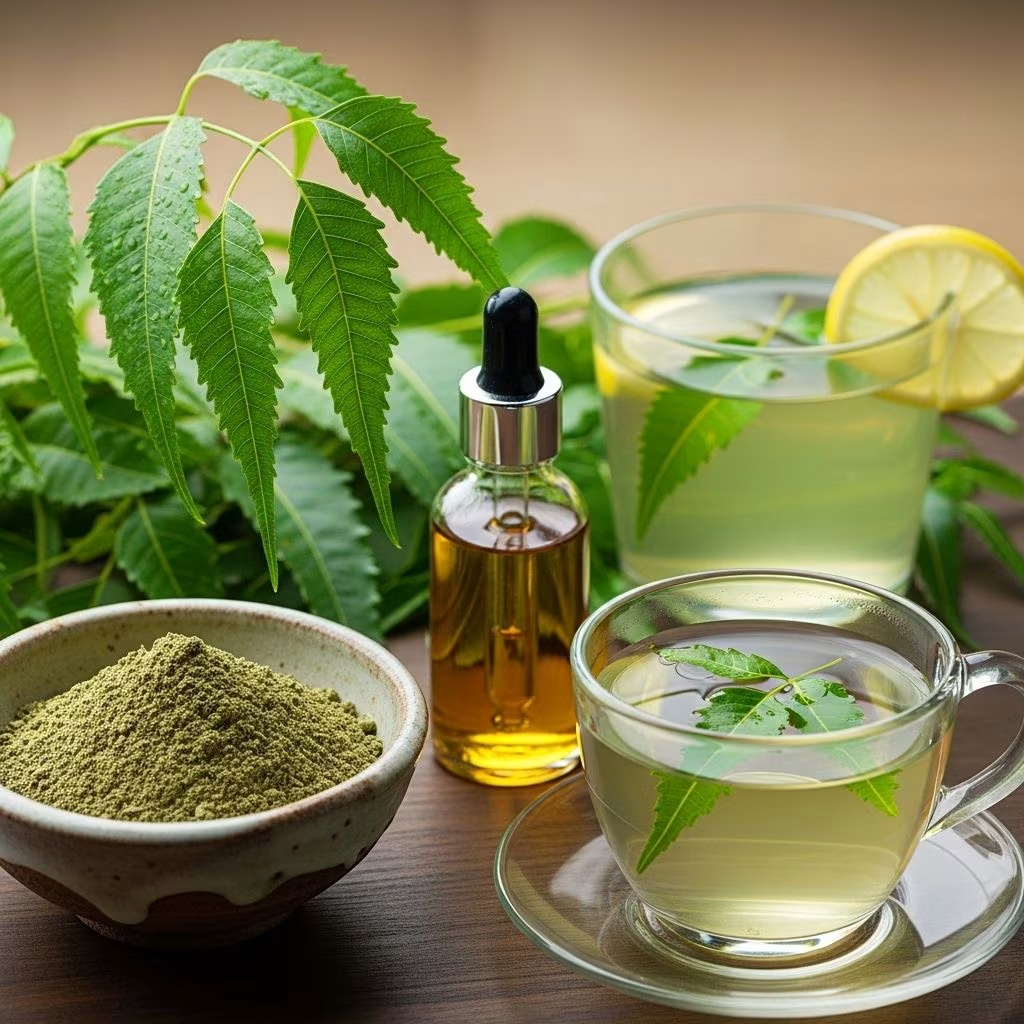
Neem (Azadirachta indica) is a versatile tree native to the Indian subcontinent, known for its medicinal properties. Every part of the tree, including its leaves, flowers, seeds, fruit, roots, and bark, is utilized in traditional Asian medicine. Neem leaves, in particular, are rich in active compounds that provide numerous health benefits. This article delves into the benefits, uses, and taste of neem leaves, exploring their role in traditional and modern medicine.
Description of Neem Tree
The neem tree is a fast-growing evergreen tree that can reach heights of 15–20 metres (49–66 ft) and sometimes up to 35–40 meters (115–131 ft). It has a wide, spreading canopy with pinnate leaves consisting of 20 to 30 leaflets. These leaves are typically 20–40 cm long and have a medium to dark green color. Neem trees are known for their fragrant white flowers and smooth, olive-like drupes that turn golden yellow when ripe.
Benefits of Neem Leaves
Neem leaves are incredibly rich in active compounds, including nimbin, nimbanene, and quercetin, making them a potent source of antioxidants, anti-inflammatory, antimicrobial, and antiparasitic properties. These compounds confer numerous health benefits:
- Antioxidant Properties: Neem leaves help protect against oxidative stress and free radicals, which can reduce the risk of chronic diseases.
- Anti-Inflammatory Effects: They are used to treat various inflammatory conditions, such as skin issues and ulcers.
- Antimicrobial and Antiviral Properties: Neem’s antimicrobial properties help combat infections and boost the immune system.
- Antidiabetic Effects: Studies suggest that neem may help regulate blood sugar levels.
Uses of Neem Leaves
Neem leaves are used in multiple ways, both traditionally and in contemporary applications:
- Ayurvedic Medicine: Used to treat ulcers, brain ailments, and gastrointestinal issues.
- Skincare and Cosmetics: Neem-based products are popular for treating acne, enhancing skin health, and reducing inflammation.
- Teeth Cleaning: Neem twigs have been used for centuries as a natural toothbrush to maintain oral hygiene.
- Organic Pest Control: The seeds contain compounds like azadirachtin, which are used as natural insecticides.
Taste of Neem Leaves
Neem leaves have a distinct bitter taste, often described as earthy and somewhat astringent. This bitterness is a testament to their medicinal properties and is a reason why they are often consumed in forms like tea or added to meals in small quantities.
Preparing Neem Leaves for Use
To prepare neem leaves for consumption or use:
- Tea: Neem leaf tea is a common way to consume the leaves. Simply boil the leaves in water, then strain and drink.
- Capsules or Supplements: Neem extracts are available in capsule form for easier consumption.
- Infusions: Neem leaves can be infused in oil for topical use, such as in skin and hair treatments.
Frequently Asked Questions
Q: Are Neem Leaves Safe for Consumption?
A: Yes, neem leaves are generally safe when consumed in moderation. However, it is advisable to consult with a healthcare provider before using them, especially if you have any health conditions.
Q: Can Neem Leaves Be Used in Skincare?
A: Yes, neem leaves are beneficial for skincare. They are used in various products to treat acne, reduce skin inflammation, and improve skin health.
Q: How Often Should I Drink Neem Tea?
A: Neem tea can be consumed daily in moderation. It is recommended to start with small amounts and adjust based on individual tolerance and health goals.
Conclusion
Neem leaves are a valuable resource in traditional medicine, offering a wide range of health benefits due to their rich content of active compounds. From reducing inflammation to boosting immunity, neem leaves have been a cornerstone of Ayurvedic and folk medicine for centuries. Their versatility extends beyond health to include uses in cosmetics and organic farming, making neem a multifaceted natural remedy.
References
- https://en.wikipedia.org/wiki/Azadirachta_indica
- https://www.healthline.com/nutrition/neem
- https://pmc.ncbi.nlm.nih.gov/articles/PMC4791507/
- https://www.britannica.com/plant/neem-tree
- https://www.ncbi.nlm.nih.gov/books/NBK234651/
- https://www.medicalnewstoday.com/articles/325048
- https://www.missouribotanicalgarden.org/PlantFinder/PlantFinderDetails.aspx?taxonid=282701


