


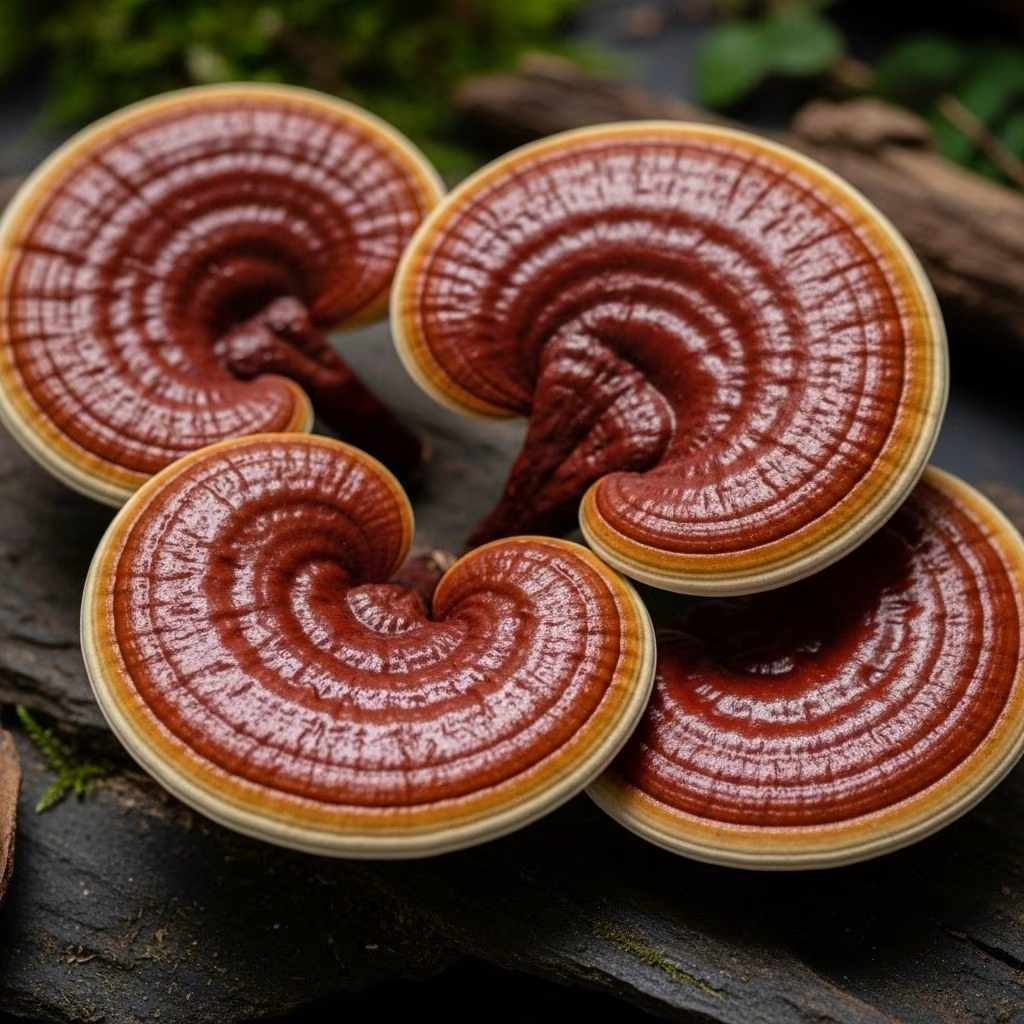
Ganoderma lucidum, also known as Reishi or Lingzhi, has a long history of use in Eastern medicine for promoting longevity and vitality. In modern times, this medicinal mushroom has attracted scientific attention due to its wide range of proposed health benefits, versatile uses, and distinctive taste profile. This guide explores the nature of Ganoderma lucidum, its major benefits, applications in health and wellness, and answers common questions about its consumption.
Introduction to Ganoderma Lucidum
Ganoderma lucidum is a type of polypore fungus, characterized by its shiny, reddish-brown, kidney-shaped cap and woody texture. It grows predominantly on decaying hardwood trees in humid, temperate, and tropical regions, particularly in Asia. In China, it is known as Lingzhi (灵芝), and in Japan as Reishi.
- Historical Use: Revered for over 2,000 years in Traditional Chinese Medicine as the “Mushroom of Immortality.”
- Symbolism: Associated with spiritual potency, longevity, and well-being.
- Natural Habitat: Found in wild forests and cultivated on logs for medicinal use.
Modern cultivation enables controlled production, ensuring consistent quality and availability for supplements and functional foods.
Active Compounds in Ganoderma Lucidum
The health-promoting effects of Ganoderma lucidum are attributed to its wealth of bioactive compounds:
- Polysaccharides (especially β-glucans): Key for immune modulation, anti-inflammatory, and antioxidant activities.
- Triterpenoids (notably ganoderic acid): Linked to liver protection, anti-tumor, and cholesterol-lowering properties.
- Other constituents: Peptidoglycans, sterols, alkaloids, and more with diverse biological activities.
| Compound | Main Effects |
|---|---|
| Polysaccharides (GLP) | Immunity boost, antioxidant, anti-inflammatory, anti-tumor, liver protection, blood sugar regulation |
| Triterpenoids (Ganoderic acids/GLT) | Liver health, cardiovascular support, anti-cancer, cholesterol lowering, blood sugar regulation |
| Peptidoglycans | Immunomodulation, potential anticancer activities |
Health Benefits of Ganoderma Lucidum
A wide range of health benefits have been attributed to Ganoderma lucidum. Research, both traditional and modern, backs many of these claims—particularly its effects on immunity, inflammation, and metabolic health.
Immune System Support and Modulation
The polysaccharides and peptidoglycans in Ganoderma lucidum exert a powerful immunomodulatory effect. These compounds can:
- Stimulate activity of T-cells and natural killer (NK) cells.
- Enhance antibody production and overall immune readiness.
- Regulate immune response, supporting both immune stimulation and control of overactivity (as in allergies and autoimmune issues).
Anti-Cancer and Tumor-Inhibiting Properties
Numerous laboratory and animal studies indicate that extracts of Ganoderma lucidum may have anti-cancer potential. These effects are attributed primarily to:
- Induction of cancer cell apoptosis (programmed cell death).
- Inhibition of tumor cell proliferation and metastasis.
- Suppression of angiogenesis (cutting off blood supply to tumors).
- Influence on key molecular pathways including those involving apoptosis markers (e.g., p53, Bax) and immune activation.
While preclinical data are promising, human studies are limited and more research is needed to confirm clinical effectiveness.
Antioxidant Activity
Ganoderma lucidum possesses strong antioxidant properties:
- Neutralizes harmful free radicals.
- May help protect cells and DNA from oxidative stress and aging-related degeneration.
Liver Protection and Detoxification
Historically used for liver health, modern studies suggest that:
- Ganoderic acids may reduce liver enzyme levels and protect against alcohol-related liver damage.
- Supports detoxification and cellular regeneration in the liver.
Cardiovascular Health
- Lowers cholesterol and triglyceride levels, owing to triterpenes and polysaccharides.
- Reduces platelet aggregation, possibly lowering the risk of blood clots and associated conditions.
- Supports healthy blood pressure and overall vascular function.
Blood Sugar Regulation
- Exhibits antidiabetic effects by improving insulin sensitivity and moderating glucose absorption.
- Helps reduce the risk of diabetic complications with ongoing supplementation.
Anti-Inflammatory and Allergy Support
- Decreases inflammatory markers and calms overactive immune responses, useful in allergies and chronic inflammation.
Gut Flora and Digestive Support
- Regulates gut microbiota, fosters probiotic growth, and strengthens gut barrier function.
- May support recovery from digestive disturbances such as diarrhea and inflammatory bowel disease.
Additional Reported Benefits
- Fatigue reduction and improved energy levels.
- Enhanced stress resistance and adaptation to illness.
- Potenital neuroprotective and anti-aging properties.
Uses of Ganoderma Lucidum
Traditional Uses
Traditional Chinese and Japanese medicine has used Ganoderma lucidum for:
- Promoting longevity and vitality
- Treating respiratory conditions (asthma, bronchitis)
- Hepatoprotection (supporting the liver)
- Immune enhancement during illness or aging
- Balancing mood and calming the spirit (shen tonic)
Modern Forms and Consumption Methods
- Capsules and tablets (standardized extracts, powders)
- Tea or decoctions (simmering dried mushroom slices in water)
- Powder (added to smoothies, coffee, soups)
- Liquid extracts and tinctures
- Functional foods (chocolates, snack bars, soups)
Popular Applications
- Daily dietary supplement for overall wellness
- Adjuvant during cancer therapy (always consult a physician before use)
- Adaptogenic support for stress management
- Inclusion in gut health and immune-boosting regimens
Ganoderma Lucidum in Modern Medicine and Research
While Ganoderma lucidum has been used for millennia in the East, scientific investigation into its effects accelerated in the late 20th century. Modern research continues to probe its active constituents and mechanisms of action in the body.
- Animal studies show significant tumor-inhibitory and anti-cancer properties—by both boosting immune activity and directly affecting tumor cells.
- For example, intraperitoneal or oral extracts reduced tumor growth rates by up to 98% in rodent models.
- Clinical research suggests possible benefits in blood glucose control, immune support for cancer and chronic illness patients, and improvement of fatigue and quality of life in people with various conditions.
- Ongoing investigation into gut microbiota regulation and fermentation with probiotic strains indicates new avenues for immune and metabolic health.
Note: While promising, evidence remains limited for use as a standalone treatment for serious disease. Always consult healthcare providers before adding Ganoderma lucidum supplements, especially if undergoing medical treatment.
Taste and Consumption of Ganoderma Lucidum
What Does Ganoderma Lucidum Taste Like?
The natural taste of Ganoderma lucidum is distinct and often described as follows:
- Bitter: Primarily due to the presence of triterpenoids (especially ganoderic acids)
- Earthy, woody, and slightly mushroomy undertones
- Sometimes a lingering, slightly metallic finish
This intense bitterness is why Reishi is rarely cooked or eaten as a whole food—it is most often consumed as tea, powder, or extract, where the taste can be masked or diluted.
How to Prepare and Consume
- Tea/Decoction: Place thinly sliced dried mushroom in simmering water (30–60 minutes) and strain. Sweeten with honey or combine with other herbs to soften bitterness.
- Powder in Smoothies or Coffee: Add small amounts to beverages or foods with strong flavors to minimize bitterness.
- Capsules/Tablets: For those who dislike the taste, standardized extracts in pill form are preferred.
| Preparation | Taste Notes | Notes |
|---|---|---|
| Tea/Decoction | Strongly bitter, earthy | Sweeten or blend for improved palatability |
| Powder (in food/beverage) | Mild bitterness if used sparingly | Combine with coffee or chocolate flavors |
| Capsules/Tablets | Bitter taste avoided | Easy, standardized dosage |
Potential Side Effects and Safety
Ganoderma lucidum is generally regarded as safe for healthy adults at standard supplement dosages. However, higher doses or prolonged use can cause mild side effects:
- Digestive upset (nausea, diarrhea)
- Dry mouth, throat, or nasal passages
- Itching or skin rash (rarely)
Cautions:
- May interact with blood-thinning, immunosuppressant, and hypoglycemic medications
- Consult a physician if pregnant, nursing, or using concurrent prescription drugs
- Allergic reactions are rare, but possible; discontinue use if any adverse symptoms appear
Frequently Asked Questions (FAQs)
Q: Can Ganoderma lucidum be taken every day?
A: Yes, many people take it daily as a supplement. Standard doses in capsules or powder are safe for most adults, but consult your healthcare provider for personal recommendations.
Q: How quickly will I notice benefits?
A: Some effects, like improved sleep or calm, may be noticed in days to weeks. Others (immunity, cholesterol, etc.) generally require several weeks of consistent intake.
Q: Is Ganoderma lucidum suitable for vegetarians and vegans?
A: Yes, as a fungus, all forms are plant-based. Choose supplements free of animal-derived additives to ensure suitability for vegans.
Q: Who should avoid Ganoderma lucidum?
A: Pregnant or breastfeeding women, people on certain medications (anticoagulants, immunosuppressants, diabetes drugs), or with mushroom allergies should seek medical guidance before use.
Q: How does Ganoderma lucidum differ from Chaga, Cordyceps, or other medicinal mushrooms?
A: Each mushroom contains unique bioactive compounds and traditional uses. Ganoderma lucidum is distinct for its triterpenoid richness, bitter taste, and wide documented applications in immune and liver health.
Conclusion
Ganoderma lucidum (Reishi, Lingzhi) is one of the world’s most revered medicinal mushrooms, offering a powerful blend of traditional wisdom and modern scientific promise. From immune support to liver, cardiovascular, metabolic, and adaptogenic benefits, it has a remarkable safety profile and application versatility. Its characteristic bitterness signals medicinal strength, but easy-to-take preparations make it accessible for daily wellness support. As science continues to validate its ancient uses, Ganoderma lucidum stands as a leading example of nature’s healing potential—best integrated into a holistic health approach and always in consultation with your healthcare provider.
References
- https://www.frontiersin.org/journals/microbiology/articles/10.3389/fmicb.2024.1362479/full
- https://www.ncbi.nlm.nih.gov/books/NBK92757/
- https://www.healthline.com/nutrition/reishi-mushroom-benefits
- https://onlinelibrary.wiley.com/doi/full/10.1002/fsn3.70423
- https://www.mskcc.org/cancer-care/integrative-medicine/herbs/reishi-mushroom


