


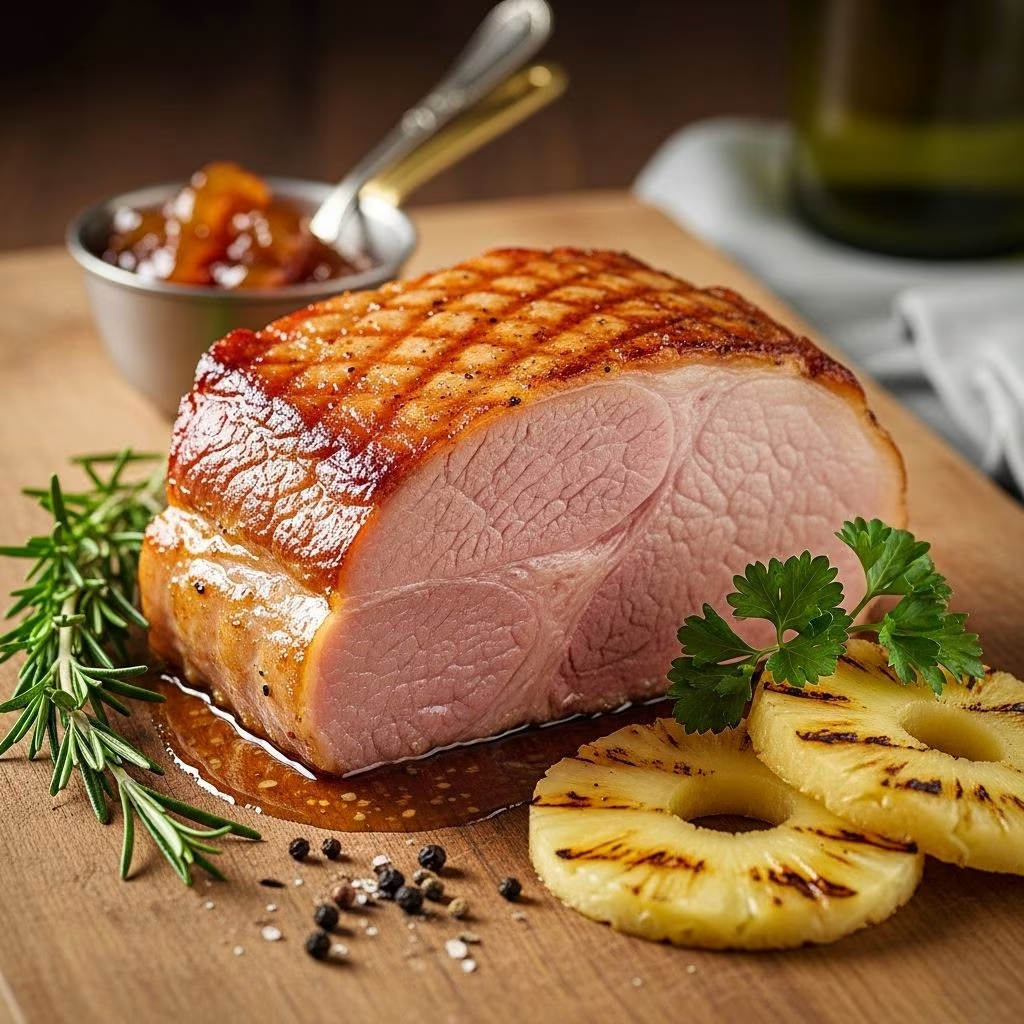
Gammon is a staple in British and Irish cuisine, renowned for its flavorful, succulent meat and its versatility in the kitchen. Despite its similarities to ham and bacon, gammon has unique qualities, a rich history, and a distinctive taste profile that earns it a special place at festive tables and everyday meals alike. This comprehensive guide delves into the origins, nutritional benefits, uses in recipes, preparation tips, and the nuanced flavor of gammon, helping you understand why this cured pork joint remains a beloved choice worldwide.
What Is Gammon?
Gammon is the hind leg of pork that has been cured by dry-salting or brining and may be smoked or unsmoked. After curing, gammon is typically sold raw and must be cooked before eating, setting it apart from ready-to-eat ham. This cut is particularly popular in the United Kingdom and Ireland but is gradually finding its way into global cuisine for its robust flavor and versatile uses.
The term ‘gammon’ specifically refers to the rear leg that is cut from the side of bacon—a detail that distinguishes it from ham, which is usually just the back leg cured on its own. Due to its curing process, gammon delivers a savory, slightly salty flavor and a tender, meaty texture once cooked.
History and Origins of Gammon
Gammon’s roots run deep in European culinary traditions. The word itself derives from Middle English ‘gambon’, from Old North French ‘gambon’, meaning ‘ham’, which itself goes back to the Old French ‘jambon’, related to ‘jambe’ (leg). This etymology points to a longstanding association with the leg cut of pork.
Historically, gammon played a key role in pre-refrigeration eras, when curing meat was essential for preservation. The leg portion, known for its size and leanness, was well-suited for brining and dry salting, methods that not only extended shelf-life but also deepened the meat’s complexity and flavor. Over time, gammon became a celebratory dish—central to festive feasts, especially Christmas dinners, in British and Irish households.
Gammon vs. Ham: What’s the Difference?
| Aspect | Gammon | Ham |
|---|---|---|
| Source/Cut | Hind leg cut from a side of bacon | Back leg, cured independently |
| State When Sold | Raw (requires further cooking) | Pre-cooked or ready-to-eat |
| Curing Process | Dry-salting or brining, may be smoked or unsmoked | Typically brined, sometimes smoked or dry-cured |
| Texture | Firm, becomes tender when cooked | Softer, ready-to-slice |
| Typical Uses | Roasting, boiling, grilling | Sliced (cold), roasting, sandwiches |
While gammon and ham are both derived from a pig’s hind leg, the key differences are in their curing and state at the point of sale. Gammon is always sold raw and must be cooked, whereas ham is typically already cooked and ready to be served straight from the package. The flavor, although related, is also subtly distinct because of the differing curing and preparation methods.
Types of Gammon
- Smoked Gammon: Cured and then smoked to add depth and rich aroma, often used for festive or robust dishes.
- Unsmoked (Green) Gammon: Only cured, not smoked, offering a cleaner pork flavor suited for classic preparations.
- Bone-in Gammon: Retains the bone, resulting in juicier meat and fuller flavor after cooking.
- Boneless Gammon/Rolled Gammon: Deboned and reshaped, easier to carve and evenly cook, often used in everyday meals or sandwiches.
In retail, you may also find gammon steaks (slices) that can be quickly grilled or pan-fried, as well as larger joints for roasting or boiling.
Nutritional Benefits of Gammon
- High Protein: Gammon is an excellent source of complete protein, supporting muscle growth and repair.
- Essential Vitamins and Minerals: Notably rich in Vitamin B6, Vitamin B12, zinc, iron, and phosphorous, all vital for metabolic health, immunity, and energy production.
- Healthy Fats: While gammon contains animal fat, much of it can be trimmed, and its fatty acids contribute to satiety and flavor.
- Low in Carbohydrates: Naturally keto-friendly, making it suitable for low-carb diets.
However, because gammon is cured in salt, it is relatively high in sodium. Consuming in moderation is recommended, especially for those monitoring blood pressure or sodium intake. Opting for unprocessed, minimally salted versions and balancing your diet with fresh produce helps offset potential drawbacks.
Culinary Uses of Gammon
Gammon’s robust, savory flavor and tender texture make it a versatile star across numerous dishes, from hearty festive roasts to quick weekday sandwiches. Its adaptability and ability to pair with a variety of accompaniments account for its enduring popularity.
- Roast Gammon Joint: Traditionally glazed (often with honey, mustard, or marmalade) and roasted, a centerpiece for holiday feasts, especially Christmas.
- Boiled Gammon: Slowly simmered, often with aromatic vegetables and spices, resulting in moist, easily sliced meat perfect for serving hot or cold.
- Gammon Steaks: Thick slices quickly grilled or pan-fried, commonly served with pineapple, fried eggs, or peas for a classic British meal.
- Sandwiches and Salads: Sliced cold gammon is ideal for sandwiches and adds depth to salads or picnic platters.
- Leftovers Transformation: Diced gammon enhances pasta dishes, omelets, soups, quiches, and pies.
Popular Side Dishes & Pairings
- Sweet glazes (e.g., honey, golden syrup, or brown sugar)
- Acidic fruits (e.g., pineapple, apple compote, cranberries)
- Mustard-based sauces and chutneys
- Root vegetables (e.g., potatoes, carrots, parsnips)
- Seasonal greens and legumes (e.g., peas, beans, cabbage)
How to Cook Gammon
The preparation and cooking of gammon are integral to developing its mouthwatering texture and depth of flavor. The two most common approaches are boiling and roasting, often used in combination for best results.
- Boiling: Submerge the joint in water with spices, bay leaves, or vegetables; simmer gently to infuse flavors and maintain moistness. Boiling is especially effective for large joints and helps remove excess salt while tenderizing tough fibers.
- Roasting: After boiling (optional but recommended), score the skin, apply a glaze, and roast uncovered. Roasting develops a sweet, caramelized exterior and intensifies the aroma.
- Grilling or Pan-Frying: For gammon steaks, a quick sear or grill over high heat offers a smoky, crispy finish and retains succulence within.
Pro chefs often recommend buying smaller cuts for home cooking as they are easier to handle and yield meatier, juicier portions. Use a food thermometer to ensure the center reaches at least 75°C (167°F). Leave the meat to rest before slicing to keep juices inside.
Taste & Flavor Profile of Gammon
Gammon’s taste is best described as a balanced blend of savory, salty, and subtly sweet notes, with gentle smokiness if smoked. The brining or dry-salting process imbues every slice with a concentrated pork flavor, markedly more intense than fresh pork but less overpowering than dry-cured hams like prosciutto.
| Characteristic | Description |
|---|---|
| Saltiness | Noticeable but not overwhelming, especially if parboiled |
| Savory Depth | Rich, umami-forward flavor and a slightly tangy note from the cure |
| Smokiness | Present in smoked varieties, lending complex aroma and aftertaste |
| Texture | Firm, moist, tender with crispy exterior if roasted or seared |
| Sweetness | Subtle, accentuated by sugar or honey glazes |
The final taste profile depends on both the curing method and the cooking process. Classic accompaniments like pineapple or mustard both complement and counterbalance the curing’s depth, while glazes highlight the natural sweetness.
Buying and Storing Gammon
- Color: Fresh, uncooked gammon should be light pink if from young pigs. Darker red may indicate older animals and a stronger, sometimes less desirable, flavor.
- Texture: Look for firm, springy meat, not soft or overly wet.
- Smell: There should be no off odor—fresh gammon may smell mildly sweet or smoky, never sour.
- Cut Size: Smaller cuts cook more evenly and stay juicy.
Storage Tips: Store raw gammon in the coldest part of your refrigerator and use within a few days of purchase, or freeze for longer keeping (up to several months). Cooked gammon can be refrigerated for up to a week or frozen for later use.
Frequently Asked Questions (FAQs)
Is gammon healthy to eat regularly?
Gammon is a good source of protein and nutrients but is relatively high in sodium due to its curing process. Enjoy it as part of a balanced diet, paying attention to portion size and frequency.
Can you eat gammon cold?
Yes. Once cooked, gammon can be cooled, sliced, and served cold in sandwiches, salads, or charcuterie boards.
What’s the best way to keep gammon juicy?
Boiling the joint before finishing in the oven (with a glaze of your choice) is a proven method to lock in moisture and produce a succulent, flavorful texture.
Does gammon taste like bacon or ham?
Gammon tastes like a cross between bacon and ham: saltier and firmer than fresh pork, but less sweet and bold than dry-cured ham varieties.
How do I reduce the saltiness of gammon?
Soak the joint in cold water for several hours (or overnight) before cooking, and discard the initial boiling water to leach out excess salt.
Conclusion
Gammon’s unique place in the culinary world is owed to its traditional curing methods, versatile uses, healthful nutrients, and compelling taste profile. Whether featured as a centerpiece at holiday gatherings or enjoyed as quick-cooked gammon steaks, this cut remains a flavorful tribute to the art of pork preservation. Understanding its preparation, uses, and taste empowers cooks of any level to make the most of this beloved meat and add a time-honored classic to the modern kitchen.
References
- https://carnivorestyle.com/what-is-gammon-meat/
- https://en.wikipedia.org/wiki/Gammon_(meat)
- https://www.cooksister.com/2006/01/pig_ignorant_th.html
- https://www.macbeths.com/recipes-guides/meat-cuts-guide/pork-bacon-gammon/
- https://www.vocabulary.com/dictionary/gammon
- https://sclydeweaver.com/blog/different-types-of-ham/


