


\n\n
Gellan gum is a multifunctional food additive and industrial ingredient that plays a vital role in shaping the modern food landscape. With its unique ability to form gels, stabilize mixtures, and enhance textures, gellan gum enjoys broad applications stretching from plant-based beverages and candies to pharmaceuticals and biotechnology. This comprehensive guide details the origins, properties, benefits, uses, health considerations, and sensory experience of gellan gum, with a focus on science-based insight for consumers and professionals alike.
\n\n
Table of Contents
\n
- \n
- What Exactly Is Gellan Gum?
- Properties and Characteristics of Gellan Gum
- How Is Gellan Gum Produced?
- Main Uses of Gellan Gum
- Benefits of Gellan Gum
- Foods That Contain Gellan Gum
- Gellan Gum in Pharmaceuticals and Other Industries
- Is Gellan Gum Safe?
- Allergies and Side Effects
- Taste and Texture of Gellan Gum
- Gellan Gum vs Other Hydrocolloids
- Frequently Asked Questions (FAQs)
\n
\n
\n
\n
\n
\n
\n
\n
\n
\n
\n
\n
\n\n
What Exactly Is Gellan Gum?
\n
Gellan gum is a water-soluble dietary fiber and food additive derived from bacterial fermentation. Specifically, it is an exopolysaccharide produced by the bacterium Sphingomonas elodea (formerly Pseudomonas elodea), first discovered in the late 1970s in lily plant tissue from a pond in Pennsylvania. It is marketed commercially under various names like Gelrite and Kelcogel.
\n\n
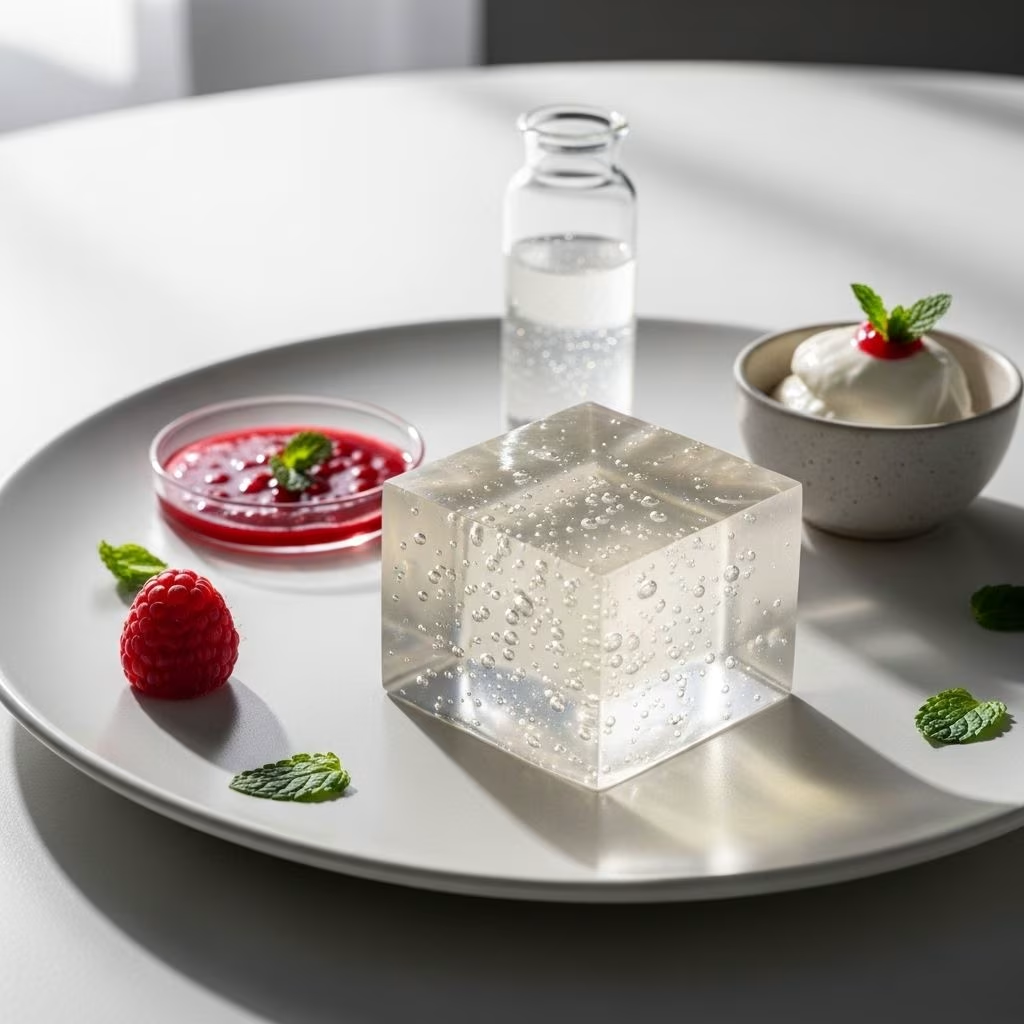
Gellan gum is valued for its remarkable ability to form strong, transparent gels even at low concentrations. Thanks to its heat stability, resistance to acidity and enzymes, and predictable gelling behavior, it is widely used in food processing, pharmaceuticals, personal care, and scientific laboratories.
\n\n
Properties and Characteristics of Gellan Gum
\n
- \n
- Soluble in hot water, forming clear to translucent gels upon cooling.
- High melting point: maintains gel structure even at temperatures up to 120 °C (248 °F).
- Works in a wide pH range (2–10), making it adaptable to many foods and beverages.
- Forms both soft and firm gels, depending on whether it is present with calcium or other cations.
- Exhibits low syneresis (retains moisture, minimizes water release).
- High transparency and pleasant mouthfeel.
- Natural, vegan, and non-GMO when sourced by reputable manufacturers.
\n
\n
\n
\n
\n
\n
\n
\n\n
Chemical Structure
\n
Gellan gum is composed of repeating units of three simple sugars: α-L-rhamnose, β-D-glucose, and β-D-glucuronic acid in a 1:2:1 ratio. With a molecular weight up to 500 kDa, this backbone enables its impressive gelling and stabilizing properties.
\n\n
How Is Gellan Gum Produced?
\n
The production process involves fermentation of carbohydrate solutions (like corn glucose) using the bacterium Sphingomonas elodea.
\n
- \n
- Fermentation: Bacteria are added to a sugar solution and allowed to ferment, secreting gellan gum.
- Isolation: The gellan gum is separated from the liquid, typically using alcohol precipitation.
- Purification and Drying: It is then filtered, purified, and dried to a powder or granule form for further use.
\n
\n
\n
\n\n
Main Uses of Gellan Gum
\n
Gellan gum’s versatility makes it valuable across multiple industries. Below are its principal applications:
\n\n
- \n
- Gelling Agent: Sets liquids into soft, elastic, or firm gels in desserts, candies, cultured dairy products, and fruit fillings.
- Stabilizer: Ensures beverages (like plant milks and juices) maintain their homogenous appearance by preventing separation of nutrients or suspended particles.
- Thickener: Increases the viscosity of sauces, dressings, soups, and creams without altering flavor.
- Texturizer: Improves mouthfeel and creaminess in both dairy and non-dairy products.
- Vegan Gelatin Substitute: Replaces animal-based gelatin in candies, jellies, and gummy products.
\n
\n
\n
\n
\n
\n\n
Table: Common Gellan Gum Applications
\n
| Industry | Application | Function |
|---|---|---|
| Food & Beverage | Plant milks, Creams, Candies, Jams, Sauces | Gelling, Stabilizing, Thickening, Texturizing |
| Pharmaceutical | Drug delivery, Gel tablets, Suspensions | Controlled release, Viscosity increase, Suspension |
| Personal Care | Toothpaste, Shampoo, Lotions | Thickening, Stabilizing |
| Industrial | Oil recovery, Wastewater treatment | Gelling, Separation |
\n\n
Benefits of Gellan Gum
\n
The increasing popularity of gellan gum across various industries is directly linked to its numerous functional and consumer benefits:
\n\n
- \n
- Stability in Extreme Conditions: Gellan gum remains stable over a wide range of temperatures and pH, making it ideal for both hot and cold foods and beverages.
- Low Dosage Efficiency: Requires much less product than many other hydrocolloids to achieve the desired gelling, which is cost-effective and preserves the taste and clarity of final products.
- Enhanced Shelf Life: Prevents separation, staling, or syneresis in packaged foods, increasing product longevity.
- Dietary Flexibility: Completely plant-based, non-GMO, gluten-free, and allergen-free; fits vegan, vegetarian, and specialty diets.
- Texture Customization: Enables precise control over texture, from creamy to firm, in both food and clinical applications. Also enhances mouthfeel.
- Natural Origin: Recognized as a natural ingredient by regulatory bodies and widely accepted by clean-label consumers.
- Microbial Safety: Non-toxic and biodegradable.
\n
\n
\n
\n
\n
\n
\n
\n\n
Foods That Contain Gellan Gum
\n
Gellan gum features on ingredient labels in a variety of everyday foods. It is commonly identified by the name gellan gum or as E418:
\n\n
- \n
- Beverages: Plant-based milks (almond, soy, oat), fortified juices, chocolate milk
- Confectionery: Gummies, marshmallows, jelly candies, chewing gum, dessert fillings
- Dairy: Yogurt, processed cheese, cream, some unripened cheeses
- Fruit & Vegetables: Purées, jams, jellies, marmalades, dried fruits
- Packaged Goods: Breakfast cereals, gluten-free noodles, bread, rolls, low-protein pastas
- Sauces & Spreads: Salad dressings, custards, gravies, spreads
- Other: Processed meats, powdered sugar, soups, broths
\n
\n
\n
\n
\n
\n
\n
\n\n
Its plant-based and non-allergenic nature makes it especially popular for vegan, vegetarian, and gluten-free food lines.
\n\n
Gellan Gum in Pharmaceuticals and Other Industries
\n
Beyond food, gellan gum is highly valued in the pharmaceutical and industrial space:
\n\n
- \n
- Pharmaceutical Excipient: Used in controlled-release drug formulations, suspensions, emulsions, gel tablets, and topical gels. Enhances shelf life and patient acceptability by stabilizing, thickening, or enabling sustained release.
- Viscosity Modifier: Adjusts the flow of oral syrups and medicinal gels.
- Film-Forming Agent: Applied in tablet coatings and dissolvable oral films.
- Texturizer: Improves the mouthfeel of oral medicines.
- Topical and Cosmetic Products: Used in gels, creams, toothpaste, and shampoos for stability and texture.
- Biotechnology: Gels for microbiological culture media due to its heat resistance and purity.
- Industrial Applications: Used in oil recovery and wastewater treatment for its gelling properties.
\n
\n
\n
\n
\n
\n
\n
\n\n
Its reliability, inertness, and biocompatibility have made gellan gum a core ingredient for pharmaceutical technologists and process engineers.
\n\n
Is Gellan Gum Safe?
\n
Leading health authorities, including the US Food & Drug Administration (FDA), the European Food Safety Authority (EFSA), and the World Health Organization (WHO), have reviewed and approved gellan gum as a safe food additive.
\n
- \n
- No adverse effects have been reported in healthy individuals when consumed at typical dietary levels.
- Doses up to 200 mg/kg body weight per day have been found safe in animal studies.
- As an indigestible fiber, it passes through the digestive system with minimal absorption, similar to other soluble fibers.
- Widely used globally in foods, supplements, and pharmaceuticals.
\n
\n
\n
\n
\n\n
Individuals with specific food intolerances should always read labels, but gellan gum is not a common allergen and is generally well-tolerated by most.
\n\n
Allergies and Side Effects
\n
Gellan gum is considered safe for most people. Side effects are generally rare and mild, but may include:
\n
- \n
- Digestive Upset: Large quantities can cause gas, bloating, or mild diarrhea for sensitive individuals, as it acts as a fiber.
- Potential interaction with medications or supplements is minimal but should be checked with a doctor if ingesting unusually high amounts or using for therapeutic purposes.
- Allergic reactions are extremely rare, as gellan gum is not a known allergen.
\n
\n
\n
\n\n
Taste and Texture of Gellan Gum
\n
As a food ingredient, gellan gum is essentially tasteless and odorless. It does not impart off-flavors or interfere with the original taste of foods. This neutrality distinguishes it from hydrocolloids like carrageenan or agar, which can sometimes add subtle aftertastes.
\n
Regarding texture:
\n
- \n
- Enables a wide range of textures, from soft and creamy (like custard or yogurt) to firm and brittle gels (for candies or molecular gastronomy).
- Can build stable foams and gels that do not weep or separate, improving mouthfeel and visual appeal.
\n
\n
\n\n
Comparison Table: Gellan Gum vs. Other Gelling Agents
\n
| Property | Gellan Gum | Gelatin | Agar | Xanthan Gum |
|---|---|---|---|---|
| Source | Bacterial fermentation (vegan) | Animal collagen (not vegan) | Seaweed (vegan) | Bacterial fermentation (vegan) |
| Gel Strength | Strong, elastic to brittle (customizable) | Soft, elastic | Firm, brittle | No gel, viscous thickener |
| Melting Point | High (up to 120°C) | ~35°C | ~85°C | N/A |
| Taste | Neutral | Slightly meaty | May have sea-like note | Neutral |
| Vegan Friendly | Yes | No | Yes | Yes |
\n\n
Gellan Gum vs Other Hydrocolloids
\n
Gellan gum is often compared with:
\n
- \n
- Gelatin: Provides a vegan alternative with higher temperature stability and customizable texture.
- Agar: Offers more versatility and clarity; uses lower concentrations for strong gels. Gellan’s taste neutrality is a plus for delicate desserts.
- Xanthan gum: Used more for thickening than gelling. Gellan creates a true gel, unlike xanthan.
\n
\n
\n
\n\n
Frequently Asked Questions (FAQs)
\n
Q: Is gellan gum natural?
\n
A: Yes, gellan gum is produced through natural fermentation of sugars by bacteria. It is considered a natural additive and fits clean-label requirements.
\n\n
Q: Is gellan gum vegan and gluten-free?
\n
A: Gellan gum contains no animal products and is suitable for plant-based, vegan, vegetarian, and gluten-free diets.
\n\n
Q: What does gellan gum taste like?
\n
A: Gellan gum is virtually tasteless and odorless, leaving no impact on food flavor, only affecting texture.
\n\n
Q: Does gellan gum cause digestive issues?
\n
A: In amounts typically found in foods, gellan gum is unlikely to cause digestive upset. At very high doses, some people may experience gas or mild digestive symptoms due to its fiber content.
\n\n
Q: Why is gellan gum used instead of gelatin or agar?
\n
A: Gellan gum allows for greater control of gel strength, works at lower concentrations, is stable at higher temperatures, and is suitable for vegan or allergen-friendly products.
\n
References
- https://www.gellangum.net/2023/02/gellan-gum-comprehensive-guide-to-Properties-applications-and-benefits.html
- https://www.pharmaexcipients.com/introduction-gellan-gum/
- https://ingreland.com/insights/what-is-gellan-gum/
- https://www.healthline.com/nutrition/gellan-gum
- https://pmc.ncbi.nlm.nih.gov/articles/PMC10970089/
- https://www.gellangum.net/2024/02/Gellan-Gum-and-Its-Usages-In-The-Food-Industry.html.html
- https://en.wikipedia.org/wiki/Gellan_gum
- https://www.cinogel.com/p/uses-and-safety-of-gellan-gum-e418.html
- https://plantcelltechnology.com/blogs/blog/blog-agar-vs-gellan-gum-which-to-choose


