


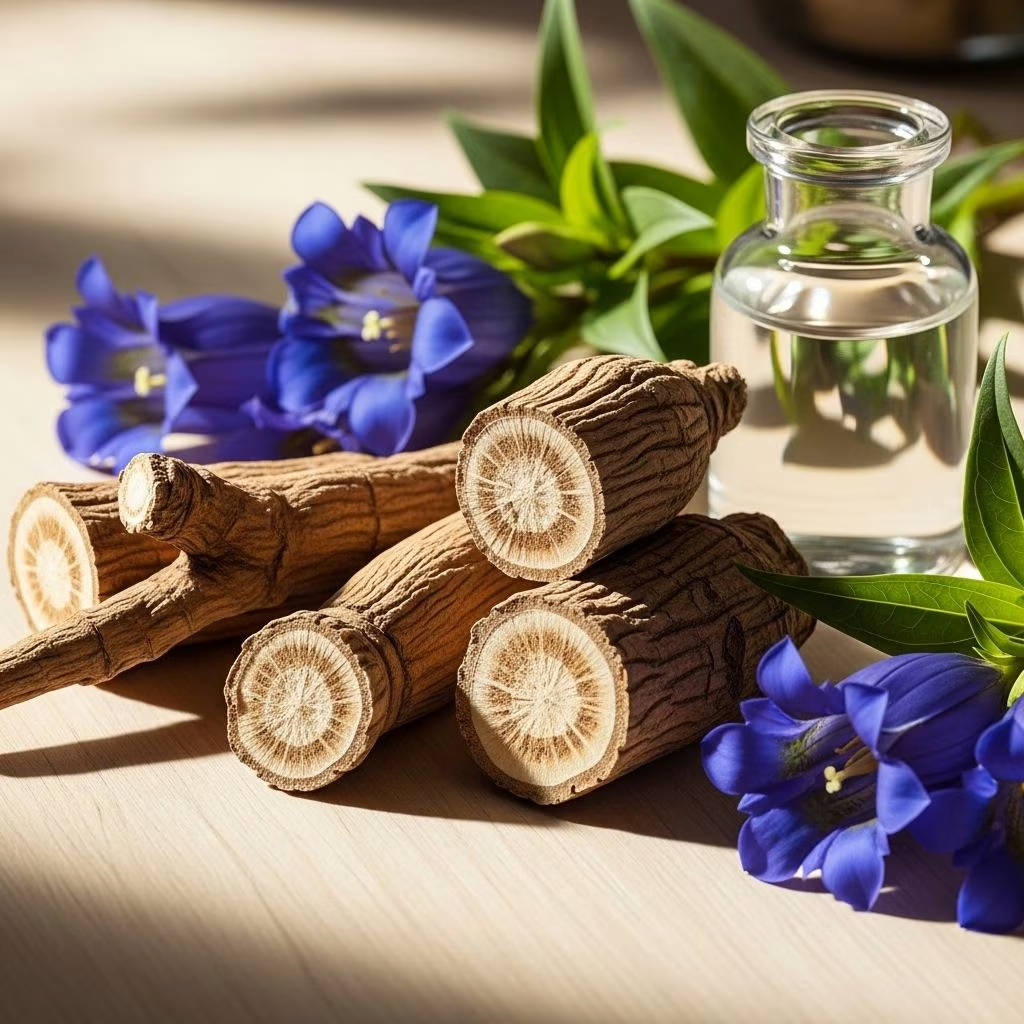
Gentian root has stood the test of time as one of the most prized bitter herbs in both traditional and modern herbalism. Known for its strikingly bitter flavor, gentian root is derived primarily from Gentiana lutea, a perennial herb native to the mountainous regions of Europe. This comprehensive guide explores the origins, active compounds, historical uses, pharmacology, health benefits, applications, and the unique flavor profile of gentian root—all backed by modern research and traditional knowledge.
Origins and Botanical Profile of Gentian Root
The gentian family (Gentianaceae) encompasses over 400 species of flowering plants, mostly found in alpine environments across Europe, Asia, and the Americas. Gentiana lutea, commonly called yellow gentian, is the primary species used for medicinal root extractions. This hardy perennial can reach up to 1.5 meters in height and is characterized by its golden-yellow flowers. While gentian species range widely in form and geography, the roots—thick, fleshy, and deeply bitter—are the key part used in herbal medicine.
Key Active Compounds
The remarkable properties of gentian root stem from its high content of bitter phytochemicals, which contribute to its therapeutic effects:
- Secoiridoid glycosides (e.g., gentiopicroside, amarogentin): These are the principal bitter constituents responsible for much of the root’s physiological actions, particularly its digestive stimulation.
- Xanthones: Compounds thought to confer antioxidant and anti-inflammatory properties.
- Flavonoids: Plant pigments with added antioxidative effects.
- Other iridoids: Such as loganic acid, which may support gentian’s therapeutic action.
The specific amounts and ratios of these compounds can vary depending on the gentian species, timing and location of harvest, and how the root is dried and processed. These variables influence both the intensity of bitterness and the potency of the medicinal effects.
Historical and Cultural Uses
Gentian root has a long history of medicinal and cultural significance:
- Traditional European herbalism: Used since ancient times as a digestive tonic, treatment for fevers, and general health tonic. Ancient Greeks and Romans prized gentian for its ability to strengthen the digestive system and restore appetite after illness.
- Traditional Chinese medicine (TCM): Gentian (often referred to as Long Dan Cao) is used with caution for short-term applications, particularly for clearing heat and dampness from the liver and gallbladder.
- Folk medicine: Employed for liver complaints, wound healing (both topical and internal), and as an antidote against certain toxins.
- Liqueur and aperitif traditions: Gentian root extracts are a crucial ingredient in classic European bitters, vermouths, and aperitif beverages, valued for their appetite-stimulating effects and distinctive bitter flavor.
Health Benefits of Gentian Root
While the traditional use of gentian is extensive, modern pharmacological studies have started to validate some of these benefits. The following sections detail the major, research-backed potential health benefits of gentian root.
Digestive Aid and Appetite Stimulant
The best-established use of gentian root is as a digestive stimulant and appetite enhancer. Here’s how it works:
- The intense bitterness stimulates taste receptors, which in turn trigger a reflexive release of saliva and gastric secretions, priming the digestive tract for optimal food breakdown and nutrient absorption.
- Increased production of digestive enzymes and bile supports the digestion of fats and proteins, explaining gentian’s historical use as a pre-meal “digestive bitter”.
- Research shows that gentian root may reduce symptoms such as bloating, nausea, and heartburn, while supporting overall gut function.
In traditional European medicine, gentian root tinctures are frequently prescribed before meals, especially for those suffering from poor appetite, chronic indigestion, or convalescing from illness.
Liver and Gallbladder Support
- Gentian root’s stimulation of bile flow not only improves fat digestion but may also support liver detoxification and gallbladder health.
- Historical sources describe gentian as a liver tonic, useful in treating symptoms of sluggish liver function, jaundice, or gallbladder complaints.
- Recent animal studies suggest gentian compounds may protect liver cells from oxidative stress and chemical injury, though robust human trials are lacking.
Anti-inflammatory and Antioxidant Properties
- Gentian root’s iridoids (notably gentiopicroside) may exert anti-inflammatory actions—potentially helpful for conditions like arthritis or chronic inflammation.
- Animal studies demonstrate reduced levels of inflammatory markers and improved joint health in models of rheumatoid arthritis following administration of gentian extracts.
- Xanthones and flavonoids contribute to the root’s antioxidant activity, helping protect cells from oxidative damage and possibly supporting immune health.
Antimicrobial and Wound Healing Effects
- Traditional uses involve applying gentian root preparations to skin wounds, ulcers, and fungal infections.
- Laboratory studies show that gentian possesses antimicrobial and antifungal properties, potentially accelerating wound healing and reducing infection risk.
- Gentian extracts have demonstrated benefit in treating inflammatory skin conditions such as acne and eczema.
Natural Support for Sinus Infections
- Sinusitis (inflammation and infection of the sinuses) is a common complaint. Gentian root is a key ingredient in the popular European herbal formula Sinupret, often used in combination with other immune-boosting herbs to fight sinus congestion and infection.
- Animal studies found reduced bacterial growth and quicker recovery from sinus infections using gentian-containing products compared to other treatments.
Other Emerging Benefits
- Pain relief: Some compounds in gentian are being studied for their ability to modulate pain signals, dilate blood vessels, and relax muscles, with possible applications for migraines, muscle spasms, and menstrual pain.
- Supportive role in chronic disease: Antioxidant and anti-inflammatory properties suggest a role in reducing the risk of certain chronic diseases, although more human research is essential.
Summary Table: Health Benefits
| Potential Benefit | Main Evidence | Strength of Evidence |
|---|---|---|
| Digestive stimulant & appetite | Traditional use, clinical observations | Strong (centuries of traditional use, supportive research) |
| Liver & gallbladder support | Animal studies, tradition | Moderate |
| Anti-inflammatory | Animal/lab studies, traditional use | Moderate |
| Antimicrobial & wound healing | Lab studies, tradition | Moderate |
| Sinus infection support | Product-based clinical use, animal studies | Emerging |
Applications: Common Forms and Dosage
- Tinctures and Drops: Alcohol-based or glycerin-based tinctures are among the most common. Typically, 10–30 drops are taken in water 10–15 minutes before meals.
- Herbal Teas (Infusions and Decoctions): Gentian root can be steeped in hot water alone or with complementary herbs for a digestive tea; note, the taste is intensely bitter.
- Capsules/Tablets: Standardized extracts provide a more palatable option for those sensitive to bitterness. Dosages vary by product and formulation.
- Bitters Formulas: Popular in naturopathic and culinary circles, these combine gentian with other bitter and aromatic herbs for use as pre-meal aperitifs or cocktail ingredients.
- Topical Preparations: Gentian root tincture or infused oil can be applied to minor skin wounds or as a compress for inflammatory skin conditions.
Dosage recommendations can vary widely, and it is advisable to follow product labels and consult a qualified healthcare practitioner, particularly in cases of pregnancy, chronic illness, or prescription medication use.
Distinctive Taste of Gentian Root
Gentian root is world-renowned for its intensely bitter flavor. This unique quality is both the source of its therapeutic power and a defining aspect in culinary and beverage traditions.
- Initial flavor: Mildly sweet at first bite, rapidly evolving into a persistent, sharp bitterness.
- Bitter compounds: Amarogentin is one of the most bitter natural substances known, and primary contributor to gentian’s flavor profile.
- Cocktail use: Classic bitters such as Angostura and aperitif drinks like Suze and Aperol owe much of their complexity and bitterness to gentian root extractions.
The pronounced bitterness of gentian stimulates digestive responses, underscoring the adage that a little bit truly goes a long way both therapeutically and gastronomically.
Side Effects and Precautions
- Common adverse effects are generally mild but may include stomach discomfort, heartburn, or headache, particularly when taken in excessive amounts or in sensitive individuals.
- Potential aggravation of ulcers and reflux: Because gentian stimulates gastric juices, it may worsen symptoms in those with peptic ulcers or severe reflux. It should be avoided in these cases.
- Pregnancy and celiac precautions: Not recommended for use in pregnancy due to limited safety data, or for those with gluten sensitivity unless the product is certified gluten-free.
- Drug interactions: May have additive effects with other bitters, or interact with blood pressure medications, antacids, or drugs that affect gastric acidity.
- Allergic reactions are rare but possible, and anyone experiencing rash, itching, or difficulty breathing should discontinue use and seek medical help.
More clinical research is needed to fully understand long-term safety and effectiveness. As with any herbal supplement, it is best used thoughtfully and with professional guidance.
Frequently Asked Questions (FAQs)
Q: How do I take gentian root for digestion?
Gentian root is most effective when taken as a tincture or tea 10 to 15 minutes before meals to enhance saliva and gastric juice production. Start with a low dose to gauge your body’s sensitivity.
Q: What does gentian root taste like?
It is known for its profoundly bitter taste—arguably one of the most bitter substances found in nature. Some formulations may be sweetened or blended with other herbs to moderate the flavor.
Q: Is gentian root safe for long-term use?
Short-term use is generally considered safe for most healthy adults. Long-term use should be supervised by a healthcare practitioner, as overuse may contribute to digestive upset or interact with medications.
Q: Can gentian root help with sinus infections?
Gentian is a key ingredient in some herbal formulas (like Sinupret) used to alleviate sinus congestion and infection. Purported benefits are supported by animal and limited clinical studies but are not universally acknowledged by mainstream medicine.
Q: What are the main differences between gentian root and other bitters?
Gentian’s bitterness is much more pronounced than other bitters like dandelion or artichoke, giving it a more intense effect on digestive juices and a distinct flavor in bitters formulations.
Conclusion
Gentian root remains a cornerstone of traditional and modern herbal medicine. Its potent bitters not only offer substantial support for digestion and appetite but also contribute to liver health, inflammation reduction, wound healing, and more. As always, consult a qualified health professional before starting any herbal remedy, especially if you have underlying health conditions or take prescription medications. With its deep roots in history and modern science, gentian root stands as a potent, distinctive, and fascinating herbal ally.
References
- https://draxe.com/nutrition/gentian/
- https://www.healthline.com/nutrition/gentian-root
- https://www.ebsco.com/research-starters/health-and-medicine/gentians-therapeutic-uses
- https://www.medicinenet.com/what_is_gentian_root_used_for_and_health_benefits/article.htm
- https://beardandladyinn.com/blogs/news/understanding-herbs-series-gentian-root
- https://www.webmd.com/vitamins/ai/ingredientmono-716/gentian
- https://www.rxlist.com/supplements/gentian.htm
- https://www.peacehealth.org/medical-topics/id/hn-2094002


