


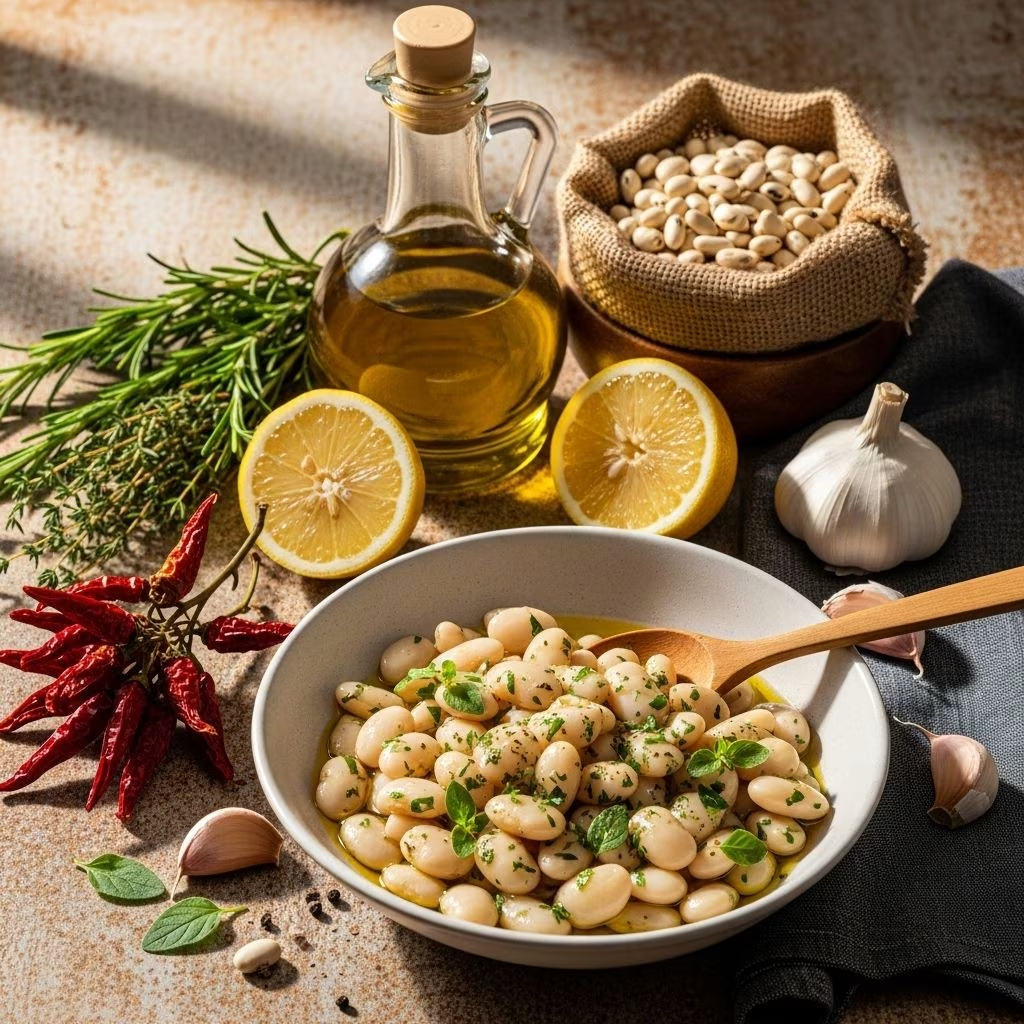
Introduction to Gigante Beans
Gigante beans, known in Greece as Gigandes or sometimes called Elephant beans, are a remarkable legume distinguished not only by their impressive size but also their role as a culinary staple in Mediterranean cuisine. Prized for centuries, these beans offer a unique combination of nutritional density, versatility, and flavor that has attracted generations of cooks—from traditional Greek kitchens to modern plant-based restaurants.
Origins and Botanical Classification
The ancestry of Gigante beans is both rich and far-reaching. Although now a signature ingredient in Greek cuisine, Gigante beans stem from the species Phaseolus coccineus, better known as the runner bean. These climbing, vine-bearing plants originally hail from Mexico and Central/South America, before being introduced to Europe in the 15th century by Spanish explorers. Over time, local adaptation in Greek soils, particularly the regions of Kastoria and Thessaly, produced the super-sized, creamy variety now celebrated worldwide.
- Botanical Family: Fabaceae (Legume family)
- Genus: Phaseolus
- Species: coccineus
Physical Characteristics of Gigante Beans
Gigante beans are immediately recognizable due to their large, flat, and creamy-white appearance. Adult beans often measure about 1 inch or longer, dwarfing most familiar varieties such as navy beans, pinto beans, or black beans.
- Size: About 1 inch or longer; the largest common bean available in stores
- Shape: Broad, oval, and slightly flattened
- Color: Creamy-white to pale ivory when dried
- Surface: Smooth, thin skin, which contributes to their creamy mouthfeel after cooking
Their striking size is not merely cosmetic. It gives gigante beans a unique ability to absorb flavors and retain a substantial, “meaty” texture that is central to both visual and culinary appeal.
Nutritional Benefits and Health Impact
Gigante beans offer an impressive nutrient profile. Like most legumes, they are rich in protein, contribute valuable dietary fiber, are very low in fat, and provide essential minerals and vitamins.
- Plant-Based Protein: High content, providing all essential amino acids for vegetarian and vegan diets
- Fiber: Promotes digestive health and increases satiety
- Minerals: Iron (supports red blood cell formation), magnesium (important for bone and muscle health), potassium (supports heart function)
- Low Fat: Almost no saturated fat; heart-healthy profile
- Micronutrients: Vitamin B-complex, folate
Health Benefits:
- Supports digestive wellness due to high fiber
- Helps maintain muscle and tissue health with plant protein
- May lower cholesterol and promote cardiovascular well-being
- Contributes essential minerals for energy and immune function
- Aids in weight management due to low calorie density and high satiety
Culinary Uses: Traditional and Modern Applications
Gigante beans are exceptionally versatile and lend themselves to a range of preparations. Their distinctive size, creamy texture, and mild flavor make them a superstar in both classic Mediterranean dishes and innovative plant-based creations.
- Greek Classics: The most famous preparation is Gigantes Plaki—a Greek baked bean casserole featuring gigante beans slow-cooked in a rich tomato sauce with olive oil, onions, garlic, and fresh herbs.
- Salads: Gigante beans add substance and a creamy bite to Mediterranean salads with lemon, parsley, and cucumber.
- Meze and Tapas: Served cold and marinated with olive oil and herbs as part of Greek ‘meze’ or antipasto platters.
- Vegetable Stews: Their ability to maintain shape makes them ideal for robust soups with greens, carrots, and root vegetables.
- Modern Plant-Based Dishes: Sautéed gigante beans make for meaty vegan burgers, savory dips, and protein-packed wraps.
Classic Greek Gigantes Plaki Recipe Overview
- Soaked dry gigante beans
- Baked with tomato sauce, onions, garlic, parsley, dill, and olive oil
- Served with feta cheese and crusty bread
- Robust, tangy, and deeply flavorful
Taste, Texture, and Pairings
Gigante beans offer a rare combination of flavors and sensations that sets them apart in the bean family.
- Taste: Mild, slightly sweet, and delicately nutty flavor profile
- Texture: Exceptionally creamy and velvety when cooked, with a thin, tender skin
- Mouthfeel: Meaty and substantial without being overly starchy
They seamlessly meld with bold flavors—herbs, tomatoes, spices, citrus, or savory meats—while holding their own in simple olive oil or lemon-based dressings. Their “blank canvas” supports both subtle and robust flavor infusions, whether in salads, baked casseroles, or stews.
Preparation and Cooking Methods
Proper preparation is key to unlocking the full potential of gigante beans.
- Sorting & Rinsing: Remove any debris; rinse thoroughly.
- Soaking: Soak dry beans overnight in ample water; this softens them and reduces cooking time.
- Simmering: Place soaked beans in a large pot, cover with fresh water by 4 inches, bring to a boil for 3 minutes, then simmer for 60–90 minutes until tender.
- Baking: Common in Greek cuisine, especially in the classic Gigantes Plaki, where pre-cooked beans are combined with sauce and baked until richly flavored.
Once cooked, gigante beans may be stored in their cooking liquid. Their robust nature allows them to withstand longer cooking without falling apart, making them ideal for casseroles, soups, and stews.
Buying, Storing, and Handling
- Where to Buy: Specialty grocers, Mediterranean or Greek import shops, online marketplaces
- Storage: Store dried beans in a cool, dry place in an airtight container—ideally out of direct sunlight.
- Cooking Tip: Freshly harvested or recently dried beans cook faster and more evenly than older stock.
- Handling: Sort for stones and rinse; soak overnight for best results with dried beans.
Cultivation and Sustainability
Gigante beans are grown as annual vines, flourishing in well-drained, fertile soils with ample sun and moderate water.
- Growth Cycle: Bushy or climbing vines, white blossoms that attract pollinators (hummingbirds, bees)
- Pod Development: Fat pods containing large seeds
- Sustainability: Beans enrich soil through natural nitrogen fixation, making them an eco-friendly crop with minimal resource demands.
While originally from South America, Greece now has protected status for certain heritage varieties, preserving both the local genetic stock and cultural importance.
Gigante Beans vs. Other Beans
| Bean Variety | Size | Texture | Taste | Prominent Cuisine | Best Uses |
|---|---|---|---|---|---|
| Gigante Bean | Largest (1 inch+) | Creamy, meaty | Mild, nutty, sweet | Greek, Mediterranean | Bakes, stews, salads |
| Navy Bean | Small | Soft, starchy | Mild | American, British | Soups, baked beans |
| Lima Bean | Medium | Smooth, creamy | Earthy | South American | Boil, mash, salads |
| Butter Bean | Medium-large | Creamy | Rich, buttery | Southern US, UK | Boil, casseroles |
| Pinto Bean | Medium | Creamy, slightly grainy | Earthy | Mexican, American | Chili, refried, soups |
Frequently Asked Questions (FAQs)
Q: Are gigante beans the same as lima beans or butter beans?
A: Gigante beans are often confused with lima beans (and butter beans), but while all are part of the Phaseolus genus, gigante beans are Phaseolus coccineus, runner beans known for their extra-large size, thin skin, and creamy texture.
Q: Are gigante beans gluten-free?
A: Yes, gigante beans are naturally gluten-free and suitable for those avoiding wheat and gluten.
Q: What are the main dishes using gigante beans?
A: The most popular is Gigantes Plaki (giant baked beans), but they are also used in salads, soups, marinated meze, and vegan/vegetarian dishes.
Q: Can I substitute other beans for gigante beans?
A: Large lima or butter beans can substitute if gigante beans aren’t available, though they lack the exact texture and flavor.
Q: Are gigante beans suitable for meal prep?
A: Absolutely. Their sturdiness means they hold up well to cooking, refrigeration, and reheating, making them ideal for batch cooking and meal planning.
Q: Do gigante beans need to be soaked before cooking?
A: Yes. Soaking overnight is strongly recommended to ensure even cooking and optimal creaminess.
Summary and Further Exploration
Celebrated by generations of cooks, gigante beans embody the richness of Mediterranean culinary heritage while fulfilling contemporary nutritional needs. Their remarkable size, creamy texture, and gentle flavor make them an ideal platform for bold and subtle dishes alike, spanning rustic Greek casseroles to refined modern entrées.
As global interest in plant-based eating grows, gigante beans stand out as an affordable, accessible, and deeply satisfying ingredient. Whether you’re exploring traditional recipes or innovating with new culinary techniques, the gigante bean offers a unique and rewarding addition to any kitchen.
References
- https://chakra.kitchen/ingredients/gigante-bean
- https://shop.woodlandfoods.com/products/gigante-beans/c-23/p-16817
- https://bittersweetblog.com/2025/03/07/gigante-beans/
- https://greatlakesstapleseeds.com/products/coccineus_greek-elephant-bean
- https://vegnews.com/what-are-gigante-beans
- http://www.laurieconstantino.com/gigantes-cure-homesickness/
- https://iwillnoteatoysters.com/gigantes-greek-beans/


