


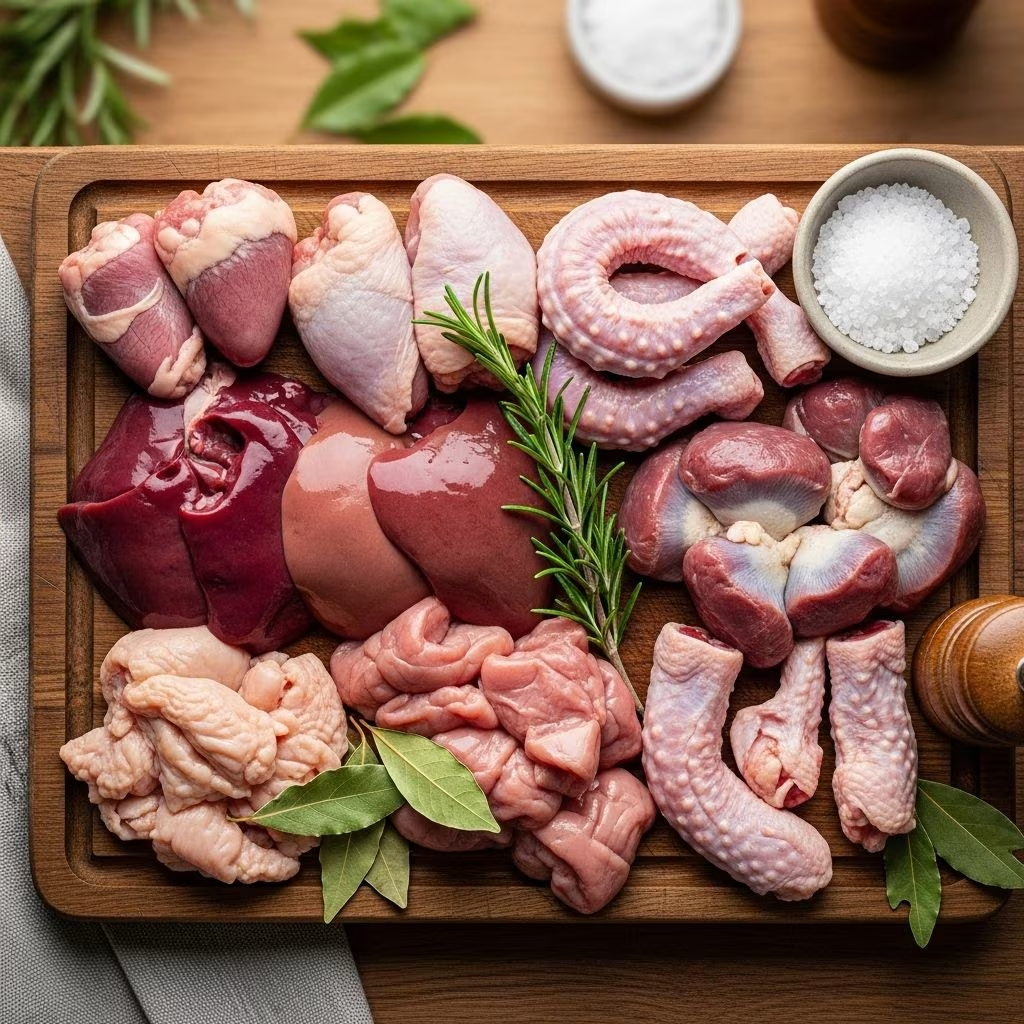
For those seeking to expand their culinary repertoire or discover nutrient-dense, sustainable food choices, few ingredients are as storied—and as overlooked—as giblets. These edible organs from poultry offer a blend of history, nutrition, and distinctive flavor. This guide explores everything you need to know about giblets: what they are, their health benefits, wide-ranging uses, and what makes their taste unique in the world of cooking.
What Are Giblets?
Giblets is a culinary term referring to the edible offal of a fowl, most commonly including the heart, liver, gizzard, and sometimes the neck of birds such as chickens, turkeys, ducks, and other poultry. Typically, when purchasing a whole bird from a butcher or grocery store, these parts are found packaged together, often tucked inside the cavity of the bird.
| Organ | Description |
|---|---|
| Liver | Rich, iron-packed organ important for metabolic processes. Strong, distinctive flavor. |
| Heart | Muscular organ; slightly chewy, mild flavor. |
| Gizzard | Part of the digestive tract; firm, dense texture; requires longer cooking. |
| Neck | Bony with rich meat; technically not an organ but included as part of the pack. |
In some culinary traditions or commercial packaging, other small organs might also be included, but the above four are standard for most giblet mixes.
History and Etymology
The word “giblet” comes from the Old French “gibelet” (game bird stew), itself derived from “gibier”, meaning game animals hunted for sport. In historical European gastronomy, giblets included various prized internal parts, not just those of poultry. Alexandre Dumas described them as comprising rooster combs, kidneys, marrow, gizzard, and even brains—each with their unique culinary applications.
Traditionally, the practice of using every part of the animal was not only economical but also celebrated in daily fare worldwide. In modern Western markets, however, the inclusion of giblets with poultry is less common, with most of these parts diverted for pet food production or sold separately.
Common Types of Giblets
When you open a package of poultry giblets, you’ll typically find the following:
- Heart – Compact, dark red organ, slightly chewy and with a mild flavor.
- Liver – Smooth, deep brown organ; potent in flavor and often used for pâtés.
- Gizzard – Firm, muscular part of the digestive tract responsible for grinding food. Requires longer cooking due to its toughness.
- Neck – Not an organ, but included frequently due to its rich meat and flavor contribution to stocks and soups.
Livers are sometimes packaged separately because of their strong flavor. Gizzards may occasionally be sold as a specialty product, as they are valued for their distinctive texture.
Nutritional Benefits of Giblets
Giblets, as organs, are nutritional powerhouses. They are rich in essential vitamins, minerals, and protein. Here are some of the notable health benefits:
- Protein: Giblets provide high-quality, easily digestible protein that is important for muscle growth, repair, and immune function.
- Iron: Especially liver, which is one of the best natural sources of heme iron, critical for oxygen transport in the blood.
- Vitamin A: Poultry livers in particular are extremely high in vitamin A, supporting vision, skin health, and immune function.
- B Vitamins: Giblets contain substantial amounts of B vitamins, including B12 and folate, which play crucial roles in energy metabolism and neurological health.
- Zinc and Selenium: These trace minerals aid in enzymatic reactions, immune support, and antioxidant protection.
Because organ meats are more concentrated in nutrients than many other meat cuts, including giblets in your diet can help address potential deficiencies. However, moderation is advised due to the high cholesterol and vitamin A content, particularly in the liver.
Culinary Uses of Giblets Around the World
Giblets have played a central role in traditional cooking across the globe, celebrated not only for their frugality but also for their exceptional ability to impart depth and flavor to dishes. Here are some of the most common and celebrated uses:
- Gravy and Sauce Bases: Perhaps the most famous use in North America is giblet gravy, a staple alongside roast turkey and chicken. Giblets (except the liver, which has a strong flavor) are simmered, then chopped, and added to gravy for a hearty, savory finish.
- Stuffing Additions: Chopped giblets, sautéed and blended with bread, herbs, and vegetables, bring extra richness and savory complexity to poultry stuffing.
- Pâtés and Mousses: The liver is prized for silky chicken liver pâté and other spreads that appear on French, Jewish, and Eastern European tables.
- Hearty Stews: Dishes like the French alicot (giblet stew), the Israeli Jerusalem mixed grill, and Turkish iç pilav (rice with gizzards and liver) showcase giblets as star ingredients.
- Soups and Stocks: The neck and gizzard are especially valued for slow-simmered broths and soups, infusing the liquid with deep flavor and gelatin.
- Grilled or Fried: Skewered, marinated, and grilled giblets are a popular street food in many cultures, prized for their texture and smoky flavor, such as in Japanese yakitori and Filipino isaw.
Flavor Profile and Texture of Giblets
The taste and mouthfeel of giblets differ noticeably by organ:
| Organ | Flavor | Texture |
|---|---|---|
| Liver | Pungent, rich, slightly metallic | Creamy when properly cooked, crumbly if overdone |
| Heart | Mild, meaty, sometimes slightly sweet | Dense, pleasantly chewy |
| Gizzard | Mild, subtle, enriched by braising or frying | Very firm, meaty, almost crunchy |
| Neck | Rich, gamey (in older birds), develops strong flavor after simmering | Stringy meat surrounding central bone, best for broths |
Liver stands out as the most intense organ in both taste and aroma. Some find the flavor acquired, appreciating its depth; others prefer it masked in butter-rich pâtés or well-spiced stuffings. Hearts are often praised for their tenderness and adaptability, while gizzards are enjoyed for their contrast—slightly crunchy, deeply savory when slow-cooked or fried. Necks are typically not eaten as stand-alone meat, instead used to extract flavor for stocks and soups.
How to Cook Giblets: Preparation Tips
The best cooking method depends on the organ and the desired final dish:
- Gizzards and Hearts: Require thorough cleaning and benefit from slow, moist cooking such as simmering or braising to become tender. For crispy gizzards, some fry them after parboiling.
- Livers: Should not be overcooked, as they dry out quickly. Sauté in oil or butter until just set and pale pink inside for best results. Ideal for pâtés and mousses.
- Necks: Simmer for stock, then pick off the meat or use for gravy base.
Common Pre-Cooking Steps:
- Cleaning: Rinse all giblets thoroughly under cold water. Remove any remaining blood, connective tissue, or greenish gallbladder material from livers, which can render them bitter.
- Trimming: Remove excess fat or gristle from gizzards and hearts as needed.
Giblets in Various Culinary Traditions
Giblets have been honored in the food traditions of many cultures. For example:
- Southern United States: Giblet gravy, a Thanksgiving staple, embodies resourcefulness and flavor.
- French Cuisine: Dishes like alicot and vol-au-vent fillings elevate giblets to haute cuisine status.
- Jewish Cooking: Chopped liver, a beloved spread, often uses chicken liver as its base.
- Israel: Jerusalem mixed grill, a street food dish, features a stir fry of giblets seasoned with Middle Eastern spices and served with pita.
- Turkey: İç pilav, a pilaf with liver, nuts, and spices, is a festive side dish.
- Taiwan: Giblets appear in night market soups and stir fries.
Despite global popularity, consumer demand for giblets has decreased in Western countries, leading to their exclusion in many pre-packaged birds.
Storage and Safety Considerations
Because giblets are highly perishable, they should be:
- Refrigerated immediately if not being cooked right away, and used within 1-2 days for maximum freshness.
- Frozen if not consumed within a couple of days. Wrap well to prevent freezer burn, and use within 3–4 months.
- Thoroughly cooked, especially for organ meats such as liver and gizzard, to reduce risk of foodborne illness (internal temperature of at least 165°F/74°C).
- Never use giblets in stuffing that will be cooked inside the bird unless the giblets have been precooked, to avoid cross-contamination.
Frequently Asked Questions (FAQs)
Q: What animals are giblets usually taken from?
A: Giblets are found in chickens, turkeys, ducks, and other domesticated or wild birds. They are rarely included with other animals in modern Western cuisine.
Q: Are giblets healthy to eat?
A: Yes, when consumed in moderation, giblets can be a concentrated source of vital nutrients including iron, vitamin A, and B vitamins. However, due to high cholesterol and vitamin A content in the liver, moderation is key.
Q: How do giblets differ from gizzards?
A: The gizzard is just one organ (part of the digestive tract) within the giblet mix, which also contains the liver and heart. All gizzards are giblets, but not all giblets are gizzards.
Q: Why are giblets sometimes not included in store-bought poultry?
A: Declining demand for giblets in Western diets has led to their exclusion from many pre-packaged birds; butchers may sell them separately, or channel them to pet food producers.
Q: What is the best way to use giblets if I’m new to cooking them?
A: The easiest and most accessible way is to use them for broth, stock, or gravy. Simmer them with aromatics and strain for a flavorful liquid, or finely chop and incorporate into stuffing.
Q: Can pets eat giblets?
A: Yes, many pet owners feed cooked giblets to dogs and cats due to their nutrient content. Raw giblets should be fed only under veterinary guidance to avoid risk of pathogens.
Conclusion
The world of giblets is one of resourcefulness, rich flavor, and nutrition. Whether enhancing gravies at the holiday table, infusing broths with depth, or featuring as the centerpiece in international dishes, giblets remain a culinary treasure worthy of rediscovery.
References
- https://www.fieldandstream.com/stories/cooking/recipes/what-are-giblets-hint-wild-turkeys-have-them-too
- https://en.wikipedia.org/wiki/Giblets
- https://www.merriam-webster.com/dictionary/giblet
- https://www.dictionary.com/browse/giblets
- https://ask.usda.gov/s/article/What-are-giblets
- https://www.farmison.com/blog/what-are-giblets
- https://www.merriam-webster.com/dictionary/giblets
- https://dictionary.cambridge.org/us/dictionary/english/giblets


