


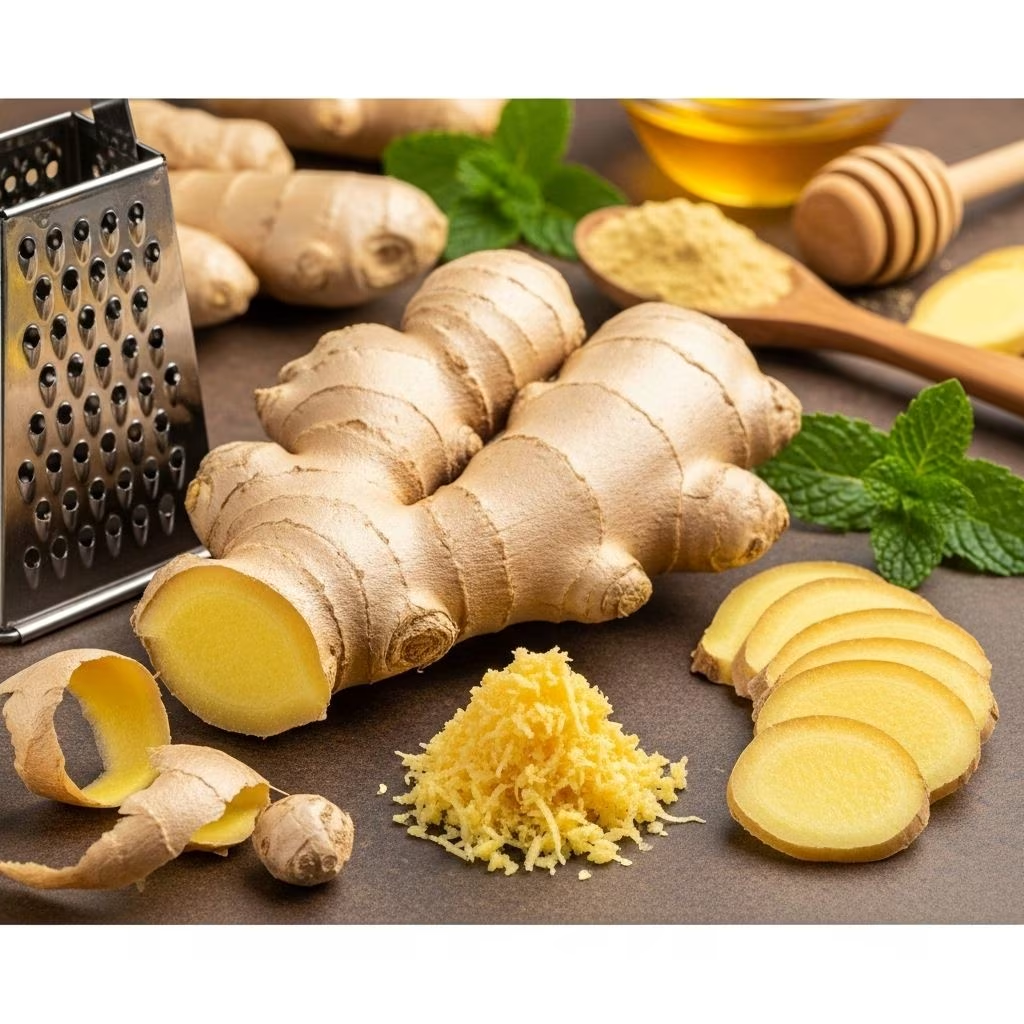
Ginger has captivated cooks, healers, and flavor seekers for thousands of years. Prized for its spicy warmth and invigorating aroma, ginger lends unmistakable complexity to both savory and sweet foods across the globe. This guide explores ginger’s dynamic flavor profiles, its deep roots in global culinary traditions and natural healing, and shares accessible substitutes for when you’re out of fresh ginger. Whether you’re a seasoned chef or new to world flavors, unlock culinary creativity with this complete ginger resource.
What is Ginger?
Ginger (Zingiber officinale) is a flowering plant native to Southeast Asia. The edible part used in cooking and natural remedies is the rhizome, or underground stem, known for its knobby, light-brown exterior and yellow, fibrous interior. Botanically unrelated to true roots, this rhizome stores the plant’s potent essential oils and complex flavors, making it central to culinary and medicinal traditions from Asia, Africa, the Caribbean, the Middle East, and beyond.
Ginger Flavor Profile
Ginger’s taste is instantly recognizable—and complex. Its primary qualities include:
- Spicy warmth—often described as peppery or burning, caused by compounds like gingerol and shogaol
- Mild sweetness—especially when young or candied
- Subtle citrus notes—particularly in fresh, young ginger
- Aromatic freshness—a zesty, invigorating quality that awakens the palate
The flavor can shift dramatically depending on ginger’s age, form, and whether it’s used fresh, dried, pickled, powdered, crystallized, or infused.
| Form | Key Flavor Notes | Typical Uses |
|---|---|---|
| Fresh Ginger Root | Fiery, citrusy, juicy, pungent, fragrant | Stir-fries, marinades, tea, sauces |
| Dried (Powdered) Ginger | Earthy, warm, mild heat, less sharp | Baked goods, spice blends, rubs |
| Candied Ginger | Sweet, spicy, chewy | Snacking, baking, desserts |
| Pickled Ginger | Sour, mildly spicy, vinegary | Sushi, salads, palate cleanser |
| Crystallized Ginger | Intensely sweet, spicy, aromatic | Toppings, confections, tea |
What Creates Ginger’s Unique Flavor?
The pungency (spicy sensation) of ginger is primarily due to gingerols, which are transformed into shogaols and zingerone during drying and cooking. This chemical change explains why dried and cooked ginger differs in heat and aroma from fresh ginger.
Common Forms of Ginger
Ginger is available in multiple forms, each contributing distinctive tones and textures to cooking:
- Fresh ginger root—Juicy, firm, and pungent. Best for grating, slicing, or mincing into dishes.
- Dried ginger powder—Fine, tan-colored spice. Favored for baking and spice blends.
- Pickled ginger—Sliced ginger marinated in vinegar, often pink in color. Served with sushi or as a palate cleanser.
- Crystallized/candied ginger—Cooked in sugar syrup and coated in sugar. Enjoyed as candy or chopped into baked goods.
- Ginger paste—A convenient pureed form for adding to sauces and marinades.
- Ginger oil or extract—Concentrated for beverages or desserts; highly potent.
Culinary Uses of Ginger Worldwide
Ginger’s versatility is extraordinary. Its assertive warmth enhances savory and sweet dishes, teas, beverages, and more. Here’s a global sampling of ginger’s role in cuisine:
Asian and Indian Cuisines
- China: The ginger-garlic-scallion trio forms the flavor base for countless stir-fries and braises. Sliced ginger appears in soups, steamed fish, and dumpling fillings.
- Japan: Pickled ginger (gari) cleanses the palate during sushi meals. Fresh ginger is grated over tofu or noodles, infused in dressings, or used in ginger pork (shogayaki).
- Thailand: Combined with aromatics in curry pastes, or used fresh in poultry, seafood, and noodle dishes.
- India: Ginger is omnipresent in curries, chutneys, and tandoori marinades. It is paired with garlic in pastes, used in teas like masala chai, and underpins festive sweets.
Middle Eastern and African Cuisines
- North Africa: Adds heat and depth to tagines and spice blends.
- Middle East: Appears in sweet cakes, spiced teas, and savory stews.
Caribbean and Latin American Cooking
- Caribbean: Key note in jerk chicken marinades, ginger beer, and desserts.
- Latin America: Used in syrups, desserts, and festive holiday beverages.
Western Cuisine
- Baking: Foundation for gingerbread, ginger snaps, traditional cakes (like parkin or speculaas), and pumpkin pie spice blends.
- Drinks: Ginger ale, ginger beer, and modern cocktail mixers feature ginger’s spicy-sweet essence.
- Savory Applications: Powdered ginger accentuates roasted vegetables, glazes for meats, and winter soups.
Innovative uses now include ginger in kombucha, protein bars, smoothies, salad dressings, and more modern culinary creations.
Ginger in Traditional Medicine and Modern Wellness
Beyond its culinary marvels, ginger has a centuries-old reputation as a medicinal agent. Traditional practices recognize ginger for:
- Soothing digestive discomfort and nausea
- Relieving colds, cough, and sore throat symptoms
- Reducing inflammation
Modern science has corroborated some of these uses:
- Compounds such as gingerol support anti-inflammatory and antioxidant effects.
- May reduce symptoms of nausea, especially morning sickness and motion sickness.
- Potential digestive aid—stimulates saliva and bile production for better digestion.
- Emerging studies suggest possible roles in lowering blood sugar and cholesterol.
While beneficial, ginger should not replace medical treatments; consult healthcare professionals for chronic or severe conditions.
How to Select, Store, and Prepare Ginger
To get the best flavor and longevity from ginger, follow these tips:
Selecting Fresh Ginger
- Choose firm, smooth-skinned roots—avoid shriveled or moldy pieces.
- Younger ginger is less fibrous and easier to grate or slice.
Storing Ginger
- Refrigerate unpeeled ginger in a paper bag or wrapped in paper towels for up to 3–4 weeks.
- Freeze peeled or sliced ginger in airtight containers; grate directly from frozen as needed.
- Store dried, powdered ginger in an airtight jar in a cool, dark place for up to a year.
Preparing Ginger
- Peel skin with a spoon for minimal waste.
- Grate, slice, mince, or julienne fresh ginger depending on dish requirements.
- For drinks, infuse whole slices; for sauces or sweets, use grated or juiced ginger.
Easy Ginger Substitutes
Don’t have ginger on hand, or looking for an allergy-friendly swap? Try these simple substitutes, adjusting quantities to suit taste and recipe requirements.
| Substitute | Substitution Ratio | Best For |
|---|---|---|
| Dried Ground Ginger | 1/4 teaspoon | Baking, spice blends, drinks |
| Ginger Paste | 1 tablespoon | Marinades, sauces, stir-fries |
| Crystallized (Candied) Ginger | 1 tablespoon, finely chopped | Baking, desserts |
| Allspice or Mace | 1/2 teaspoon | Baking (flavor is different, so use sparingly) |
| Turmeric Root (fresh) | 1 tablespoon (optional) | Curries, soups (adds color, earthy flavor) |
| Galangal (Thai ginger) | 1 tablespoon, grated | Thai and Southeast Asian dishes |
- Lemon zest plus black pepper can imitate some citrusy zing and peppery heat in a pinch.
- Cardamom (for sweet bakes) and cinnamon are also sometimes used as alternative warm spices.
Note: When substituting, start with a smaller amount and adjust to taste, as some alternatives (especially ground ginger or allspice) are more concentrated than fresh root ginger.
Frequently Asked Questions (FAQs)
Q: Can I substitute fresh ginger for ground ginger?
A: Yes. Use 1/4 teaspoon ground ginger for every 1 tablespoon fresh ginger, but remember ground ginger lacks the juicy, fresh bite and citrusy notes of the root.
Q: What is the best way to peel ginger?
A: Scrape the skin off with the edge of a spoon—it minimizes waste and gently removes only the thin outer layer.
Q: Is pickled ginger the same as fresh ginger?
A: No. Pickled ginger is thinly sliced and marinated in vinegar and sugar, resulting in a tangy, sweet, and less spicy product commonly served with sushi.
Q: Can I freeze ginger?
A: Yes. Freezing extends ginger’s shelf life; store peeled pieces in a freezer bag and grate or slice as needed without thawing.
Q: What dishes highlight ginger’s flavor best?
A: Ginger shines in stir-fries, curries, marinades, teas, cakes, cookies, and beverages like ginger ale or kombucha. Each form of ginger—fresh, dried, pickled or candied—brings its own unique character.
Summary
Ginger is far more than a kitchen staple—it’s a dynamic spice with an infectious warmth that enlivens meals and supports overall wellness. Its striking flavor—from fresh zest to mellow earthiness—cements its status as a global culinary hero. With simple substitutions available, you can enjoy ginger’s characteristic spark in any dish, regardless of what’s on your spice shelf. Explore, substitute, and celebrate ginger in your own cooking today.
References
- https://diabetesfoodhub.org/blog/everything-you-need-know-about-ginger
- https://www.tilda.com/blog/ingredient-guide/a-guide-to-ginger/
- https://www.mccormickscienceinstitute.com/resources/culinary-spices/herbs-spices/ginger
- https://www.bluepacificflavors.com/great-flavors-ginger/
- https://www.rishi-tea.com/blogs/journal/through-the-ages-to-today-the-many-uses-of-ginger
- https://www.bluepacificflavors.com/november-flavor-of-the-month-ginger/
- https://www.escoffier.edu/blog/culinary-arts/3-ways-to-use-ginger/


