


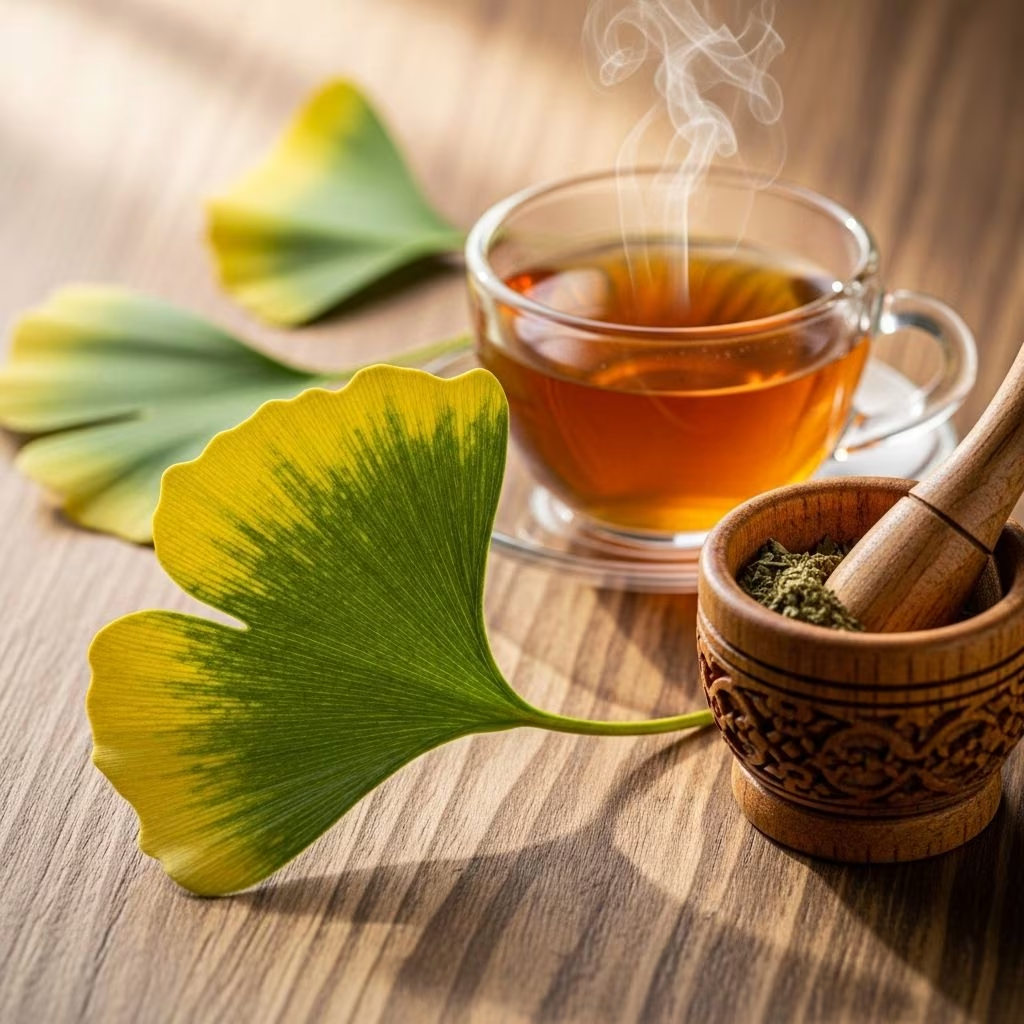
Ginkgo biloba, often referred to as a living fossil, is one of the oldest species of trees, with a history dating back over 270 million years. Native to China, Ginkgo biloba is widely cultivated for its medicinal properties, particularly in its leaves. These leaves are fan-shaped, with vibrant green color in summer and turning yellow in autumn, offering both aesthetic and health benefits. In this article, we will delve into the benefits, uses, and taste of Ginkgo biloba leaves.
Introduction to Ginkgo Biloba
Ginkgo biloba is a deciduous tree known for its distinctive fan-shaped leaves and its ability to thrive in a variety of environments. It is often used as an ornamental tree due to its attractive foliage and durability. The tree can grow up to 80 feet tall, with a spread of about 20 to 40 feet, making it a prominent feature in landscapes. Ginkgo biloba is also known for its medicinal properties, particularly those attributed to its leaves, which are used in traditional medicine for centuries.
Medicinal Properties of Ginkgo Biloba Leaf
The leaves of Ginkgo biloba are rich in flavonoids and terpenoids, which contribute to their medicinal properties. These compounds are believed to improve blood circulation, enhance oxygenation of tissues, and protect against cell damage. Ginkgo biloba has been used to treat conditions such as:- Memory Improvement and Brain Health: Ginkgo is often used to improve memory, cognitive function, and to help manage conditions like Alzheimer’s disease. It is believed to enhance blood flow to the brain, which can improve cognitive performance. – Circulatory Conditions: By improving blood circulation, Ginkgo biloba can help alleviate conditions caused by poor blood flow, such as tinnitus and hearing impairments.- Eye Health: Its ability to improve circulation can also benefit patients with eye disorders, such as macular degeneration and diabetic retinopathy.- Asthma and Allergies: Ginkgo biloba extracts may help reduce inflammation and improve respiratory health by blocking platelet-activating factor (PAF), which is involved in allergic reactions.
Culinary and Edible Aspects
While Ginkgo biloba leaves are primarily used for medicinal purposes, the seeds are edible and considered a delicacy in some cultures. Here are some key points about consuming Ginkgo:- Seed Consumption: The seeds, once freed from their outer pulp, can be boiled or roasted and eaten. However, they are poisonous if not properly prepared and can cause severe gastrointestinal issues if ingested raw.- Taste and Preparation: Cooked Ginkgo seeds have a nutty flavor but are not commonly consumed in Western cuisine. They are more frequently used in traditional Asian dishes.
Uses of Ginkgo Biloba
Beyond its culinary uses, Ginkgo biloba has several practical applications:- Ornamental Uses: It is commonly planted as a shade tree or specimen tree in gardens due to its attractive foliage and tolerance to urban conditions.- Medicinal Supplements: Ginkgo biloba leaves are processed into supplements, which are available in the form of capsules, tablets, or teas. These supplements are used to enhance cognitive function and improve circulation.- Environmental Benefits: Ginkgo biloba trees are drought-tolerant and can thrive in pollution-heavy environments, making them suitable for urban landscaping.
Cultivation of Ginkgo Biloba
Ginkgo biloba trees are relatively easy to cultivate, provided they receive full sun and well-drained soil. Here are some tips for growing Ginkgo biloba:- Planting Location: Choose a location with full sun and a wide area for the tree to grow, as it can reach significant heights.- Soil Requirements: Ginkgo biloba can tolerate a variety of soils but prefers well-drained conditions. It is adaptable to different pH levels, from acidic to alkaline.- Growth Rate: Young Ginkgo trees grow slowly, but their growth rate increases as they mature. They can live for hundreds of years with proper care.
Frequently Asked Questions (FAQs)
Q: What is the typical size of a mature Ginkgo biloba tree?
A: Mature Ginkgo biloba trees can grow to 50 to 80 feet in height and spread 20 to 40 feet wide.
Q: How long does it take for a Ginkgo biloba tree to produce seeds?
A: Female Ginkgo biloba trees typically begin producing seeds after 20 to 50 years.
Q: Are Ginkgo biloba leaves edible?
A: While Ginkgo biloba leaves are used for medicinal purposes, they are not commonly consumed as food. The seeds are edible but must be properly prepared.
Q: What are the potential side effects of consuming Ginkgo biloba supplements?
A: Common side effects include gastrointestinal upset, allergic reactions, and interactions with other medications. It is advisable to consult a healthcare provider before using Ginkgo biloba supplements.
Conclusion
Ginkgo biloba is a versatile tree with significant cultural, medicinal, and environmental value. Its leaves are a key component of traditional medicine, offering benefits for cognitive function and circulation. While its seeds are edible, they require proper preparation to avoid adverse effects. As a durable and attractive tree, Ginkgo biloba is a popular choice for landscaping and urban environments. Whether for its medicinal properties or its ornamental value, Ginkgo biloba remains a fascinating and beneficial plant species in modern times.
References
- https://plants.ces.ncsu.edu/plants/ginkgo-biloba/
- https://dendro.cnre.vt.edu/dendrology/syllabus/factsheet.cfm?ID=122
- https://www.mofga.org/resources/herbs/ginkgo/
- https://edis.ifas.ufl.edu/publication/ST273
- https://plants.usda.gov/DocumentLibrary/plantguide/pdf/pg_ginkg.pdf
- https://www.nccih.nih.gov/health/ginkgo
- https://plantdetectives.com/pages/the-ginkgo-guide
- https://www.gaiaherbs.com/blogs/seeds-of-knowledge/everything-you-need-to-know-about-ginkgo
- https://www.mayoclinic.org/drugs-supplements-ginkgo/art-20362032


