


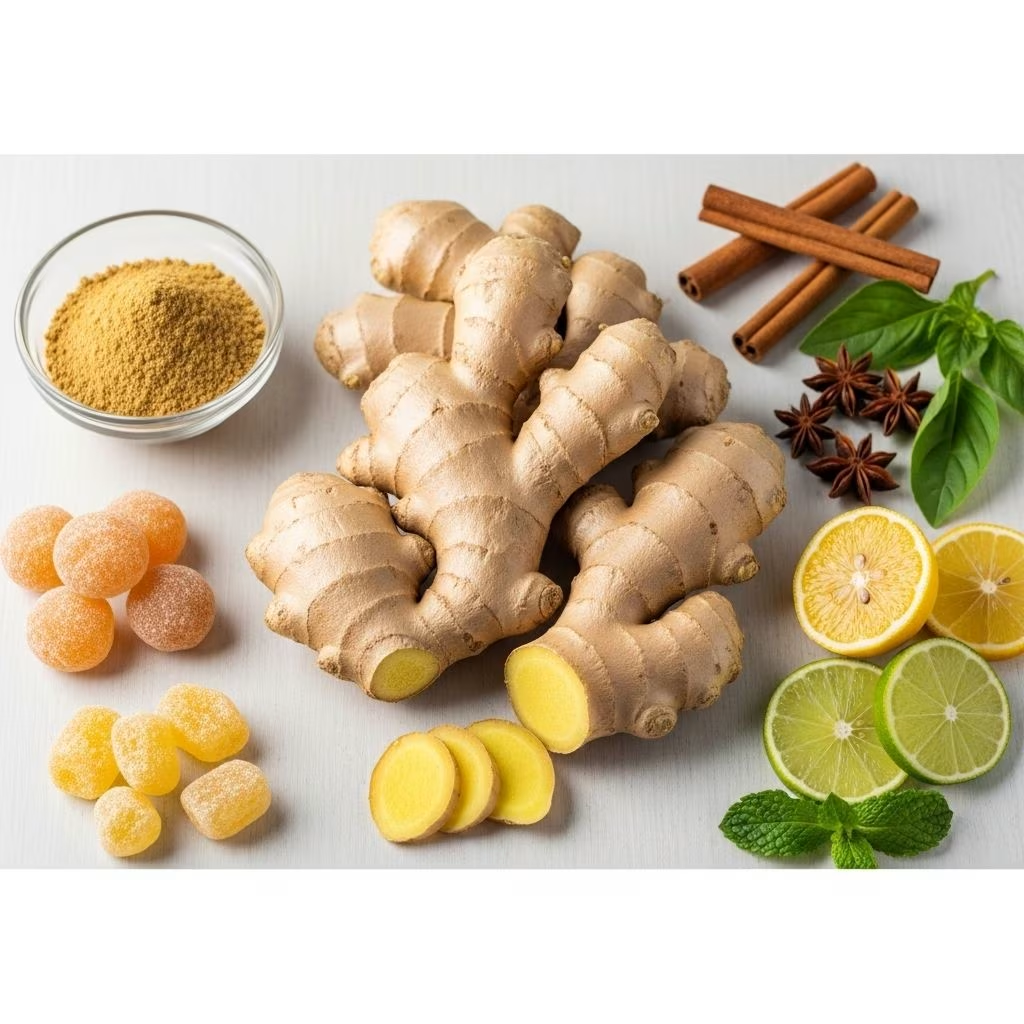
Ginger, known as zenzero in Italian, is celebrated around the world for its lively, peppery flavor and its indispensable role in kitchens and traditional medicine. This comprehensive guide explores ginger’s unique taste, myriad culinary uses, health benefits, and the best substitutes for every occasion. Whether you are a home cook eager to experiment or in need of a substitute in a pinch, this article covers everything you need to know.
Introduction to Ginger
Ginger is the underground rhizome of the Zingiber officinale plant, prized in both culinary and medicinal traditions. Native to Southeast Asia, it has spread across the globe, embraced for its spicy warmth and multifaceted uses. Its knobby, tan skin and yellowish interior mark it as instantly recognizable in markets and grocery stores.
Historical Snapshot
- Ancient origins: Used in Chinese, Indian, and Arabic cultures for over 3,000 years.
- Trade and influence: Ginger was among the earliest spices traded from Asia to Europe, cherished as a flavoring, preservative, and even a symbol of wealth.
- Medicinal lore: Traditionally revered for warming, anti-inflammatory, and digestive properties.
The Unique Flavor Profile of Ginger
Ginger is famed for its complex, aromatic heat that brings both warmth and freshness to food. Its flavor unfolds on the palate in distinct stages, making it an essential for both sweet and savory cuisine.
Flavor Profile Highlights
- Initial sensation: A bold, sharp heat provided by gingerol, the principal bioactive compound.
- Secondary notes: Hints of citrus, a subtle sweet undertone, and a resilient earthiness.
- Mouthfeel: Fresh ginger is juicy and fibrous, while dried and ground ginger offer a drier, more concentrated pungency.
| Form | Flavor Description | Best For |
|---|---|---|
| Fresh Ginger | Bold, juicy, citrusy heat; strongest and most aromatic | Stir-fries, curries, teas, marinades |
| Dried/Ground Ginger | Concentrated, mellow heat; less bright, more gentle sweetness | Baked goods, spice blends, rubs |
| Candied/Crystallized Ginger | Sweet & spicy, chewy with rich flavor | Snacking, desserts, toppings |
| Pickled Ginger (Gari) | Sharp, sweet, tangy with a mild heat | Sushi, palate cleansers, salads |
| Preserved Ginger | Sweet, aromatic, juicy | Ice creams, confections, baking |
Forms of Ginger & Their Applications
Ginger comes in several forms, each lending distinct character to cuisines and remedies worldwide:
- Fresh Ginger Root: Characterized by a knobbly, tan skin and yellow interior, fresh ginger is peeled and grated, sliced, or minced for vibrant flavor in cooking and infusions.
- Ground (Dried) Ginger: Pale golden powder; less sharp than fresh ginger, it integrates smoothly into dry mixes and baking.
- Candied/Crystallized Ginger: Cooked in sugar syrup and coated with sugar, perfect for snacks or desserts.
- Pickled Ginger: Thinly sliced and preserved in sweet vinegar; a sushi accompaniment.
- Preserved Ginger: Slices or chunks in syrup; used in sweets, desserts, and select savory sauces.
- Ginger Paste: Pureed ginger, sometimes with oil or salt, used as a cooking convenience.
Culinary Uses of Ginger Worldwide
From the bustling kitchens of Asia to festive Western bakeries, ginger is a culinary chameleon. Its global journey spans classic entrees, zesty beverages, and lingering desserts.
Asian Cuisines
- Chinese cooking: Essential for stir-fries, soups, and sauces. Acts as a flavor base alongside garlic and green onions, often called the ‘holy trinity.’
- Japanese cuisine: Pickled ginger (gari) is served alongside sushi for palate cleansing; fresh ginger livens up noodle dishes and dressings.
- Indian recipes: Integral to curries, dals, chutneys, and spiced teas like masala chai. Ginger-garlic pastes are foundational in flavoring meat and vegetarian dishes.
- Thai dishes: Curries, soups (like Tom Yum), and stir-fries are enhanced with fresh or dried ginger.
Caribbean and Middle Eastern Cooking
- Caribbean cuisine: Jerk chicken, marinated meats, and ginger-based beverages.
- Middle Eastern recipes: Ginger features in aromatic stews, tagines, and with roasted vegetables or legumes.
Western Cuisine
- Baking: Gingerbread, ginger snaps, spice cakes, and cookies rely on dried ginger for warmth and aroma.
- Beverages: Ginger ales, ginger beer, spiced syrups, and even kombucha.
- Desserts: Candied ginger in ice cream or topping fruit crumbles.
How to Use Ginger in Cooking
- Fresh ginger: Peel skin (using spoon or peeler), slice, mince, or grate directly into stir-fries, soups, marinades, and infusions.
- Dried ginger powder: Use in baking, spice blends, and slow-cooked dishes.
- Infusions: Add ginger slices to water, tea, or even rice cooking liquid for subtle flavor.
Traditional and Modern Health Uses
For centuries, ginger has transcended the kitchen, becoming a staple in traditional medicine and modern wellness practices.
- Digestive aid: Ginger is renowned for easing nausea (such as motion or morning sickness), settling stomach discomfort, and supporting digestion.
- Anti-inflammatory: Ginger’s compounds gingerol, shogaol, and paradol are linked to reduced inflammation, potentially helpful for joint discomfort and inflammatory conditions.
- Antioxidant properties: Helps combat free radicals, supporting general health and immune function.
- Other benefits: Research continues on ginger’s potential to help reduce menstrual pain, lower blood sugar, and improve heart health.
Note: While ginger is widely regarded as safe in culinary amounts, high supplemental doses should be used with caution, particularly for those on blood thinners or with gallstone issues. Always consult a health professional before using high doses medicinally.
Easy Substitutes for Ginger in the Kitchen
If you find yourself out of ginger, suitable year-round alternatives exist for both sweet and savory recipes. Choice of substitute depends on the recipe, form of ginger called for, and desired flavor profile.
Best Ginger Substitutes by Application
| Form | Best Substitutes | Notes |
|---|---|---|
| Fresh Ginger |
| Texture and heat will differ. Add a hint of lemon juice if substituting with galangal or turmeric. |
| Ground Ginger |
| For spice blends or baking; flavor won’t be identical, but gives warm background notes. |
| Pickled Ginger |
| Good for garnish or palate cleansing, especially in sushi or salads. |
| Candied Ginger |
| Works in confections, snacking, and festive baking. |
Homemade Ginger Substitute (Emergencies)
- Ginger Tea: If you’re missing ginger for tea, a pinch of ground allspice and a splash of lemon or lime can approximate warm, citrusy notes.
- Baking Substitute: 1/4 tsp ground ginger = 1 tbsp freshly grated ginger, though the freshness and heat will be more subdued.
General Tips When Substituting Ginger
- Start with a smaller amount of the substitute and build up; some spices are more potent or bitter.
- When desired for health properties, turmeric is the closest root spice, though flavor differs greatly.
- Citrusy zest (lemon, lime) can mimic ginger’s citrus brightness in some recipes.
How to Store Ginger for Freshness
Proper storage maximizes the shelf life and flavor of all ginger forms:
- Fresh ginger root: Refrigerate unpeeled in paper towels inside a sealed bag or container; lasts 2–3 weeks. Freeze whole, peeled, or grated for months—perfect for grating directly into dishes from frozen.
- Ground ginger: Store in a tightly sealed jar, away from heat and light, for best potency up to a year.
- Candied/pickled ginger: Keep in airtight containers, refrigerated after opening.
Frequently Asked Questions (FAQs)
Q: Can I use dried ginger in place of fresh?
Yes, though the flavor will be less bright and slightly more subdued. Use 1/4 tsp ground ginger for every 1 tbsp fresh ginger, and increase for stronger taste.
Q: What makes ginger taste hot and spicy?
The compound gingerol is primarily responsible for ginger’s spicy, peppery sensation, especially in fresh ginger.
Q: What dishes traditionally use ginger?
Ginger features in Asian stir-fries, Indian curries, masala chai, sushi (as pickled ginger), Caribbean jerk marinades, and Western baked goods like gingerbread and spiced cakes.
Q: Does cooking ginger reduce its health benefits?
Some antioxidant power is lost with prolonged cooking, but ginger remains a source of beneficial compounds and flavor whether raw, cooked, or dried.
Q: Is candied ginger good for you?
Candied ginger still contains healthful compounds but is high in sugar, so it is best enjoyed in moderation.
Conclusion
Zenzero (ginger) offers an unparalleled blend of warming heat, citrus zing, and culinary versatility. Whether enjoyed fresh, ground, pickled, or as a sweet treat, it anchors both traditional and modern recipes while providing healthful benefits. With easy-to-find substitutes and long shelf life, ginger deserves a permanent spot in your kitchen’s arsenal.
References
- https://diabetesfoodhub.org/blog/everything-you-need-know-about-ginger
- https://www.tilda.com/blog/ingredient-guide/a-guide-to-ginger/
- https://www.mccormickscienceinstitute.com/resources/culinary-spices/herbs-spices/ginger
- https://www.bluepacificflavors.com/great-flavors-ginger/
- https://www.rishi-tea.com/blogs/journal/through-the-ages-to-today-the-many-uses-of-ginger
- https://www.bluepacificflavors.com/november-flavor-of-the-month-ginger/
- https://www.escoffier.edu/blog/culinary-arts/3-ways-to-use-ginger/


