


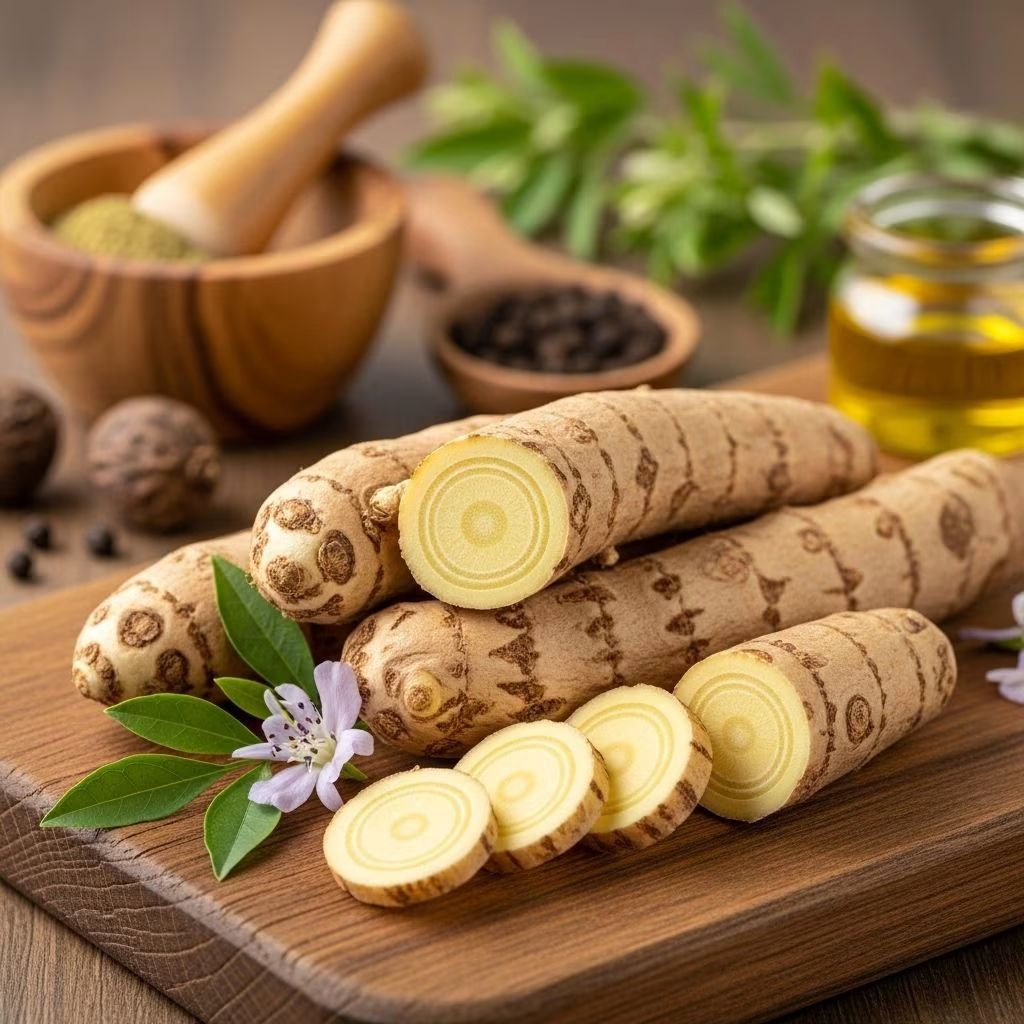
Zedoary, also known as white turmeric or Curcuma zedoaria, is an ancient rhizome widely heralded for its medicinal and culinary applications. Valued across cultures for centuries, zedoary has made its mark in Ayurveda, Traditional Chinese Medicine, Southeast Asian cuisine, and beyond. This comprehensive guide unpacks everything you need to know about zedoary—its identity, history, health benefits, modern uses, flavor, and scientific outlook.
What Is Zedoary?
Zedoary is the underground stem (rhizome) of Curcuma zedoaria, a perennial herbaceous plant in the ginger family (Zingiberaceae), closely related to turmeric and ginger. Its knobby, tan-colored rhizomes conceal a pale yellow or white interior with a distinctive aroma and flavor. Zedoary is native to India and Indonesia, but is now cultivated throughout South and Southeast Asia, as well as parts of China and the Americas.
Key Features at a Glance
- Botanical name: Curcuma zedoaria
- Other names: White turmeric, Kachur, Kentjur, Amba haldi
- Family: Zingiberaceae (ginger family)
- Parts used: Rhizome (fresh or dried); occasionally leaves
- Primary uses: Traditional medicine, spice, aromatic agent
Botanical Profile and Origins
Curcuma zedoaria is a robust, leafy perennial that can reach about 1 meter in height. It produces large, lance-shaped leaves and, during blooming season, attractive inflorescences with white or pale yellow flowers.
The rhizome grows underground and looks somewhat like ginger but with lighter, creamy flesh.
Geographical Distribution
- Native to: India, Indonesia
- Widely grown in: Bangladesh, China, Malaysia, Thailand, Nepal, Japan, South America
Historical and Cultural Significance
Zedoary occupies a revered place in tropical traditional medicine. In India, it is known as “Kachur” and is a staple in both Ayurvedic and Unani practices. In Traditional Chinese Medicine (TCM), it is called “E zhu” and believed to move blood and alleviate pain. Indonesian jamu, a popular herbal health system, also incorporates zedoary in tonics and remedies.
For centuries, zedoary has been used for a broad spectrum of health concerns. Its reputation as a digestive stimulant, detoxifier, and pain-reliever is documented in ancient texts and folk heritage. Zedoary was also prized as a culinary spice and occasionally as a perfume component due to its earthy, camphorous scent.
Active Compounds and Chemistry
The health-promoting properties of zedoary stem from its rich repository of bioactive compounds, many of which overlap with those found in turmeric and ginger.
| Compound Type | Main Examples | Potential Effects |
|---|---|---|
| Essential oils | Curzerenone, curcumol, β-elemene | Anti-inflammatory, antimicrobial |
| Curcuminoids | Curcumin, demethoxycurcumin | Antioxidant, anti-inflammatory |
| Sesquiterpenes | Germacrone, curdione | Anticancer, pain-relief |
| Polysaccharides | Starches, mucilages | Digestive support |
Potential Health Benefits of Zedoary
Both traditional wisdom and modern preliminary research highlight a spectrum of health effects attributed to zedoary. Below are the most recognized benefits, based on tradition and emerging scientific studies.
1. Digestive Health
- Soothes indigestion: Used to alleviate bloating, flatulence, and abdominal pain.
- Stimulates appetite: Helps those with loss of appetite or weak digestion.
- Supports liver function: May promote bile secretion and protect liver cells.
2. Anti-Inflammatory Effects
- Reduces pain and swelling: Both topical and internal use for joint pain, arthritis, muscle aches, and injuries.
- Helps with menstrual discomfort: Traditionally used to ease cramps and regularize menstruation.
3. Antioxidant Properties
- The curcuminoids and essential oils in zedoary reduce free radicals, protecting cells from oxidative stress.
- Potential general immune support and anti-aging effects, though more research is needed.
4. Antimicrobial and Antifungal Effects
- Essential oil and extract show inhibitory action against certain bacteria and fungi, lending support for use in traditional remedies for infections and wound healing.
5. Blood Detoxification and Circulation
- Historically used to “purify blood,” invigorate circulation, and support cardiovascular health.
- Some evidence for cholesterol-lowering effects in early clinical research, such as lowering total cholesterol and improving HDL (good cholesterol) levels.
6. Respiratory Health
- Used for cough relief, treating respiratory infections, and clearing congestion.
7. Women’s Reproductive Health
- Traditionally taken for menstrual cramps, hormone balancing, and as an aphrodisiac in some cultures.
8. Wound Healing and Skin Health
- Topical zedoary paste is applied to wounds, cuts, burns, and skin ailments for its antibacterial and inflammation-lowering actions.
Note: While traditional use and laboratory studies (animal/cell models) are promising, robust clinical evidence in humans is limited, and results should be interpreted accordingly.
Traditional and Modern Uses
Zedoary is a multipurpose botanical found in both home kitchens and herbal apothecaries.
Traditional Medicine Applications
- Ayurvedic: For digestive complaints, respiratory disorders, skin healing, menstrual issues, detoxification.
- Traditional Chinese Medicine: To invigorate blood, clear stagnation, relieve pain, treat infections, and ease digestive/liver problems.
- Jamu (Indonesia): As a tonic for general wellness and energy.
Modern Herbal and Folk Uses
- Digestive bitters blends and carminative teas.
- Paste or oil used topically for wounds and pains.
- Mosquito repellant in folk remedies.
- Hair and skin care formulas (for anti-inflammatory and antimicrobial action).
Summary Table: Health Conditions Traditionally Supported by Zedoary
| System/Condition | Application |
|---|---|
| Digestive system | Indigestion, appetite loss, flatulence, gastritis |
| Liver health | Detox, bile production, protection from toxins |
| Respiratory | Cough, bronchitis, congestion, infection |
| Musculoskeletal | Arthritis, joint pain, swelling, injuries |
| Skin/wound | Cuts, wounds, burns, fungal infections |
| Cardiovascular | Cholesterol management, circulation support |
What Does Zedoary Taste Like?
Zedoary’s flavor is aromatic, earthy, and slightly bitter—often described as a mix between ginger, turmeric, and a hint of camphor or citrus. The initial bite is peppery, followed by a mild bitterness and lingering resinous finish.
It is less pungent than ginger but more intense than common turmeric, making it a unique addition to both sweet and savory recipes. The aroma is strongly earthy with notes of camphor and mango.
Flavor Profile Summary
- Aroma: Woody, earthy, floral, camphorous
- Taste: Pungent, slightly bitter, spicy, with subtle citrus or fruity undertones
- Texture (fresh): Crisp and juicy (like raw ginger)
Culinary Applications of Zedoary
Although not as commonly used as ginger or yellow turmeric, zedoary is a distinctive spice in South and Southeast Asian cuisine.
Common Culinary Uses
- Fresh rhizome: Sliced or grated in curries, pickles, salads, or chutneys (especially in Indonesian and Thai dishes).
- Dried powder: Incorporated as a spice in spice blends or as a turmeric substitute.
- Condiment: Sometimes pickled with vinegar or salt for use as a palate refresher or digestive aid.
- Traditional sweets: Added to certain ritual cakes and desserts for aroma and flavor balance.
Culinary Comparison Table
| Spice | Appearance | Flavor | Common Uses |
|---|---|---|---|
| Zedoary | White/yellow rhizome | Peppery, earthy, bitter | Curry, pickle, digestive |
| Ginger | Pale yellow rhizome | Spicy, sweet | Curry, sweet, beverage |
| Turmeric | Deep yellow/orange rhizome | Earthy, mild bitter | Curry, dye, health drinks |
Safety, Side Effects, and Precautions
Zedoary is generally considered safe in culinary amounts. Large or concentrated doses may bring some risk. Here is what to consider:
- High doses may irritate the gut or cause nausea in sensitive individuals.
- Not recommended during pregnancy or breastfeeding due to potential uterine-stimulating effects.
- May interfere with certain medications, particularly antiplatelet or anticoagulant drugs (as it may enhance blood flow).
- Rare allergic reactions (mainly skin) reported.
- Always consult a healthcare provider before starting zedoary supplements, especially if you have chronic illness or are on medication.
How to Use and Store Zedoary
Fresh zedoary should be stored in the refrigerator, wrapped to retain moisture. Dried zedoary powder should be kept in a cool, dry place, in airtight containers away from light.
Sample Preparation Methods
- Tea/infusion: Simmer fresh or dried zedoary slices in hot water (often blended with honey, cinnamon, or long pepper).
- Topical paste: Fresh rhizome ground and mixed with water or oil for external application.
- Digestive powder: Combine zedoary with other spices—such as long pepper or cumin—for a carminative effect.
Frequently Asked Questions (FAQs)
Q: How does zedoary differ from turmeric and ginger?
A: While related to both, zedoary is paler and more bitter than turmeric, less pungent but more earthy than ginger. It is often called “white turmeric,” but the compounds and effects are distinct.
Q: Is zedoary used in modern supplements?
A: Yes, zedoary extracts appear in some digestive, anti-inflammatory, and liver support blends, though evidence supporting these uses is still emerging.
Q: Are there any side effects or interactions I should be aware of?
A: Zedoary is well-tolerated in food but may cause digestive upset or interact with antiplatelet drugs in higher or medicine-like doses; pregnant and breastfeeding women should avoid therapeutic use.
Q: Can I substitute zedoary for turmeric in recipes?
A: In some recipes, yes, but be aware that the flavor will be earthier, more resinous, and mildly bitter, which may alter the dish’s character.
Q: Where can I buy zedoary?
A: Fresh zedoary is available in South Asian, Southeast Asian, and specialty grocery stores. Dried powder can be found online or in herbal shops labeled as white turmeric.
References
- https://ganeshagro.com/5-incredible-benefits-of-zedoary-root/
- https://caringsunshine.com/ingredients/ingredient-zedoary/
- https://www.planetayurveda.com/library/zedoary-kachur-curcuma-zedoaria/
- https://www.webmd.com/vitamins/ai/ingredientmono-337/zedoary
- https://growcycle.com/seed-directory/zedoary
- https://pmc.ncbi.nlm.nih.gov/articles/PMC4769493/
- https://shrishubhdaayurveda.com/kachur-benefits-in-ayurveda/
- https://theayurvedaco.com/blogs/a-z-of-ayurveda/zedoary-zone-white-turmeric-s-role-in-combatting-skin-inflammation-and-scars


