


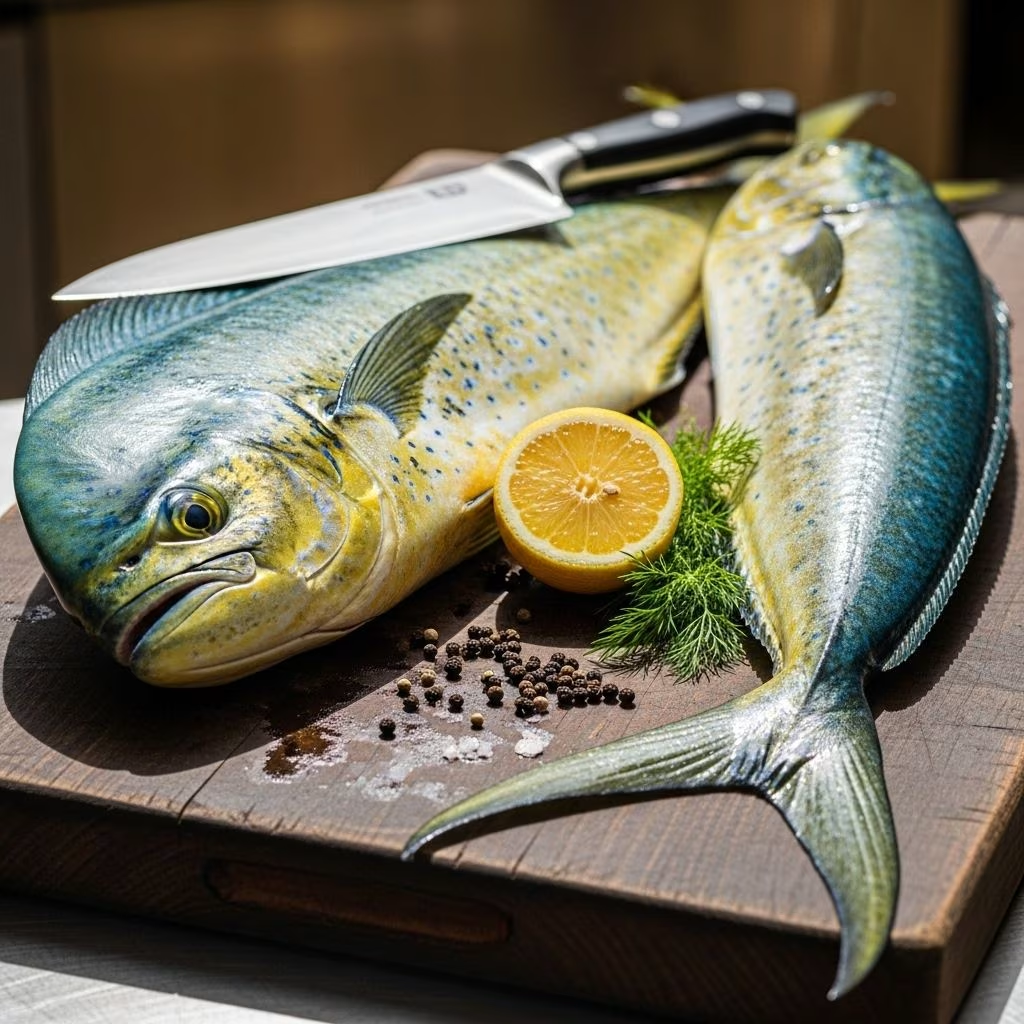
Mahi-mahi, biologically known as Coryphaena hippurus and commonly referred to as dolphinfish or dorado, is a vibrant, fast-growing, and versatile fish celebrated for its nutritional richness and irresistible flavor. Coveted by chefs, nutritionists, and anglers worldwide, mahi-mahi occupies a special place on seafood menus and in healthy diets. This article provides a comprehensive look at all aspects of mahi-mahi, from its natural history to health benefits, culinary versatility, and taste profile.
Overview: What Is Mahi-mahi?
Mahi-mahi is a large, surface-dwelling, ray-finned fish found in warm offshore waters around the globe.
- Scientific name: Coryphaena hippurus
- Common names: mahi-mahi (Hawaiian for “strong-strong”), dorado, dolphinfish (not related to the marine mammal dolphin)
- Physical features: Long, compressed body, single dorsal fin running from head to tail, and brilliant coloration—electric blues, greens, and golds on the sides and back
- Sexual dimorphism: Males, known as bulls, have pronounced, vertical foreheads; females, or cows, possess a more rounded head
- Lifespan and growth: Extremely rapid growth, capable of reaching lengths over 6 feet and weights approaching 80+ pounds though most caught are between 15–35 pounds and about a meter long
This fish’s dazzling colors often fade dramatically after being removed from the water, shifting from neon hues to a muted yellow-grey.
Biology and Characteristics
Key Biological Features
- Body Shape: Streamlined and elongated, ideal for fast swimming and active predation
- Dorsal Fin: Runs nearly the length of the body
- Tail: Deeply forked, offering high propulsion and maneuverability
Maturity and Reproduction
- Growth rate: Among the fastest of all fish, maturing within just 4–5 months
- Reproduction: Spawning may occur multiple times a year, with females producing up to 1,000,000 eggs per event in favorable (warm) water conditions
- Life expectancy: Most live less than 5 years due to rapid genetics and environment-related turnover
Diet and Predators
- Carnivorous diet: Flying fish, squid, crabs, mackerel, juvenile tuna, small pelagic fish, and zooplankton
- Prey and predator role: Mahi-mahi are both top predators and prey for large pelagic species like marlin, tuna, swordfish, and marine mammals
Distribution and Natural Habitat
Mahi-mahi inhabit offshore tropical, subtropical, and some temperate waters worldwide. They are highly migratory and closely linked to warm surface currents.
- Preferred water temperature: 70–85°F (21–29°C)
- Frequent locations: Found globally, including Atlantic, Pacific, and Indian Oceans; abundant near Florida, Gulf of Mexico, Caribbean Sea, Hawaii, South Pacific islands, and Mediterranean
- Typical habitats: Gather near floating debris, patches of brown algae called Sargassum, and can often be spotted around buoys or floating logs
Mahi-mahi make seasonal migrations and are a sought-after species for both commercial and recreational fisheries due to their abundance, size, and spectacular leaps when hooked .
Health Benefits of Mahi-mahi
This fish is widely lauded for its nutritional benefits, making it a mainstay in health-conscious diets.
| Nutrient | Amount (per 100g cooked) | Role/Benefit |
|---|---|---|
| Calories | Approx. 85–100 kcal | Lean protein source, low-calorie |
| Protein | 18–22g | Muscle repair, immune function |
| Fat | 1–2g | Very low, mostly healthy omega-3 fatty acids |
| Omega-3s | 200–300mg | Anti-inflammatory, heart and brain health |
| Vitamins | B12, Niacin, B6 | Energy, brain function, nervous system |
| Minerals | Selenium, Phosphorus, Potassium | Antioxidant, bone and metabolic health |
Major Health Advantages
- Low in total fat and saturated fat: Supports cardiovascular health
- Rich in omega-3 fatty acids: Helps lower inflammation and supports heart and cognitive health
- Excellent protein source: Satisfying, contributes to muscle growth and repair
- Contains essential B vitamins: Boosts metabolism and energy production
- Low in mercury relative to other large fish: Safer, especially for regular consumption
Culinary Uses and Preparation
Mahi-mahi is prized in both gourmet cuisine and home kitchens for its versatility, ability to take on diverse flavors, and its appealing texture. Chefs value its ability to accept marinades and endure a variety of cooking techniques.
Common Cooking Methods
- Grilling: Owing to its firm, flaky flesh, it holds together well on the grill, developing a smoky char while staying moist inside.
- Searing or Pan-Frying: Brings out a golden crust and highlights the fish’s mild flavors.
- Baking: Easy method that allows flavors from sauces and herbs to infuse into the flesh.
- Broiling: High-heat, fast cooking suitable for fillets and steaks.
- Ceviche: Its dense, boneless fillets are well-suited for marination in citrus juices—common in Latin American cuisine.
Popular Dishes
- Mahi-mahi tacos with fresh salsa
- Grilled mahi-mahi steaks with pineapple or mango salsa
- Seared mahi-mahi atop mixed greens or quinoa bowls
- Baked mahi-mahi with a herbed bread crumb crust
- Mahi-mahi ceviche with lime, cilantro, and red onion
Mahi-mahi combines well with tropical fruit salsas, tangy relishes, and light citrus-based marinades, accentuating its flavor without overwhelming its subtlety.
Taste and Texture: What Makes Mahi-mahi Unique?
Mahi-mahi’s taste profile is often cited as a key reason for its culinary popularity:
- Mild, slightly sweet flavor: Appeals to a wide variety of palates, both seafood lovers and those wary of strong, ‘fishy’ flavors
- Firm, large-flaked texture: Dense enough to grill, yet delicate and moist when cooked properly
- Clean finish: Absence of lingering oily or strong aftertastes
When cooked, the flesh transitions from a greyish-white to a beautiful, opaque white. Its consistency makes it an excellent protein for a myriad of cuisines—including Hawaiian, Caribbean, Mediterranean, and modern American cooking.
Sustainability and Fishing Practices
Thanks to its rapid growth, early maturity, and prolific reproduction, mahi-mahi is considered a sustainable seafood choice.
- Populations are robust and not currently threatened by overfishing in most areas
- Commonly caught with environmentally responsible, low-bycatch fishing methods such as hook-and-line
- Widely recognized as a best choice by sustainable seafood guides and programs
Nonetheless, verifying the source and fishing method of mahi-mahi ensures the highest environmental responsibility. Consumers are advised to choose mahi-mahi labeled as wild-caught from well-managed fisheries.
Frequently Asked Questions (FAQs)
Q: Is mahi-mahi related to the dolphin mammal?
A: No, despite its nickname “dolphinfish”, mahi-mahi is a fish species and is unrelated to dolphins, which are marine mammals.
Q: How does mahi-mahi compare nutritionally to other popular fish?
A: Mahi-mahi is leaner than salmon and tuna, lower in calories and fat, yet high in protein, selenium, and B vitamins. It’s also considered lower in mercury than many large predatory fish.
Q: Does mahi-mahi have a strong fishy taste?
A: No, it is known for its mild, slightly sweet taste, making it ideal for those who do not enjoy strong seafood flavors.
Q: What is the best way to store and handle mahi-mahi?
A: Fresh mahi-mahi should be kept cold (refrigerated) and used within 1–2 days. It may also be frozen, maintaining best quality for up to three months.
Q: Is mahi-mahi a sustainable seafood option?
A: Yes, when sourced from well-managed, regulated fisheries, mahi-mahi is widely considered a sustainable and environmentally conscious seafood choice.
Conclusion
Mahi-mahi stands out for its striking appearance, sustainability, health benefits, and adaptable, mild flavor. From its role as a top ocean predator to its revered place on global menus, this fish exemplifies the best of seafood—delicious, nutritious, and ocean-friendly.
References
- https://en.wikipedia.org/wiki/Mahi-mahi
- https://www.panoply.tc/mahi-mahi/
- https://www.fisheries.noaa.gov/species/atlantic-mahi-mahi
- https://www.floridamuseum.ufl.edu/discover-fish/species-profiles/dolphinfish/
- https://www.britannica.com/animal/mahimahi
- https://www.satfish.com/mahi-mahi-species-profile/
- https://mainattraction.org/florida-keys-dolphinfish-facts/
- https://biologydictionary.net/mahi-mahi/


