


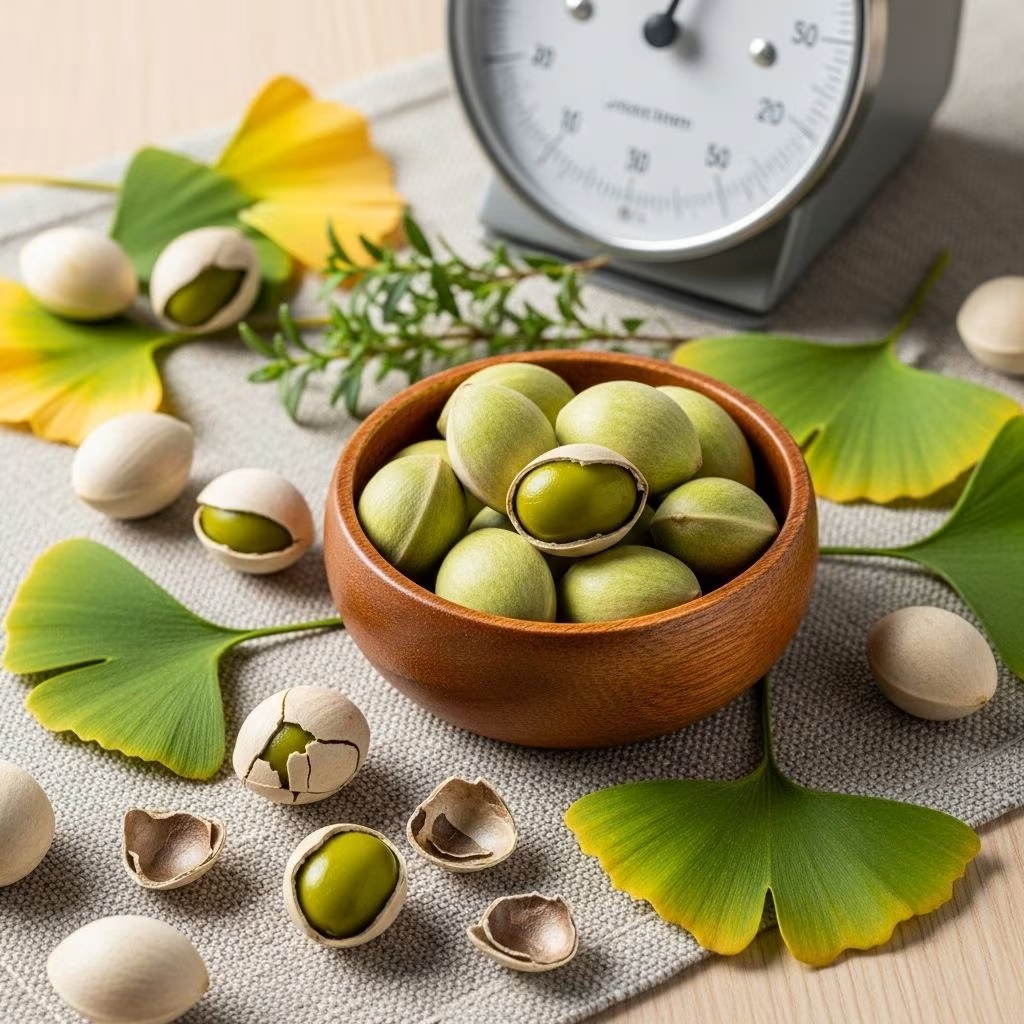
What Is Ginkgo Nut?
The ginkgo nut is the edible seed inside the fruit of the Ginkgo biloba tree, an ancient species native to China that now grows in various climates worldwide. Sometimes called “silver apricot nut,” it has a pale yellow hue with an ivory shell, roughly almond-sized, surrounded by a fleshy, notoriously odorous outer fruit. The nut itself is valued in East Asian culinary and medicinal traditions and takes two decades for the female tree to bear fruit.
- The Ginkgo biloba tree is dioecious: only female trees produce nuts.
- Each nut develops within a soft outer layer that smells unpleasant (often likened to rancid butter).
- After harvesting, the edible kernel is revealed by removing the flesh and shell.
Ginkgo Nut vs Ginkgo Leaf
While both the nut and leaf have historical medicinal applications, they serve different functions:
- Ginkgo nut: Consumed primarily for culinary and believed medicinal benefits, especially in traditional formulas for respiratory and urinary health.
- Ginkgo leaf: Used chiefly for cognitive enhancement and studied for neurological support.
History and Origin
Ginkgo trees, sometimes called “living fossils,” have persisted for over 200 million years. Originating in China, the ginkgo nut has spread globally and become a staple in East Asian cuisine and medicine. Its enduring lineage is part of its cultural allure.
- Ginkgo trees are famed for resilience—thriving in varied soils, climates, and even urban pollution.
- Historically cultivated for shade and ornamental purposes, but prized in China, Japan, Korea, and beyond for nuts and leaves.
- Trees can live several centuries, bearing nuts each autumn after reaching maturity.
Nutritional Value
Ginkgo nuts rank as a nutrient-dense food, offering:
- Essential fatty acids
- Antioxidants
- Proteins and amino acids
- Dietary fiber
- Vitamins (including B6, niacin)
- Minerals such as potassium, magnesium, and calcium
Low in fat and rich in micronutrients such as niacin and amino acids, ginkgo nuts are considered an excellent source of energy with antioxidant properties thought to slow aging and support cell health.
Health Benefits of Ginkgo Nut
Traditional and contemporary interest in ginkgo nuts centers on their potential health-promoting effects. Key benefits include:
- Respiratory Health: Used to treat cough, asthma, and reduce phlegm, particularly in Traditional Chinese Medicine.
- Cognitive Function: Believed to enhance memory and support brain health.
- Circulation: May improve coronary and cerebral blood flow, supporting cardiovascular health.
- Anti-Aging and Antioxidant Protection: Rich in antioxidants, the nuts can help neutralize free radicals and lessen cell damage.
- Immune Support: Nutrient content supports the body’s natural defenses.
- Anti-inflammatory Effects: Used to combat inflammation, with possible relevance to chronic conditions.
- Kidney and Urinary Health: Employed as a “yang” kidney tonic, believed to reduce night-time urination, irritation, excess mucus, and vaginal discharge.
- Digestive Benefits: Used as a source of dietary fiber for improved bowel function.
Note: While these benefits have deep cultural and anecdotal history in Asia, only a few are strongly validated by current scientific studies; many claims remain chiefly traditional or preliminary.
Culinary Uses of Ginkgo Nut
Ginkgo nuts feature prominently in East Asian and festive cuisines, valued for both their flavor and nutritional profile.
- Consistent use in Chinese, Japanese, Korean, and Thai cooking.
- Often roasted, toasted, or boiled before consumption.
- Popular as a snack (often seasoned) or an ingredient in soups and festive dishes.
- Frequently included in sweet and savory recipes, such as desserts, stir-fries, pilafs, cakes, pastries, and even ice cream.
- Korean and Japanese cuisine use ginkgo nuts in celebratory and ceremonial dishes.
Preparation and Handling
- Harvested from ripe fruit—flesh removed using gloves to avoid skin irritation due to urushiol (similar to poison ivy).
- Nuts soaked, boiled, or roasted to eliminate toxins, notably 4′-O-Methylpyridoxine and cyanogenic glycosides.
- Sold shelled or unshelled; can be frozen for off-season use.
Sample East Asian Dishes Featuring Ginkgo Nut
| Dish | Origin | Description |
|---|---|---|
| Chawanmushi (Savory Egg Custard) | Japan | Steamed egg custard, often topped with ginkgo nuts for texture and color. |
| Buddha’s Delight (Luohan Zhai) | China | Vegetarian festival stew featuring a spectrum of vegetables and ginkgo nuts. |
| Tangyuan (Sweet Rice Balls) | China | Sticky rice balls in syrup, sometimes filled or topped with ginkgo nuts. |
| Patbingsu | Korea | Shaved ice dessert with sweet toppings, including ginkgo nuts. |
Cooking Tips
- Limit serving size—no more than a few pieces at a time, as excessive consumption can be toxic.
- Soak or cook thoroughly; never eat raw ginkgo nuts.
- Pairs well with mushrooms, glutinous rice, root vegetables, and assorted fruits in both savory and sweet preparations.
Taste Profile and Sensory Experience
The ginkgo nut is celebrated for its mild, slightly sweet flavor with nutty notes. Its texture is creamy and dense, reminiscent of chestnuts, edamame, or even potatoes and pine nuts combined.
- When cooked: Soft texture, delicate sweetness, subtle nuttiness.
- When roasted: Slightly crunchy exterior, creamy interior.
- Neutral enough to complement both sweet and savory foods.
This sensory appeal—along with its nutritional properties—makes it a beloved ingredient despite challenges with odor and toxicity.
Safety, Preparation, and Toxicity
While ginkgo nuts are nutritious, they require careful handling due to potential toxicity and irritating compounds.
- Raw ginkgo nuts contain 4′-O-Methylpyridoxine, which can cause adverse neurological effects in large quantities; children are especially vulnerable.
- Outer fruit flesh: Contains urushiol, which may cause skin allergies or blistering. Always wear gloves when handling fresh fruit.
- Cyanogenic glycosides are present—cooking neutralizes most bitterness and toxins.
- Limit consumption to a few pieces per serving; excessive intake can lead to toxicity symptoms (nausea, vomiting, neurological changes).
- Always consult a physician before using ginkgo nuts medicinally.
Recommended Preparation Steps
- Remove outer flesh while wearing protective gloves.
- Wash nuts thoroughly.
- Boil or roast to diminish toxin content.
- Consume only prepared nuts; do not eat raw.
Frequently Asked Questions (FAQs)
Q: Are ginkgo nuts safe for children?
A: No, children should not consume ginkgo nuts due to heightened sensitivity to 4′-O-Methylpyridoxine; accidental consumption can be dangerous.
Q: What does a ginkgo nut taste like?
A: Nutty, mild, and slightly sweet with a creamy texture; often compared to chestnut, edamame, or potato.
Q: How are ginkgo nuts used in cooking?
A: Roasted or boiled as a snack, in soups, stir-fries, desserts, and festive dishes in East Asian cuisine.
Q: How many ginkgo nuts can be eaten safely?
A: Only a few per serving. Overconsumption can cause serious health effects.
Q: Can I eat ginkgo nuts raw?
A: No, raw ginkgo nuts should never be eaten due to toxins. Thorough cooking is required for safety.
Q: What are the key health benefits?
A: Tradition credits ginkgo nuts with supporting respiratory, cognitive, cardiovascular, and urinary health, though research is ongoing.
Q: Where can I buy ginkgo nuts?
A: Available at Asian markets, specialty food shops, and online retailers, sold shelled or unshelled for cooking and snacking.
Summary
The ginkgo nut is a unique, ancient seed offering nutritional, culinary, and traditional medicinal value. Its distinctive taste and creamy texture enrich East Asian cuisine, but it requires careful preparation due to potential toxins. Revered for centuries yet still relevant today, ginkgo nuts continue to fascinate with their balance of flavor, heritage, and health-promoting potential.
References
- https://chakra.kitchen/ingredients/ginkgo-nut
- https://www.thaifoodandtravel.com/blog/posts/gingko-nuts.html
- https://ourwayoflife.co.nz/stinky-healthy-delicious-why-people-love-or-hate-the-ginkgo-nut/
- https://www.gardeningknowhow.com/ornamental/trees/ginkgo/fruits-of-ginkgo-trees.htm
- https://backyardforager.com/ginkgo-nuts-2/
- https://www.nccih.nih.gov/health/ginkgo
- https://www.phillyorchards.org/2020/11/19/spotlight-on-ginkgo-pretty-edible-historic/


