


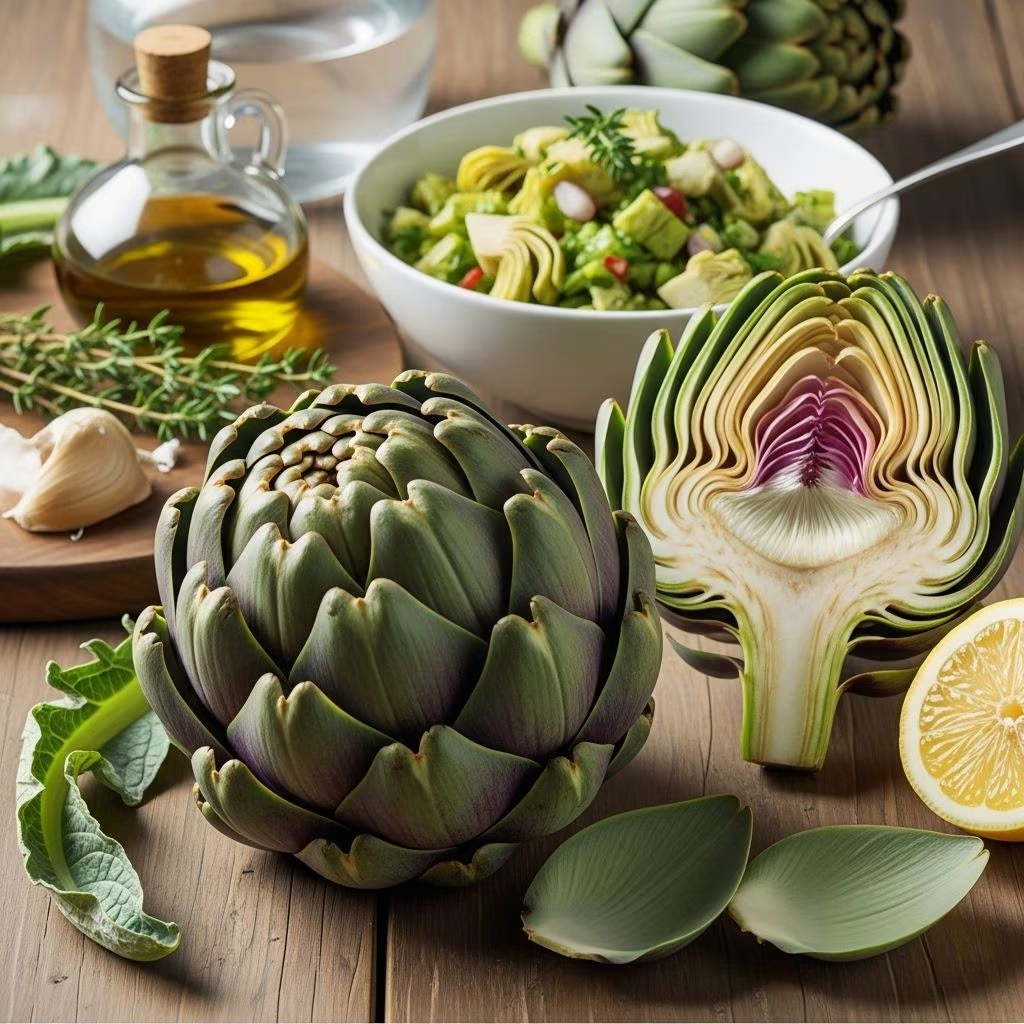
The globe artichoke (Cynara scolymus) stands as a hallmark of Mediterranean cuisine and horticulture. Admired for its unique structure, culinary adaptability, and impressive nutritional attributes, this thistle-derived plant remains a gourmet favorite worldwide. This comprehensive guide explores the globe artichoke’s botany, health benefits, culinary roles, taste, growing methods, common varieties, and answers frequently asked questions.
What Is Globe Artichoke?
The globe artichoke is an edible perennial plant grown primarily for its immature flower buds, which are cherished for their tender texture and subtle nutty flavor. Not to be confused with the Jerusalem artichoke (a tuber-producing plant), the globe artichoke is a member of the Asteraceae (daisy) family and closely related to the thistle.
- Scientific Name: Cynara scolymus
- Family: Asteraceae (daisy/thistle family)
- Native Region: Mediterranean Basin, especially Italy and North Africa
- Primary Edible Parts: The thickened base (heart) and the fleshy lower parts of the bracts (modified leaves)
- Appearance: Unopened buds resemble large, rounded pine cones with pointed, overlapping bracts (see Figure 1b in reference)
Botanical Origin and Description
Botanically, globe artichokes are perennial thistles with robust, silvery-green foliage and multiple flower stalks. The edible “globe” is harvested before it blooms:
- Height & Spread: Plants grow 1.2 to 1.5 meters (4–5 ft) tall and wide
- Foliage: Deeply lobed, serrated leaves with a silvery sheen
- Inflorescence: Buds are globe-shaped with overlapping, triangular, often slightly spined bracts
- Flower: If left unharvested, large bluish-purple, thistle-like blooms up to 15 cm (6 inches) are produced
- Edibility: Only the fleshy bract bases and the receptacle (the “heart”) are edible; the inner part is called the “choke” and is typically discarded before eating
Botanical Classification Table
| Feature | Description |
|---|---|
| Scientific Name | Cynara scolymus |
| Family | Asteraceae (daisy family) |
| Growth Habit | Herbaceous perennial |
| Native Origin | Mediterranean region |
| Edible Parts | Bases of bracts, heart (receptacle) |
| Flower Color | Bluish purple (if not harvested) |
Nutritional Profile
Globe artichokes are both low in calories and dense in nutrients. They provide dietary fiber, vitamins, minerals, and bioactive compounds, making them a valuable addition to a healthy diet.
- Calories: Approximately 60 per medium globe artichoke (cooked)
- Macronutrients: High in dietary fiber, low in fat, moderate in carbohydrates, and small amounts of protein
- Vitamins: Especially rich in vitamins C and K, also contains folate and small amounts of B vitamins
- Minerals: Source of magnesium, potassium, phosphorus, iron, and calcium
- Phytonutrients: Contains polyphenols, flavonoids, and routine, which have antioxidant properties
Nutritional Breakdown Table (per cooked, medium-sized artichoke, approx. 120g)
| Nutrient | Amount |
|---|---|
| Calories | 60 kcal |
| Carbohydrates | 13 g |
| Dietary Fiber | 7 g |
| Protein | 4 g |
| Fat | 0.2 g |
| Vitamin C | 15 mg (25% DV) |
| Vitamin K | 18.4 mcg (23% DV) |
| Magnesium | 50 mg (12% DV) |
| Potassium | 474 mg (10% DV) |
| Folate | 107 mcg (27% DV) |
Health Benefits of Globe Artichoke
Consuming globe artichoke offers a variety of evidence-backed health advantages due to its nutrient density and unique plant compounds:
- Supports Digestive Health: The fiber in artichoke helps maintain bowel regularity and promotes gut health
- Rich in Antioxidants: Contains high levels of polyphenols and flavonoids, which scavenge free radicals and reduce inflammation
- Lowers Cholesterol: Studies indicate that artichoke extracts can help reduce LDL (“bad”) cholesterol while increasing HDL cholesterol
- Improves Liver Function: Cynarin and silymarin, two compounds found in artichokes, may stimulate bile production and promote liver detoxification
- Helps Regulate Blood Pressure: Potassium content aids blood pressure control and heart health
- Supports Blood Sugar Control: Some research suggests artichoke leaf extract may modestly lower postprandial blood sugar levels
- Provides Prebiotics: Inulin, a type of fiber present in artichoke, serves as “food” for beneficial gut bacteria
Culinary Uses of Globe Artichoke
The artichoke is uniquely versatile in the kitchen, used both as a main ingredient and as a flavorful addition to salads, pastas, and other dishes.
Popular Preparation Methods
- Boiled or Steamed: The most common method; whole artichokes are prepared and served with dips like melted butter, vinaigrette, or aioli
- Roasted/Grilled: Brings out natural sweetness and imparts a smoky flavor
- Stuffed: Artichoke hearts or whole buds hollowed and filled with herb mixtures, cheese, breadcrumbs, or meats
- Pickled or Marinated: Hearts marinated in olive oil, vinegar, and spices are popular in antipasto platters
- Raw: Young, tender artichokes can be shaved or sliced raw in salads when thinly cut
Common Culinary Uses
- As a main course: Stuffed artichokes
- As a side dish: Simply steamed or roasted artichokes
- Pasta and risotto dishes
- Pizza and flatbreads: As a topping or in Mediterranean-style preparations
- Soup and stews: Especially in Italian and French cuisine
- Purees and dips: Artichoke heart blended with garlic, lemon, and olive oil
Eating Artichoke: Which Parts Are Edible?
- The bottom portion of each bract (leaf) — scrape gently with the teeth after dipping
- The entire heart and base (“receptacle”) — considered the most prized and flavorful
- The inner choke — usually inedible and fibrous, removed before eating
Taste and Texture
Artichokes offer a subtle, complex flavor with pleasing texture nuances:
- Flavor: Green, nutty, mildly sweet, sometimes slightly tangy; some compare it to asparagus or salsify with overtones of hazelnut
- Texture: Cooked bracts are tender yet slightly fibrous at the base; the heart is rich, smooth, and almost buttery. Raw artichoke (young) is crisp and slightly bitter
- Unique feature: Artichoke contains cynarin, a compound that temporarily alters taste perception, making water or other foods consumed after taste surprisingly sweet
Growing and Harvesting Globe Artichoke
Globe artichoke is grown both as a food crop and for its ornamental, architectural beauty.
- Climate: Prefers mild winters and cool summers (Mediterranean climates are ideal)
- Soil: Well-drained, fertile, and rich in organic matter
- Water: Consistent moisture is crucial, particularly in dry spells
- Propagation: Usually propagated by divisions (offshoots or “crowns”) for reliable results
- Harvesting: Buds are snipped when tight and firm, just before scales begin to separate. If left to flower, the edible qualities decline and striking thistle blooms appear
- Pests: Susceptible to aphids. Biological controls include beneficial insects like ladybugs
Varieties and Selection
There are numerous globe artichoke varieties, each differing in size, color, and bract structure. Popular types include:
- Green Globe: Classic, widely grown, reliable size and flavor
- Violetto: Italian heirloom with purplish bracts; tender and mild
- Big Heart and Imperial Star: Developed for shorter growing seasons and improved yields
When selecting fresh artichokes at markets or stores:
- Choose specimens that are heavy for their size, with tight, compact buds and deep green (or purple) color
- Avoid those with loose, opening, or discolored scales
- The bud should emit a “squeak” when gently pressed, a sign of freshness
Storage and Preparation
- Storage: Fresh artichokes store best unwashed in the refrigerator, ideally near 0–2°C (32–36°F) with >90% humidity
- Consume within 1–2 weeks for optimal flavor and texture
- Preparation: Rinse thoroughly. Snip off thorny tips, trim the stem, remove small lower bracts, and cook whole or split as desired
- To prevent browning, rub cut surfaces with lemon juice
Potential Side Effects and Precautions
- Allergies: Rare, but possible, especially for individuals allergic to daisies or thistles
- Bile Duct Obstruction: Artichoke may stimulate bile flow, so people with certain liver or biliary conditions should consult a healthcare provider
- Digestive Complaints: Large amounts can cause mild gas or digestive discomfort due to fiber and inulin content in sensitive individuals
Frequently Asked Questions (FAQs)
Q: Are globe artichokes and Jerusalem artichokes the same?
A: No. Globe artichoke is a thistle with edible flower buds, while Jerusalem artichoke is a species of sunflower grown for its underground tuber.
Q: What are the best ways to cook globe artichokes?
A: Steaming and boiling are the most common; roasting and grilling add depth. Young, tender artichokes can be enjoyed raw in salads.
Q: Which part of the artichoke is eaten?
A: The soft base of each bract (leaf) and the artichoke heart are edible. The fibrous inner choke is usually removed before eating.
Q: Do artichokes taste sweet?
A: Artichokes have a green, nutty flavor; however, a unique compound (cynarin) can make other foods and water taste sweeter after eating artichoke.
Q: Are canned or jarred artichokes as nutritious as fresh?
A: Canned and jarred artichoke hearts retain many nutrients, though sodium content is usually higher. Fresh artichokes provide the optimum flavor and nutritional value.
Conclusion
The globe artichoke is more than just a gourmet delicacy — it’s a botanical marvel and a nutritional powerhouse. Whether grown for its dramatic appearance or its culinary and health benefits, this ancient Mediterranean thistle deserves a place in modern gardens and kitchens alike. From its subtle, nutty-sweet taste to its myriad uses and robust health profile, the globe artichoke stands as an enduring symbol of flavor, health, and tradition.
References
- https://vtechworks.lib.vt.edu/bitstream/handle/10919/55169/438-108.pdf
- https://www.diy.org/article/globe_artichoke
- https://specialtyproduce.com/produce/Globe_Artichokes_15256.php
- https://aggie-horticulture.tamu.edu/vegetable/guides/specialty-vegetables/globe-artichoke/
- https://en.wikipedia.org/wiki/Artichoke
- https://www.rhs.org.uk/advice/grow-your-own/features/fascinating-facts-globe-artichokes
- https://wilddispensary.co.nz/blogs/news/globe-artichoke-benefits
- https://pmc.ncbi.nlm.nih.gov/articles/PMC11119529/
- https://plants.ces.ncsu.edu/plants/cynara-cardunculus-scolymus-group/


