


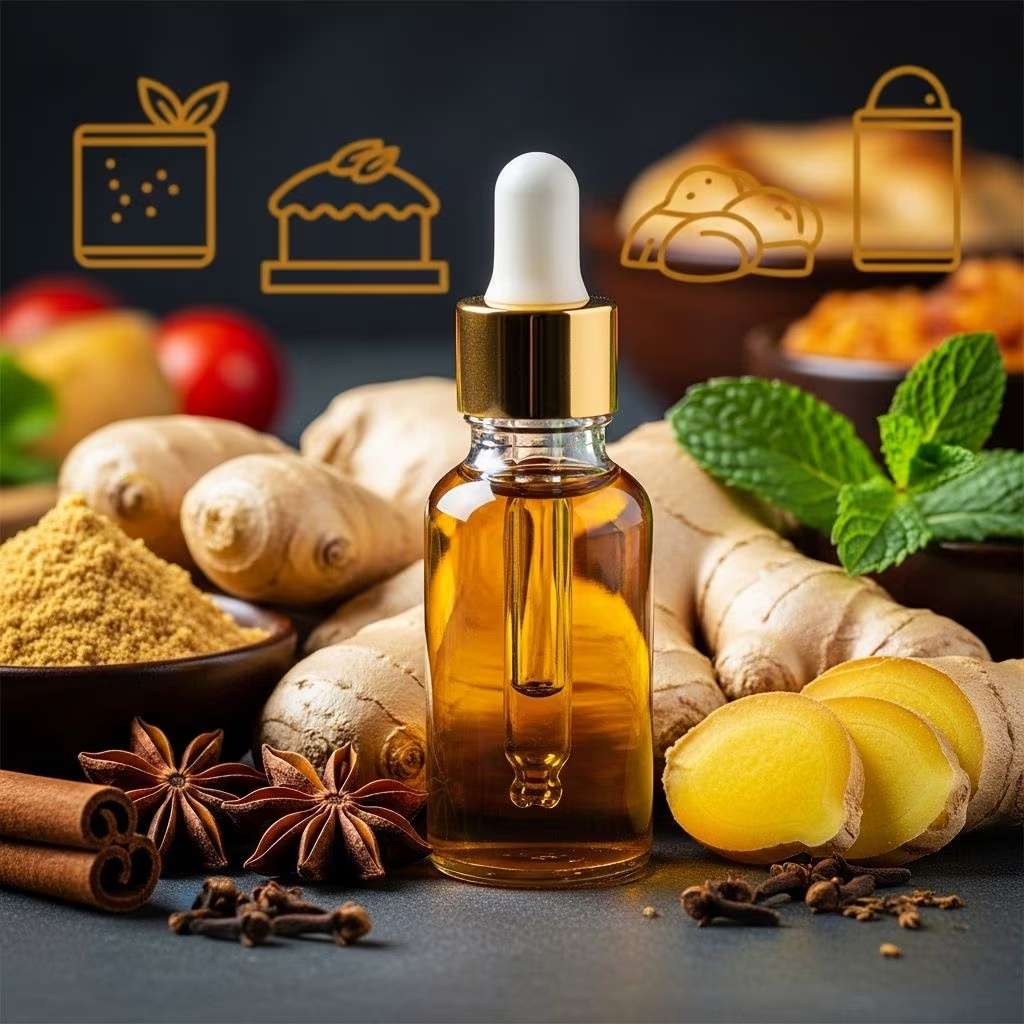
Ginger oleoresin is a powerhouse extract derived from ginger root, capturing the essence of its flavor and bioactive benefits. This guide unpacks the science, sensory appeal, health effects, industrial applications, and practical substitutes of ginger oleoresin for everyone—from curious home cooks to food technologists and wellness enthusiasts.
What is Ginger Oleoresin?
Ginger oleoresin is a thick, dark brown, viscous liquid extract derived from the dried rhizomes of Zingiber officinale, better known as ginger. Unlike simple essential oils, this extract contains both volatile aromatic oils and non-volatile pungent resinous compounds, capturing the full flavor, aroma, and medicinal potential of the ginger root in a single, concentrated form. Its multifaceted composition makes it uniquely valuable across industries and in functional food formulations.
- Method of extraction: Ginger rhizomes are ground and subjected to solvent extraction—typically using food-grade organic solvents or advanced green technologies like supercritical CO2 extraction—to capture the oleoresin.
- Result: The outcome is a potent, shelf-stable flavoring and bioactive agent prized in culinary, wellness, and manufacturing settings.
Composition and Flavor Profile
Ginger oleoresin is so valuable because it preserves the “full spectrum” of ginger’s chemical actives:
- Volatile oil fraction: Provides the warm, spicy, zesty aromatic character of fresh ginger. Main component: zingiberene.
- Pungent non-volatile resin: Supplies the classic heat and lingering warmth, dominated by gingerols and shogaols.
- Other actives: Includes zingerone, paradols, and various antioxidants.
Sensory notes of ginger oleoresin:
- Very aromatic; reminiscent of crushed fresh ginger with a deeper, smoky undertone.
- Pungent heat develops on the palate and lingers.
- Hints of citrus, wood, camphor, and sweet warmth.
This concentrated essence makes even tiny quantities effective for flavoring foods and beverages or lending bioactivity to supplements and wellness products.
Key Benefits of Ginger Oleoresin
- Rich in Bioactive Compounds: High in gingerols, shogaols, and other antioxidants with anti-inflammatory and antimicrobial actions.
- Natural, Clean-Label Ingredient: Well suited for modern consumers seeking plant-based, minimally processed, and recognizable ingredients in food and health products.
- Enhanced Shelf Life & Stability: Compared to dried ginger or ginger oil, oleoresin is less prone to oxidation, maintaining flavor and potency over time.
- Culinary Versatility: Acts as a robust flavoring in snack foods, sauces, beverages, confectionery, and spice blends.
- Medical and Wellness Applications: Ginger oleoresin is correlated with traditional remedies for digestive discomfort, nausea, inflammation (such as arthritis), and immune support.
- Cost-Efficient: Its high concentration means small doses deliver full impact, reducing ingredient cost for manufacturers and home cooks alike.
Culinary and Industrial Uses
Thanks to its potent properties and stability, ginger oleoresin is used across a spectrum of sectors. Here’s where it shines:
- Food & Beverages: Adds depth and warmth to spice blends, marinades, dressings, pickles, candies, soft drinks, alcoholic beverages, and baked goods.
- Pharmaceuticals: Incorporated into formulations for digestive health, antiemetic (anti-nausea) applications, and pain relief for joints and headaches.
- Dietary Supplements: Used in capsules and functional foods for purported anti-inflammatory, antioxidant, and immunity-boosting benefits.
- Cosmetics & Perfumery: Featured in massage oils, skin creams, shampoos, and aromatic products for its warming and tonifying effects.
- Aromatherapy: Added to diffusers or therapeutic massage blends for stress relief and emotional wellness.
Specific Applications
- Snack foods: Chips, nuts, and crackers spiced with ginger oleoresin for an earthy kick.
- Beverages: Cola, root beer, ginger ale, tonics, and wellness drinks.
- Sauces & marinades: BBQ sauces, Asian stir-fry sauces, and chutneys.
- Pharmaceutical syrups: Cough and cold remedies utilizing ginger’s warming, soothing qualities.
- Massage oils & balms: For muscle warmth and joint comfort.
Extraction Methods and Quality
The effectiveness and purity of ginger oleoresin depend on its extraction method:
- Traditional solvent extraction: Yields a full-spectrum oleoresin capturing both volatile and non-volatile components.
- Green extraction techniques: Recent innovations use supercritical CO2, ultrasound, or enzyme-assisted methods to avoid chemical residues and preserve delicate actives.
- Encapsulation: New formulations may coat or emulsify the oleoresin to enhance solubility and stability in food matrices.
Quality indicators for culinary or medicinal-grade ginger oleoresin include:
- Rich, spicy, and fresh aroma—no burnt or chemical off-notes.
- Viscous consistency with deep brown color.
- Assayed composition of gingerol and shogaol content (higher values correlate with strength).
- Certificates of analysis for purity, solvent residues, and microbial safety for food-grade products.
Safety and Dosage Considerations
When used as a food ingredient, ginger oleoresin is generally regarded as safe. However, due to its high potency:
- Use sparingly: Only a drop or a fraction of a teaspoon is needed in most recipes.
- Therapeutic doses: Consult a professional for guidance in supplement or medicinal use, especially for children, pregnant people, or those on medication.
- Potential side effects: Large amounts may cause digestive upset, heartburn, or mild allergic reactions in sensitive individuals.
- Allergen statement: While rare, some individuals may react. Always start with a minimal dose to test tolerance.
Easy Substitutes for Ginger Oleoresin
Need ginger’s bold flavor or functional qualities but don’t have oleoresin on hand? The following options work in various applications:
- Fresh ginger root: Most natural substitute, best for beverages, curries, and baking. Use about 6–10x more by weight or volume than oleoresin.
- Dried ground ginger (powder): Good for dry spice blends, cookies, cakes. Use about 3–5x the amount of oleoresin.
- Ginger essential oil: Potent aroma, but not as full-spectrum; use at very low doses—1 drop of oil for every 4–5 drops of oleoresin, when suitable for food use (ensure food-grade quality).
- Ginger juice or puree: For marinades and dressings, use at higher volumes for flavor and mouthfeel.
- Other root extracts: Galangal or turmeric oleoresin can provide warmth and a similar earthy profile, but with different nuances.
Note: Always adjust quantities to taste, as potency and flavor profiles vary significantly between substitutes.
Comparison Table: Ginger Oleoresin and Its Substitutes
| Substitute | Form | Flavor Intensity | Best Uses | Conversion Ratio to Oleoresin |
|---|---|---|---|---|
| Ginger Oleoresin | Viscous extract/liquid | Very strong, full-spectrum | Food, supplements, cosmetics | 1 (reference) |
| Fresh Ginger Root | Whole root, grated | Natural, aromatic, less pungent | Beverages, stir-fries, baked goods | Use 6–10x volume |
| Ground Ginger | Dry powder | Mild, warm, less aromatic | Cakes, cookies, spice blends | Use 3–5x mass |
| Ginger Essential Oil | Thin oil | Sharp aroma, less full flavor | Candies, beverages (food-grade only) | Use 1:4 ratio by drops |
| Ginger Juice/Puree | Liquid/paste | Fresh, mild heat | Dressings, marinades | Use 8–10x volume |
| Galangal/Turmeric Oleoresin | Viscous extract/liquid | Earthy, spicy (not true ginger) | Regional spice blends | Use at equal amounts (adjust for flavor) |
Buying and Storing Ginger Oleoresin
- Purchase from reputable sources: Look for food-grade, solvent-free, and certified products for culinary or wellness use.
- Storage: Keep in a tightly sealed bottle away from direct sunlight and heat. Proper storage extends shelf life and preserves volatile aroma compounds.
- Shelf life: When stored cool and dry, ginger oleoresin can stay potent for 1–2 years.
Frequently Asked Questions (FAQs)
Q: Can I use ginger oleoresin in home cooking?
A: Yes, but use a tiny amount since it is highly concentrated—usually a drop or two per batch of food or drink is sufficient.
Q: Is ginger oleoresin safe for children or pregnant individuals?
A: Ginger is traditionally considered safe, but due to the potency of oleoresin, consult a healthcare professional before using it in high doses for children or during pregnancy.
Q: Are all ginger extracts the same as oleoresin?
A: No. While ginger powder, juice, or essential oil all come from the same root, ginger oleoresin is unique for its complete spectrum of flavor and actives, combining both volatile aromas and pungent resins.
Q: How does ginger oleoresin differ from ginger essential oil?
A: Ginger essential oil contains only volatile aroma compounds, while oleoresin includes both the volatile and non-volatile (pungent) fractions—making it much stronger and more holistic.
Q: What’s the best way to substitute for ginger oleoresin in a recipe?
A: Use fresh ginger, ground ginger, or ginger juice as your substitute, adjusting the quantity upward due to ginger oleoresin’s far higher potency. Refer to the comparison table above for ratios.
Q: Can I make ginger oleoresin at home?
A: Not easily—making true oleoresin requires specialized solvent extraction or CO2 extraction methods and careful separation, which are not practical for home kitchens.
Conclusion
Ginger oleoresin stands out as the most concentrated, shelf-stable, and versatile extract of the ginger root. Its rich flavor and broad health-promoting applications make it invaluable in food, supplements, wellness, and cosmetic industries. With awareness of its potency and suitable substitutes, both culinary professionals and home cooks can harness ginger’s fiery warmth and myriad benefits with confidence.
References
- https://www.bosnatural.com/ginger-oleoresin-the-potent-extract-for-flavor-and-wellness/
- https://www.ncbi.nlm.nih.gov/books/NBK92775/
- https://pubmed.ncbi.nlm.nih.gov/40544325/
- https://www.hbnobulk.com/blogs/natural-essential-oils/oleoresin-unleashing-the-power-of-nature-s-potent-extracts
- https://manekancor.com/spice-oleoresins/ginger-oleoresins
- https://nutrioriginal.com/ginger-extract-reimagined-why-direct-ethanol-extraction-matters/
- https://caringsunshine.com/ingredients/ingredient-ginger-oleoresin/


