


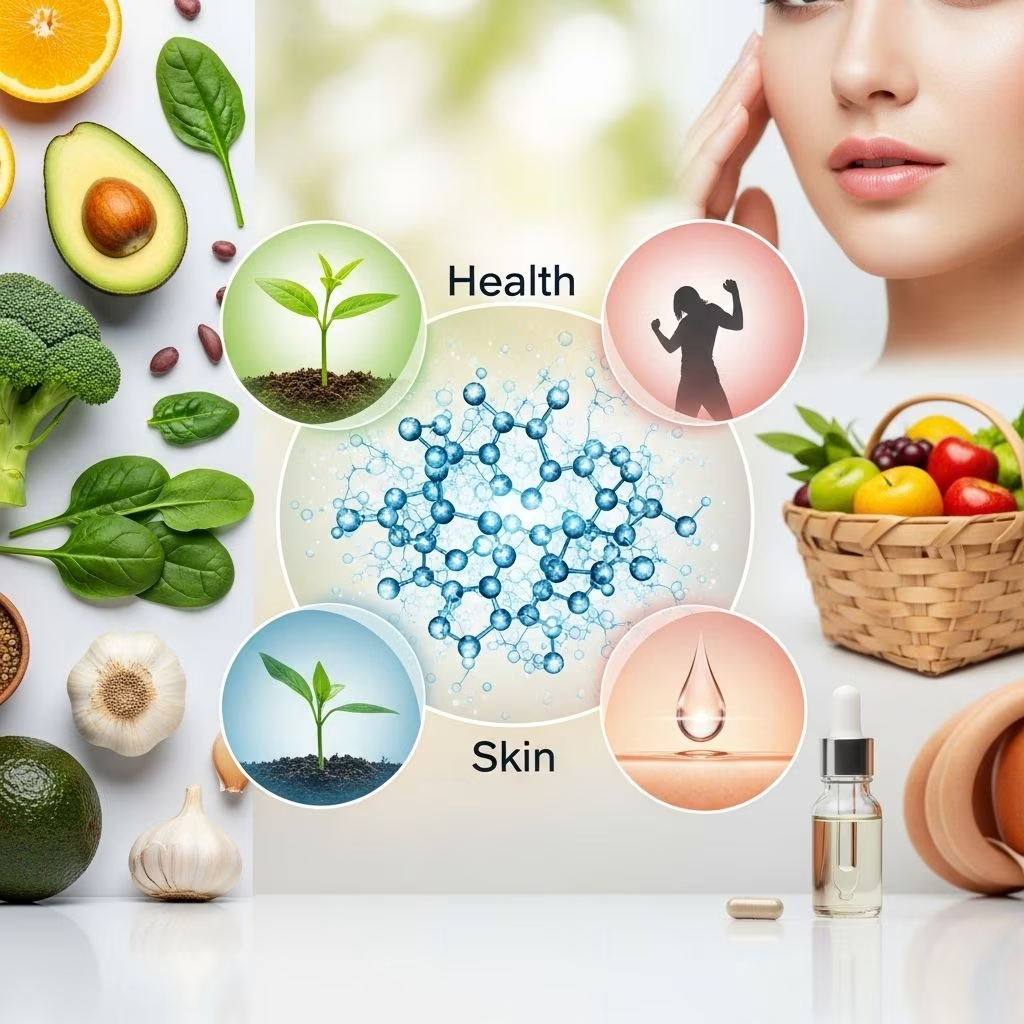
Glutathione is celebrated in the health and wellness community as one of the body’s most powerful intrinsic antioxidants. It plays diverse roles in metabolism, detoxification, immunity, and beauty, with growing interest in its therapeutic and cosmetic uses. In this article, we explore glutathione’s science, health benefits, mechanisms of action, uses in medicine and skincare, supplementation, and even its taste profile. You’ll also find answers to common questions and a detailed table of contents for easy navigation.
Introduction to Glutathione
Glutathione is a tripeptide—a small protein composed of three amino acids (glutamine, cysteine, and glycine). Its presence is ubiquitous across nearly every cell in the human body, where it serves essential antioxidant functions. Glutathione’s unique feature is its ability to donate electrons and neutralize free radicals, thus protecting cells from oxidative stress and environmental insults.
- Glutathione is often referred to as ‘the master antioxidant’ due to its central role in reducing oxidative stress.
- It is naturally produced in the liver, but also found throughout the nervous system, muscles, and skin.
- Glutathione is critical for cell survival, DNA synthesis and repair, protein and enzyme function, and immune regulation.
Chemistry & Mechanism of Glutathione
Glutathione exists in two main forms in the body:
- Reduced glutathione (GSH): The active antioxidant form.
- Oxidized glutathione (GSSG): The inactive form, recycled back via enzymatic reactions.
Glutathione cycles between these forms, neutralizing harmful molecules—including reactive oxygen species (ROS)—and supporting overall cellular homeostasis.
| Form | Role in Body | Key Reaction |
|---|---|---|
| Reduced (GSH) | Protects cells; antioxidant action | Electron donor to neutralize free radicals |
| Oxidized (GSSG) | Expelled or recycled | Converted back to GSH by glutathione reductase |
Core Health Benefits of Glutathione
Research confirms several critical roles and benefits of glutathione:
- Powerful Antioxidant Protection: Glutathione is central to defending cells against oxidative damage, which underlies aging and chronic diseases like diabetes, cancer, and arthritis.
- Support for Detoxification: The liver relies on glutathione to transform and expel toxins, drugs, and metabolic waste. Adequate levels are essential for healthy detoxification.
- Immune Function Enhancement: Glutathione influences both innate and adaptive immunity, helping the body resist infections and recover from illness.
- Improvement in Energy Metabolism: Cellular energy production and mitochondrial function depend on adequate glutathione.
- Reduces Cell Damage in Liver Diseases: In liver conditions (including MASLD and alcoholic liver disease), glutathione levels are decreased; supplementation can improve outcomes.
- Potential Anti-Inflammatory and Autoimmune Regulation: Glutathione modulates inflammation, which benefits conditions like psoriasis, rheumatoid arthritis, and ulcerative colitis.
- May Help Improve Insulin Resistance: There’s evidence suggesting glutathione improves insulin sensitivity, relevant for diabetes risk management.
- May Slow Cancer Progression: Some studies indicate glutathione could support the body in slowing cancer cell growth.
These functions establish glutathione as a cornerstone in human health — for disease prevention, longevity, and recovery.
Glutathione for Skin Health
Glutathione’s skin benefits have gained considerable popularity, particularly in the cosmetic and dermatology sectors. Its effects include:
- Hyperpigmentation Reduction: Inhibits melanin production, lightening dark spots, age spots, and post-acne hyperpigmentation.
- Anti-inflammatory Effects: Reduces redness and irritation in skin conditions like acne, eczema, and psoriasis.
- Detoxification for Skin Clarity: By helping the body clear toxins, glutathione can improve skin brightness and clarity.
- Anti-aging Benefits: Counteracts oxidative stress, reducing visible signs of aging such as wrinkles and fine lines.
- Reduces Acne Scars and Blemishes: Promotes healing of scars, contributing to even skin tone.
- Supports Smoother, Hydrated Skin: Enhances skin texture and moisture.
Glutathione is present in many creams, serums, and oral supplements marketed for brighter and healthier skin. However, results may vary, and long-term safety should be considered.
Table: Key Glutathione Benefits for Skin
| Benefit | Description |
|---|---|
| Hyperpigmentation Reduction | Inhibits melanin; lightens dark spots |
| Anti-inflammatory Effects | Reduces acne, eczema, psoriasis symptoms |
| Detoxification | Supports toxin elimination, clearer skin |
| Anti-aging | Reduces fine lines, wrinkles, and sagging |
| Smooth Texture | Improves hydration, evenness |
Medical Uses & Therapeutic Applications
Glutathione’s clinical utility extends beyond general health maintenance, into medical treatment for:
- Liver Disease: Oral and IV glutathione demonstrate benefits in MASLD, alcoholic liver disease, and acetaminophen overdoses.
- Psoriasis & Inflammatory Conditions: Boosting glutathione levels can alleviate symptoms by reducing oxidative stress, especially when used in combination therapy.
- Autoimmune Disorders: Supports the management of psoriasis, rheumatoid arthritis, lupus, alopecia, and multiple sclerosis through immune modulation.
- Metabolic Dysfunction: May improve insulin resistance and mitochondrial performance in chronic conditions.
Special Note: Autism and Aging Claims
Some sources suggest glutathione may benefit children with autism or help slow down the aging process, but evidence is limited and further studies are required for definitive conclusions.
Sources, Supplementation, and Dosage
Glutathione is naturally synthesized in the body, but can also be supplied through diet and supplementation:
Dietary Sources
- Fresh fruits and vegetables: Spinach, avocado, asparagus, okra, tomatoes.
- Proteins: Lean meats, eggs, dairy.
- Sulfur-rich foods: Broccoli, garlic, onions, cauliflower.
Supplementation
- Oral supplements (tablets, capsules)
- Liposomal glutathione for improved absorption
- Intravenous and intramuscular injections (for medical use and rapid effect)
The optimal dose depends on individual goals and health conditions. Studies suggest a range from 300 mg to 600 mg daily, but higher doses may be used under medical supervision. Oral bioavailability may vary; liposomal forms or co-administered precursors (N-acetylcysteine) are sometimes preferred.
What Does Glutathione Taste Like?
Glutathione’s taste is often described as mildly bitter and sulfurous, reminiscent of certain amino acids or sulfur-rich vegetables like broccoli and garlic. It is not considered palatable for most people; thus, supplements are generally coated or masked with flavoring agents. The flavor profile is rarely a limiting factor for its use but may be noted in direct oral powder forms and some enriched foods.
Safety, Side Effects, and Precautions
Glutathione is regarded as safe for most adults when taken in appropriate doses. However, potential side effects and considerations include:
- Allergic reactions: Rare but possible, especially with injectable forms.
- Gastrointestinal upset: Nausea, abdominal cramps, or diarrhea have been reported in some users.
- Skin reactions: Rashes and allergic dermatitis in sensitive individuals.
- Unknown long-term risks: Minimal data on chronic, high-dose supplementation.
Consult a healthcare professional before starting supplementation, especially for children, pregnant or nursing women, and individuals with chronic diseases.
Frequently Asked Questions (FAQs)
Q: Who can benefit from glutathione supplements?
A: People experiencing oxidative stress, chronic inflammation, liver conditions, or wishing to improve skin clarity may benefit. Those on medications affecting liver function may also require enhanced support.
Q: Is glutathione better taken orally or by injection?
A: Bioavailability is higher with IV or IM (injectable) forms, but oral forms are more convenient. Liposomal glutathione increases absorption and is preferred for general supplementation.
Q: Can glutathione lighten skin permanently?
A: Glutathione helps inhibit melanin production and lighten skin temporarily. Its effects depend on sustained use; discontinuation can lead to return of pigmentation.
Q: Are there foods that naturally boost glutathione?
A: Yes. Foods high in sulfur such as garlic, onions, and cruciferous vegetables support internal glutathione synthesis.
Q: Is glutathione safe for children?
A: Its safety in children is not conclusively established. Medical supervision is essential for pediatric use, especially in clinical contexts.
Summary & Takeaways
Glutathione is an essential, endogenous antioxidant with profound implications for health, anti-aging, and dermatology. From its capacity to reduce oxidative stress and support liver detoxification to its popularity as a skin-lightening agent, glutathione’s versatility is supported by ongoing scientific investigation. For most adults, it is well-tolerated in moderate doses—though professional guidance is advised for therapeutic or long-term use. When considering supplements, combine glutathione-rich foods and evidence-based products for maximum impact.
References
- https://drsabrina.com/blogs/skin-care/glutathione-benefits-for-skin-and-side-effects
- https://citynaturopathic.ca/benefits-of-glutathione/
- https://www.healthline.com/health/glutathione-benefits
- https://www.medicalnewstoday.com/articles/323936
- https://www.webmd.com/vitamins-and-supplements/glutathione-uses-risks
- https://www.pharmacist.com/Blogs/CEO-Blog/glutathione-to-reverse-aging
- https://pmc.ncbi.nlm.nih.gov/articles/PMC10141022/
- https://www.uclahealth.org/news/article/ask-the-doctors-what-do-glutathione-supplements-do


