


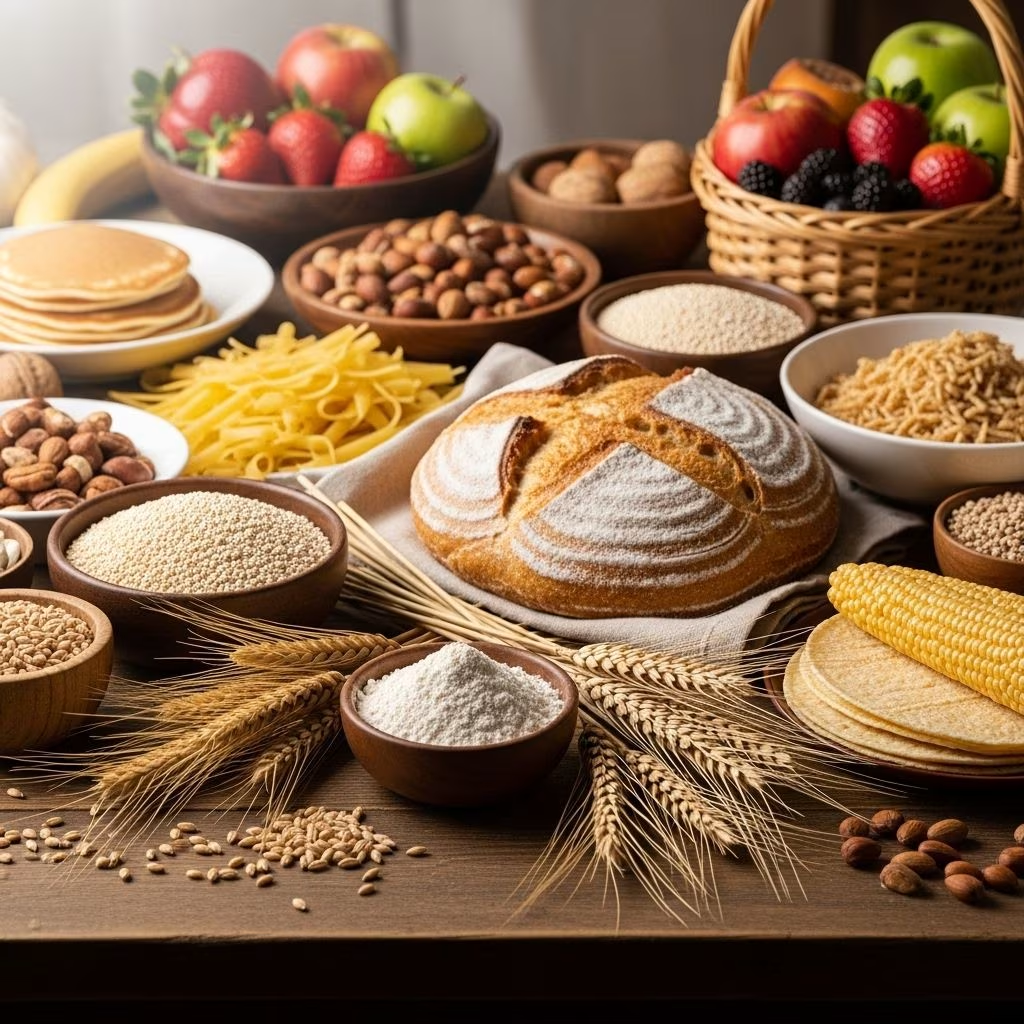
Gluten is a dietary term that has gained remarkable attention in recent years. It is fundamental to the structure and texture of many foods, yet also controversial due to associated health issues. This article explores gluten’s definition, chemical attributes, health implications, culinary uses, and its influence on taste, equipping readers with a holistic view of this multifaceted protein.
Definition of Gluten
Gluten is a structural protein complex naturally found in certain cereal grains. It mainly refers to the elastic network of wheat grain proteins—gliadin and glutenin—that forms when water is added to flour and kneaded, especially in bread dough. This process allows gluten to develop its unique viscoelasticity, which is essential for the structure of many baked goods.
Scientific Composition
Gluten is not a single protein but a complex mixture of related proteins:
- Gliadins: Responsible for dough’s extensibility and ability to rise.
- Glutenins: Provide elasticity and overall strength to dough.
- Similar proteins are present in related grains, such as hordein (barley), secalin (rye), and avenins (oats)—these are collectively referred to as gluten in non-specialist contexts.
Together, gliadin and glutenin make up roughly 75–85% of the total protein in bread wheat, forming a network that is heat-stable, resilient, and essential for many food textures.
Common Sources of Gluten
- Wheat varieties (including common wheat, durum, spelt, khorasan, emmer, einkorn)
- Barley
- Rye
- Some oat cultivars (though typical oats are often processed in a gluten-free environment)
- Triticale (a hybrid of wheat and rye)
Gluten-containing grains are staple foods in many diets, providing a significant portion of daily protein intake .
Functional Properties in Food
Gluten’s value comes from its physical and chemical functions in food:
- Elasticity and flexibility: Forms stretchable dough vital for bread quality and other baked items.
- Viscoelastic and adhesive properties: Allow the dough to capture fermentation gases, promoting rise and structure during baking.
- Texture: Provides chewiness and a satisfying mouthfeel to baked goods.
- Binding and extending agent: Used in processed foods for improved moisture retention and texture, as well as flavor enhancement.
The proteins are heat stable and maintain their network even after baking or cooking, which is why bread and pasta hold their structure so well .
Dietary Benefits
For most of the population, gluten provides important nutrition. Its benefits include:
- High protein content: Gluten makes up the bulk of wheat’s protein, which is a significant part of daily protein intake in diets that rely on cereal grains.
- Micronutrients: Gluten-containing grains often supply fiber, iron, B vitamins, zinc, magnesium, and calcium . Removing gluten from the diet can reduce these nutrients, as gluten-free alternatives are frequently fortified or processed differently, sometimes lowering their nutritional value.
Dietary fiber in wheat and related grains supports digestive health, maintains satiety, and provides prebiotics for gut bacteria. Gluten’s protein matrix slows down starch digestion, promoting steadier blood sugar levels after meals.
Uses in Food and Non-Food Industries
Gluten’s versatility goes beyond bread-making. Notable uses include:
- Food industry:
- Bread, pasta, pastry dough, and pizza.
- Cereal bars, processed meats, soups, and sauces often use gluten or wheat proteins as binders or thickeners.
- Gluten is added to plant-based meat substitutes to create a chewy, realistic texture (such as seitan).
- Non-food industry:
- Gluten is used for its adhesive properties in pet foods, pharmaceuticals, and packaging.
Its relatively low cost and effectiveness make it invaluable across multiple sectors .
Gluten and Health
The majority of people digest gluten without problems, but certain individuals face adverse reactions that range from mild sensitivity to severe autoimmune disease:
- Celiac Disease: An autoimmune disorder where gluten damages the small intestine, affecting 1–2% of the population. Symptoms include diarrhea, abdominal pain, fatigue, malnutrition, and more. Complete gluten avoidance is the only treatment .
- Non-Celiac Gluten Sensitivity: Occurs in 0.5–13% of people. It causes digestive and sometimes neurological symptoms (headaches, fatigue, anxiety) without autoimmune markers.
- Dermatitis Herpetiformis: A skin condition triggered by gluten that causes itchy, blistering rashes .
- Gluten Ataxia and Neurological Disorders: Rare autoimmune responses affecting the nervous system .
Symptoms and severity vary; only medical diagnosis can distinguish among celiac disease, gluten sensitivity, and wheat allergy. For those affected, even trace amounts of gluten can cause significant harm, making label-reading and FDA-regulated gluten-free standards crucial.
| Condition | Prevalence (%) | Main Symptoms | Treatment |
|---|---|---|---|
| Celiac Disease | 1-2 | Digestive distress, malabsorption, fatigue | Strict gluten-free diet |
| Non-Celiac Gluten Sensitivity | 0.5-13 | Bloating, headaches, fatigue, abdominal pain | Gluten avoidance |
| Dermatitis Herpetiformis | Rare | Rash, itching, blisters | Gluten-free diet |
Taste and Texture of Gluten
Gluten itself is nearly tasteless but exerts powerful influence over food characteristics:
- Texture: The gluten network traps gases produced during leavening, imparting a light, airy crumb and chewy mouthfeel to artisan breads, pizza, and pasta .
- Structure: Maintains the integrity and shape of baked goods, preventing them from collapsing.
- Taste Perception: While gluten does not directly contribute flavor, its ability to retain moisture intensifies flavors and aromas in foods.
Alternative flours like rice or corn lack gluten’s network, resulting in denser, crumblier baked goods that require other binders or additives to approximate traditional texture and bite.
Gluten-Free Trends & Myths
The rise of gluten-free diets has generated considerable debate and misinformation:
- Gluten-free does not mean healthier: Many gluten-free products are lower in fiber, B vitamins, iron, and may contain more sugar, fat, or sodium to compensate for texture and taste .
- Weight loss: Eliminating gluten does not guarantee weight loss; it may actually reduce diet quality for those without medically diagnosed gluten-related conditions .
- Myth-busting:
- Organic foods may still contain gluten unless specifically labeled otherwise.
- Gluten intolerance and sensitivity are not simply diet trends or fads; they are real, medically recognized conditions.
- Nutrition labels and gluten-free emblems are regulated by authorities to ensure product safety for sensitive individuals .
For people with celiac disease or wheat allergy, removing gluten is essential. For others, including gluten-containing whole grains can contribute to balanced, nutrient-rich diets.
Frequently Asked Questions (FAQs)
Q: Is gluten bad for everyone?
A: No. Gluten is safe for the majority of people and is a valuable part of staple diets unless there is a medical need to avoid it, such as celiac disease or diagnosed sensitivity.
Q: What foods contain gluten?
A: All wheat varieties, barley, rye, and some oats (depending on processing contamination) contain gluten. This includes breads, pastas, cereals, and many processed foods.
Q: What does gluten do in baking?
A: Gluten develops dough structure, elasticity, and chewiness, trapping gases released during leavening for airy baked goods.
Q: If I do not have celiac disease, should I go gluten-free?
A: Only if recommended by a healthcare professional. For most people, gluten-containing foods are nutritious and beneficial.
Q: Are gluten-free foods healthier?
A: Not necessarily. Many gluten-free foods are lower in fiber, vitamins, and minerals, and may be higher in fats and sugars to improve taste and texture.
Q: How can I identify gluten-free products?
A: Look for official gluten-free labels, regulated by food authorities. Always read ingredient lists to check for hidden gluten sources.
Conclusion
Gluten is a complex protein that plays a pivotal role in the culinary and nutritional worlds. Its unique properties provide structure, texture, and elasticity to some of the world’s favorite foods. While gluten poses health concerns for a small segment of the population, most benefit from its nutritional contributions. Understanding gluten empowers informed choices about food and health.
References
- https://en.wikipedia.org/wiki/Gluten
- https://pubmed.ncbi.nlm.nih.gov/28244676/
- https://extension.usu.edu/nutrition/research/what-is-gluten
- https://www.frontiersin.org/journals/nutrition/articles/10.3389/fnut.2019.00101/full
- https://celiac.org/gluten-free-living/what-is-gluten/
- https://www.ift.org/career-development/learn-about-food-science/food-facts/gluten
- https://www.henryford.com/Blog/2018/09/Everything-You-Need-To-Know-About-Gluten
- https://www.fda.gov/food/nutrition-education-resources-materials/gluten-and-food-labeling
- https://www.kingarthurbaking.com/blog/2021/08/18/a-beginners-guide-to-gluten


