


Introduction
For centuries, goose fat has held a cherished spot in European culinary traditions, noted not only for its rich flavor and luxurious texture but also for its versatility in the kitchen. Whether roasted, baked, fried, or used as a spread, goose fat elevates ordinary ingredients to gourmet status. In this comprehensive guide, we’ll explore what goose fat is, its health benefits, multiple culinary uses, and why its taste stands out among premium cooking fats.
What Is Goose Fat?
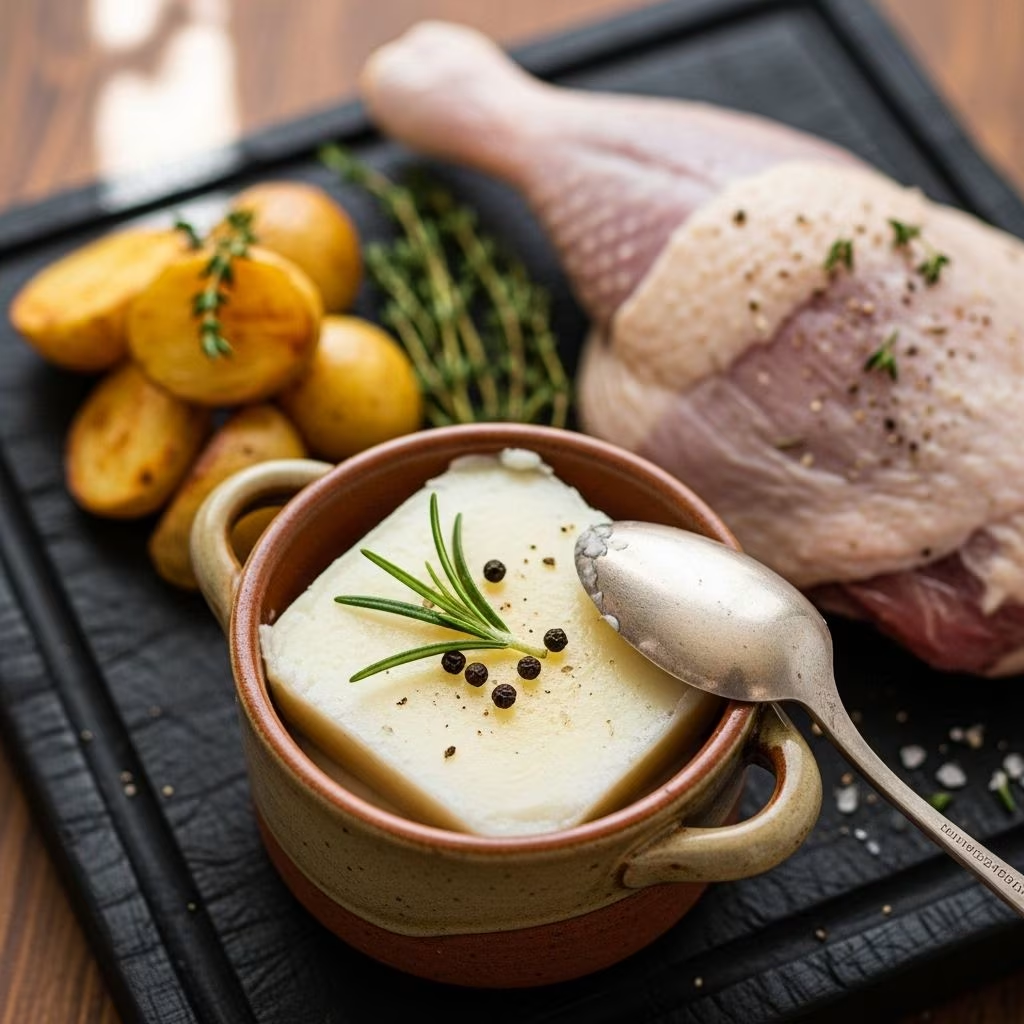
Goose fat is the rendered fat obtained from geese, traditionally collected during the cooking or roasting process. Known for its smooth, spreadable texture at room temperature and a high smoke point of about 375°F (190°C), goose fat is available in shades ranging from pale “blonde” to deep brown, depending on how it’s rendered and the bird’s diet.
Unlike many seed or vegetable oils, goose fat is an animal-derived fat similar to duck fat, lard, or tallow. In the culinary world, goose fat is especially prized for refining recipes that require extra richness and depth of flavor.
- Source: Mainly obtained during roasting or by rendering trimmed goose skin and visceral fats.
- Texture: Soft and spreadable; can be used cold like butter.
- Color: Ranges from creamy blonde to light brown.
- Storage: Lasts for months in the fridge, even longer in the freezer.
Historical and Cultural Significance
Goose fat’s heritage stretches across various European cuisines, notably French, German, and British, where it’s a staple for festive dishes and traditional techniques like confit and roasting potatoes. Once considered a household essential, goose fat is regaining popularity thanks to the rise of gourmet cooking and greater appreciation for classical techniques.
Nutritional Benefits of Goose Fat
Despite being an animal fat, goose fat contains a more favorable balance of fatty acids compared to some other animal-derived options.
| Fat Type | Approximate Percentage in Goose Fat | Health Impact |
|---|---|---|
| Monounsaturated fat | ~55% | May support heart health |
| Saturated fat | ~30% | Higher than vegetable oils but lower than butter |
| Polyunsaturated fat | ~10–15% | Essential fatty acids |
The higher concentration of monounsaturated fats, which are also found in olive oil, gives goose fat a ‘healthier’ profile among animal fats. Here are some potential benefits:
- Supports cardiovascular health due to a higher ratio of monounsaturated fats.
- Less saturated fat than butter or beef tallow.
- Contains trace nutrients such as vitamin E and choline.
- Often used in moderate amounts, as its flavor means less is needed for cooking.
However, as with all animal fats, moderation is advised, and dietary choices should consider overall fat intake and health goals.
Other Practical Benefits
- High smoke point: At around 375°F (190°C), it’s ideal for frying and roasting.
- Long shelf life: Goose fat stores well in the fridge and freezer.
- Economical: Since the flavor is intense, smaller amounts deliver robust results, helping make it a cost-effective choice.
Culinary Uses of Goose Fat
Goose fat’s unique properties open doors to a vast array of culinary applications, ranging from traditional French dishes to innovative snacks.
Classic and Creative Uses
- Roasting potatoes: The most famous use—goose fat gives potatoes an unmatched crisp crust and fluffy center.
- Sautéing and frying: Substitutes for oil or butter for sautéing vegetables or frying eggs, imparting a subtle, luxurious depth to everyday foods.
- Pastry making: Use in pie crusts, tarts, and savory baked goods for extra flakiness and richness.
- Vegetable roasting: Roots and green vegetables like carrots, parsnips, and brussels sprouts excel with a goose fat finish.
- Confit: Essential for duck or goose confit—slow cooking and preserving meats in their fat for tender, flavorful results.
- Frying: Ideal for high-heat applications like fried chicken, French fries, or even morning eggs.
- Soups and stews: Stir in a spoonful for added complexity and mouthfeel.
- Gourmet popcorn: Popcorn cooked in goose fat takes on a delightfully rich note.
- Spreads: Spread cold on bread as a rustic European treat.
- Leftover crisping: Recrisp roasted goose meat or poultry leftovers.
- Snacks: Use rendered ‘cracklings’ as salad toppers or savory snacks.
How Much Goose Fat Can You Render?
A typical store-bought goose weighing around 12 lbs yields roughly 2 to 3 lbs of fat from skin and internal trimmings. This amount can result in 1.5–2 quarts of golden goose fat, with extra crispy cracklings as a bonus.
Recipes Featuring Goose Fat
- Goose Fat Roasted Potatoes: Toss parboiled potatoes in melted goose fat, season liberally, and roast at high heat for perfection.
- Vegetable Confit: Slow-cook carrots or garlic in goose fat for exquisite results.
- Pie Crusts: Substitute half the butter with goose fat in pastry dough for unbeatable flakiness.
- French Fries: Fry slices or batons in goose fat for the ultimate crispy exterior.
- Eggs and Greens: Fry eggs or sauté greens for a gourmet breakfast.
Taste Profile: What Does Goose Fat Taste Like?
Goose fat delivers a distinctive, rich flavor that stands apart from other cooking fats. Its taste is frequently characterized as gently sweet, yet deeply savory, capable of adding real complexity to both hearty and delicate foods. Here are its defining taste notes:
- Rich: Adds luxury and depth to recipes.
- Slightly sweet: Lends subtle undertones without overpowering.
- Umami: Boosts savoriness and rounds out flavors.
- Clean finish: Goose fat doesn’t leave a heavy or greasy aftertaste when used appropriately.
When properly handled, the flavor complements roasted, baked, or fried foods, making them taste “gourmet.” Too much, however, can result in greasiness; moderation is key.
How to Render and Store Goose Fat
Rendering Process
- Trim skin and excess fat: Remove raw fatty tissues and skin from the goose before roasting.
- Cut into chunks: Chop into even pieces.
- Heat gently: Place pieces in a saucepan or oven-proof dish, and heat over low to medium heat. Fat will melt and separate from solids.
- Strain: Pour through a fine sieve or cheesecloth into a clean jar to remove cracklings.
Storing Goose Fat
- Refrigerator: Goose fat lasts for several months when kept chilled in an airtight container.
- Freezer: For longer storage, freeze in small portions. It can last a year or more.
Always use clean utensils to avoid contamination, and keep the fat away from moisture.
Comparing Goose Fat to Other Cooking Fats
| Fat | Smoke Point | Flavor Profile | Saturated Fat | Common Culinary Uses |
|---|---|---|---|---|
| Goose fat | 375°F/190°C | Rich, slightly sweet, savory | ~30% | Roasting, frying, confit, pastry |
| Butter | 300°F/150°C | Sweet, creamy | ~50–60% | Baking, sautéing, sauces |
| Olive oil | 390°F/200°C | Fruity, grassy | ~14% | Dressings, roasting, sautéing |
| Lard (pork fat) | 370°F/185°C | Mild, neutral | ~40% | Baking, frying, pastries |
| Duck fat | 375°F/190°C | Rich, mild, savory | ~33% | Confit, roasting, sautéing |
Goose fat stands out for its combination of high smoke point, intense flavor, and favorable fatty acid profile. It is more intensely flavored than duck fat and has less saturated fat than butter, giving it a unique position among premium culinary fats.
Frequently Asked Questions (FAQs)
Q: Is goose fat healthy?
A: Goose fat contains a higher percentage of heart-friendly monounsaturated fats and less saturated fat compared to butter, but as with any animal fat, it should be consumed in moderation as part of a balanced diet.
Q: Can goose fat be used for baking sweet dishes?
A: Yes, goose fat can replace butter or shortening in pie crusts and some pastries, giving a savory richness even to sweet recipes.
Q: How long can you store goose fat?
A: Properly stored, goose fat can last several months in the refrigerator and upwards of a year in the freezer.
Q: What is the best use of goose fat?
A: Roasting potatoes is the most celebrated use, delivering incomparable texture and flavor.
Q: Is goose fat greasy?
A: Only if used in excessive amounts. Goose fat remains primarily on the surface of food, so moderate quantities yield the best results without leftover greasiness.
Q: What’s the difference between goose fat and duck fat?
A: Both have high smoke points and similar uses, but goose fat tends to be more richly flavored and slightly sweeter, while duck fat is milder.
Conclusion
Goose fat is a culinary secret that can transform recipes with its exceptional flavor, versatility, and appealing health profile when used judiciously. Whether you’re aiming for unbeatable roast potatoes, delicate pastries, or the luxury of traditional confit, a jar of goose fat belongs in every adventurous kitchen. From ancient European hearths to modern gourmet tables, goose fat’s unique properties ensure its enduring appeal.
References
- https://www.kingsfinefood.co.uk/benefits-and-uses-of-goose-fat/
- https://adamantkitchen.com/goose-fat/
- https://www.cooksinfo.com/goose-fat
- https://www.motherearthnews.com/real-food/goose-fat-is-pure-gold-zbcz1612/
- https://civilwartalk.com/threads/a-surfeit-of-goose-fat.173207/
- https://chriskresser.com/5-fats-you-should-be-cooking-with-but-may-not-be/comment-page-2/
- https://www.chiachiasqueendom.com/blogs/recipes/why-goose-fat


