


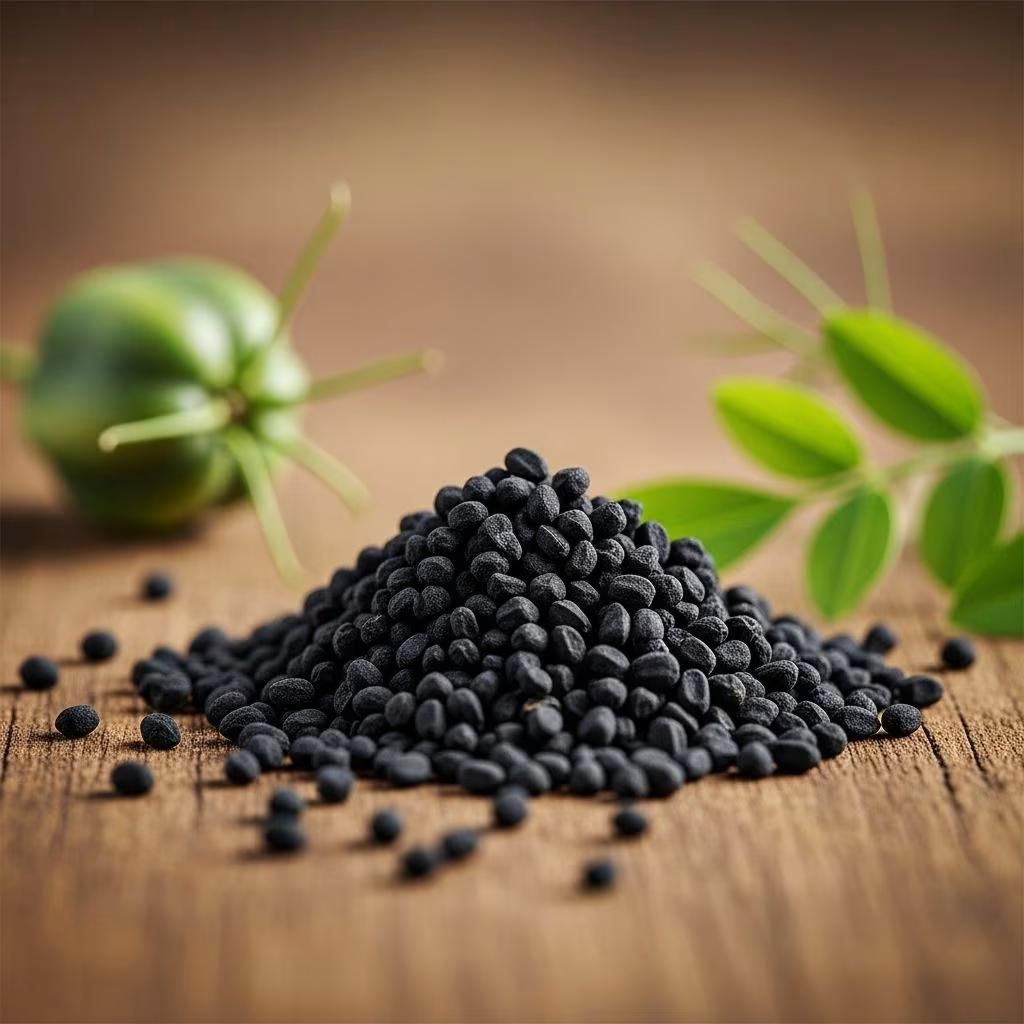
Kalonji seed, also known as Nigella sativa, black seed, or black cumin, is a small, jet-black seed valued for its remarkable health properties, nutritional richness, culinary versatility, and unique flavor. Used for centuries across Asia, the Middle East, and Africa, kalonji has found a prominent place in both traditional medicine and cuisine. This guide offers an in-depth look at kalonji’s origins, scientific benefits, uses in food and medicine, taste profile, precautions, and frequently asked questions.
What Is Kalonji Seed?
Kalonji seed refers to the seed of the Nigella sativa plant, a small, annual flowering plant native to parts of Asia, the Mediterranean, and Africa. Resembling black sesame seeds, they are encased in fruits produced by delicate, pale blue or white flowers. Kalonji seeds are commonly referred to as black seed, black cumin, black caraway, or Roman coriander in various cultures .
History and Botanical Profile
The Nigella sativa plant grows to about 20–30 cm in height, with finely divided, linear leaves and blossoms featuring five to ten petals. The plant produces a large fruit containing the iconic black seeds. Kalonji has been utilized for more than a millennium in Ayurvedic, Unani, and Middle Eastern traditional medicine as a remedy for diverse ailments, and it is well-regarded in culinary traditions for its flavor and aroma .
- Common names: Kalonji, black seed, black cumin, nigella, charnushka.
- Family: Ranunculaceae (buttercup family).
- Traditional uses: Cooking spice, herbal medicine, cosmetic ingredient.
Nutritional Value of Kalonji Seeds
Kalonji seeds are a compact source of essential macronutrients, micronutrients, and bioactive compounds. Below is the nutritional composition per 100 grams of kalonji seeds :
| Nutrition | Amount (per 100g) |
|---|---|
| Calories | 375 kcal |
| Protein | 17.8 g |
| Total Fat | 22.3 g |
| Carbohydrates | 44.2 g |
| Fibre | 10.5 g |
| Sugar | 2.25 g |
| Calcium | 931 mg |
| Iron | 66.4 mg |
| Phosphorus | 499 mg |
| Vitamin A | 64 IU |
| Vitamin C | 7.7 mg |
| Vitamin E | 3.33 mg |
| Vitamin K | 5.4 mg |
- Also contains healthy monounsaturated and polyunsaturated fatty acids
- Rich in trace minerals: zinc, copper, thiamin, niacin, folic acid
- Source of antioxidants, like thymoquinone
Science-Backed Health Benefits of Kalonji Seeds
Kalonji seeds possess potent health-promoting properties attributed to their rich nutritional and phytochemical profile. Modern science continues to validate many of their traditional uses. Here are the primary health benefits supported by research :
- Antioxidant activity: Kalonji contains thymoquinone and other antioxidants that neutralize harmful free radicals, preventing oxidative stress and cellular damage, potentially reducing risk of chronic diseases like cancer and heart ailments.
- Anti-inflammatory effects: The active compound thymoquinone helps lower inflammation markers in the body, which can have benefits for chronic inflammatory conditions (arthritis, asthma).
- Blood sugar regulation: Several clinical studies have shown regular intake of kalonji seeds or oil helps reduce fasting blood sugar, average blood sugar, and improves insulin sensitivity in people with type 2 diabetes.
- Cholesterol and heart health: Kalonji has been linked to reduced total and LDL (bad) cholesterol as well as blood triglyceride levels. This effect may help protect against heart disease.
- Antibacterial and antifungal properties: Test-tube research has shown efficacy against harmful bacteria (including MRSA) and several fungal strains, supporting its traditional use against infections.
- Memory and brain health: Used in traditional medicine for cognition and memory improvement, especially for elders or those at risk for neurodegenerative diseases such as Alzheimer’s.
- Asthma and respiratory relief: Kalonji may relax airway muscles and reduce asthma attacks or allergy symptoms by diminishing inflammation and histamine levels.
- Weight management: Multiple studies indicate supplementation with kalonji oil or seeds can support fat reduction and appetite control, particularly as part of calorie-controlled diets.
- Cancer protection (preclinical evidence): Laboratory research shows kalonji and thymoquinone inhibit the growth of various cancer cells, including colon, pancreatic, and lung cancer. Human trials are still needed for definitive guidance.
- Digestive health: Traditionally used to treat ulcers, relieve indigestion, reduce constipation, and support gut health.
- Oral and dental health: Kalonji oil is applied for toothaches, gum inflammation (gingivitis), and minor oral infections.
- Skin support: Used topically for acne, eczema, and wound healing due to anti-inflammatory and antimicrobial effects.
Culinary Uses of Kalonji Seeds
Kalonji seeds are cherished in South Asian, Middle Eastern, and North African cuisines for their distinctive flavor and aroma. They are utilized in both whole and ground form in a variety of dishes:
- Breads: Sprinkled on naan, bagels, parathas, and flatbreads for flavor and texture.
- Curries and stir-fries: Used as a tempering spice in oils (tarka) for dals, lentil stews, and curries.
- Pickles and preserves: Integral in many traditional Indian, Pakistani, and Middle Eastern pickle recipes.
- Vegetable dishes: Combined with vegetables such as potatoes, cabbage, or okra for added scent and spice.
- Cheese and chutneys: Sometimes mixed into cheeses, soft paneer, or chutney blends.
- Flavoring oils: Infused in oils to drizzle over salads or roasted dishes.
- Baking: Used in savory buns, crackers, or breadsticks.
Kalonji’s flavor profile allows it to pair well with cumin seed, mustard, fennel, fenugreek, and other aromatic spices.
Traditional and Medicinal Uses
Kalonji seeds occupy a prominent place in Ayurveda, Unani, and Siddha medicine. Traditional medicinal uses include:
- Remedying digestive disorders and relieving constipation
- Reducing bloating and flatulence
- Soothing asthma, allergies, coughs, and sore throats
- Boosting immunity and vitality
- Alleviating headaches and migraines
- Promoting lactation in nursing mothers
- Improving kidney and liver health
- Application in hair and scalp treatments to address hair loss
- Topical treatments for skin irritations, infections, and wounds
While many benefits are rooted in tradition, scientific validation varies by condition. Always consult with a healthcare provider before starting herbal supplements—especially if pregnant, breastfeeding, or managing chronic illness.
Kalonji Seed Taste Profile
Kalonji seeds have a distinctive taste best described as:
- Earthy, slightly bitter, and pungent
- Reminiscent of black pepper, onion, and oregano
- A subtle aftertaste of toasted onion or nutmeg when roasted
- Complex, aromatic scent often described as a combination of savory herbs
This robust taste is why kalonji is used sparingly to enhance the flavor of breads and savory dishes, without overpowering other ingredients.
How to Use and Recommended Dosage
Kalonji seeds and oil are widely available in grocery stores, spice shops, and online retailers. Here’s how to incorporate kalonji into your routine:
- Culinary use: Toast whole seeds briefly to unlock their aroma, then sprinkle on bread or add during the tempering stage of cooking.
- Raw or mixed: Add a pinch to salads, yogurt, or smoothies for subtle spice and crunch.
- Oil extract: Used for drizzling, in dressings, or as a supplement (in consultation with a healthcare provider).
- Traditional supplements: Capsules and powders are available for those seeking specific health benefits.
Recommended Dosage:
- Daily intake: 1.5 grams to 3 grams for adults (approximately half a teaspoon), though this can vary by age, health status, and individual response .
- Children and pregnant individuals: Always consult a healthcare professional for safe consumption levels.
For medicinal uses, dosages may differ—professional guidance is advised.
Potential Side Effects and Precautions
Kalonji is generally considered safe when consumed as a spice in food amounts. However, increased dosage or medicinal use may lead to side effects or interactions for some individuals:
- Possible digestive discomfort if consumed in large quantities
- May lower blood sugar and blood pressure—monitor closely if on related medications
- Rare allergic reactions (skin irritation, rashes) from topical application
- Pregnancy and breastfeeding: Use only under professional supervision
- Potential interactions with anticoagulant, blood pressure, or diabetes medications
If you experience any adverse reaction, discontinue use and consult your healthcare provider immediately.
Frequently Asked Questions (FAQs)
Q: What is the difference between kalonji, black cumin, and black sesame?
A: Kalonji (Nigella sativa) is not the same as black cumin (Bunium bulbocastanum) or black sesame. While all are small, black seeds used in cooking, their flavor profiles and nutritional make-up differ significantly.
Q: Can kalonji seeds help with weight loss?
A: Research suggests kalonji seed supplements can support fat loss and appetite control when combined with a calorie-controlled diet, though they are not a substitute for healthy eating and exercise .
Q: Are kalonji seeds safe for daily use?
A: Small food-use amounts are safe for most people. For therapeutic dosages, consult a healthcare professional, especially if pregnant, breastfeeding, or on medications.
Q: How should kalonji seeds be stored?
A: Store kalonji seeds in an airtight container, away from heat and light, to maintain their flavor and freshness for up to six months.
Q: Does kalonji really cure diseases?
A: Traditional systems and some scientific research suggest benefit for various conditions, but kalonji is not a cure-all. Always use as part of a balanced diet and consult with your physician for medical conditions.
References
- Redcliffe Labs – Kalonji Seeds Benefits, Side Effects, Dosage, and More
- MedicineNet – 11 Impressive Health Benefits of Kalonji
- WebMD – Black Seed: Benefits, Nutrition, Uses & Health Insights
References
- https://redcliffelabs.com/myhealth/food-creative/kalonji-seeds-benefits-side-effects-dosage-and-more/
- https://www.medicinenet.com/11_impressive_health_benefits_of_kalonji/article.htm
- https://www.webmd.com/diet/black-seed-health-benefits
- https://www.webmd.com/vitamins/ai/ingredientmono-901/black-seed
- https://pmc.ncbi.nlm.nih.gov/articles/PMC5633670/
- https://www.healthline.com/health/food-nutrition/black-seed-oil-benefits


