


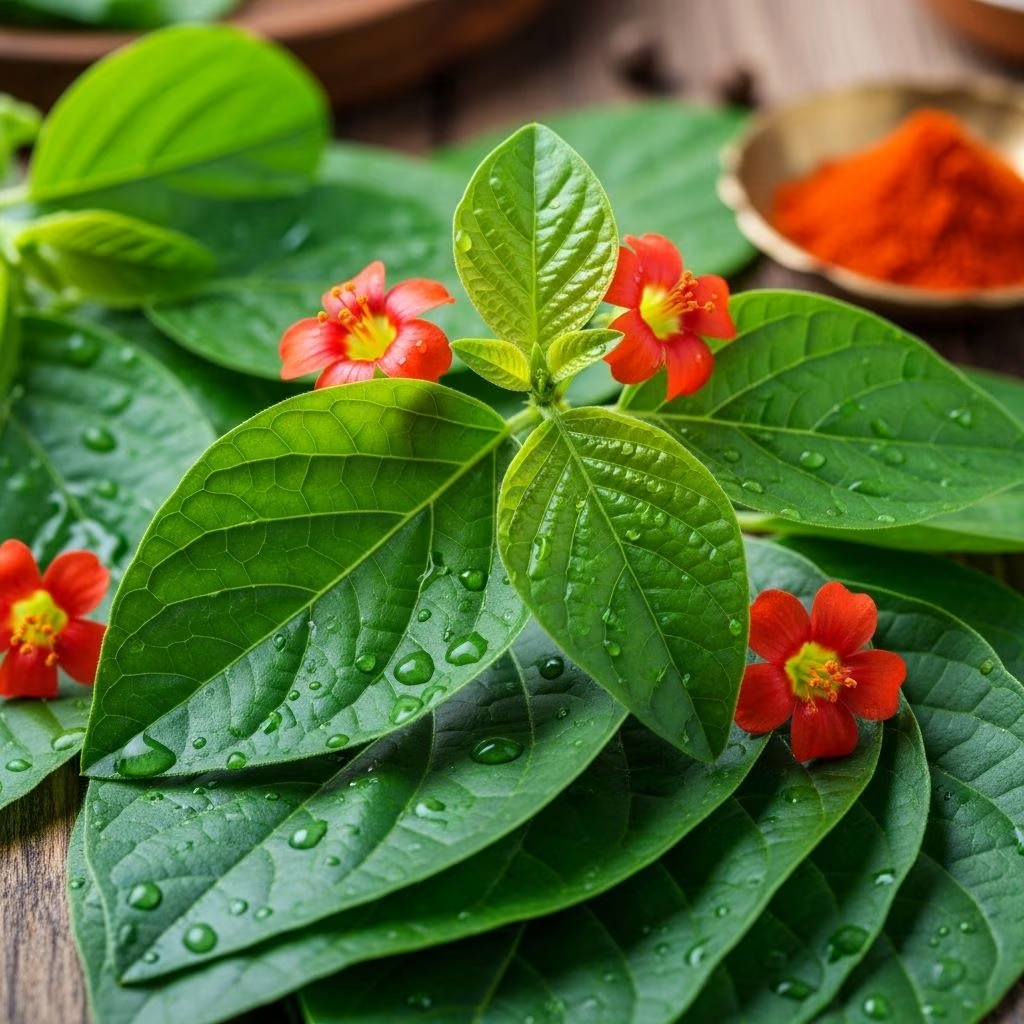
Gongura leaf, a staple in many South Asian kitchens, is renowned not only for its distinctive tangy flavor but also for its impressive array of health benefits. Grown primarily in India and other tropical regions, this leafy green has cultivated a rich culinary legacy, especially in Andhra Pradesh, while its nutritional contributions and therapeutic uses have won it international recognition. This comprehensive guide explores everything about Gongura leaf: its origins, nutritional profile, health benefits, culinary uses, cultural significance, and how you can integrate it into your diet today.
Introduction to Gongura Leaf
Gongura leaf, botanically classified as Hibiscus sabdariffa var. rubra, is a leafy green vegetable cherished across India and many tropical regions for its signature sour flavor and robust nutritional profile. Also known as Roselle, Red Sorrel, Puntikura, Ambada, Pitwaa, or Pulicha Keerai, Gongura serves as more than just a culinary ingredient. Its leaves have been used in food, medicine, and various cultural celebrations worldwide.
Botanical Background and Cultivation
The Gongura plant is a dense, shrub-like perennial that typically grows up to two or three meters tall. Characteristic features include reddish-purple stems, deeply lobed dark green leaves, and trumpet-shaped flowers with creamy yellow petals deepening into maroon at the center. Among the two main cultivated varieties, the red-stemmed Gongura is more pungently sour compared to the milder green-stemmed variety.
- Scientific Name: Hibiscus sabdariffa var. rubra
- Common Names: Gongura, Roselle, Red Sorrel, Pulicha Keerai, Ambada, Puntikura, Pitwaa
- Origin: Native to India and parts of Africa, now naturalized globally
- Plant Height: 2–3 meters
- Growing Season: Best in summer; higher heat enhances its sour flavor
Nutritional Profile of Gongura Leaf
Gongura leaves are a powerhouse of essential nutrients, making them an excellent addition to a balanced diet. They are exceptionally rich in iron, folate, vitamins A, B6, and C, riboflavin, zinc, calcium, and a multitude of antioxidants, all of which play pivotal roles in overall health.
| Nutrient | Health Role |
|---|---|
| Iron | Supports hemoglobin and oxygen transport; helps prevent anemia. |
| Folate (Vitamin B9) | Essential for DNA synthesis; important for pregnant women. |
| Vitamins A, B6, C | Boosts immunity, skin health, and metabolic function. |
| Calcium | Strengthens bones and teeth. |
| Antioxidants (polyphenols, flavonoids) | Fight free radicals; reduce risk of chronic diseases. |
| Zinc, Riboflavin | Support cellular function and energy production. |
Eating Gongura leaves can contribute to a nutrient-dense diet—particularly beneficial for vegetarian and vegan populations who might be at risk of iron deficiency.
Health Benefits of Gongura Leaf
The nutritional richness of Gongura translates into several notable health benefits:
- Supports Blood Health: High iron and folic acid content may prevent and alleviate anemia, promote red blood cell production, and improve overall blood quality.
- Boosts Immune Function: Vitamins A and C, combined with antioxidants, enhance the body’s defenses against infections and help in quicker healing.
- Strengthens Bones and Teeth: The calcium content in Gongura leaves supports skeletal and dental health, especially important for aging adults and growing children.
- Aids Digestion: Gongura leaves stimulate appetite, promote digestion, and may reduce flatulence due to their mildly astringent and acidic properties.
- Regulates Blood Sugar: Some research and traditional uses highlight Gongura’s ability to stabilize blood glucose, making it potentially beneficial for individuals with diabetes.
- Anti-inflammatory Actions: The leaf displays anti-inflammatory and hepatoprotective properties, helping to cool internal inflammations and soothe the liver.
- Menstrual and Liver Health: Traditional medicine uses Gongura to ease menstrual cramps and support liver detoxification.
Historically, the juice from Gongura flowers has been used in Guatemala as a hangover remedy and in the Caribbean as part of festive drinks. African and South American communities utilize different parts of the plant—like seeds and roots—for digestive ailments and calming stomach upset.
Culinary Uses of Gongura Leaf
Gongura is a remarkably versatile green in the kitchen, contributing flavor and color to a range of dishes. Its most famous home is in Andhra Pradesh, India, where Gongura Pachadi (Gongura chutney) is a quintessential part of Telugu cuisine, prized for its tangy bite.
- Chutneys and Pickles: Gongura Pachadi, a spicy chutney, combines Gongura with chili, garlic, and spices for a bold accompaniment to rice or bread.
- Lentil Dishes: Gongura Pappu features boiled Gongura leaves mixed into mashed lentils (dal), creating a unique blend of textures and robust flavor.
- Curry and Stir-fries: The leaves are sautéed with onions, chilies, and spices to make diverse curries, often with meat or legumes.
- Rice Preparations: In some regions, Gongura leaves are mixed with rice, forming quick but flavorful meals.
- Global Adaptations: In the Caribbean, Gongura flowers (roselle) inspire festive drinks and jams—sorrel punch blends the tartness with sugar and spices, enjoyed especially during Christmas celebrations.
- Medicinal Teas and Beverages: In Africa, a drink called “Sudan tea” uses the blossoms to address coughs and digestive complaints.
The plant’s calyx, known as roselle, is also used to make jams, jellies, syrups, and natural food colorings, making Gongura a multipurpose herb across continents.
Popular Indian Dishes Featuring Gongura
- Gongura Chicken: Andhra-style slow-cooked chicken with a sour Gongura leaf base
- Gongura Mutton: Rich curry with mutton, Gongura, onions, and aromatic spices
- Andhra Gongura Dal: Lentils stewed with sour Gongura for a tangy twist on classic dal
Flavor Profile: What Does Gongura Taste Like?
The most defining feature of Gongura is its tart, tangy, and slightly sour taste. Several factors influence its flavor:
- Varietal Difference: The red-stemmed variety is notably more sour than the green-stemmed kind.
- Climate: Leaves harvested during hotter weather tend to be even more intensely sour.
- Leaf Age: Young leaves are milder and greener in flavor, while mature leaves become robust, acrid, and tangier.
Texturally, Gongura leaves are broad, flat, pliable, and deeply lobed. When cooked, they soften, contributing both flavor and a visually appealing green tint to dishes. In addition to being sour, some find the leaves slightly bitter and astringent, with a pleasant, invigorating aftertaste.
Cultural and Regional Importance
Throughout India, and especially in the southern state of Andhra Pradesh, Gongura occupies an iconic place in local diets and culinary traditions. Its role extends beyond taste—it symbolizes festivity and is often a centerpiece during feasts and festivals.
- Andhra Cuisine: Gongura Pachadi is a must-have at weddings and major events.
- Caribbean Culture: The roselle drink “sorrel punch” marks Christmas and family gatherings.
- Traditional Medicine: Communities throughout Africa, the Caribbean, and India have relied on Gongura for centuries to support digestion, liver, and blood health.
How to Buy, Store, and Use Gongura
Gongura is available fresh in most Indian, Asian, and tropical produce markets, especially during the summer. When choosing Gongura:
- Look for vibrant green leaves without wilting or yellowing.
- Stems should be crisp, not slimy or soft.
- Red-stemmed leaves will impart a strong tang; green-stemmed are milder.
For best results:
- Storage: Store unwashed leaves wrapped in a paper towel inside a loose plastic bag in the refrigerator. Use within a week.
- Preparation: Rinse thoroughly to remove dirt. Remove stems if needed. Finely chop or tear the leaves.
- Cooking Tips:
- Sauté or boil Gongura; avoid overcooking to preserve color and nutrients.
- Add Gongura near the end of the cooking process in dishes where you want its tang to stand out.
- Pair with chilies, garlic, onions, and simple spices for an authentic flavor boost.
Potential Side Effects and Precautions
While Gongura is safe for the vast majority of people, there are a few points to keep in mind:
- Consuming very large quantities may increase oxalic acid intake, which could be an issue for individuals prone to kidney stones.
- Pregnant or breastfeeding women should consult healthcare professionals before consuming Gongura for medicinal purposes.
- In rare cases, Gongura’s sourness can exacerbate acidity problems in sensitive individuals.
Frequently Asked Questions (FAQs)
Q: Is Gongura the same as spinach or other greens?
A: No, Gongura (Hibiscus sabdariffa) is unrelated to spinach. Its primary feature is its tangy, sour taste as opposed to the milder, grassy flavor of spinach or amaranth.
Q: Can Gongura help with iron deficiency?
A: Yes, Gongura is naturally rich in iron and folate, which may help prevent or reduce iron deficiency anemia, especially when consumed regularly as part of a varied diet.
Q: What’s the best way to eat Gongura?
A: Gongura is most commonly enjoyed in spicy chutneys, lentil dishes, or curries. Its tart flavor pairs well with garlic, chilies, mustard seeds, and protein sources like lentils or meats.
Q: Can I use Gongura raw?
A: Yes, young leaves can be eaten raw in salads for a mildly tangy crunch, but mature leaves are generally cooked to mellow their sourness and enhance digestibility.
Q: Is Gongura leaf good for babies or children?
A: In moderate quantities, Gongura can be part of a nutritious diet for children, primarily for its iron and vitamin content. However, its sourness may not suit all young palates, so it is often introduced in small amounts mixed with other mild foods.
Q: What other names are used for Gongura around the world?
A: Gongura is also called Roselle, Red Sorrel, Ambada (Hindi), Pulicha Keerai (Tamil), Puntikura (Telugu), and can be found as ‘sorrel’ in the Caribbean.
Conclusion
Gongura leaf is a vibrant, tangy super-green that enriches recipes and diets across continents. Its unique taste, nutritional density, and extensive health benefits make it a valuable addition to cuisine and wellness traditions, especially in regions where its use is culturally significant. Whether as a zesty chutney in India, a festive beverage in the Caribbean, or a healthful salad green, including Gongura in your diet is a delicious way to boost both flavor and nutrition.
References
- https://naturesproduce.com/encyclopedia/gongura/
- https://specialtyproduce.com/produce/Gongura_Leaves_11189.php
- https://en.wikipedia.org/wiki/Gongura
- https://www.vahrehvah.com/indianfood/gongura-leaves
- https://kottakkal.shop/blogs/healing-with-kottakkal-ayurveda/food-is-medicine-organic-gongura-leaf
- http://sattvaa.blogspot.com/2016/03/gongura-sorrel-leaves-pappu-exotic.html


